SaltwaterMagnum Mantis Shrimp
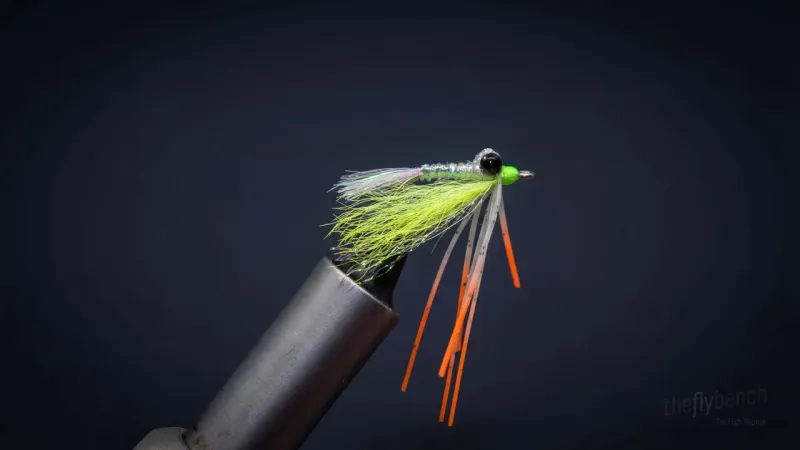
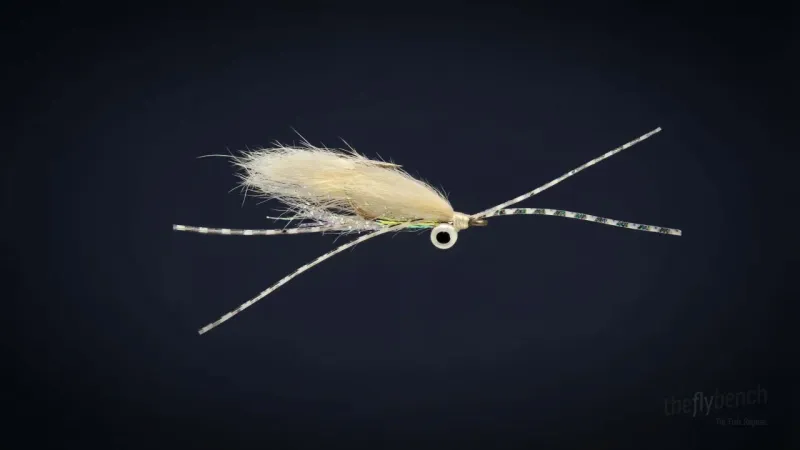
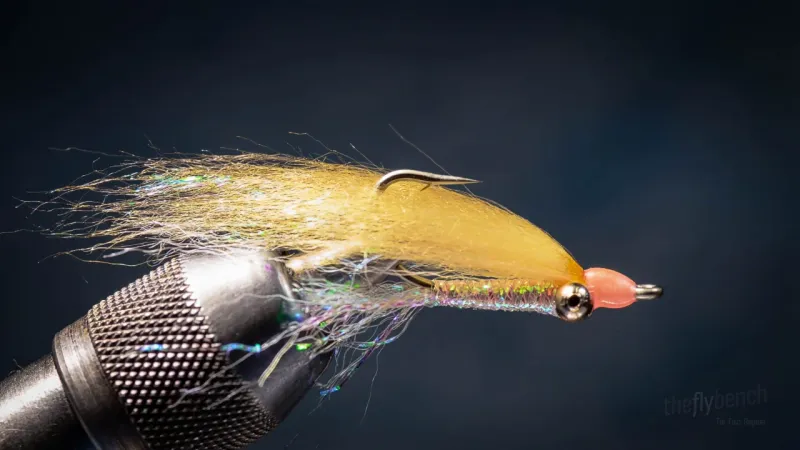
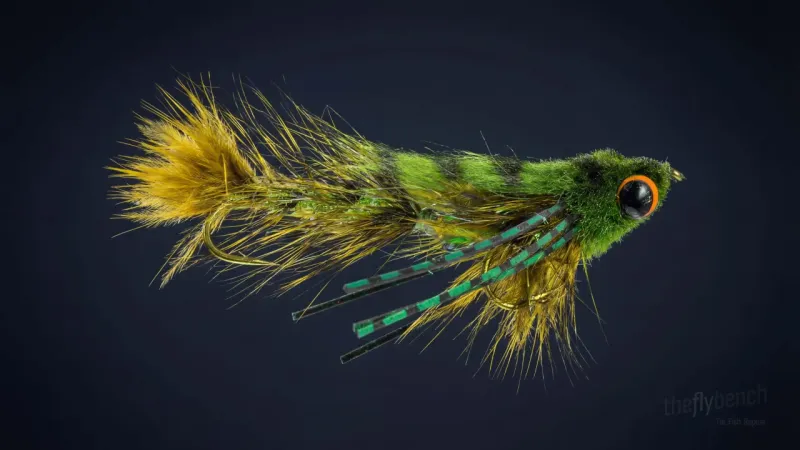
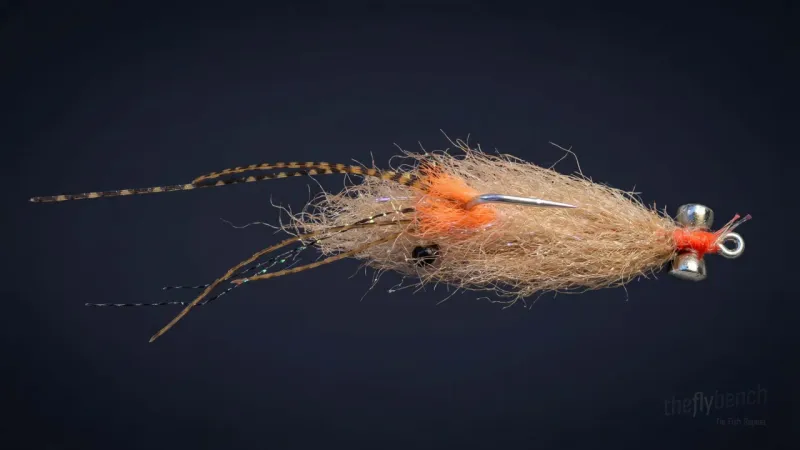
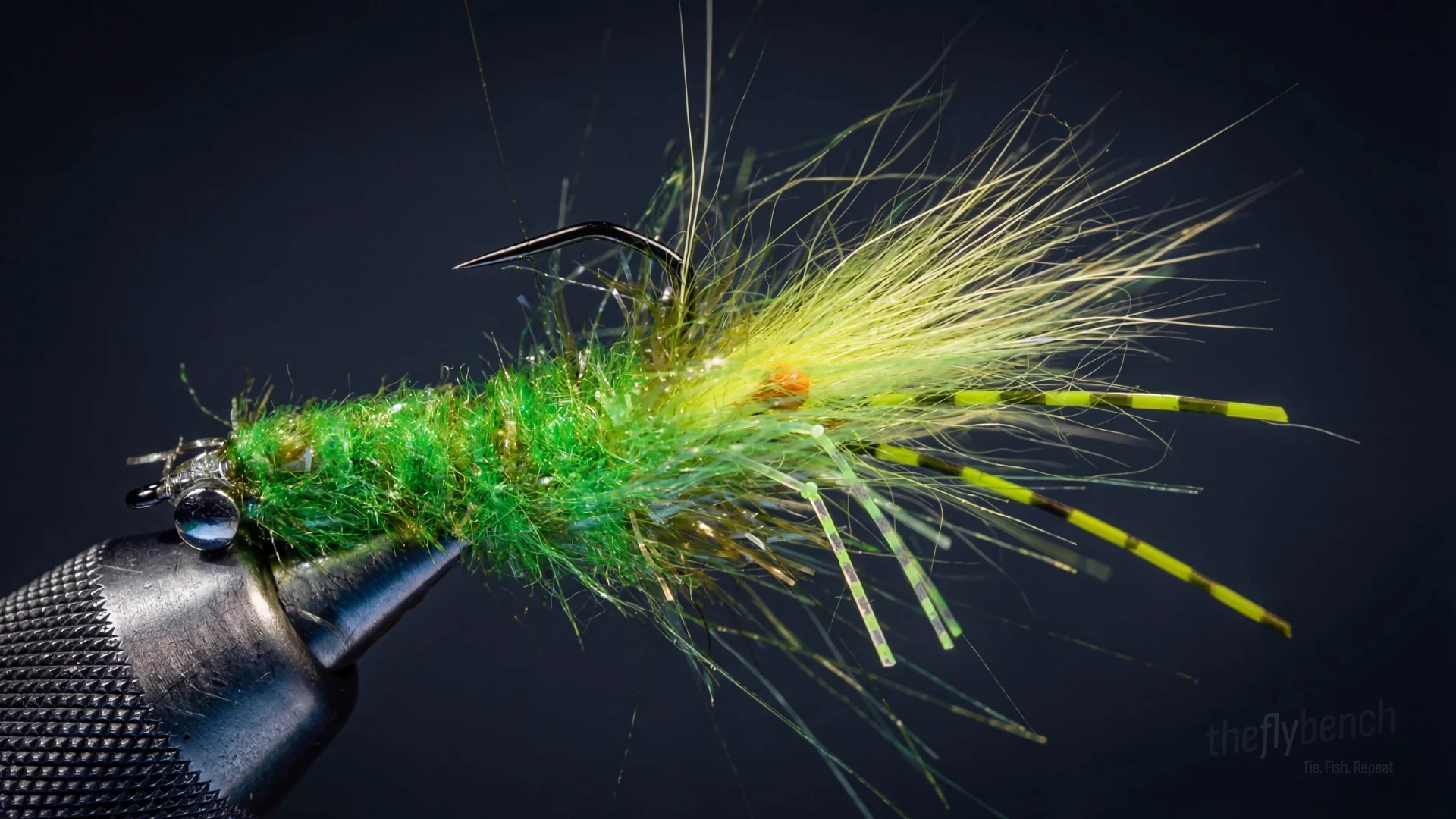
The Magnum Mantis Shrimp is Bob Chicone's large-profile crustacean imitation designed for targeting permit and other large saltwater predators that feed on mantis shrimp. This elaborate pattern features dazzle brass eyes for weight and flash, chartreuse arctic fox mouth parts, mono crab eyes for the rear eyestalks, two styles of rubber legs for maximum movement, a wireless dubbing brush body combined with Estaz chenille, all finished with UV resin for durability. The chartreuse coloration mimics the vibrant appearance of live mantis shrimp.
Year Round
Advanced
Permit, Tarpon, Snook, Jacks
Dec 2025
Overview
This Charlie Craven demonstration of Bob Chicone's pattern from Charlie's Fly Box showcases an advanced saltwater pattern designed to imitate one of the most prized prey items for permit. Mantis shrimp are powerful crustaceans that permit actively hunt in sand and rubble bottoms. The magnum size of this pattern addresses situations where larger presentations trigger more aggressive takes. The combination of arctic fox and multiple rubber leg materials creates remarkable movement in the water, while the dazzle brass eyes provide the necessary weight to sink into the strike zone. The mono crab eyes at the rear accurately replicate the prominent eyestalks of the natural.
Where to Buy This Fly
We only link to fly shops we trust. Some links are referral links, which may earn us a commission at no extra cost to you.
Materials
- Hook:
- Umpqua XS435
- Thread:
- Mono Thread, .006
- Eyes:
- Dazzle Brass Eyes, silver 5/32
- Mouth Parts:
- Arctic Fox, chartreuse
- Rear Eyes:
- Crab Eyes (mono), large tan or amber
- Legs:
- Rubber Legs (round), chartreuse barred black medium
- Legs 2:
- Chicone's Micro Crush Legs, chartreuse/clear
- Body:
- Wireless Dubbing Brush, chartreuse
- Body 2:
- Estaz Chenille, crustacean tan
- Resin:
- Solarez Bone Dry Plus
Behavior & Presentation
Natural Behavior: Mantis shrimp emerge from sand burrows to hunt with explosive speed before retreating, their vibrant chartreuse coloration visible against bottom substrate. Permit patrol burrow areas waiting for these energy-rich crustaceans to expose themselves during feeding forays.
Where Trout Eat It: Permit and jacks cruise coral rubble and sandy flats where mantis shrimp excavate burrows, focusing on areas with visible burrow openings. Reef edges and mangrove structure concentrate these specialized predators.
How to Fish It: Short strips with settling pauses allow the weighted eyes to drop the fly to bottom between movements, mimicking shrimp hunting behavior. The multiple leg materials pulse enticingly during pauses.
Best Water: Target flats with coral rubble for burrow habitat, drop-offs near reef structure, and sandy pockets that mantis shrimp prefer for excavation.
Strike Type: Line acceleration or sudden weight signals permit crushing the fly, requiring immediate firm strip-sets.
Fishing Strategy
Rigging Suggestions: Fish on a 9-foot leader tapering to 16-20 lb fluorocarbon for permit, or heavier for tarpon. The weighted eyes get the fly down quickly but may require lighter tippet in very shallow conditions.
Seasonal Timing: Effective in tropical and subtropical waters where mantis shrimp are present. Particularly productive when fish are actively feeding on crustaceans around coral rubble, sandy flats, and reef edges.
Pro Tips: The chartreuse coloration and flash from the dazzle eyes provide attraction while the sink rate keeps the fly in the strike zone. The UV resin coating adds durability for multiple fish catches.
Entomology
Mantis shrimp excavate burrows in sand and rubble, periodically emerging to hunt with lightning-fast strikes of their specialized raptorial appendages before retreating. Permit specifically patrol areas with mantis shrimp burrows because these large crustaceans represent one of the most energy-rich prey items available on tropical flats, worth the effort of waiting for emergence.
- Organism Type
- crustacean
- Life Stage
- general