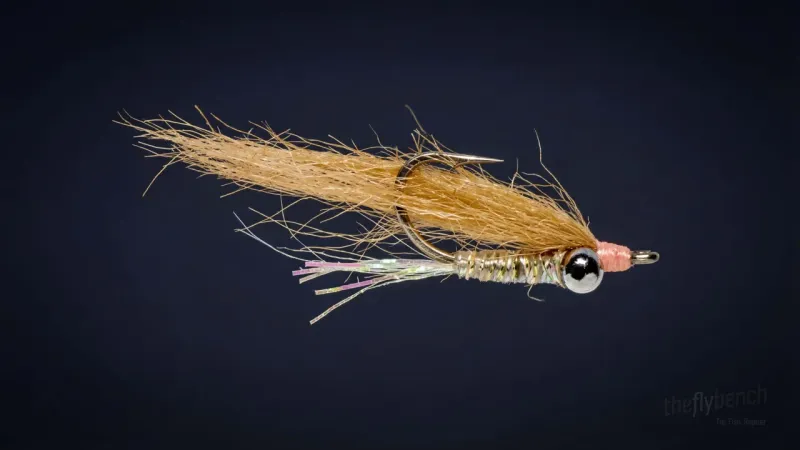
SaltwaterEP Spawning Shrimp
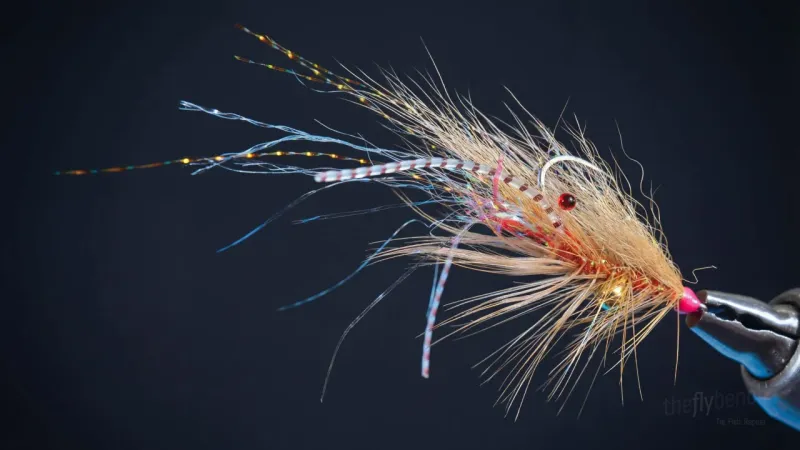
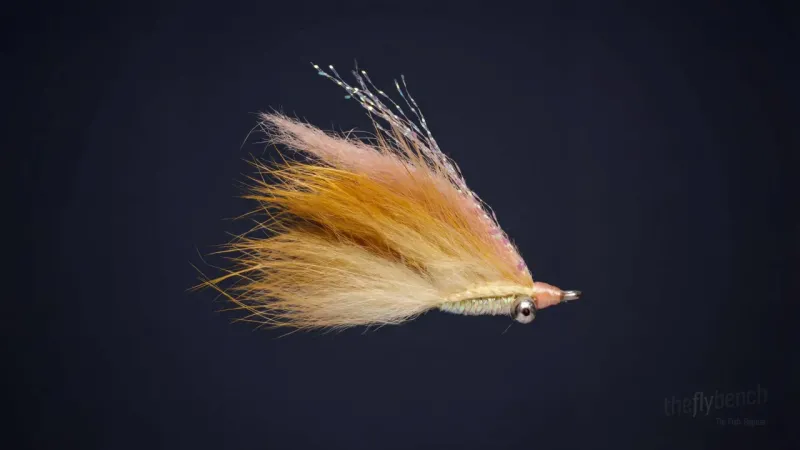
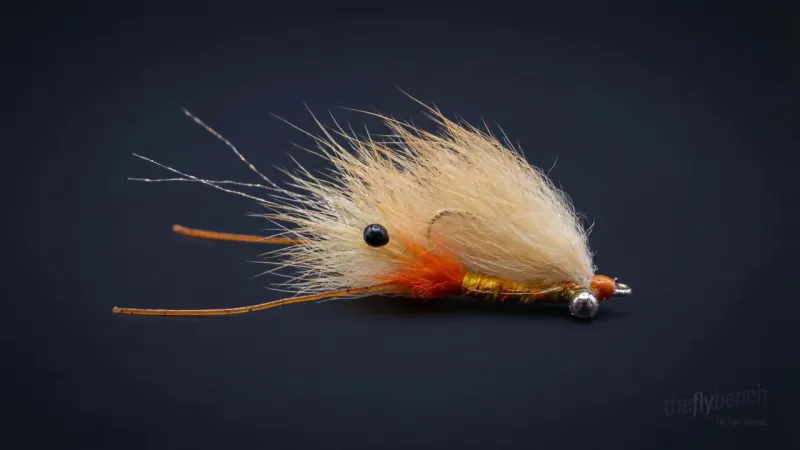
The EP Spawning Shrimp is a highly realistic shrimp pattern that's versatile and effective in enticing fish. The flexible materials used give it a lifelike movement underwater, making it almost irresistible for fish.
Year Round
Advanced
Tarpon, Bonefish, Permit
Apr 2025
Overview
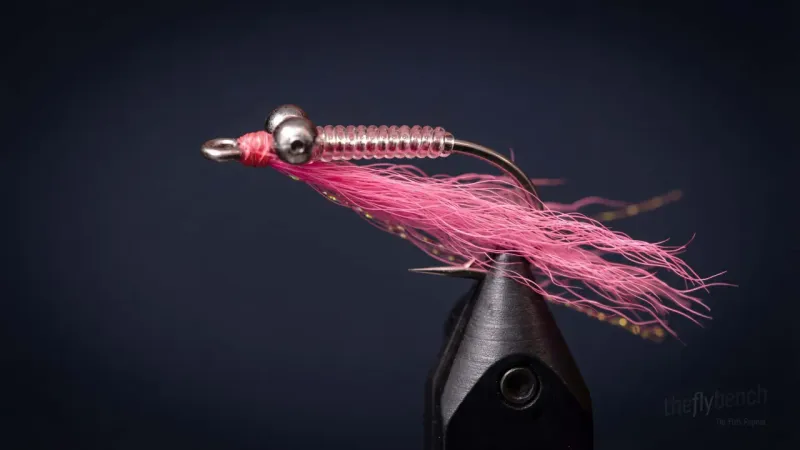
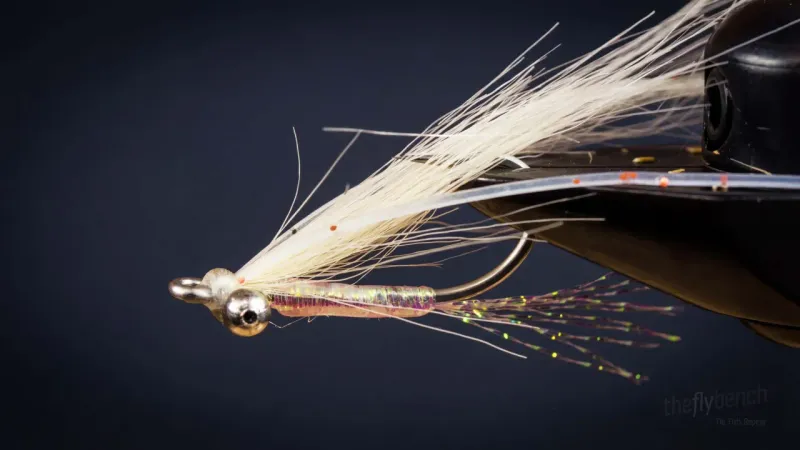
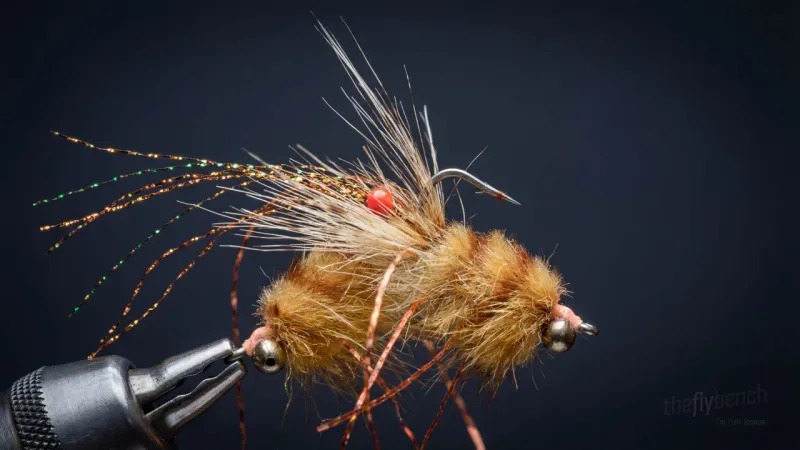
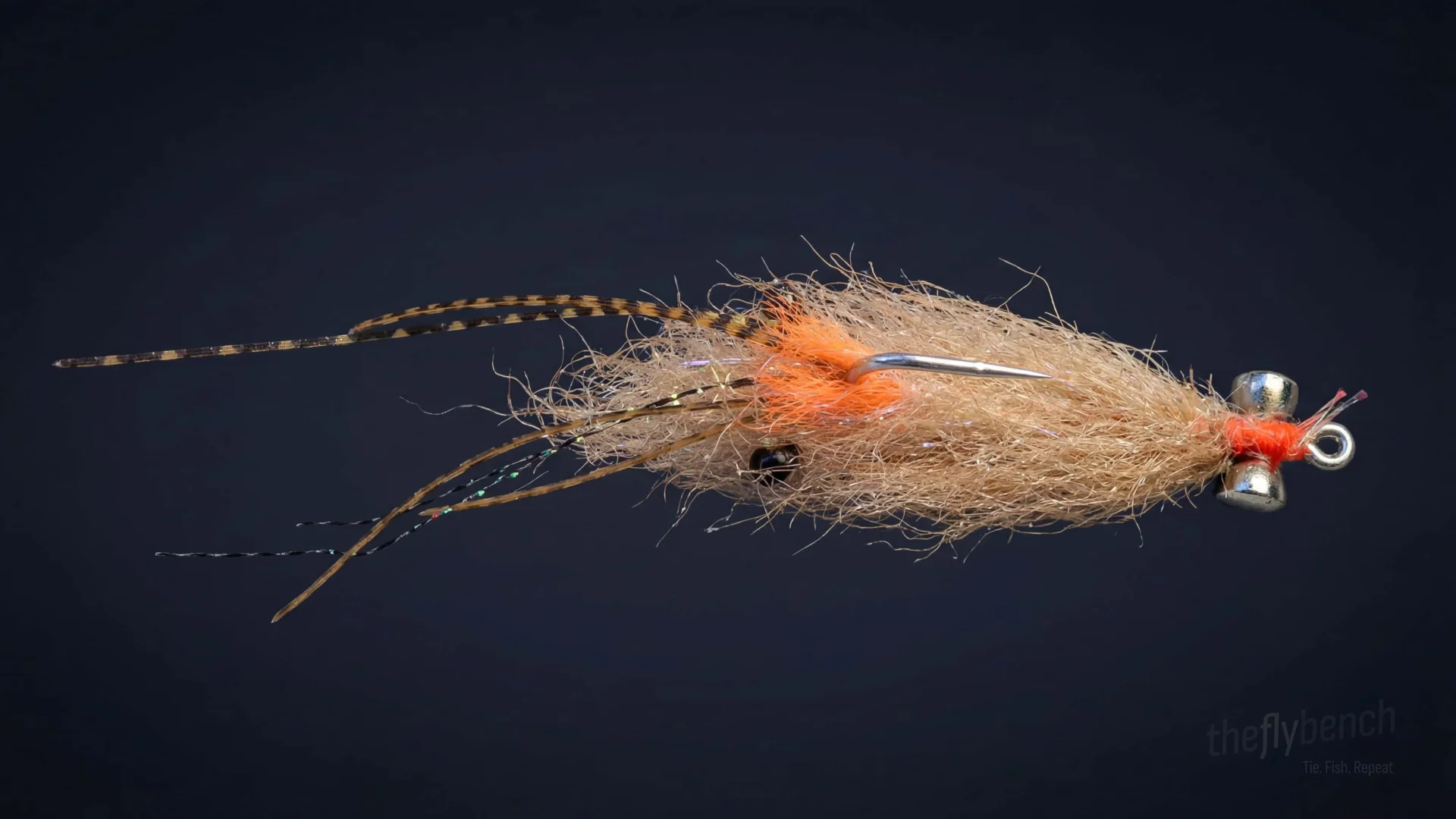
This bonefish favorite uses synthetic EP Fibers in tan or pink shades, rubber legs, bead chain eyes, and subtle flash. Often includes a fluorescent egg sac accent near the tail. Designed to sink slowly and land softly in skinny water.
Where to Buy This Fly
We only link to fly shops we trust. Some links are referral links, which may earn us a commission at no extra cost to you.
Materials
- Hook:
- Tiemco 811S
- Thread:
- Tan 6/0
- Eyes:
- Black Bead Chain
- Body:
- Tan EP Fibers
- Legs:
- Silicone Skirt Material
- Shell:
- Solarez Thick Hard UV resin
Behavior & Presentation
Natural Behavior: Shrimp display bright orange egg sacs while making erratic, vulnerable movements between grass beds and open sand. This distracted spawning behavior creates high-visibility targets that trigger aggressive feeding from cruising predators.
Where Trout Eat It: Focus on shallow flats, turtle grass beds, and sandy areas at 1-4 feet depth where shrimp concentrate during spawning cycles.
How to Fish It: Use slow, twitching 2-3 inch strips with frequent pauses. Allow the fly to sink and hover between strips, mimicking spawning behavior.
Best Water: Target flats, grass edges, channel edges, and drop-offs where cruising fish intercept spawning shrimp.
Strike Type: Feel line acceleration or see it draw tight. Strip-set immediately when you sense resistance.
Fishing Strategy
Rigging Suggestions: Use a 9-12 foot leader with 12-16 pound fluorocarbon tippet for tarpon and permit, 8-10 pound for bonefish. A floating or intermediate line helps with presentation in shallow water.
Seasonal Timing: Most productive during warmer months from May through October when shrimp are most active and visible. Peak spawning activity occurs during new and full moon phases when shrimp are most concentrated.
Pro Tips: The EP fibers create realistic leg movement and the orange egg sac adds high visibility. Lead the fish by 10-15 feet and let it sink before starting the retrieve. Match the natural shrimp size present on your flat.
Entomology
Spawning shrimp exhibit erratic, vulnerable movements as they transition between vegetation and open flats, often displaying bright egg sacs that make them highly visible. During spawning cycles, their distracted behavior and bright coloration trigger aggressive feeding responses from bonefish, permit, and other flats predators seeking high-protein targets.
- Organism Type
- crustacean
- Life Stage
- general