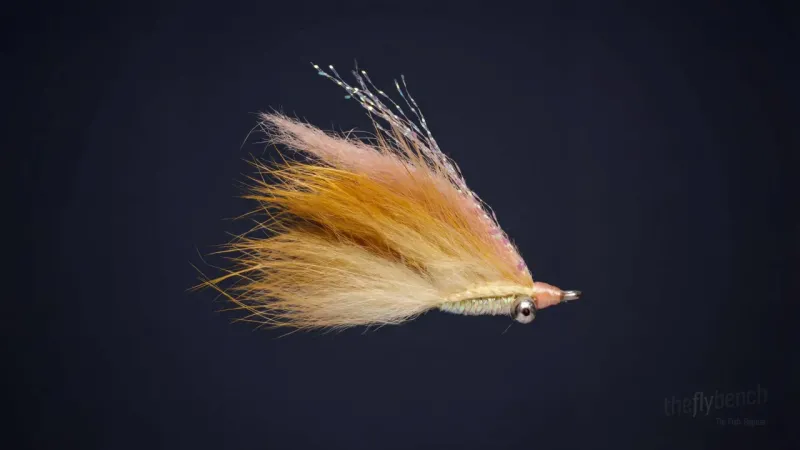
SaltwaterFoxy Shrimp
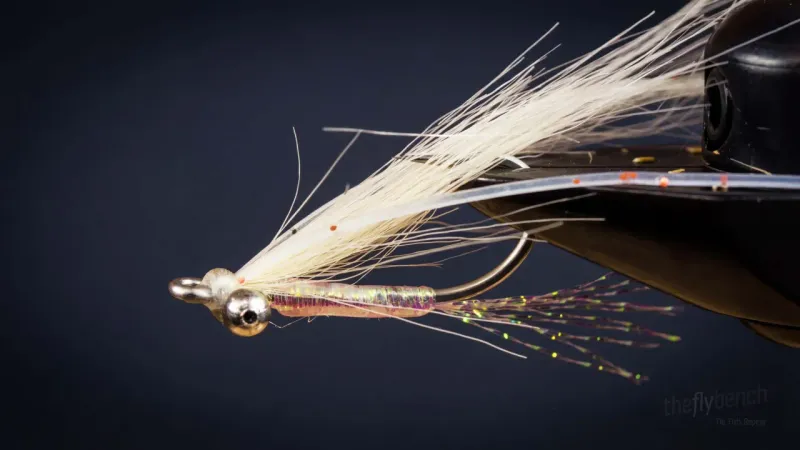
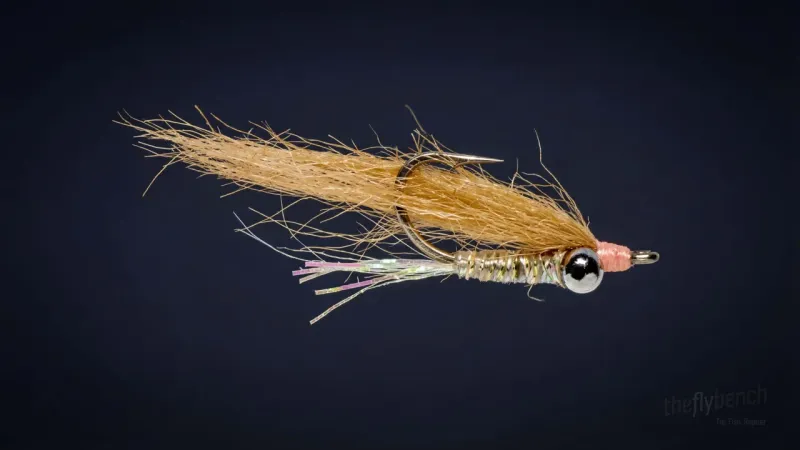
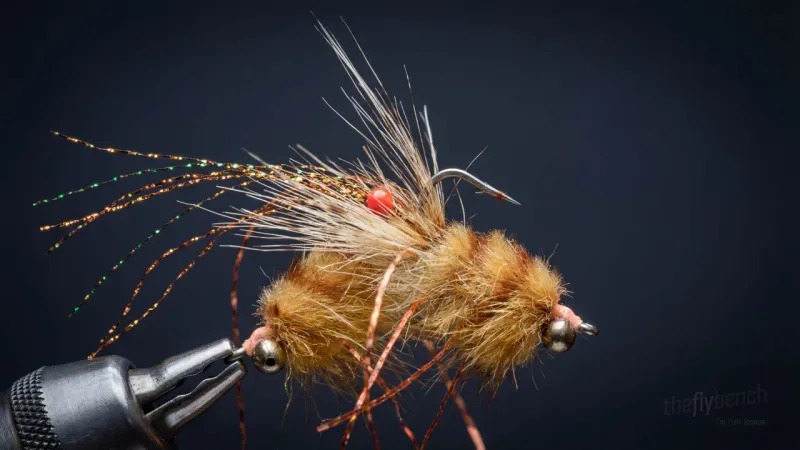
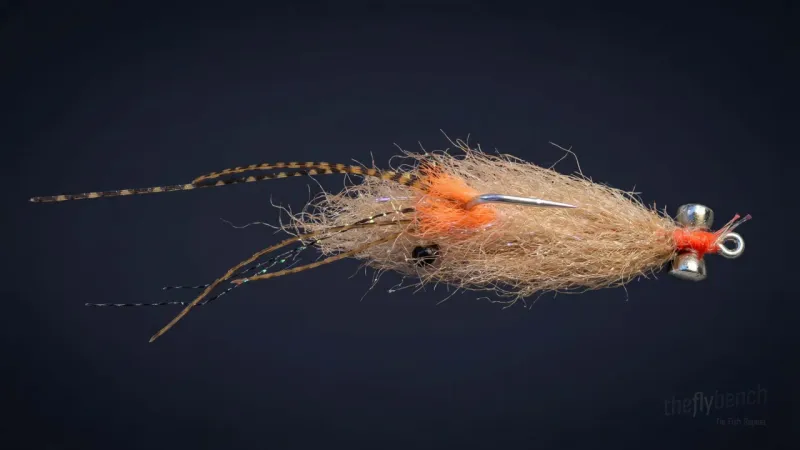
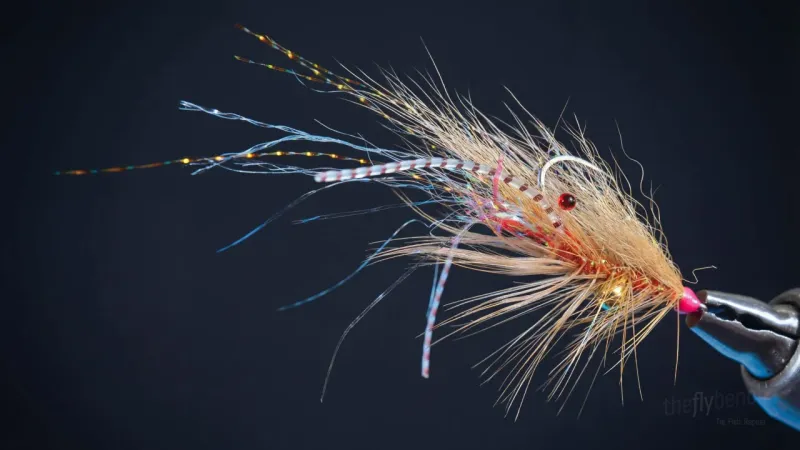
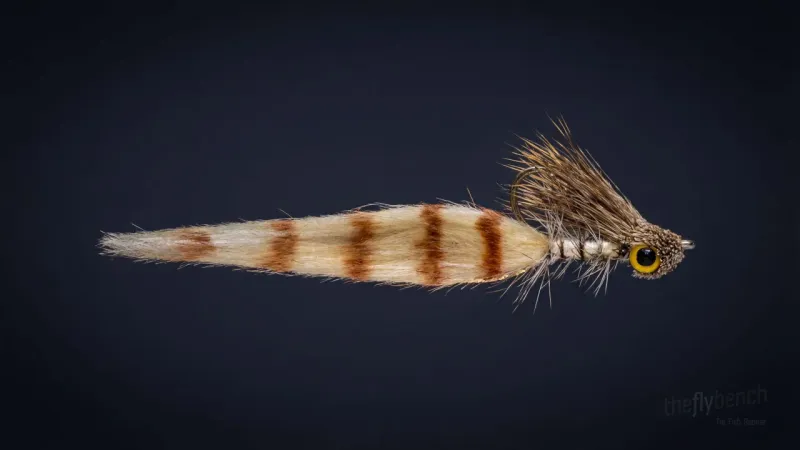
The Foxy Shrimp is a realistic shrimp pattern that is highly effective in saltwater environments. Its natural color and lifelike movement in the water make it irresistible to a variety of species.
Year Round
Intermediate
Bonefish, Permit, Redfish
Apr 2025
Overview
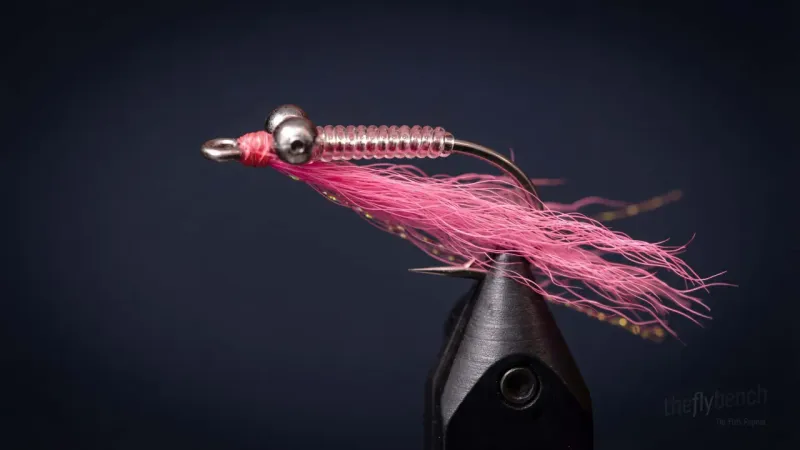
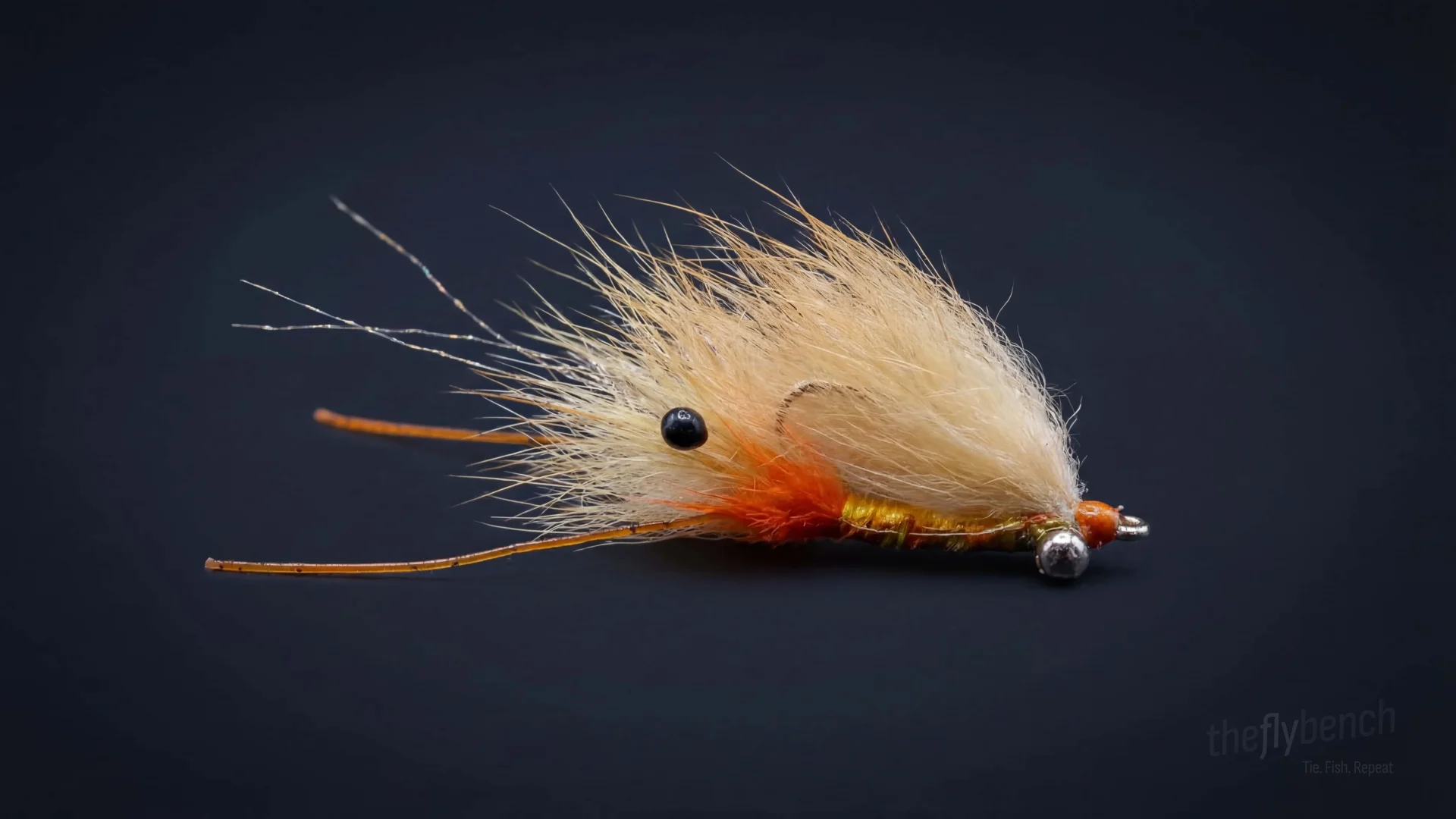
A saltwater shrimp imitation tied with arctic fox fur for the tail and collar, giving it fluid motion in the water. Finished with bead chain or dumbbell eyes and a dubbed or chenille body, it's ideal for bonefish or redfish in clear, shallow water.
Where to Buy This Fly
We only link to fly shops we trust. Some links are referral links, which may earn us a commission at no extra cost to you.
Materials
- Hook:
- Gamakatsu SL11-3H #4
- Weight:
- Beadchain, brass or Lead dumbbells
- Thread:
- Danville 140D
- Eye:
- Evil eye crustacean eyes
- Tail:
- red fox fur (Can substitute arctic fox fur)
- Egg sack:
- Arctic fox fur
- Body:
- Saltwater flashabou
- Wing:
- Red fox
Behavior & Presentation
Natural Behavior: Shrimp dart backward in quick bursts when threatened, settling onto sandy bottoms between movements as they filter-feed on detritus.
Where Trout Eat It: Gamefish patrol shallow flats, mangrove edges, and grass beds where shrimp are abundant during tidal movements.
How to Fish It: Slow, bouncing retrieves with deliberate pauses imitate fleeing shrimp settling between escape movements.
Best Water: Target flats, channel swings, drop-offs, and grass edges during incoming tides when shrimp move onto feeding areas.
Strike Type: Feel line acceleration and sudden weight, then strip-strike firmly to drive the hook home.
Fishing Strategy
Rigging Suggestions: Use a weight-forward floating line and a 9-foot, 12-lb leader for best results.
Seasonal Timing: Effective during peak feeding periods when water temperatures and conditions support active feeding behavior.
Pro Tips: The Foxy Shrimp sinks slowly, imitating a fleeing shrimp, and the UV resin shellback adds shine and durability. The tan craft fur body provides a natural silhouette.
Entomology
Saltwater shrimp inhabit shallow flats and mangrove edges, darting backward in quick bursts when threatened and settling onto sandy bottoms between movements. Their translucent bodies and flowing appendages create subtle underwater movements as they feed on detritus and small organisms. Fish hunt them aggressively because they're protein-rich, abundant in tidal zones, and their escape behavior makes them vulnerable during daylight feeding periods.
- Organism Type
- crustacean
- Life Stage
- general