Dry FliesIOBO Humpy
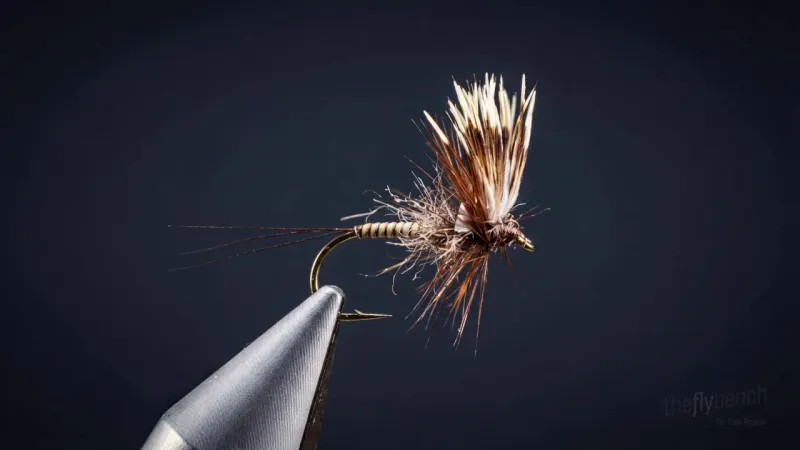
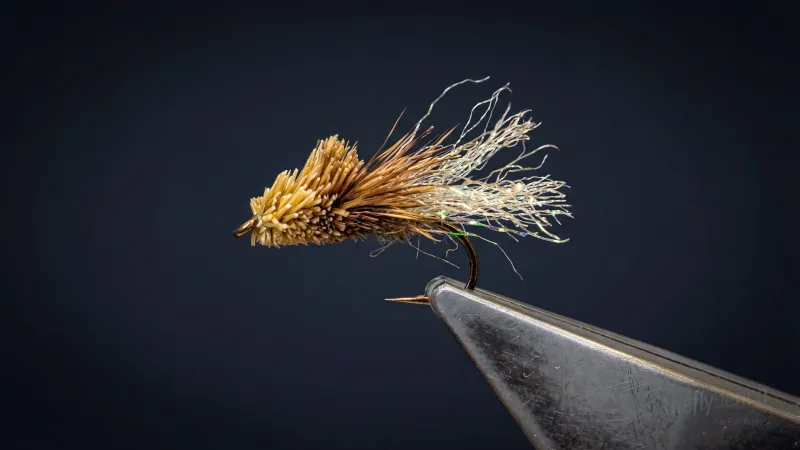
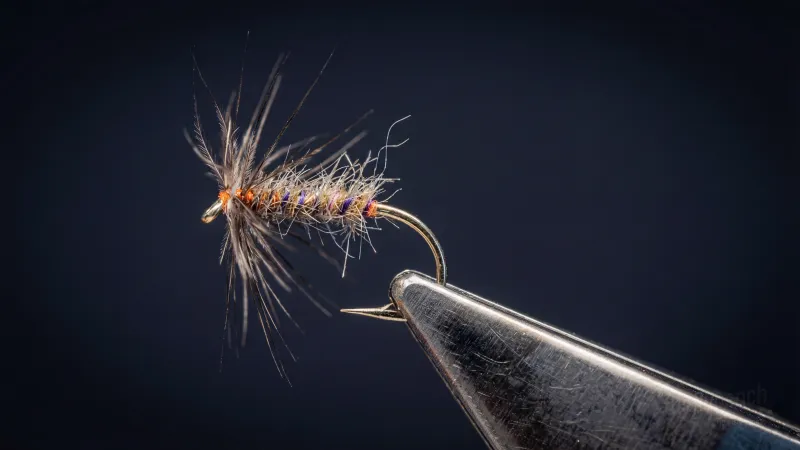
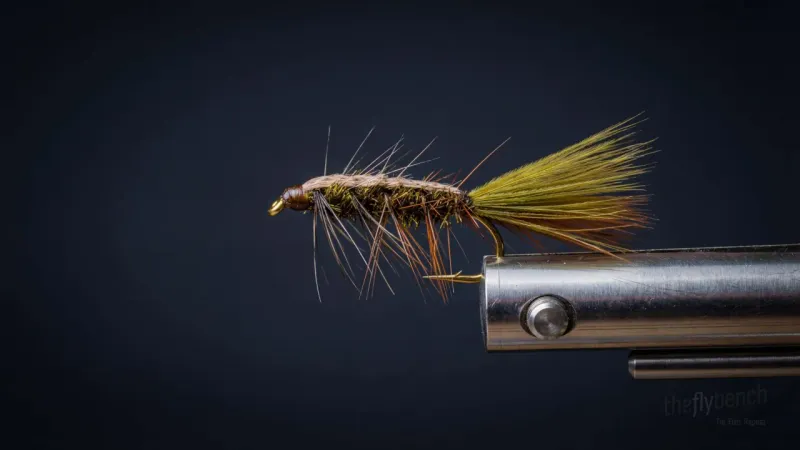
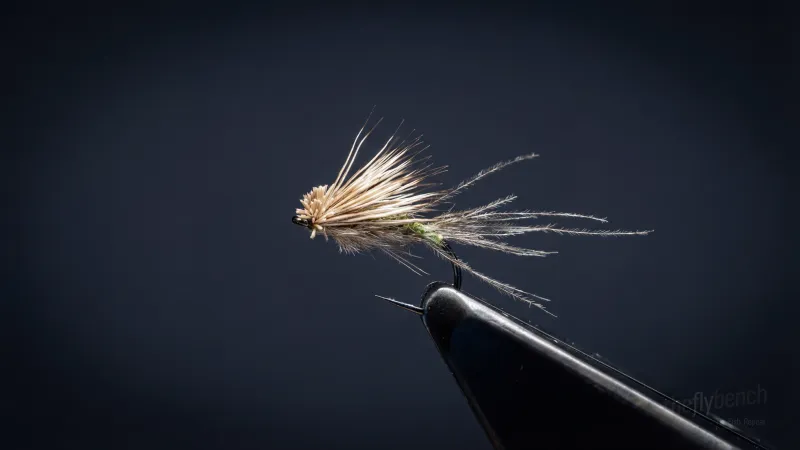
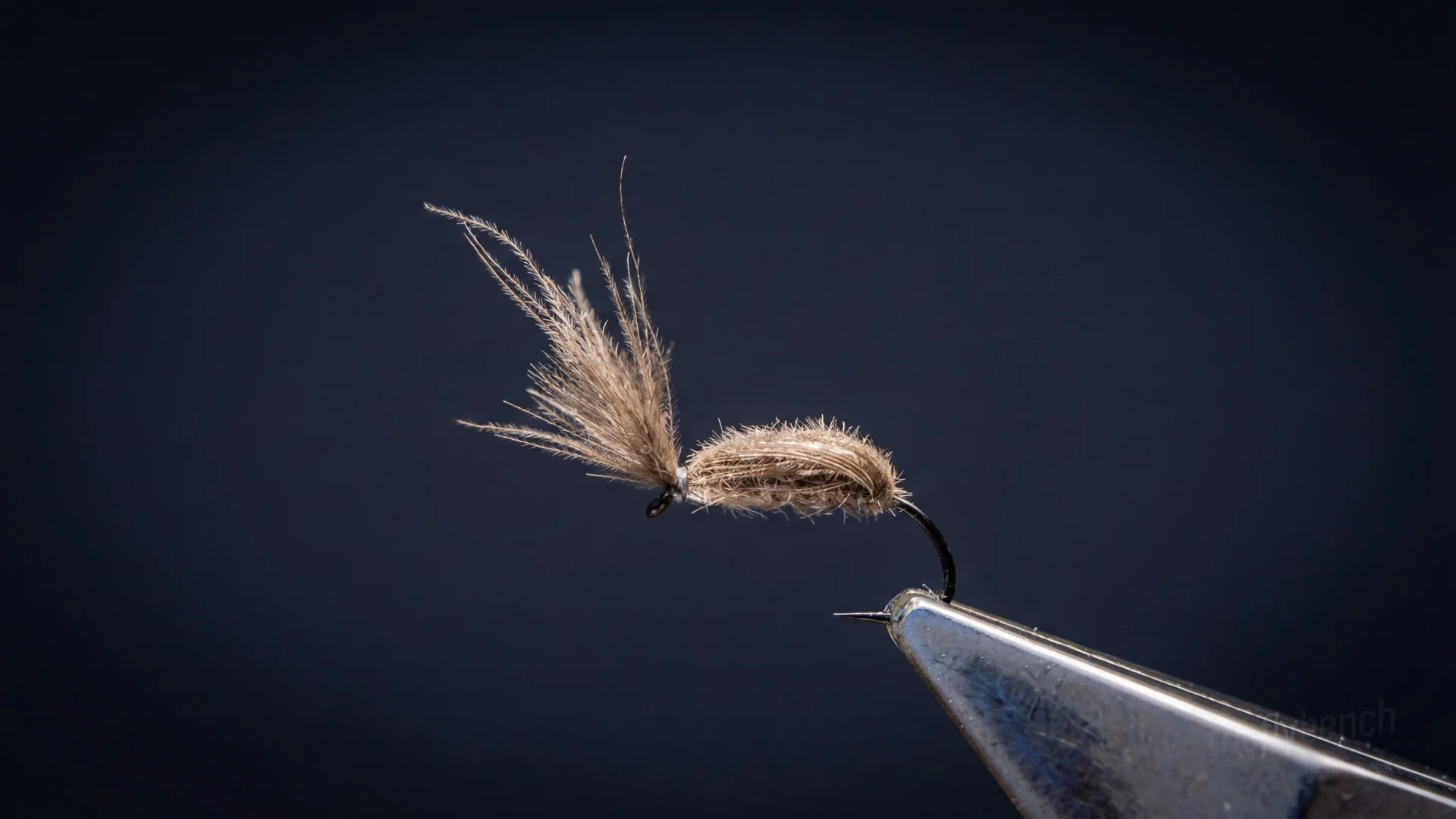
Jack Tucker designed the IOBO Humpy around a single material: Type 4 natural CDC feather, used for the body, shellback, and wing alike. The trapped air in the CDC barbs floats the fly and gives it a soft, mixed silhouette. It is a simple beginner tie for broken water where an exact match matters less than a buoyant, buggy shape.
Spring, Summer, Fall
Beginner
Trout
Feb 2026
Overview
Every visible part of the fly, body, shellback, and wing, comes from the same natural Type 4 CDC feather, tied in different ways rather than swapped for separate materials. The barbs trap air on contact with water, keeping the fly high and giving it a soft, indistinct outline that can pass for a mayfly or caddis depending on the water. Jack Tucker originated the design, and Hans Weilenmann's dressing keeps the tying simple enough for a beginner to reproduce. Its buoyancy and minimal material list make it a practical choice for fast, broken water and mixed hatches where exact imitation matters less than a durable float.
Where to Buy This Fly
We only link to fly shops we trust. Some links are referral links, which may earn us a commission at no extra cost to you.
Materials
- Hook:
- Tiemco 102Y #13-17
- Thread:
- Benecchi 12/0, grey
- Body/shellback/wing:
- CDC feather, natural (Type 4)
Behavior & Presentation
Natural Behavior: Caddisflies during mating swarms repeatedly bounce across turbulent water, touching down to lay eggs while strong currents knock them off balance. These struggling insects stand out against whitewater with their exaggerated movements and high-visibility profiles, making them easy targets for trout in fast pocket water where other food items are harder to track.
Where Trout Eat It: Trout strike high-floating CDC patterns in fast pocket water and turbulent runs where the fly sits high on the water despite challenging currents. Fish target the exaggerated silhouette during aggressive feeding when multiple food sources overlap in Northeast and UK waters.
How to Fish It: Dead drift through fast water and pocket water where the CDC construction floats like a cork. Use as strike indicator with nymph dropper 18-24 inches below. Apply gel floatant liberally though pattern slimes up quickly—bring changeouts.
Best Water: Riffle edges, pocket water, runs, and drop-offs in fast freestone rivers, targeting churning water behind boulders and turbulent currents where trout don't have time to inspect closely.
Strike Type: The high-floating CDC profile triggers explosive surface takes when fish can't inspect closely in fast water. Expect splashy grabs as trout commit quickly to the drifting silhouette before current sweeps it away.
Fishing Strategy
Rigging Suggestions: Use 7.5-9ft 3X-4X tippet for better turnover with this wind-resistant pattern. Apply gel floatant liberally to maintain high-riding profile through aggressive water. Can be used as a strike indicator with a nymph dropper 18-24 inches below.
Seasonal Timing: Prime time May through September during peak terrestrial and aquatic insect activity. July-August provides best action when grasshoppers, beetles, and caddis overlap because multiple food sources concentrate fish on the surface. Focus on midday fishing from 10 AM-4 PM during warmest hours when terrestrial activity peaks.
Pro Tips: The high visibility and buoyancy make this pattern excellent for using as a strike indicator with a nymph dropper. Fish it aggressively through fast water where trout don't have time to inspect closely.
Entomology
Caddisflies bounce across turbulent water during mating swarms, touching down repeatedly to lay eggs while fighting against strong currents that frequently knock them off balance. Trout in fast water target these struggling insects because the high-visibility profile and exaggerated movements make them stand out even in whitewater conditions where other food items are harder to track.
- Order
- Trichoptera
- Common Name
- Caddisfly
- Organism Type
- insect
- Life Stage
- adult