Dry FliesHumpy (generic)
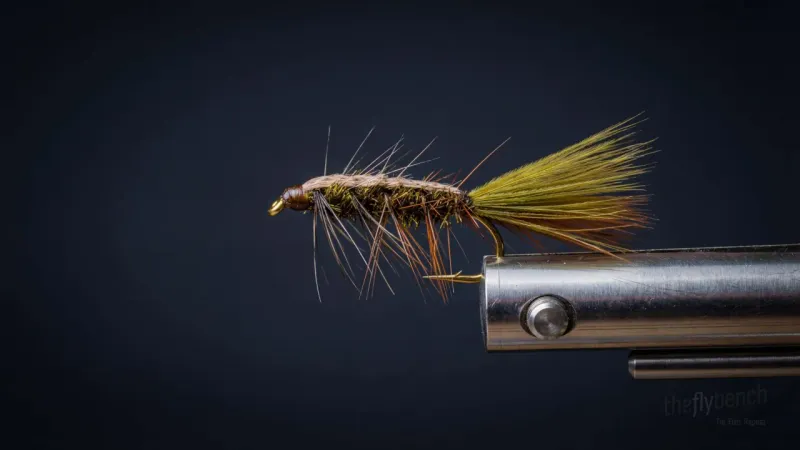
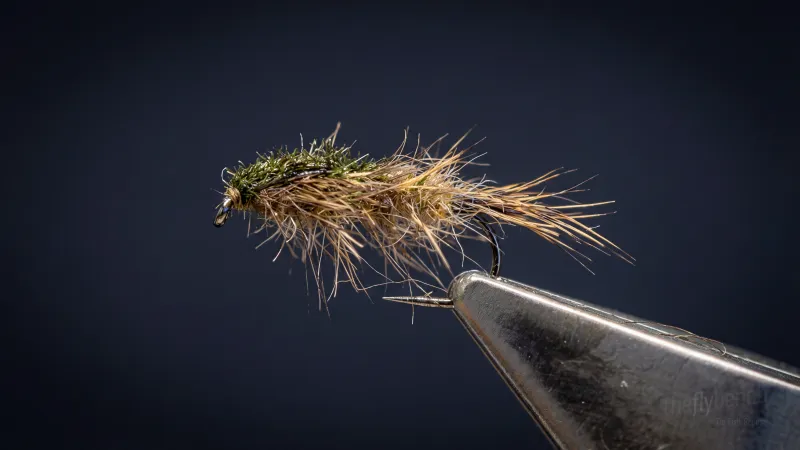
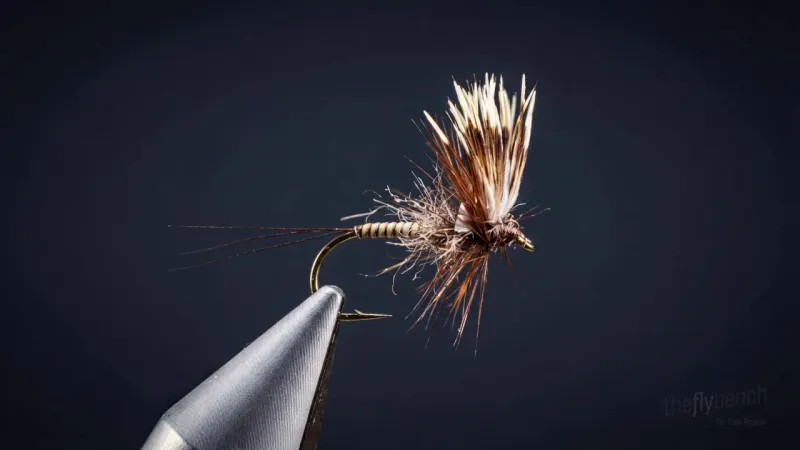
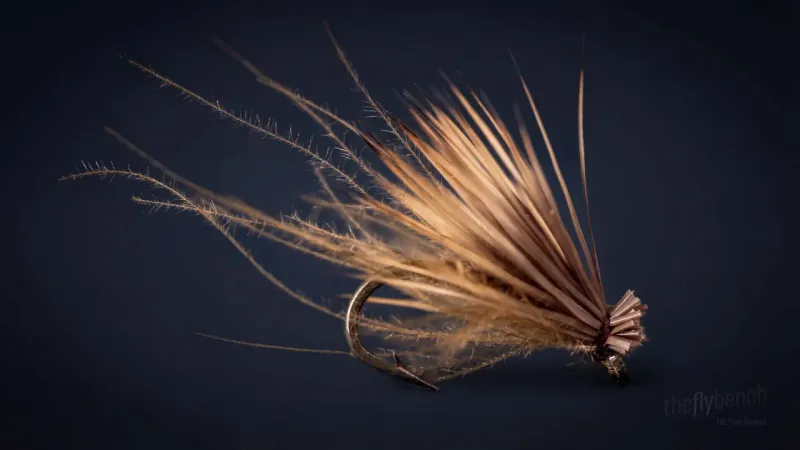
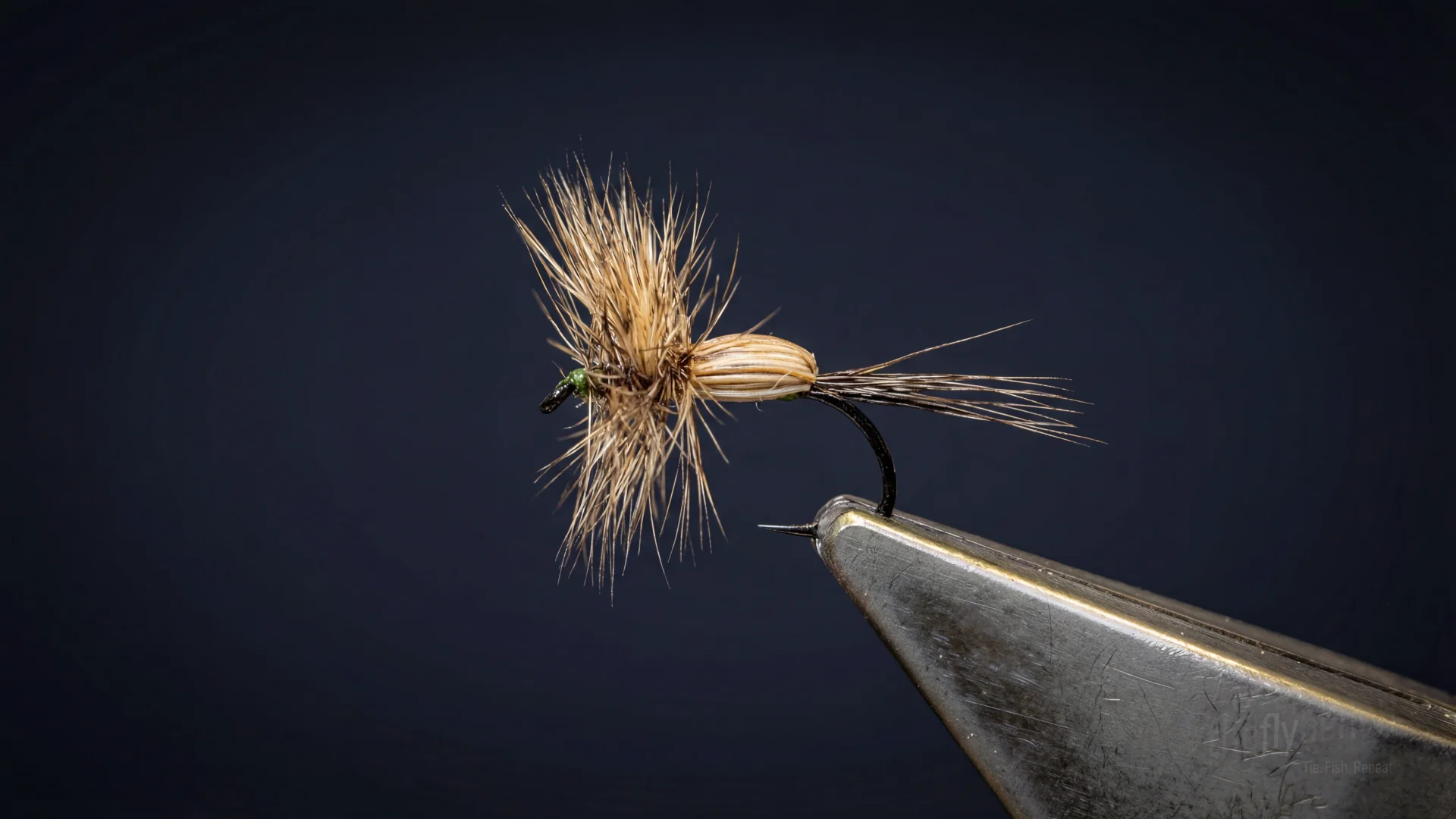
This Humpy variant strips the pattern down to an olive thread abdomen, a moose body hair tail, a deer hair shellback and wing, and dark-dun grizzly hackle. The deer hair keeps it riding high through broken water while the thin thread body adds a segmented look under the bulk. Its originator is unknown; this dressing is Hans Weilenmann's.
Spring, Summer, Fall
Intermediate
Trout
Feb 2026
Overview
A single deer hair pull forms both the shellback and wing, folded and tied down to trap air and support the fly on rough water, while the abdomen is nothing more than the tying thread itself, keeping the body slim under all that hair. Moose body hair forms the tail, and dark-dun-dyed grizzly hackle wraps the front for extra buoyancy and a buggy outline. With no fixed originator credited, this dressing is Hans Weilenmann's take on the style. Its bulk and hackle make it a searching pattern for pocket water and riffles where a mayfly or caddis silhouette is enough to draw a look.
Where to Buy This Fly
We only link to fly shops we trust. Some links are referral links, which may earn us a commission at no extra cost to you.
Materials
- Hook:
- Tiemco 102Y #15
- Thread:
- Benecchi 12/0, olive
- Tail:
- Moose body hair
- Shellback/wing:
- Deer hair
- Abdomen:
- Tying thread
- Hackle:
- Grizzly, dyed dark dun
Behavior & Presentation
Natural Behavior: Terrestrial insects and adult caddisflies struggle on the surface with wings and legs creating commotion and ripples. The bulky deer hair body and pronounced wing create high floatation and visibility, suggesting the substantial profile of large terrestrials or caddis in fast, broken water.
Where Trout Eat It: Freestone trout in tumbling pocket water and fast riffles grab this high-floating attractor. Fish hold behind boulders, rising explosively to bushy patterns visible in whitewater turbulence.
How to Fish It: Cast into pocket water and let the fly tumble through choppy currents. The buoyant deer hair hump stays high through turbulence.
Best Water: Focus on freestone pocket water behind boulders and turbulent riffle crests in 2-4 feet.
Strike Type: Trout in fast water attack aggressively with splashy rises; watch for the strike and set firmly when you see the disturbance.
Fishing Strategy
Rigging Suggestions: Use a 9-12 foot leader tapering to 5X tippet for delicate presentations. Apply floatant to the body and hackle.
Seasonal Timing: Most effective during peak feeding periods at dawn and dusk. Water temperatures between 45-65°F typically produce best results.
Pro Tips: Floats well with proper floatant application. The natural materials provide good visibility without spooking wary fish.
Entomology
Caddisflies exhibit erratic flight patterns above the water before crash-landing on the surface, then flutter and hop in attempts to become airborne again while getting swept downstream. Trout respond to these active surface disturbances because the chaotic movements trigger aggressive feeding responses, and the high-profile silhouettes are easily visible in broken water.
- Order
- Trichoptera
- Common Name
- Caddisfly
- Organism Type
- insect
- Life Stage
- adult