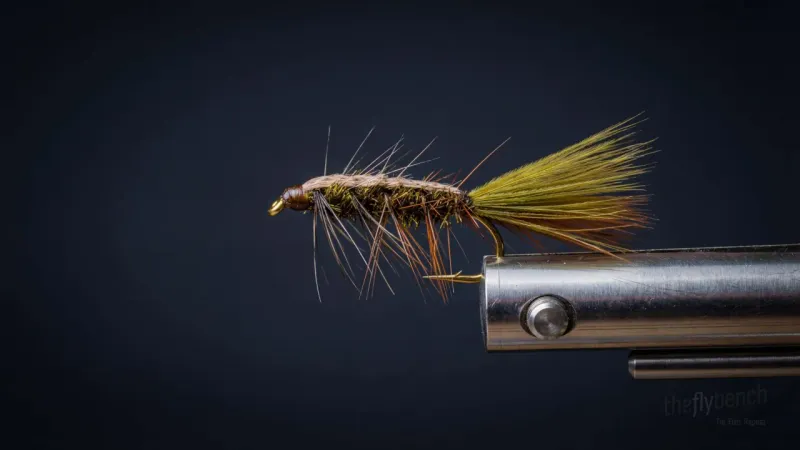
Dry FliesImproved Baetis Sparkle Dun
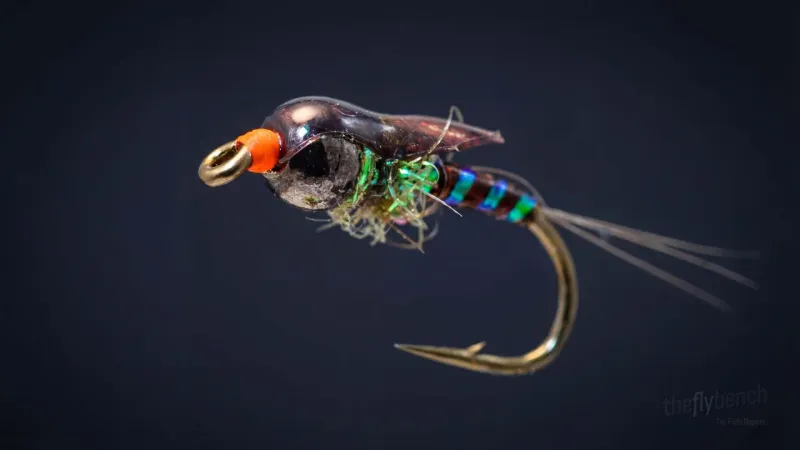
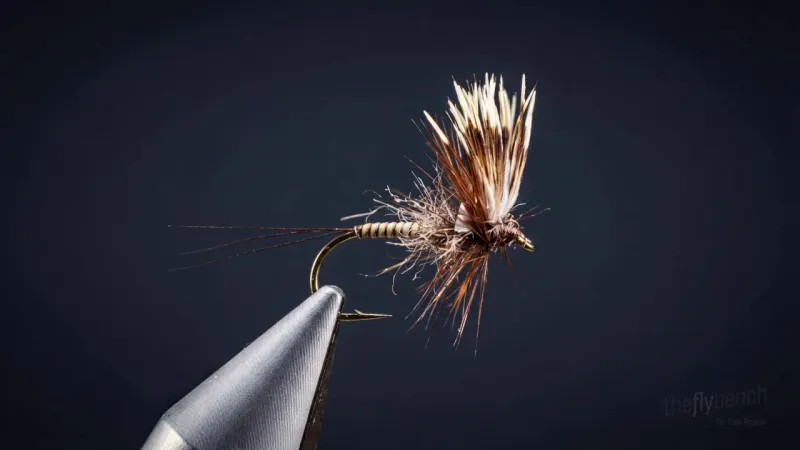
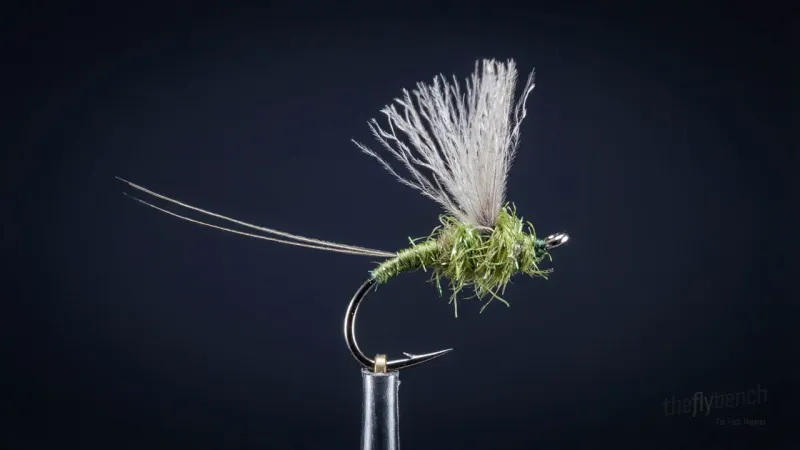
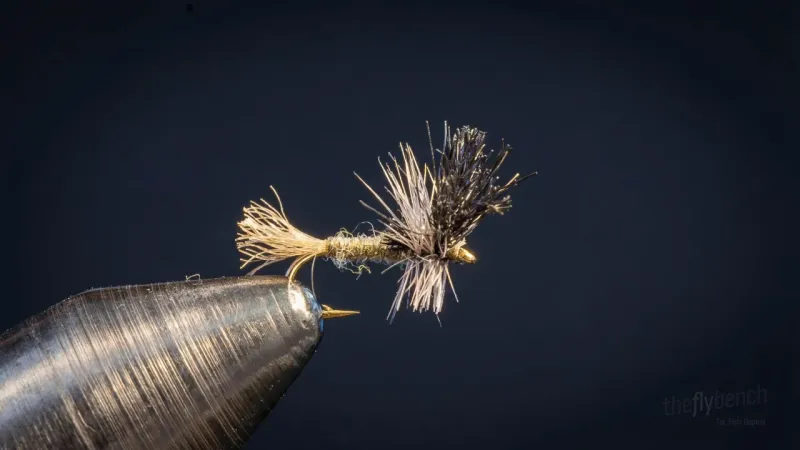
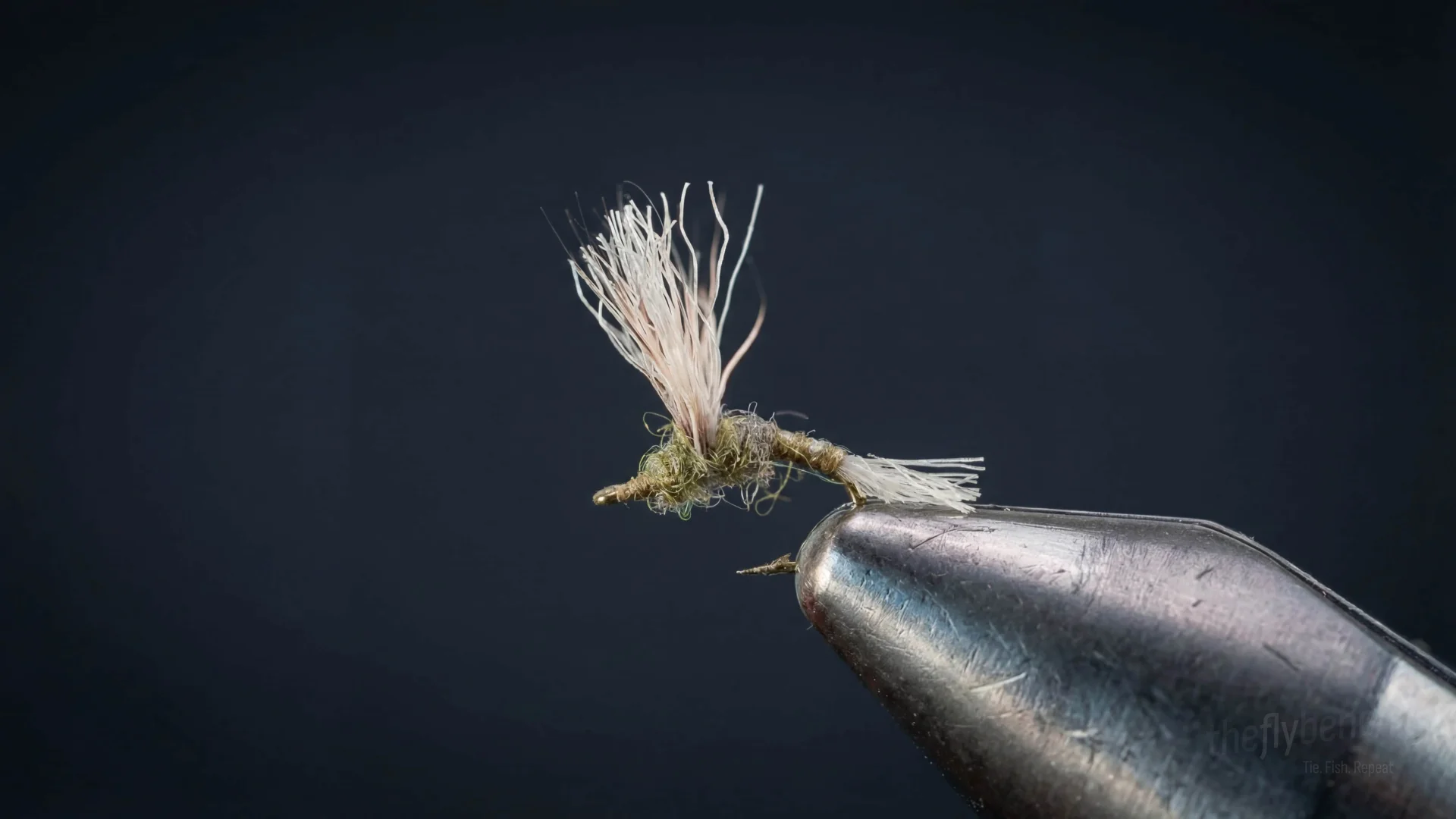
The Improved Baetis Sparkle Dun is an enhanced version of the classic Sparkle Dun designed specifically for Blue-Winged Olive mayflies. The sparkle dun deer hair wing creates an impressionistic wing profile, while the trailing Zelon shuck and grey olive dubbing body complete the emerger silhouette. This pattern excels during selective Baetis feeding.
Spring, Fall
Intermediate
Trout
Dec 2025
Overview
The Improved Baetis Sparkle Dun was developed at Blue Ribbon Flies as a refinement of Craig Mathews' original Sparkle Dun pattern. The improvements include refined proportions and color matching specifically for Baetis mayflies. The sparkle dun deer hair creates an impressionistic wing that fish find convincing without the bulk of traditional wings.
Where to Buy This Fly
We only link to fly shops we trust. Some links are referral links, which may earn us a commission at no extra cost to you.
Materials
- Hook:
- Tiemco 2488 or Umpqua U201, #20
- Thread:
- Uni-Thread, 8/0, olive dun
- Shuck:
- Crinkled Zelon, medium dun
- Thorax:
- Superfine Dubbing, grey olive
- Wing:
- Sparkle Dun Deer Hair, natural or dyed dun
Behavior & Presentation
Natural Behavior: Blue-winged olive duns split their nymphal shucks at the water surface, floating momentarily with partially expanded wings while trapped in surface tension. These vulnerable emergers remain motionless in the film for brief seconds before taking flight, their olive-grey bodies and emerging wing silhouettes creating the classic BWO profile that triggers selective feeding during dense overcast-weather hatches.
Where Trout Eat It: Trout feed selectively on this during BWO hatches, sipping flies in predictable feeding lanes.
How to Fish It: Fish on 6X-7X tippet with slack-line casts to prevent drag. The pattern rides very low in the film naturally.
Best Water: Spring creek seams and riffle edges where BWO emergers concentrate in soft-water lanes.
Strike Type: Selective trout sip emergers with quiet confidence—watch for subtle rise forms in established feeding lanes as fish intercept drifting duns with barely perceptible surface disturbance, then set smoothly when the rise appears.
Fishing Strategy
Rigging Suggestions: Fish on 12-15 foot leader with 6X-7X tippet. The small hook sizes demand fine tippet and accurate casting.
Seasonal Timing: (March-May) and fall (September-November) Baetis hatches. These are the peak times for BWO activity on most waters.
Pro Tips: Pattern rides low in the film like a natural emerger. May need periodic drying on smaller sizes.
Entomology
Blue-winged olive duns emerge from the nymphal shuck at the water surface, floating momentarily with partially expanded wings before taking flight. Trout target these vulnerable emergers during the brief window when they're trapped in the surface tension and cannot escape.
- Order
- Ephemeroptera
- Family
- Baetidae
- Common Name
- Blue-Winged Olive
- Organism Type
- insect
- Life Stage
- adult