Dry FliesBWO Thorax
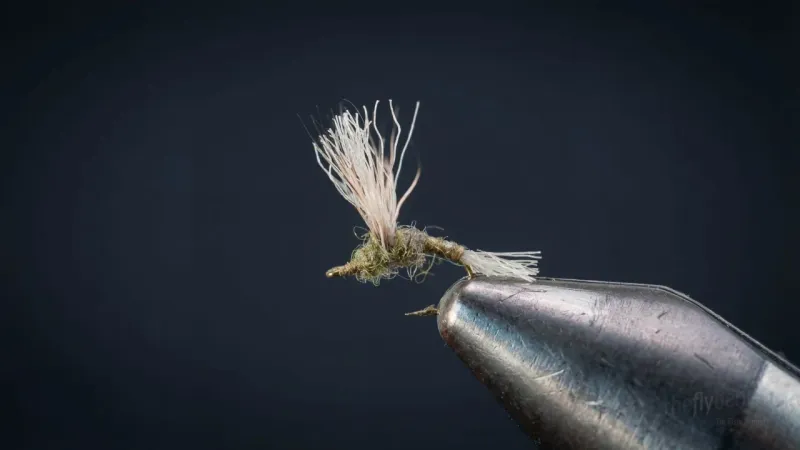
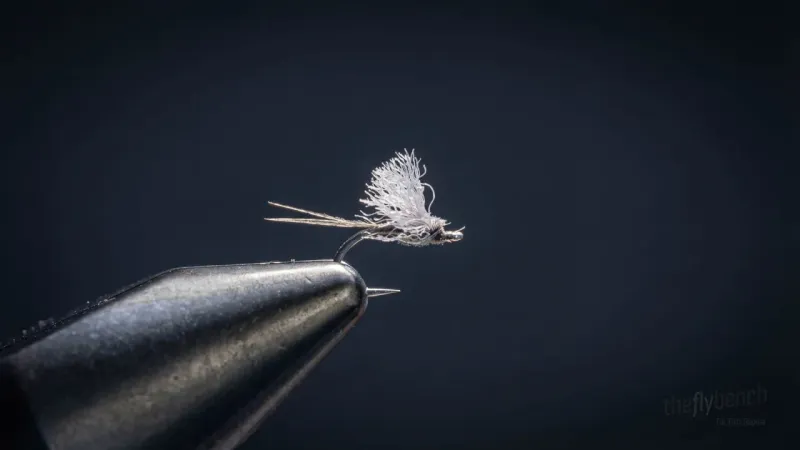
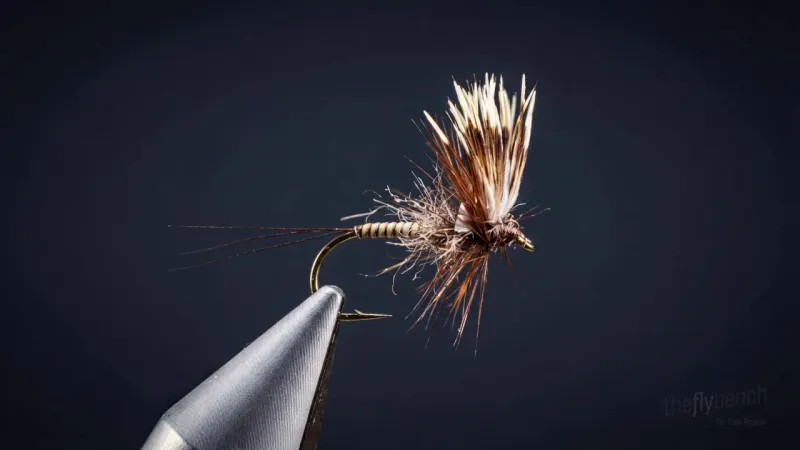
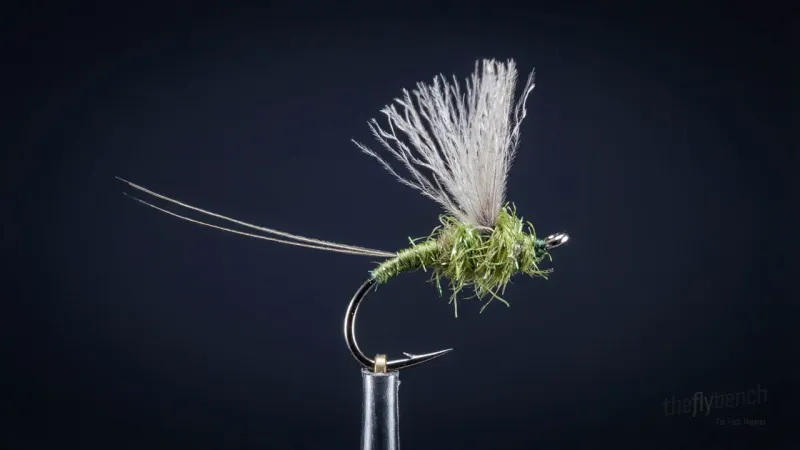
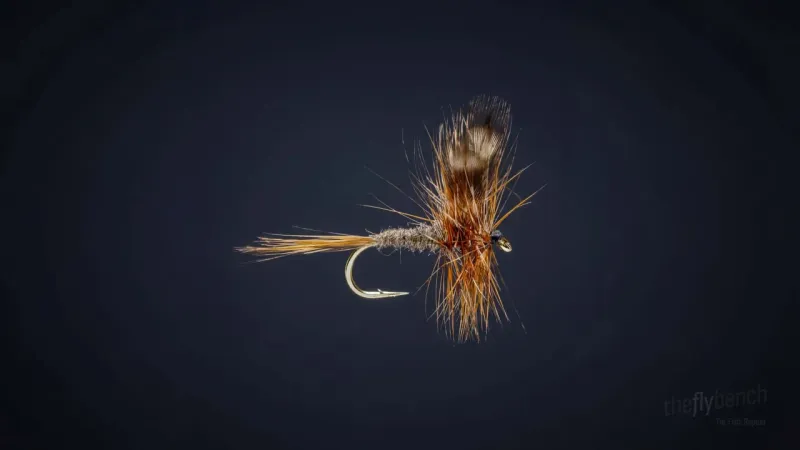
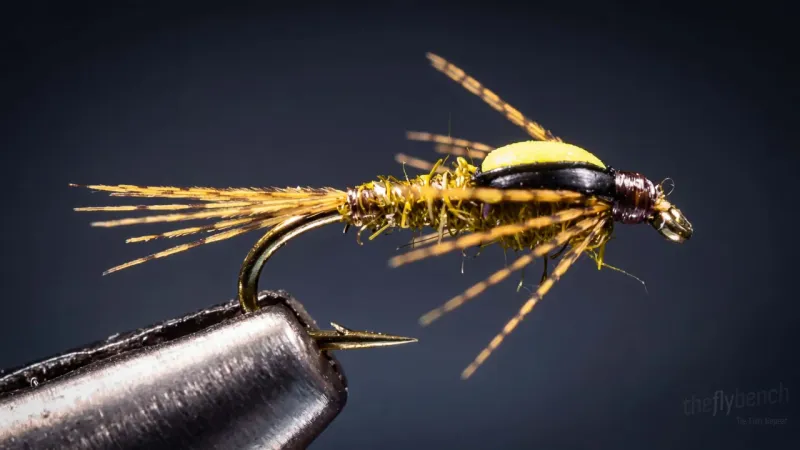
The BWO Thorax is a classic dry fly pattern that's been fooling trout for decades. This fly is designed to imitate a Blue Wing Olive mayfly, which are prolific in many rivers and streams.
Spring, Fall
Intermediate
Trout
Apr 2025
Overview
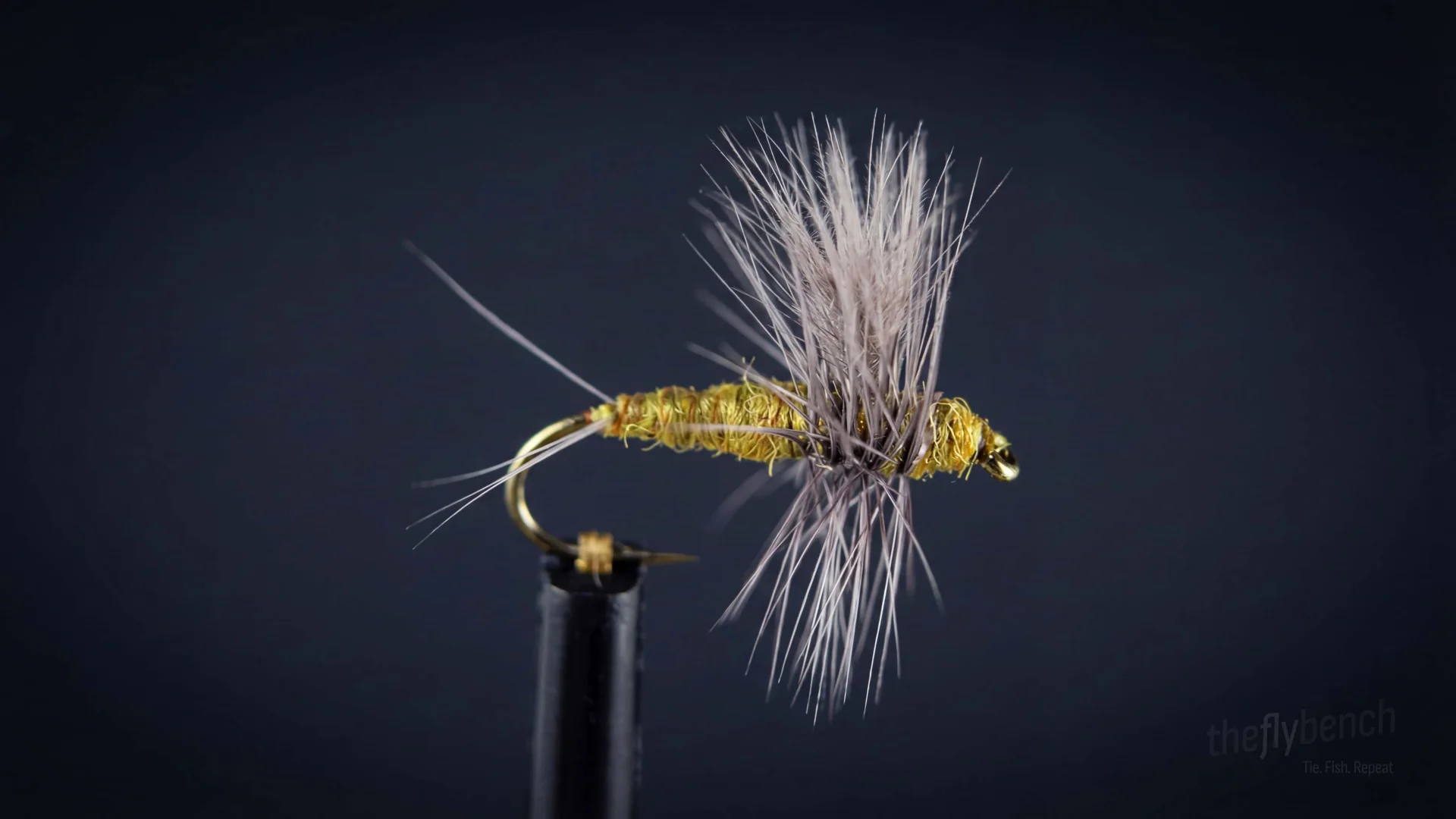
Tied to sit flush in the surface film, the BWO Thorax features an upright parachute-style hackle and a thorax-heavy body. Use a fine synthetic or natural dubbing for the body, a sparse tail (typically microfibbets), and a parachute post with grizzly hackle wrapped horizontally. Keep the thorax slightly bulkier to simulate the natural's proportions.
Where to Buy This Fly
We only link to fly shops we trust. Some links are referral links, which may earn us a commission at no extra cost to you.
Materials
- Hook:
- Tiemco 100, size #18–#22
- Thread:
- Olive UNI-Thread 8/0
- Tail:
- Coq de Leon fibers
- Body:
- Olive superfine dubbing
- Wing:
- Dun CDC feathers
- Hackle:
- Grizzly rooster hackle
Behavior & Presentation
Natural Behavior: Duns emerge prolifically during overcast, drizzly conditions when other mayflies are absent, struggling noticeably in choppy water during extended midday hatches lasting hours.
Where Trout Eat It: Fish feed steadily on these small duns during marginal weather, capitalizing on predictable emergence and prolonged surface drift time.
How to Fish It: Dead drift with low profile, matching the struggling behavior in rough water that extends vulnerability windows.
Best Water: Most productive in slicks, foam lines, current seams, and tail-outs during overcast conditions when BWO hatches blanket the surface.
Strike Type: Steady, confident rises as fish sustain efficient surface feeding during extended hatches when other food sources are absent.
Fishing Strategy
Rigging Suggestions: Use 6X-7X tippet on a 10-15 foot leader for drag-free drifts over selective trout. The CDC and hackle provide natural buoyancy without requiring heavy applications of floatant.
Seasonal Timing: Prime during (April-June) and (September-November) when Blue-Winged Olive hatches are most prolific. Most effective when water temperatures are 42-58°F and during overcast, drizzly conditions.
Pro Tips: The thorax-style tie creates a low-floating silhouette that mimics a struggling or crippled mayfly. Size down to 18-22 during heavy hatches when trout become selective. Watch for subtle sipping rises rather than splashy takes.
Entomology
Blue-Winged Olive duns emerge prolifically during overcast, drizzly conditions when other mayflies are absent, blanketing the surface during extended midday hatches that can last hours. These small mayflies struggle noticeably in choppy water or light rain, prolonging their surface drift time. Trout feed steadily on BWO duns because their predictable emergence during marginal weather and extended vulnerability window allows for sustained, efficient surface feeding when most other food sources are unavailable.
- Order
- Ephemeroptera
- Family
- Baetidae
- Common Name
- Blue-Winged Olive
- Organism Type
- insect
- Life Stage
- adult