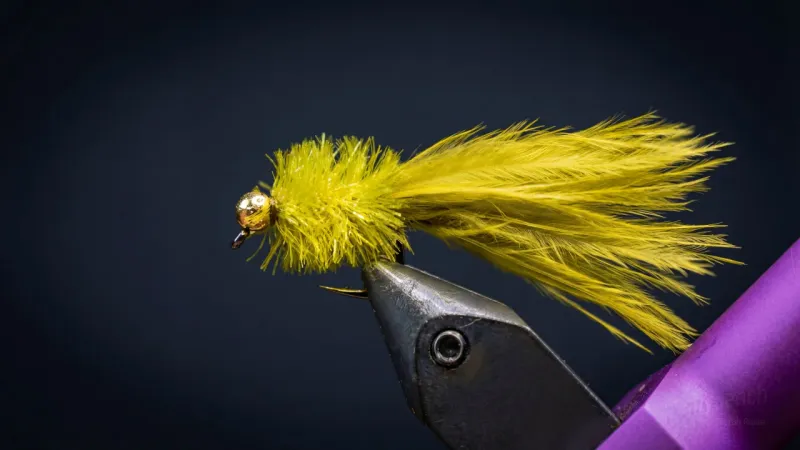
LeechHot Head Mohair Leech
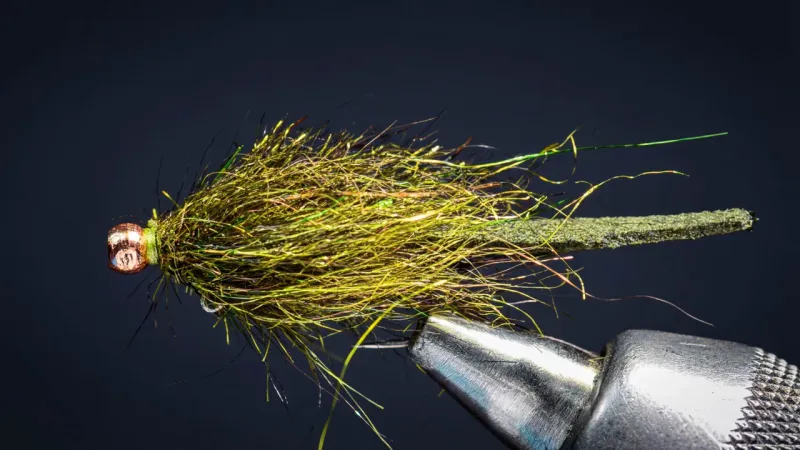
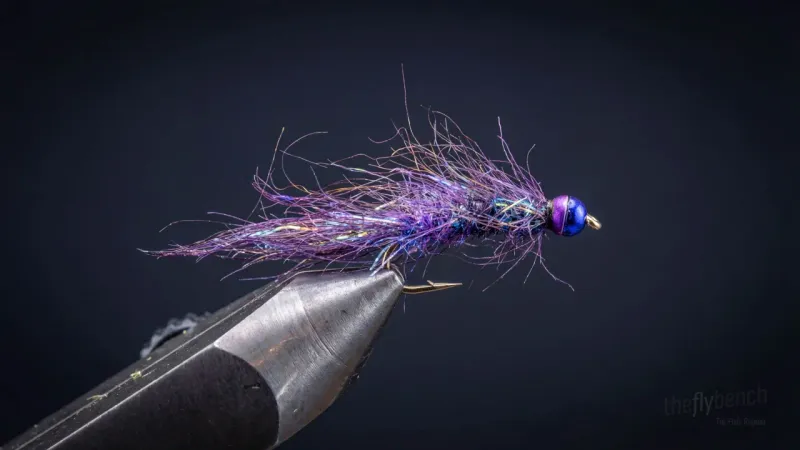
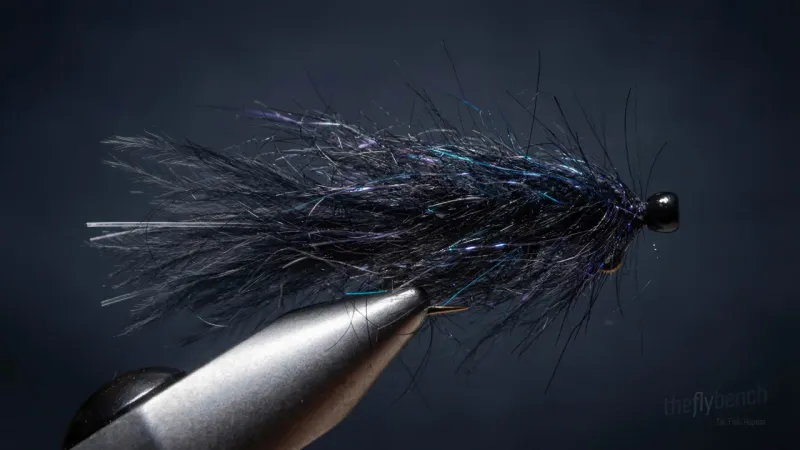
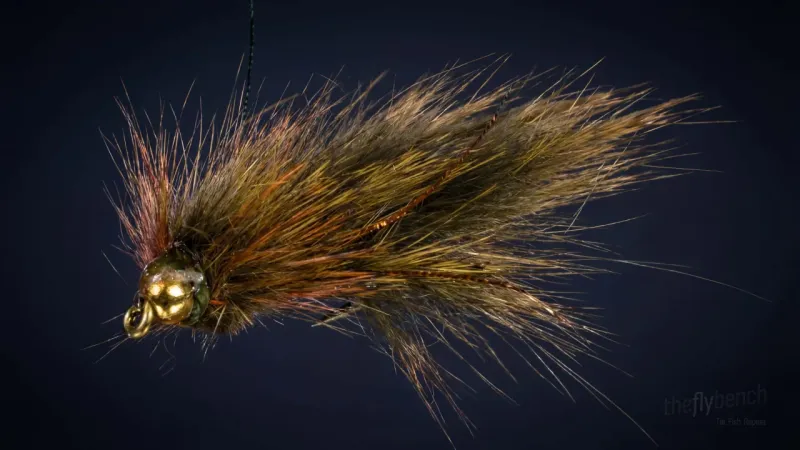
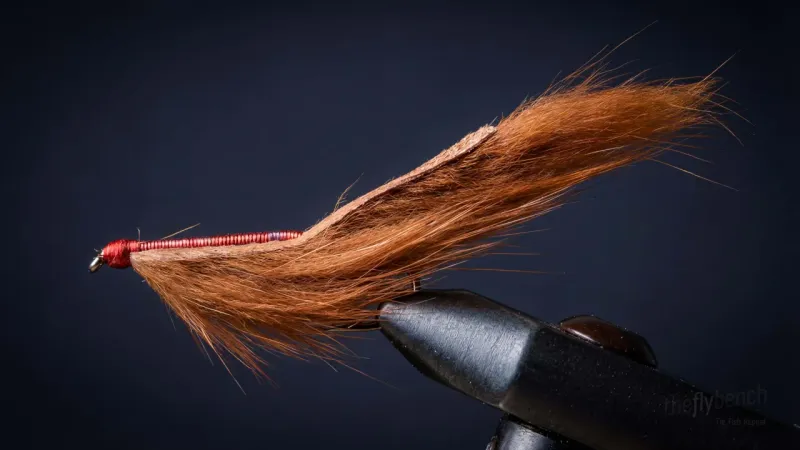
Simple yet effective leech pattern combines the undulating action of mohair with a bright tungsten bead hotspot. The sparse mohair body creates lifelike movement in the water while remaining easy to cast. An excellent stillwater pattern that also performs well in slow-moving river sections where leeches are present.
Year Round
Beginner
Trout
Dec 2025
Overview
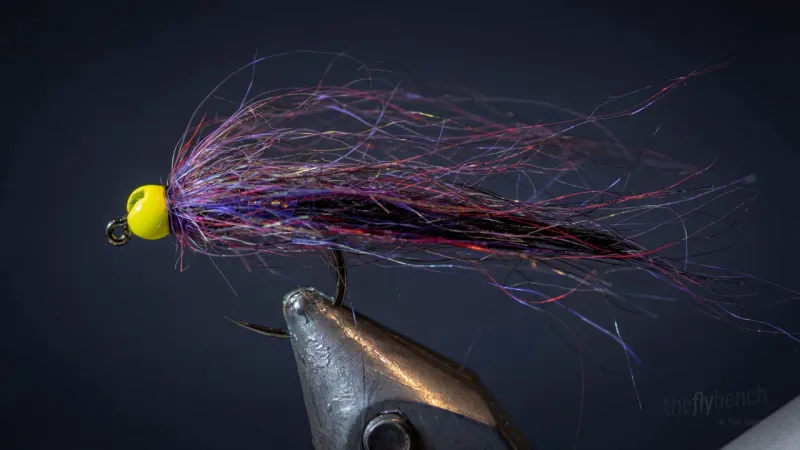
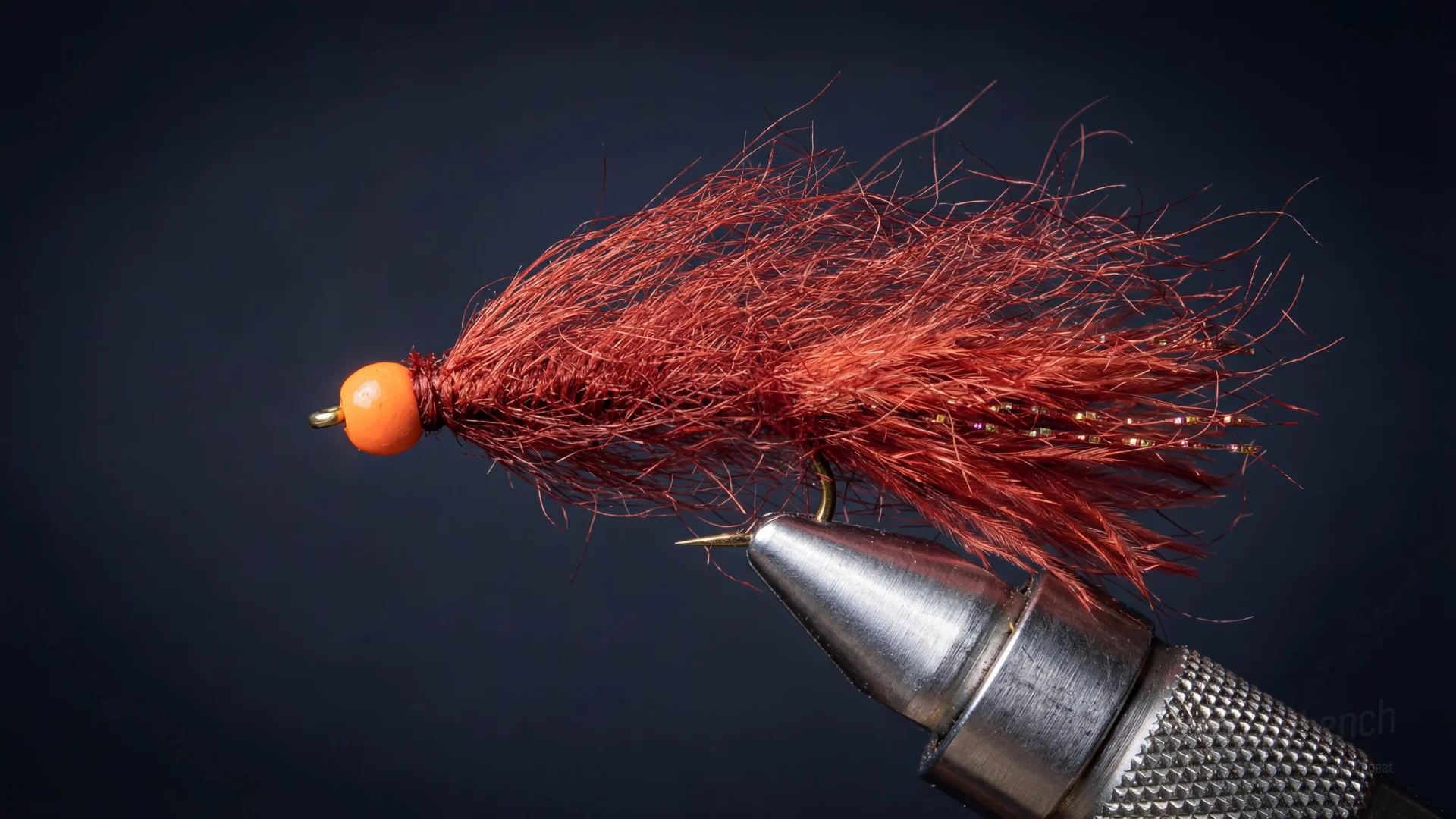
This pattern developed in the 2000s exemplifies the effectiveness of simplicity in leech imitations. The mohair yarn provides excellent movement without the bulk of rabbit fur, making it easier to cast on lighter rods. The hot-colored bead serves as both weight and an attractor element, triggering strikes from curious trout. Tied in various colors including olive, brown, and purple to match local leech populations. Most effective in sizes #4-10 for typical leech sizes.
Materials
Hook: Standard streamer hook, #8–#12
Thread: 6/0, black
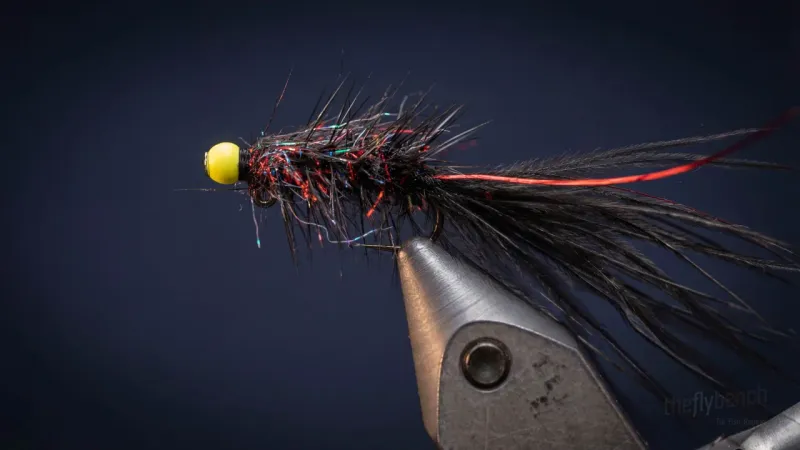
Bead: Tungsten bead, 3.5mm, fluorescent orange or chartreuse
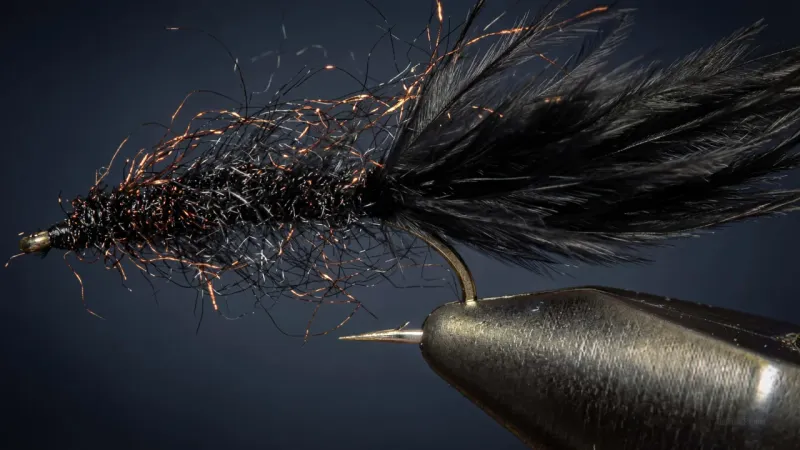
Tail: Black marabou
Body: Black mohair yarn, palmered
Behavior & Presentation
Natural Behavior: Migrating leeches orient tail-up as they ascend from lake bottoms, swimming toward surface layers with head-down posture. The fluorescent orange bead positioned at the pattern's head mimics the bright spot created when sunlight illuminates a leech's anterior end during vertical migrations, while the mohair body undulates naturally at any retrieve speed.
Where Trout Eat It: Trout intercept this in mid-water as leeches migrate vertically from lake bottoms toward surface layers.
How to Fish It: Strip with irregular pauses mimicking swimming leech. The tungsten bead creates jigging action during retrieve.
Best Water: Drop-offs and channel swings where leeches transit between shallow and deep structure.
Strike Type: Mid-retrieve strikes arrive as sharp taps followed by steady pressure—the tungsten bead's jigging action creates the initial strike cue, then trout clamp down and turn, requiring an immediate firm strip to drive the hook home.
Fishing Strategy
Rigging Suggestions: Fish on a 9-foot leader tapered to 3X or 4X fluorocarbon tippet. Use a floating line with long leader in shallow water (3-8 feet), or sink-tip line for deeper presentations (8-15 feet). Can be fished as a single fly or as part of a two-fly lake rig.
Seasonal Timing: Effective , particularly productive March-May and September-November in and when leeches are most active. In lake, fish during low-light conditions for best results.
Pro Tips: The tungsten bead provides a medium-fast sink rate, reaching depths of 3-6 feet quickly. The hot-colored bead is highly visible to fish while the dark body silhouettes naturally against the surface.
Entomology
Leeches orient vertically in the water column during seasonal migrations, swimming upward from lake bottoms toward surface layers where they feed on zooplankton and organic matter. Trout intercept these ascending leeches throughout the water column, striking at the distinctive tail-up swimming posture that signals an easy meal.
- Organism Type
- leech
- Life Stage
- general