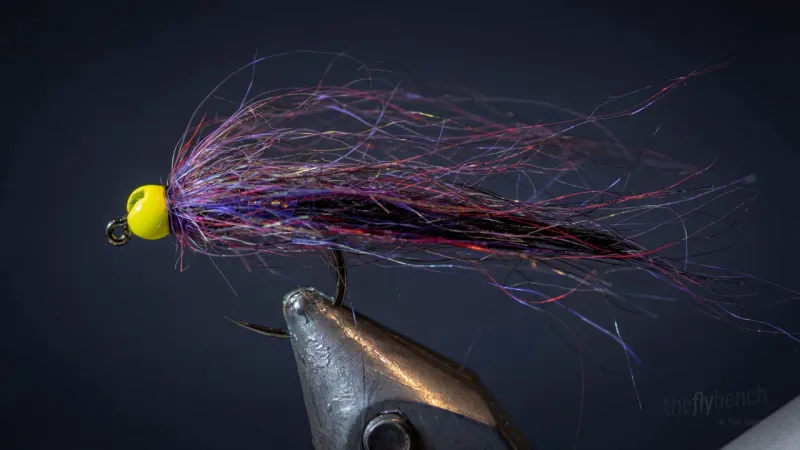
LeechFritz Leech
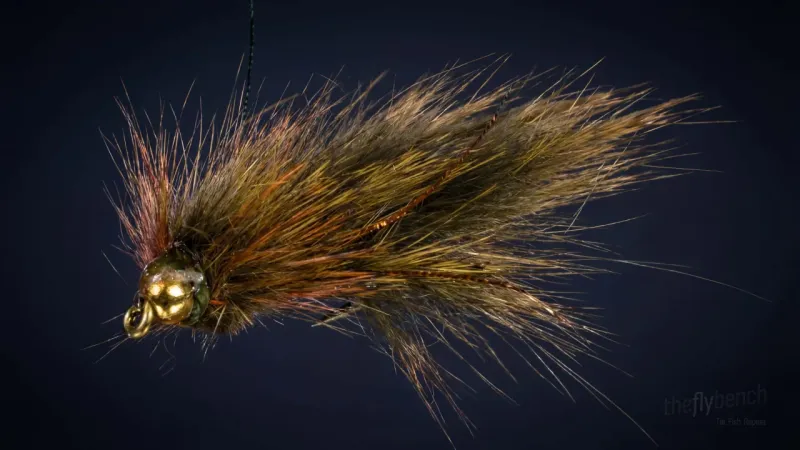
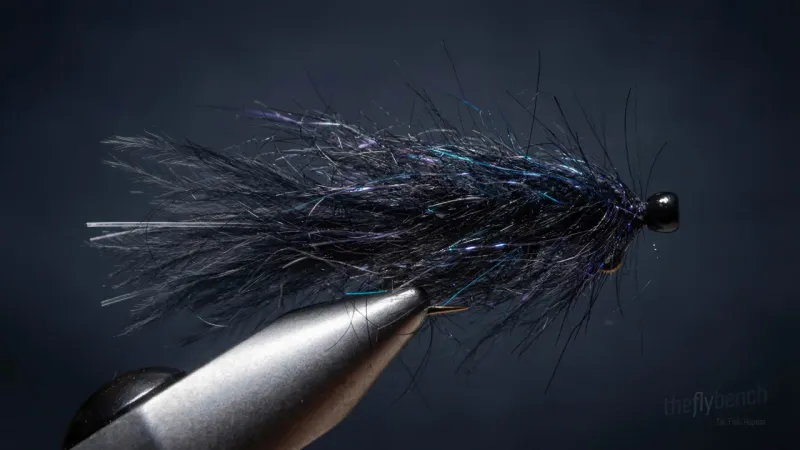
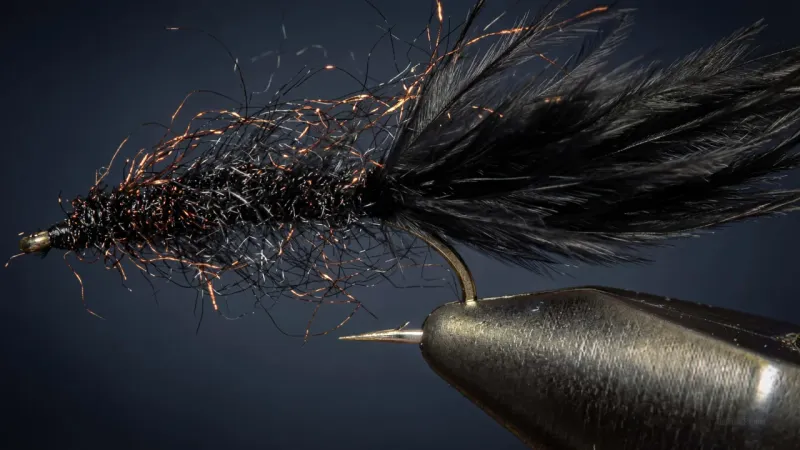
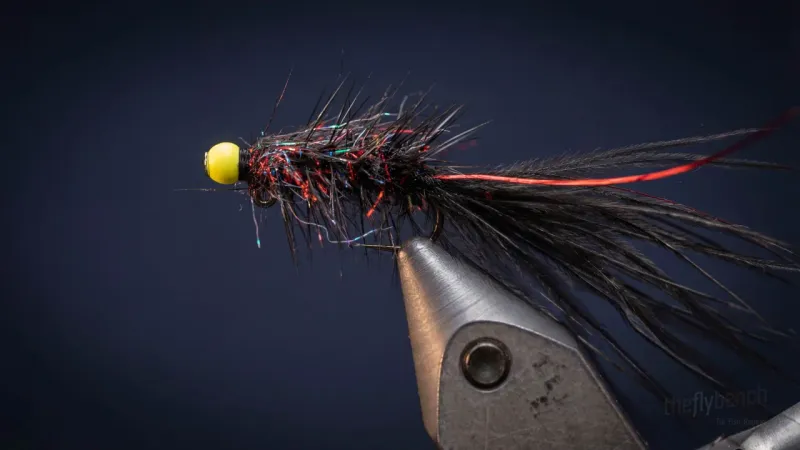
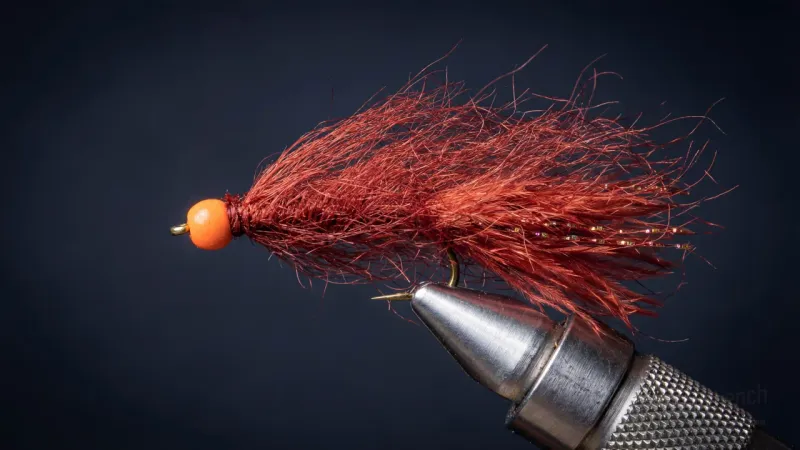
The Fritz Leech is a simple stillwater pattern that combines the sparkle of fritz chenille with the movement of marabou. Developed for UK stillwater fishing, this pattern creates an irresistible combination of flash and motion that triggers aggressive strikes. The weighted head gets the fly into the zone quickly while the marabou tail pulses enticingly.
Year Round
Beginner
Trout
Dec 2025
Overview
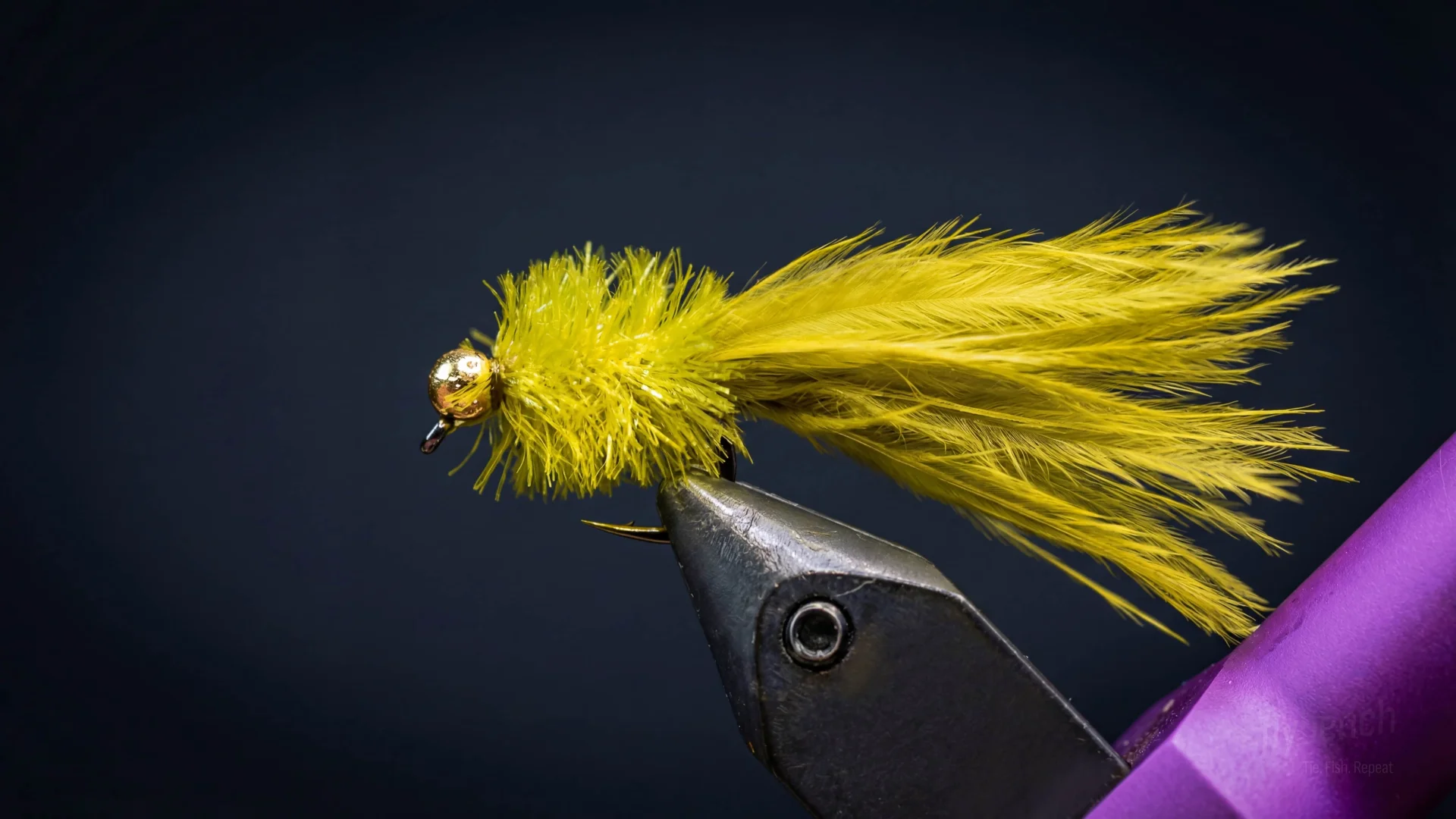
Fritz is a UK term for a sparkling chenille material with embedded flashy fibers, similar to Crystal Chenille in the US. This pattern originated in British stillwater fisheries where it remains a staple for targeting rainbow trout. The pattern's effectiveness lies in its simplicity - the flash of the fritz body combined with the undulating marabou tail creates an irresistible combination. Tied in black, olive, and claret variations.
Materials
Hook: Wet fly hook or short shank streamer, #8–#12
Thread: 6/0 or 140 denier, black
Bead: Tungsten or brass bead, 3.0–4.0mm, black or copper (optional)
Tail: Black marabou
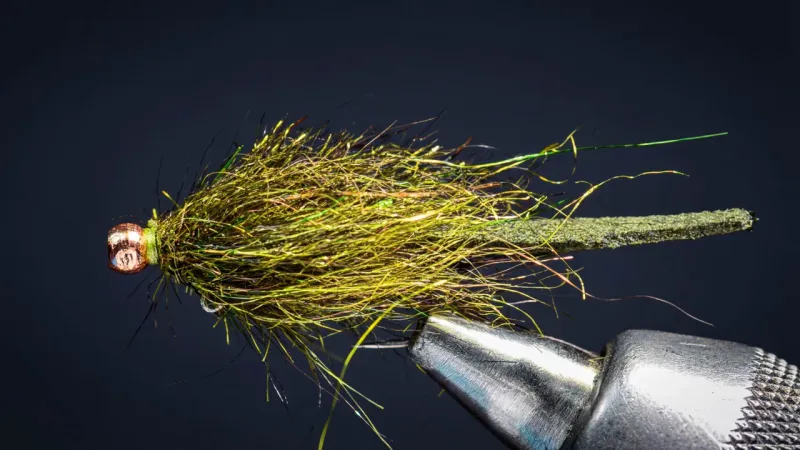
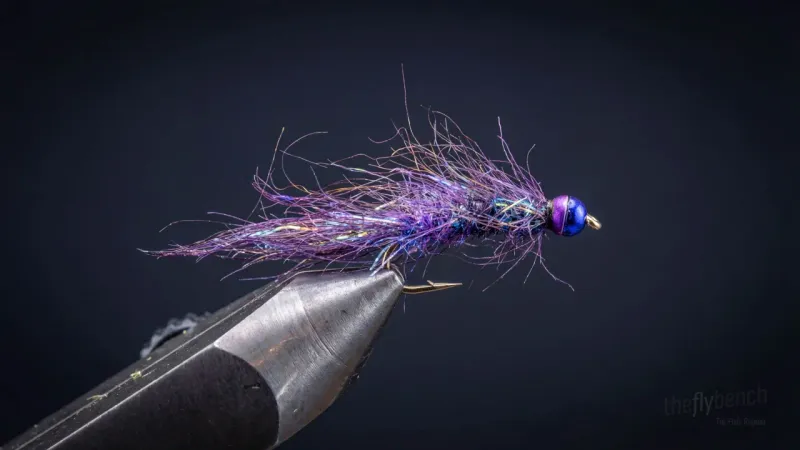
Body: Fritz chenille (micro fritz), black
Head: Thread or bead
Behavior & Presentation
Natural Behavior: Reservoir leeches transition between benthic crawling and open-water swimming, their bodies creating smooth undulations as they cross deep zones. The sparkling fritz chenille captures how light plays across a leech's wet body during migration, the embedded flash mimicking the subtle sheen visible when leeches swim through mid-depth strata in UK stillwaters.
Where Trout Eat It: Trout ambush this throughout the water column in UK reservoirs, from bottom structure to mid-water feeding zones.
How to Fish It: Fish as point fly in three-fly team. Use slow hand-roll retrieve or varied strip retrieve based on fish activity.
Best Water: Reservoir drop-offs and dam faces where constant sparkle creates visibility in murky conditions.
Strike Type: Fish grab confidently during active retrieves—feel a solid weight as the line draws tight, then respond with a smooth upward sweep rather than a sharp strike to avoid pulling the fly away.
Fishing Strategy
Rigging Suggestions: Fish on 9-12 foot leader with 4X-5X fluorocarbon tippet. Effective on floating, intermediate, and sinking lines depending on target depth. Works well as part of a two or three-fly team, often fished on the point with smaller patterns on droppers.
Seasonal Timing: effectiveness in lake environments. Particularly productive during periods when trout are actively feeding.
Pro Tips: Sink rate depends on bead weight - faster with tungsten, slower without bead. The fritz chenille creates constant sparkle throughout the retrieve, increasing visibility in murky water.
Entomology
In stillwater environments, leeches alternate between crawling along bottom substrates and free-swimming across deeper zones, their bodies creating sinuous S-curves during migration. The consistent availability and substantial size of leeches make them priority targets for trout looking to maximize caloric intake with minimal feeding effort.
- Organism Type
- leech
- Life Stage
- general