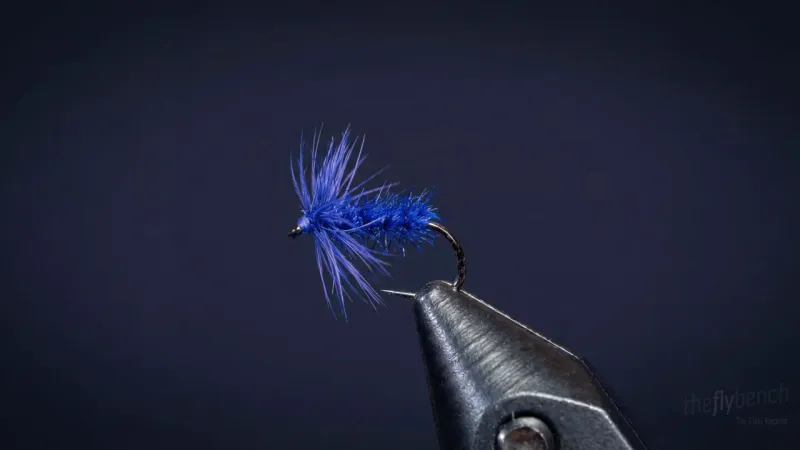
Overview
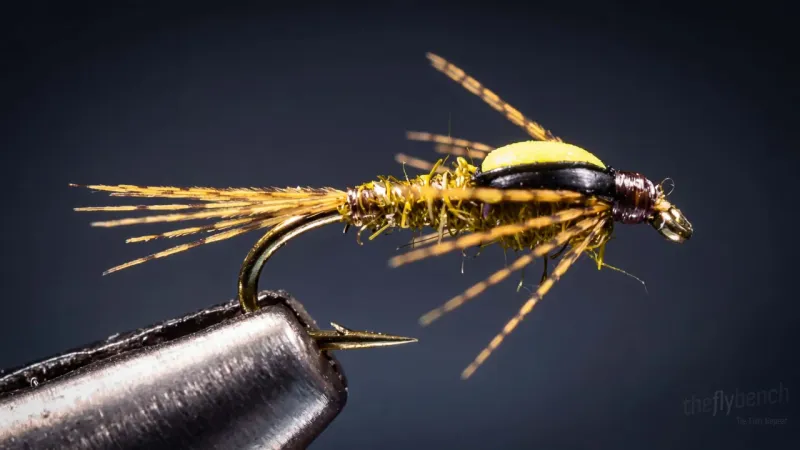
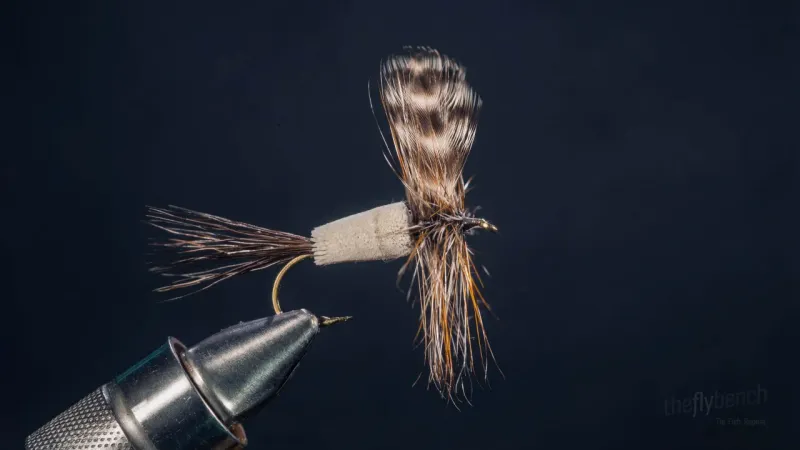
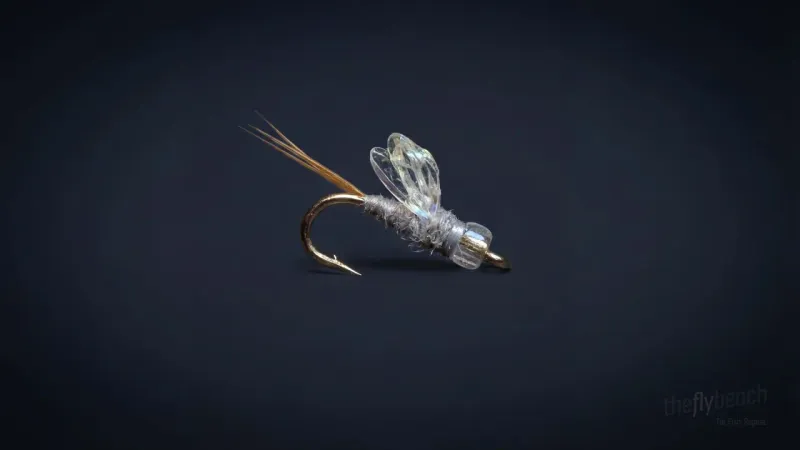
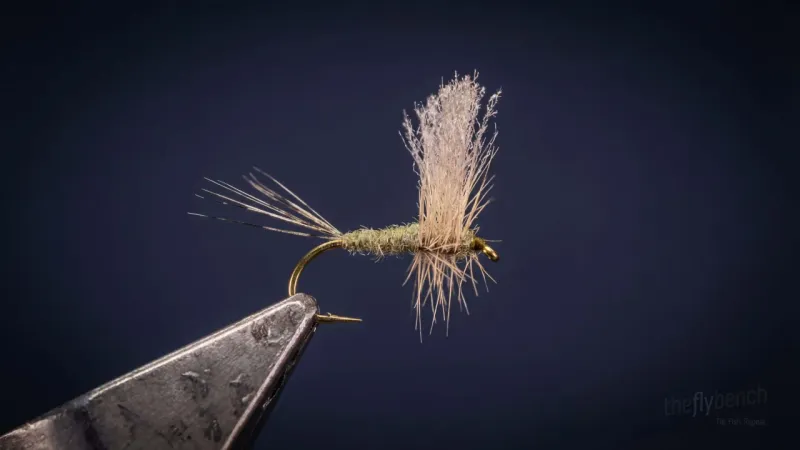
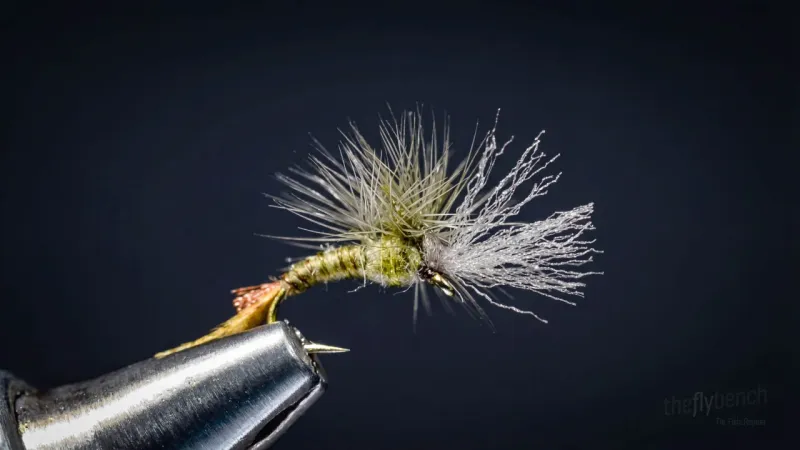
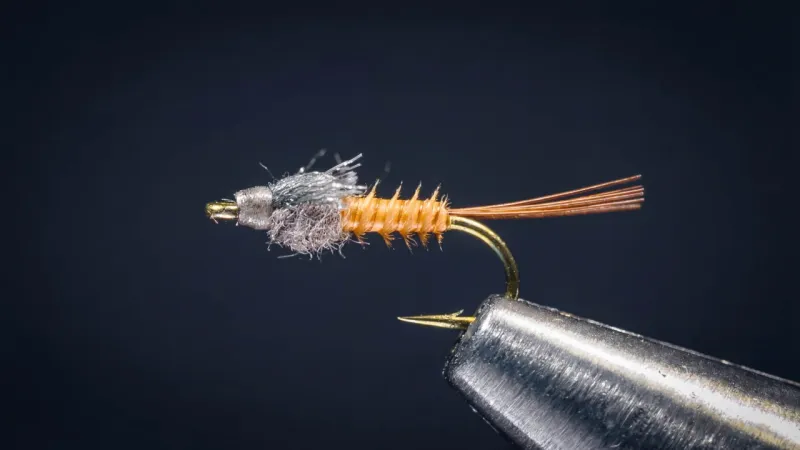
Charlie Craven's Split Foam Back Emerger is a low-riding mayfly emerger tied with a slim thread body, a small trailing shuck (often Z-lon or Antron), and two narrow strips of foam tied in at the back and pulled forward over the thorax. The foam mimics emerging wings and helps the fly ride perfectly in the surface film. A sparse thorax dubbing and a curved emerger hook complete the silhouette. It's a highly effective pattern for technical water during mayfly hatches.
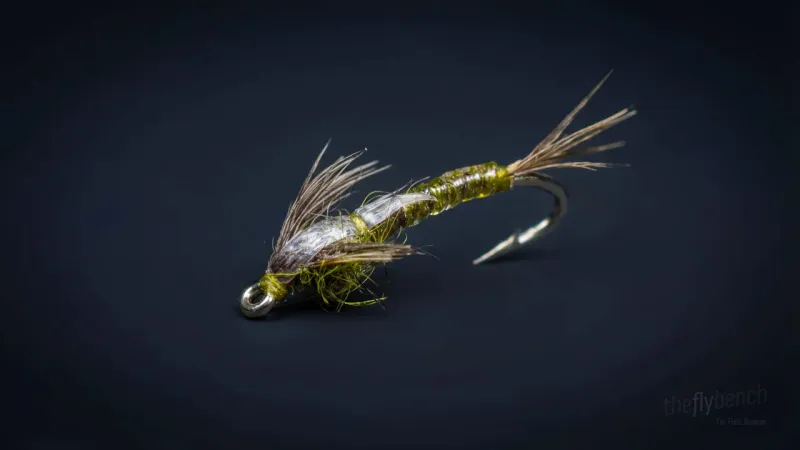
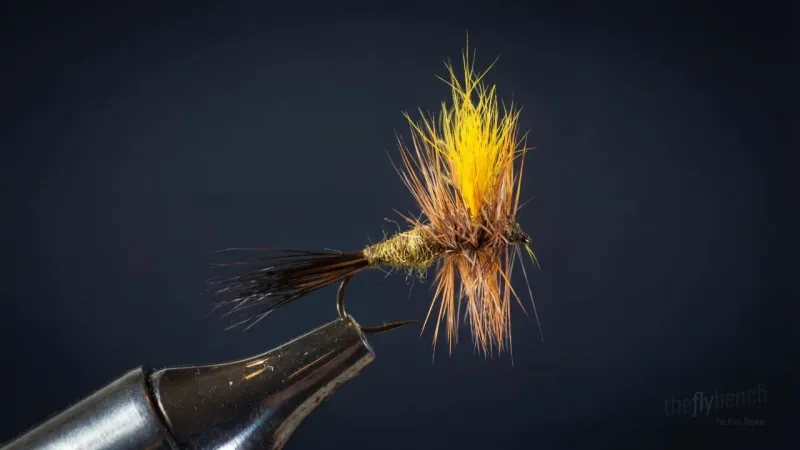
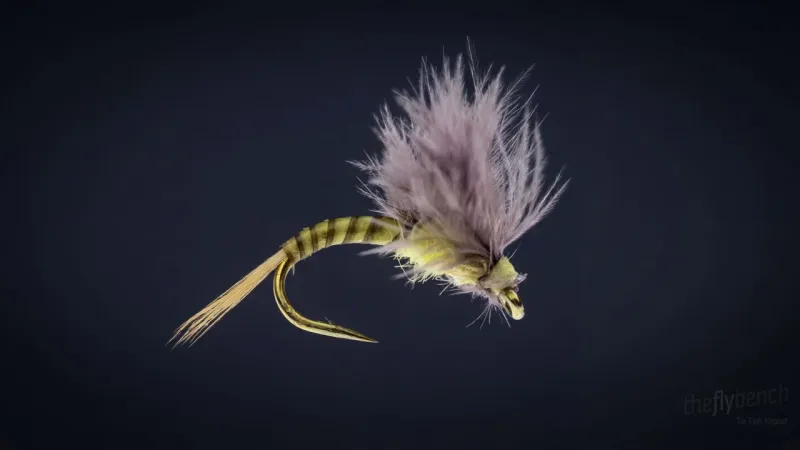
Related patterns
Behavior & presentation
- Natural Behavior
- Mayflies trapped mid-emergence hang suspended in the film while unfurling wings, their nymphal shucks clinging as they struggle against surface tension. This helpless posture can last several minutes, creating extended feeding opportunities for selective feeders.
- Where Trout Eat It
- Flat glides, tail-outs, and slow runs in 1-4 feet of depth where trout inspect food carefully.
- How to Fish It
- Dead drift with drag-free float just below the surface film to match natural emergence position.
- Best Water
- Target tail-outs, glides, and slicks where smooth surfaces allow trout to feed selectively.
- Strike Type
- Watch for subtle sips or barely visible dimples as fish take emergers delicately.
Fishing strategy
- Rigging Suggestions
- Use 6X or 7X fluorocarbon tippet with 12-15 foot leaders for stealth. Fish solo or as a dropper 12-18 inches behind a small parachute dry for easier tracking.
- Seasonal Timing
- Most productive from July through October during trico spinner falls, with peak activity in August and early September when trico hatches are most consistent.
- Pro Tips
- The foam back keeps the fly riding just subsurface, matching the natural spinner position. The bead and resin add subtle weight and flash that selective trout notice without spooking.
Where to fish it
Rivers anglers pair with this fly, with local shops that stock it.
River details and fly shops from River & Run, our sister site.
Entomology
Mayfly emergers hang suspended in the surface film while shedding their nymphal shuck and unfurling newly formed wings, creating a highly vulnerable transition phase that can last several minutes. During this critical emergence window, the insect is unable to fly away and struggles against the surface tension, making it an easy target for selectively feeding trout. Fish often focus exclusively on emergers during heavy hatches, ignoring both nymphs and fully emerged adults in favor of these trapped, helpless insects.
- Order
- Ephemeroptera
- Common name
- Mayfly
- Organism
- insect
- Life stage
- emerger
Pattern details
- Moving Water
- Rocky Mountain
- dead-drift
- baetis-hatch
- trico-hatch
- low-clear-water