Overview
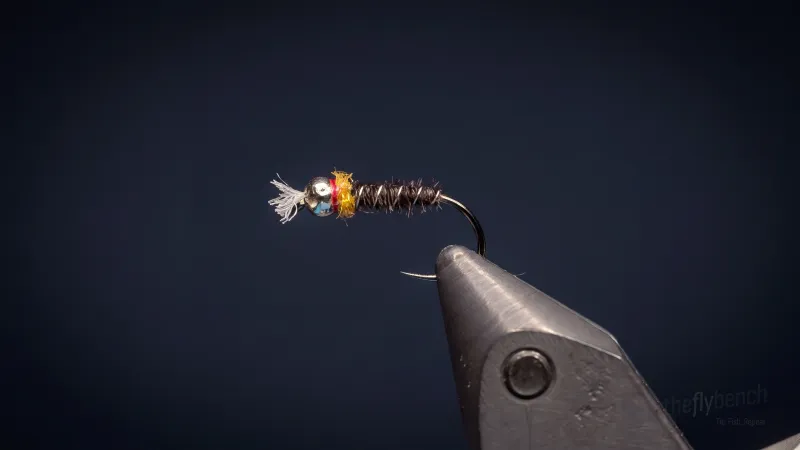
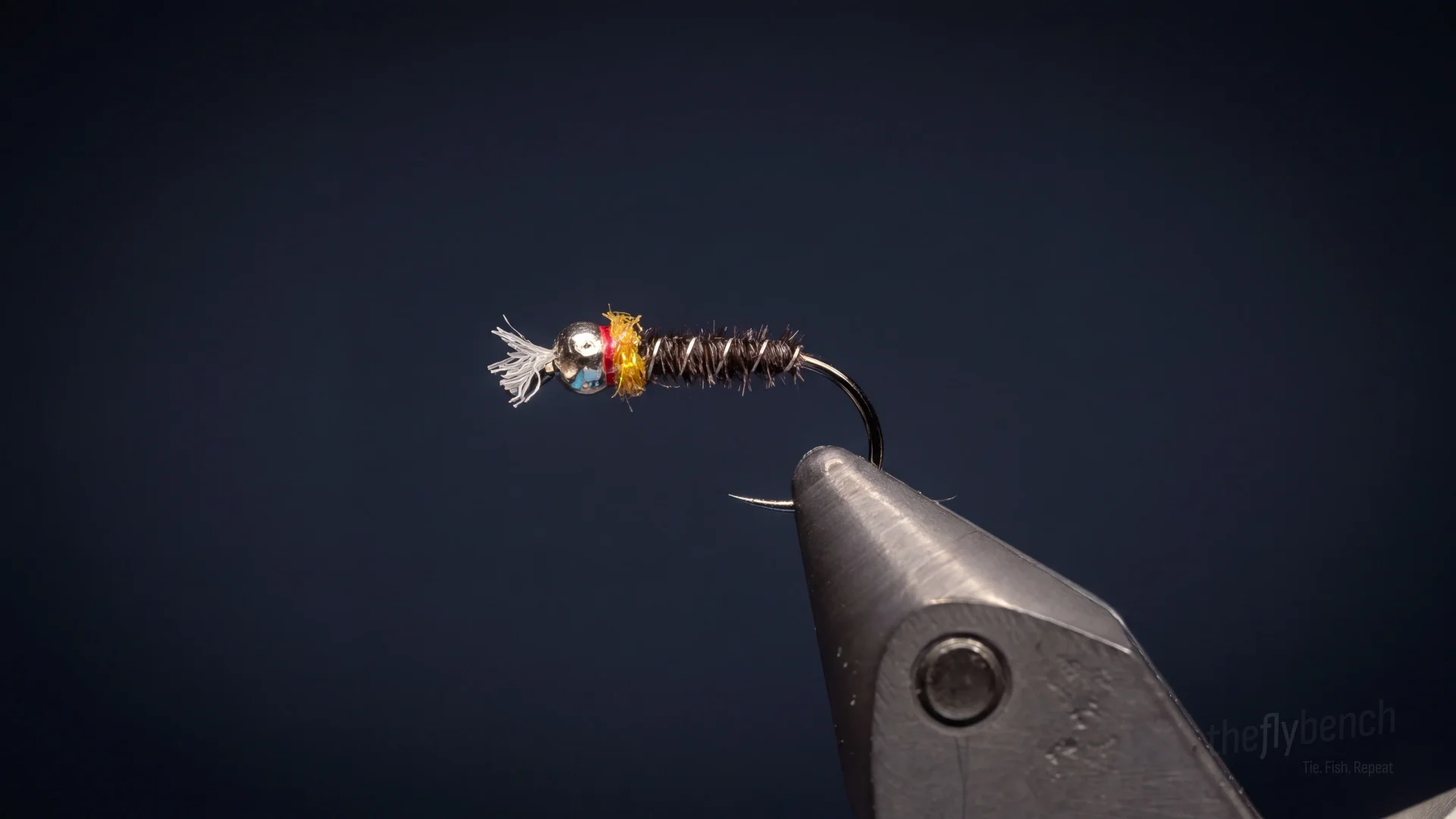
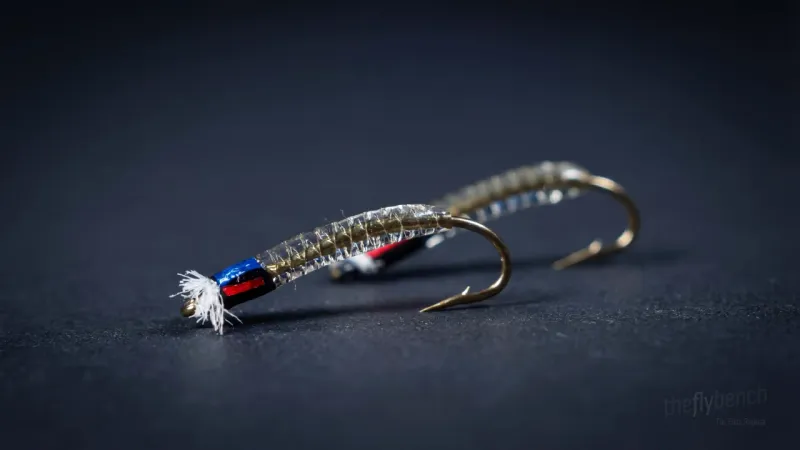
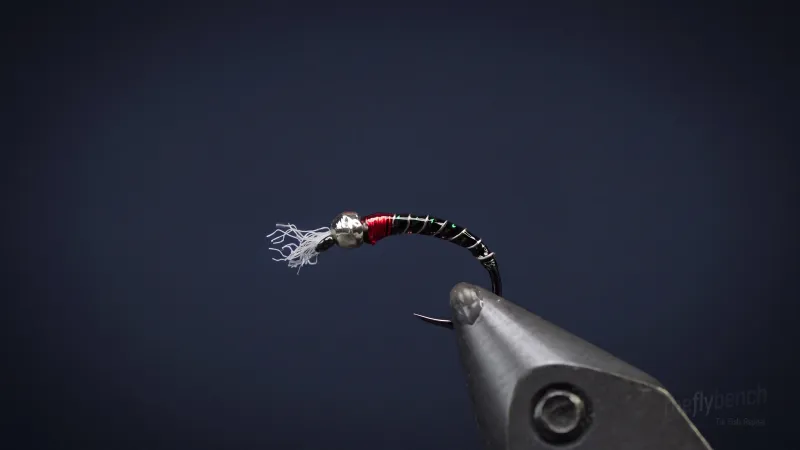
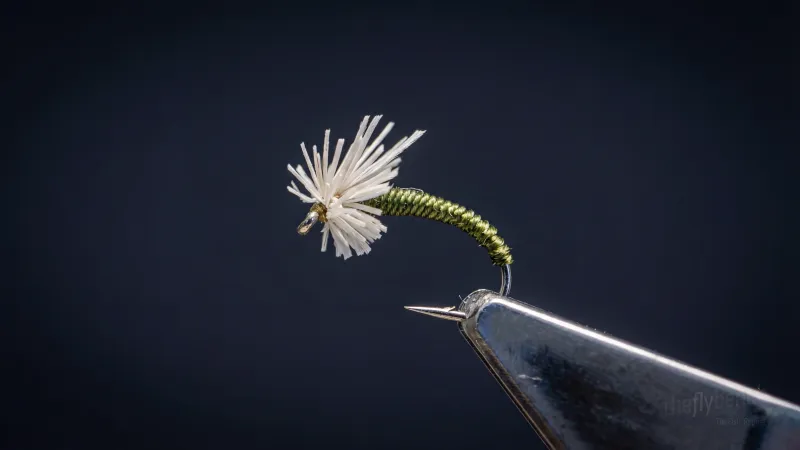
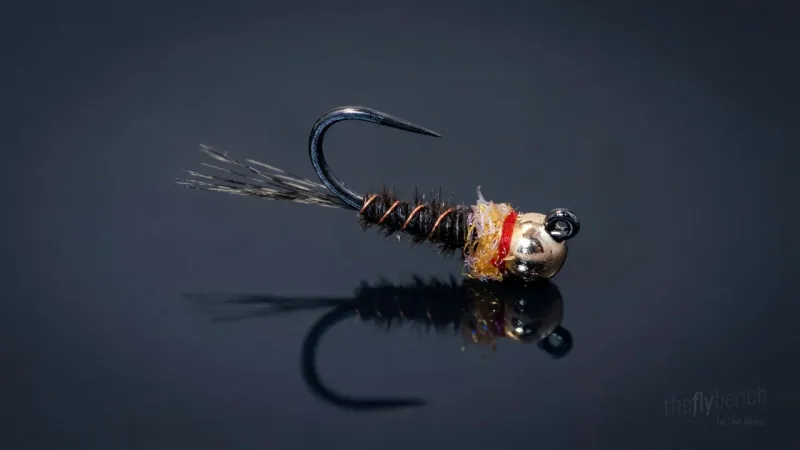
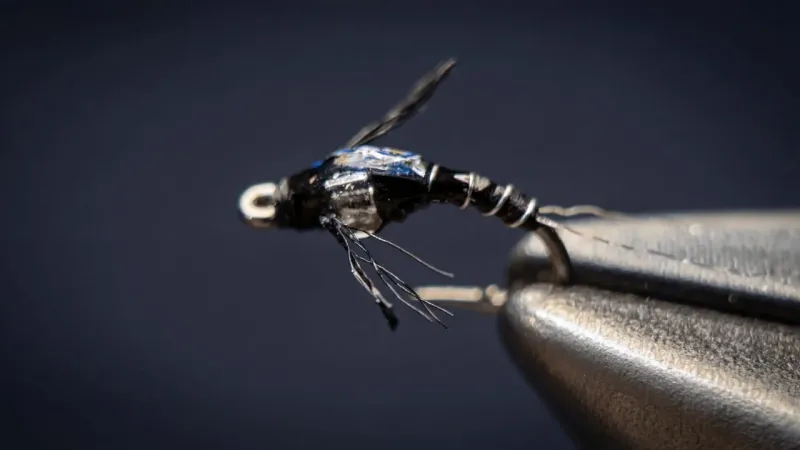
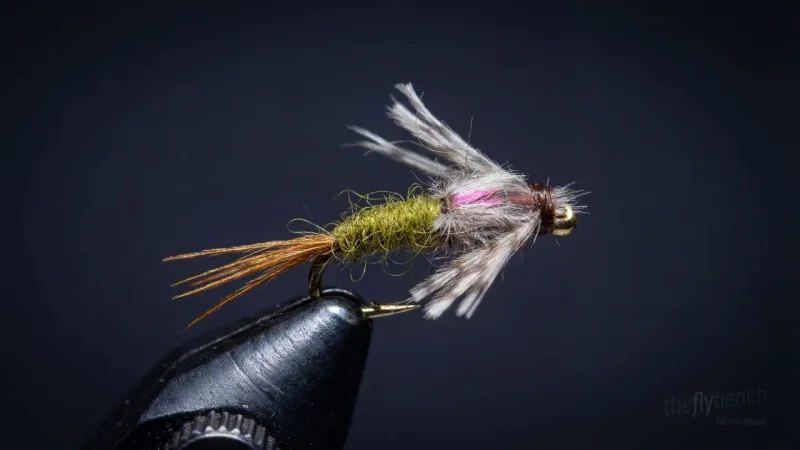
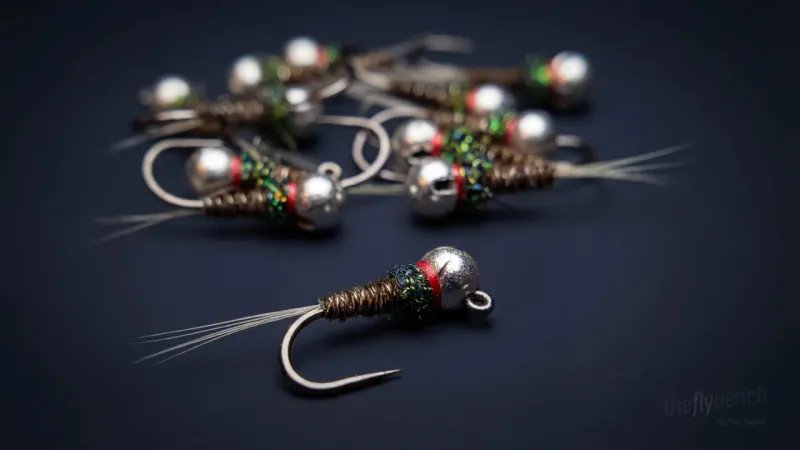
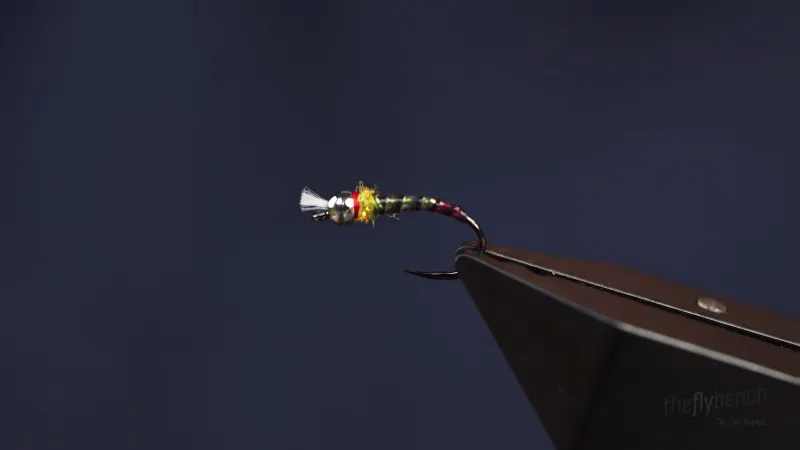
Lance Egan reworked his river Frenchie for lakes by dropping the tail, since chironomid pupae have none, and tying in white Sparkle Emerger Yarn as breathers at the head. It also goes by Silver Lancer, with Gold and White Lancer versions named for bead and wire color. Natural or blue pheasant tail bodies with a cinnamon hot spot are common variations.
Related patterns
Behavior & presentation
- Natural Behavior
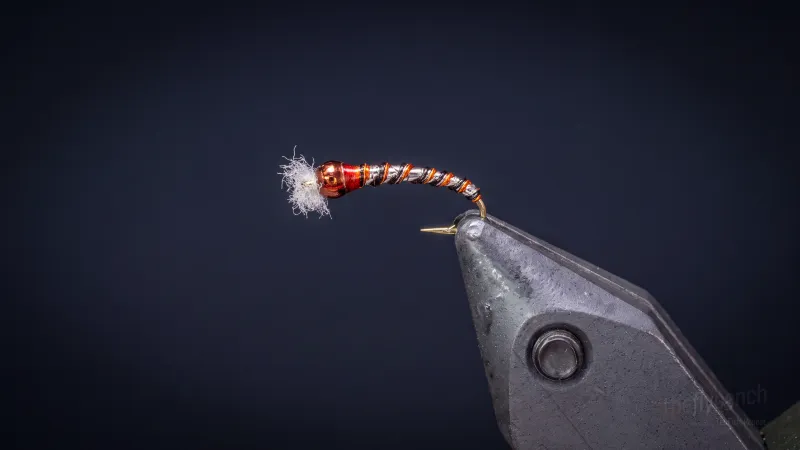
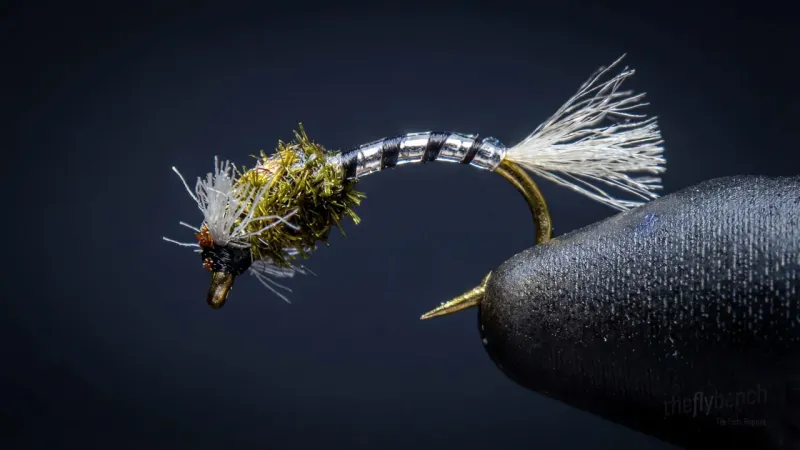
- Chironomid pupae leave the mud and drift slowly upward, their white gill tufts showing at the head and a silvery sheen of trapped gas along the segmented body as they near the film.
- Where Trout Eat It
- Trout cruise a set band of the water column over soft lake bottoms, picking off rising pupae from a foot off the mud up to just under the surface.
- How to Fish It
- Hang it vertically under an indicator at the feeding depth, or crawl it on a midge tip line with a very slow hand-twist so the bead keeps the fly nose-down.
- Best Water
- Shoal edges, drop-offs into deeper basins, and the mouths of weedy bays where chironomid beds sit in 6 to 20 feet of water.
- Strike Type
- The indicator ticks under or slides sideways; on the tip line, the line simply comes tight as a fish swims off with the fly.
Fishing strategy
- Rigging Suggestions
- Floating line with a leader long enough to hold the fly a foot or two off the bottom, 5X fluorocarbon tippet, and a quick-release indicator; or a midge tip line with a 12-15 foot leader for slow retrieves.
- Seasonal Timing
- Best from ice-off through June and again in September and October, when chironomid emergences are heaviest; summer mornings and evenings also produce.
- Pro Tips
- The pink hot spot gives trout a trigger point when the hatch is thin. Carry the natural, muskrat-gray and blue bodies, and swap color before changing depth if fish are seen but not eating.
Entomology
Chironomid pupae rise from larval tubes in the lake bottom and ascend slowly through the water column, often pausing at depth before reaching the surface to hatch. Their white gill filaments and gas-filled shuck make them visible, and trout feed on them heavily during spring and fall emergences.
- Order
- Diptera
- Family
- Chironomidae
- Common name
- Chironomid
- Organism
- insect
- Life stage
- pupa
Pattern details
- Stillwater
- Rocky Mountain
- Pacific Northwest
- British Columbia
- modern
- indicator-nymph
- midge-hatch
- pheasant-tail-family
- dead-drift