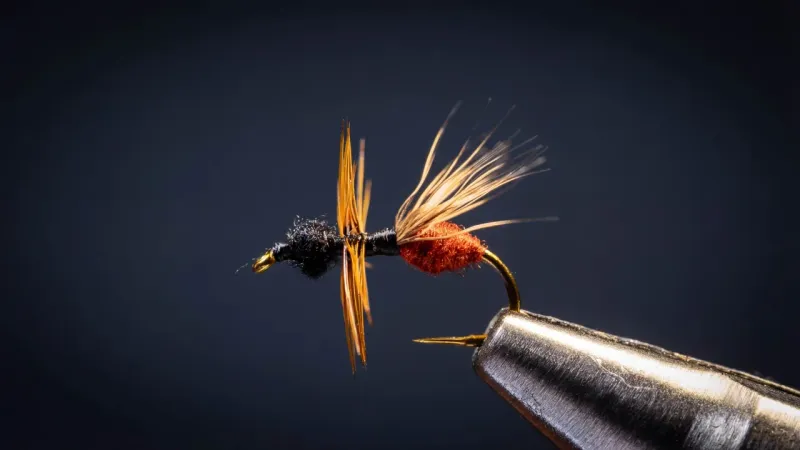
Dry FliesFat Angie
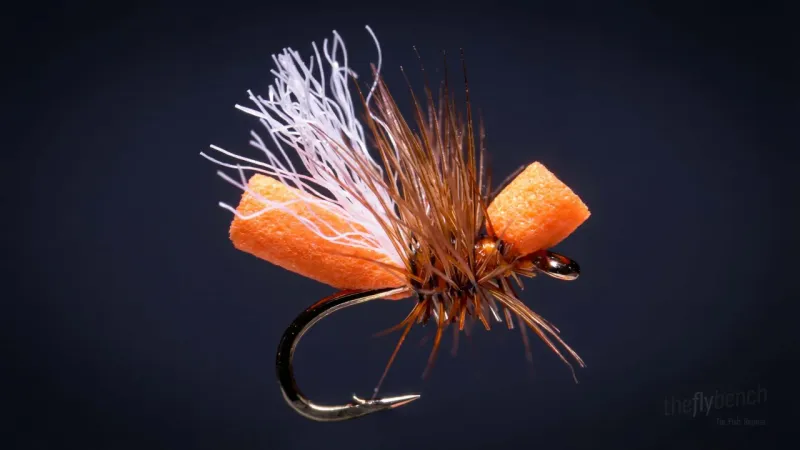
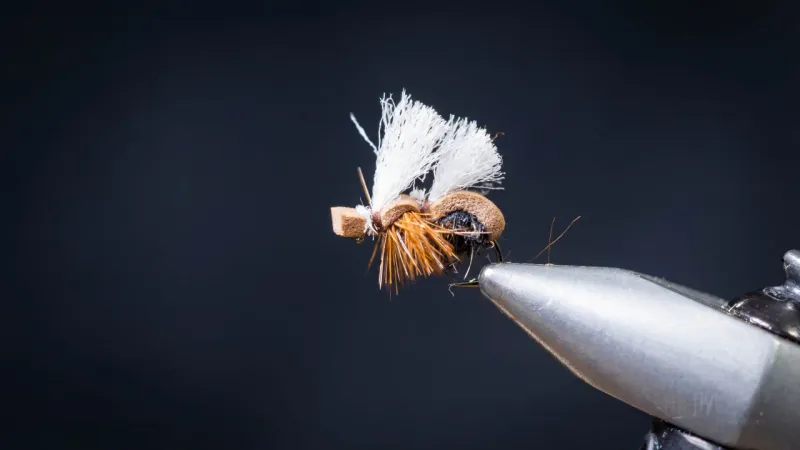
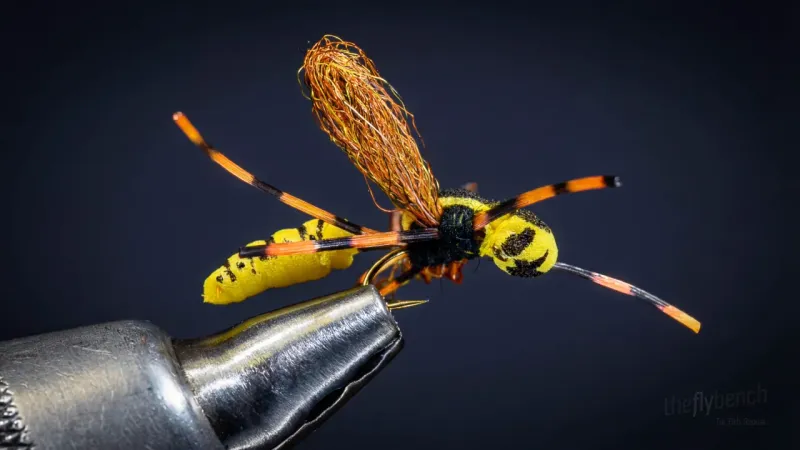
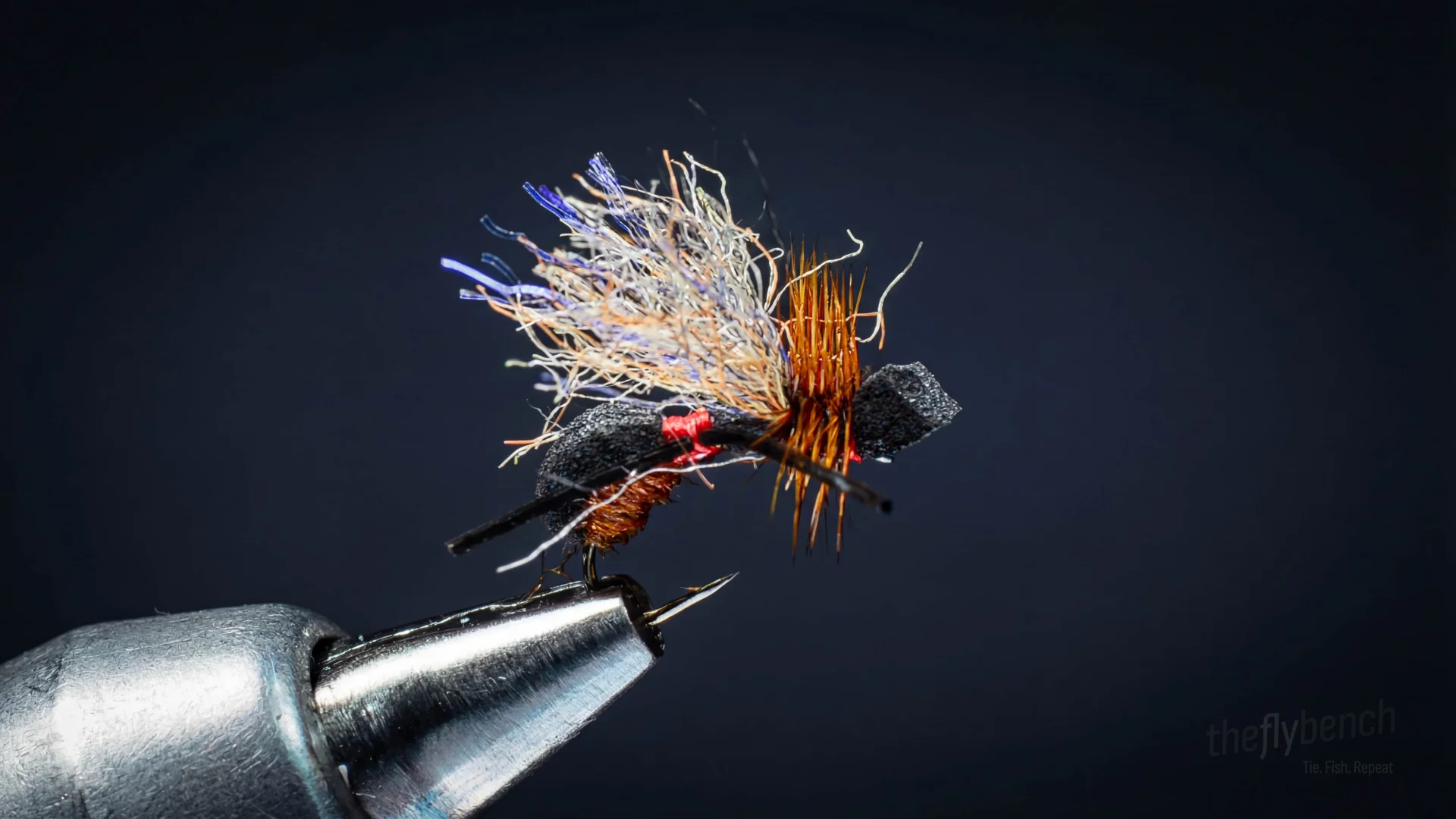
Fat Angie is a versatile terrestrial pattern designed by Charlie Craven to imitate a variety of ants, wasps, and other land-born insects that find themselves trapped in the surface film. This innovative design features a segmented foam body with a distinct wasp-like waist, a mixed polypropylene yarn wing for visibility and buoyancy, and a palmered hackle collar. The pattern sits low in the water with the abdomen hanging through the surface film, perfectly mimicking the bedraggled appearance of a struggling terrestrial.
Summer, Fall
Intermediate
Trout
Dec 2025
Overview
This Charlie Craven pattern from Charlie's Fly Box showcases years of experimentation to create the ultimate terrestrial imitation. The genius of Fat Angie lies in its ability to suggest multiple insects without committing to any single species. The wasplike waist and segmented body capture the profile of ants, wasps, beetles, and various other terrestrials. The mixed polypropylene yarn wing provides exceptional buoyancy and visibility while the pink foam indicator makes tracking easy even on dark flies. The Daiichi 1160 hook helps set the fly low in the surface, dangling the abdomen through the film just like a natural struggling insect.
Materials
Hook: Daiichi 1160, #12-20
Thread: Veevus 14/0, red
Body: Fly Foam, black, 3mm
Abdomen: Superfine Dubbing, mahogany
Legs: Super Floss, black
Wing: Polypropylene Macrame Yarn (smoke, rust, gold mixed)
Overwing: Ripple Ice Fiber, UV blue
Indicator: Razor Foam, pink
Hackle: Brown Rooster Neck (or Saddle)
Thorax: Superfine Dubbing, mahogany
Behavior & Presentation
Natural Behavior: Wasps foraging near water for nesting materials occasionally fall in through collisions or failed predation attempts. Their powerful struggles create distinctive pulsing surface disturbance as they flex and beat wings frantically, with bright coloration and violent thrashing creating memorable feeding opportunities.
Where Trout Eat It: Trout intercept struggling terrestrials floating in surface film along grassy banks, vegetation edges, and foam lines.
How to Fish It: Drag-free drift tight to grassy banks and overhanging vegetation with subtle occasional twitches mimicking trapped insect struggles.
Best Water: Target foam lines, pools, slicks, grass edges, and undercut banks where terrestrials collect.
Strike Type: Watch for visible rise rings signaling surface interception.
Fishing Strategy
Rigging Suggestions: Fish on a 9-foot leader tapering to 5X-6X tippet. The buoyant foam construction supports a beadhead dropper effectively for hopper-dropper fishing.
Seasonal Timing: and fall when terrestrial activity peaks along stream banks. Particularly effective during warm afternoon hours from June through October when ants, wasps, and beetles are most active.
Pro Tips: The pink foam indicator makes the dark pattern easy to track on the water. While black is the most common color, tie variations in tan, olive, purple, and red for different conditions.
Entomology
Adult wasps forage near water for nest-building materials and prey, occasionally becoming waterborne through collision or predation attempts on aquatic insects. Once in the water, these hymenopterans struggle with powerful wing beats and abdominal flexions, creating distinctive pulsing disturbances. Their aggressive coloration, substantial size, and high-energy flailing make them memorable prey items that fish remember and actively seek during warm months.
- Order
- Hymenoptera
- Family
- Vespidae
- Common Name
- Wasp
- Organism Type
- terrestrial
- Life Stage
- adult