Dry FliesGinger Tups
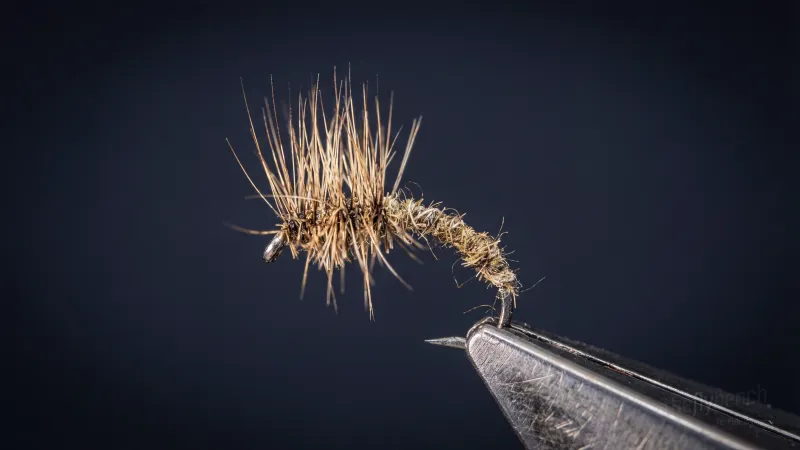
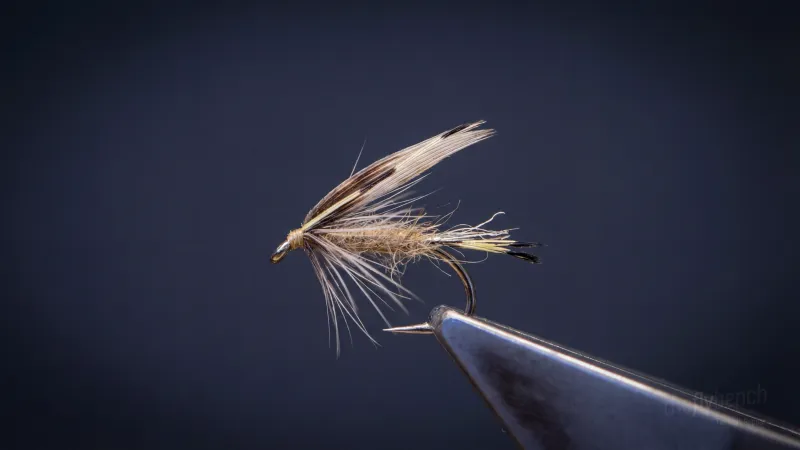
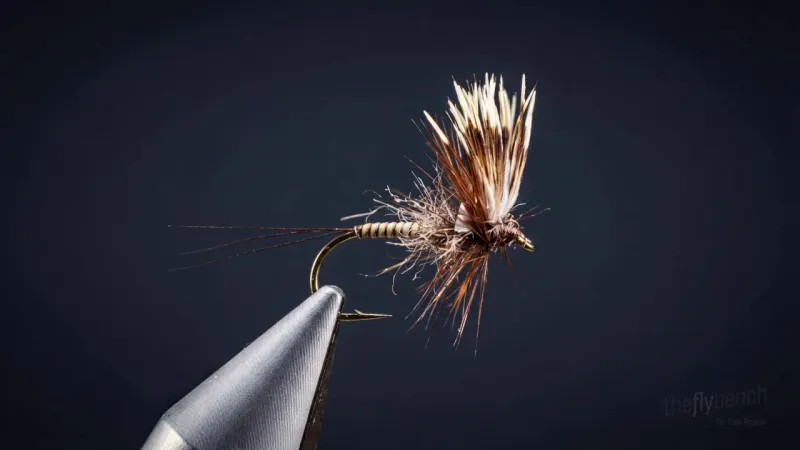
Jeremy Barela's design incorporates classic tups indispensable dubbing blend in ginger tones, creating warm, lifelike body color. Soft hackle and sparse profile suggest emerging insects without overly specific imitation. Neutral coloration succeeds across multiple hatch situations.
Spring, Summer, Fall
Intermediate
Trout
Feb 2026
Overview
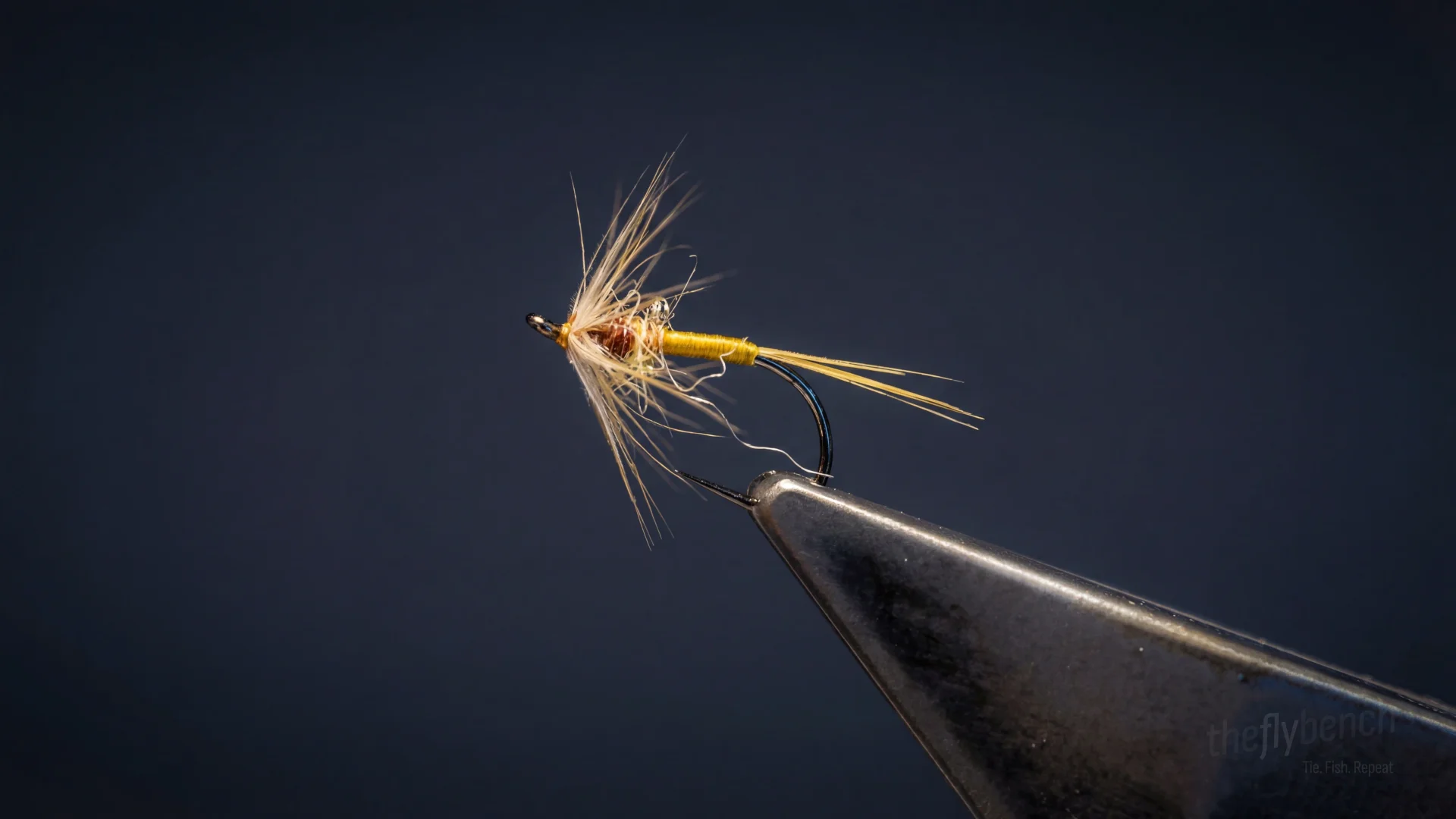
Jeremy Barela's design incorporates the classic tups indispensable dubbing blend in ginger tones, creating a warm, lifelike body color. The pattern's soft hackle and sparse profile suggest emerging insects without overly specific imitation. The neutral coloration works across multiple hatches, making it a reliable searching pattern when trout are feeding opportunistically on various aquatic insects.
Where to Buy This Fly
We only link to fly shops we trust. Some links are referral links, which may earn us a commission at no extra cost to you.
Materials
- Hook:
- Grip 14723BL #14
- Thread:
- Pearsall's Gossamer, antique gold
- Hackle:
- Hen, pale ginger
- Tail:
- Hackle barbs, pale ginger
- Abdomen:
- Tying silk
- Thorax:
- Tups mixture
Behavior & Presentation
Natural Behavior: Adult caddisflies emerge rapidly through the surface film during evening hours, breaking through with bursts of energy before flying to streamside vegetation. The soft ginger hen hackle and tups dubbing thorax suggest the fuzzy, mobile appearance of emergers transitioning through the film.
Where Trout Eat It: Trout take soft-hackle emergers in Southwest freestone transitions, feeding subsurface during mixed insect activity.
How to Fish It: Dead drift with occasional lift at drift end, using neutral ginger coloration to match multiple species.
Best Water: Target freestone riffle tails transitioning to pool heads, pockets behind boulders, and moderate-gradient runs.
Strike Type: Trout feeding on emergers produce varied rise forms from splashy refusals to confident sips; watch carefully and set when you see the take.
Fishing Strategy
Rigging Suggestions: Fish on 9-12 foot leader with 5X-6X tippet. Fine tippet supports sparse profile and delicate presentation needed for opportunistically feeding trout.
Seasonal Timing: Most effective during mayfly emergences April through June and activity September through October when water temperatures range 48-60°F. Morning and evening feeding periods produce most reliable results.
Pro Tips: The tups indispensable dubbing blend creates lifelike translucency in varied light. The warm ginger tone matches many naturals without requiring specific size or species matching during mixed hatches.
Entomology
Caddisflies emerge during evening hours, breaking through the surface film with rapid ascending movements that create distinctive disturbances before flying away to streamside vegetation. Trout feed opportunistically during these emergence periods because the concentrated hatches provide feeding frenzies where multiple meals become available simultaneously in predictable locations.
- Order
- Trichoptera
- Common Name
- Caddisfly
- Organism Type
- insect
- Life Stage
- adult