

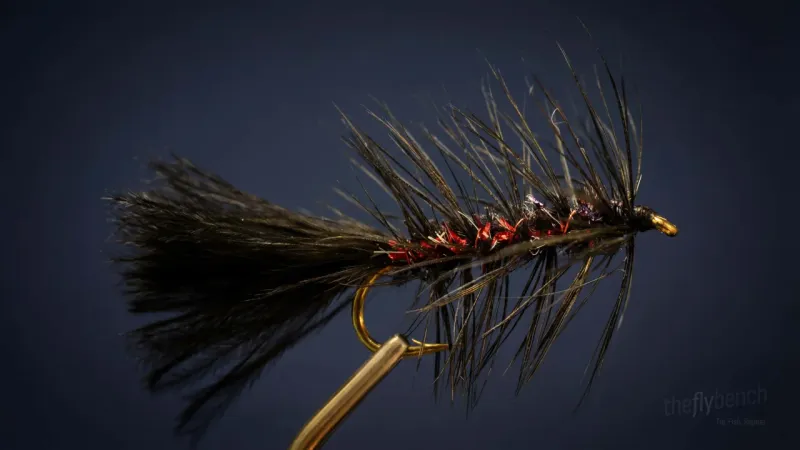
Overview
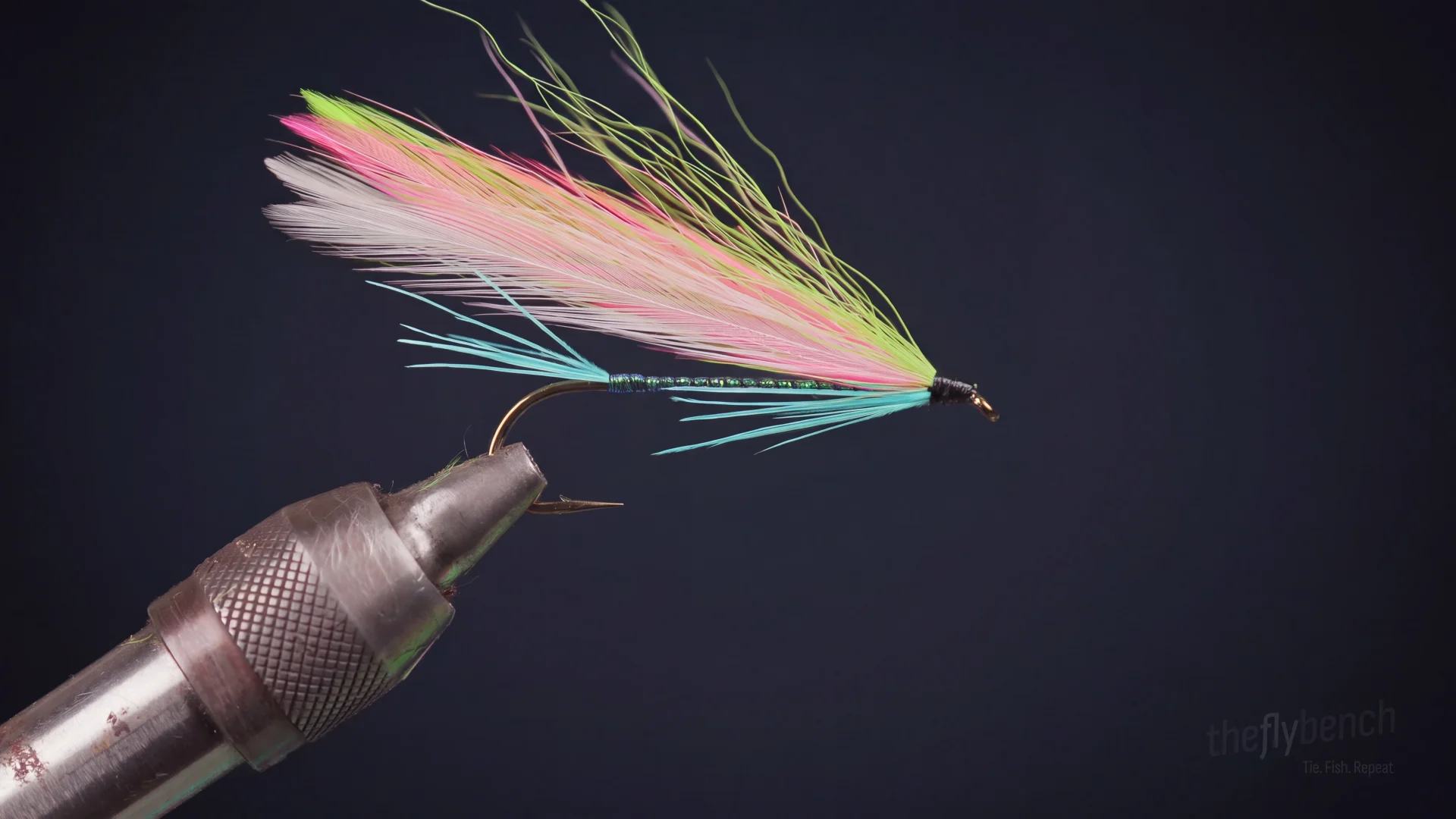
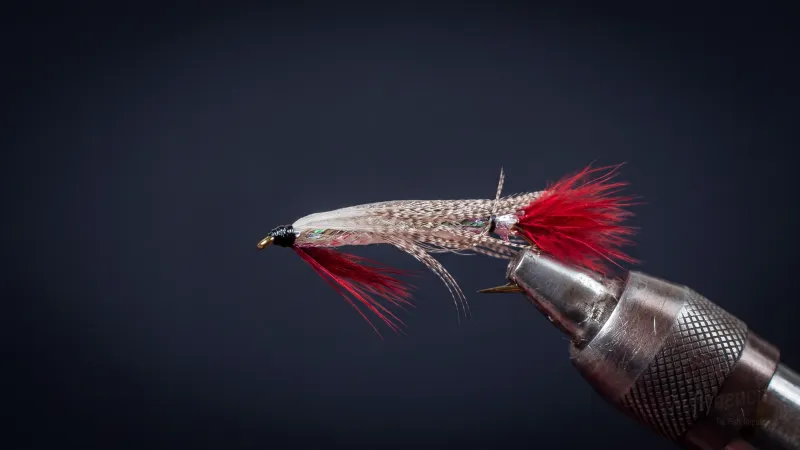
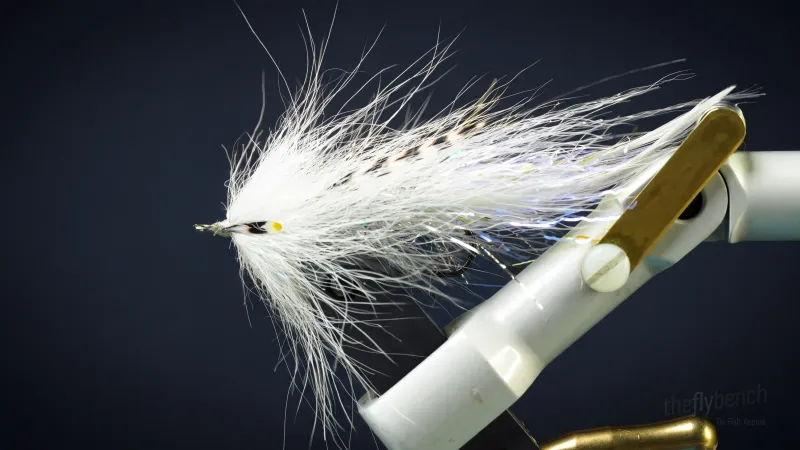
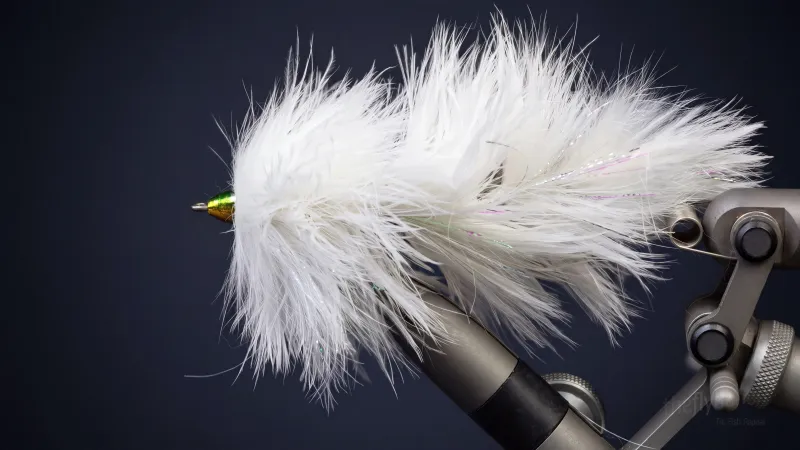
This version is tied by Ryan Brod of Trident Fly Fishing, and the sources do not name an originator. It borrows the flatwing style used on Maine streamers and on Northeast striper flies: saddles tied flat on top of the shank so the fly breathes even when it sits still. The white saddles soften the bright bucktail beneath them, so the colors show through instead of standing out. Hard As Hull keeps the head tough.
Related patterns



Behavior & presentation
- Natural Behavior
- At ice-out, smelt gather in shallow water and run up inlet streams to spawn. Their narrow, silvery bodies flash as the schools move along the shoreline, and stragglers stand out to fish cruising nearby.
- Where Trout Eat It
- Landlocked salmon and brook trout cruise high in the cold water near inlets and along shorelines, picking off smelt near the surface.
- How to Fish It
- Strip it with steady pulls and brief pauses along lake edges, or swing it across salmon pools on a tight line and let it hang at the end of the drift.
- Best Water
- Inlet mouths, rocky points, and drop-offs along the shore on lakes; the tail-out and current seam of a salmon pool on rivers.
- Strike Type
- Salmon often hit hard on the swing or take the fly as it hangs and rises. On the strip, expect a sudden heavy pull, and sometimes a jump right after the hookset.
Fishing strategy
- Rigging Suggestions
- Use a 9-foot leader to 0X-2X tippet on a 6- or 7-weight rod. A floating or intermediate line covers fish feeding high at ice-out. A loop knot lets the saddles swim more freely.
- Seasonal Timing
- Best from ice-out through May, while smelt are running and salmon and trout feed near the surface in cold water.
- Pro Tips
- Keep the bucktail sparse so the saddles stay flat and the colors show through the white. Slow down on the pauses, because the saddles and ostrich herl keep moving when the fly stops.
Entomology
Smelt move in loose schools through the cold water of northern lakes, then crowd into shallow shorelines and inlet streams to spawn soon after the ice goes out. Their thin, reflective bodies are easy to see in clear water, and their concentration in shallow water makes them a key spring food for landlocked salmon and brook trout.
- Common name
- Rainbow Smelt
- Organism
- baitfish
- Life stage
- adult
Pattern details
- Stillwater
- Moving Water
- Northeast
- swing
- strip-retrieve
- active-retrieve
- cold-water