


Overview
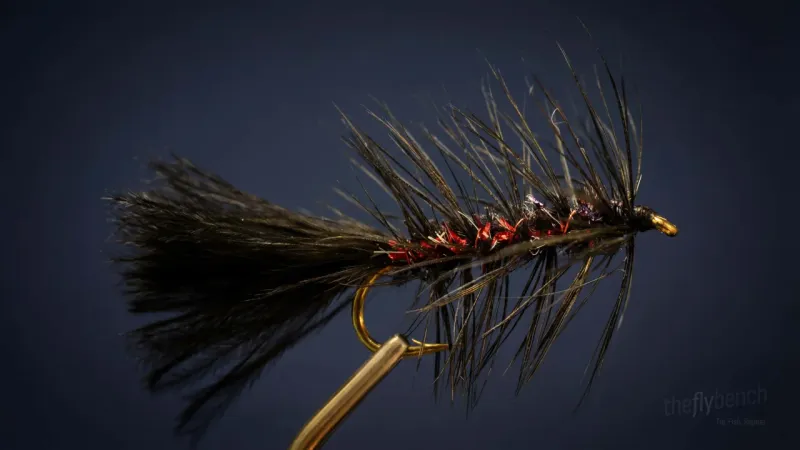
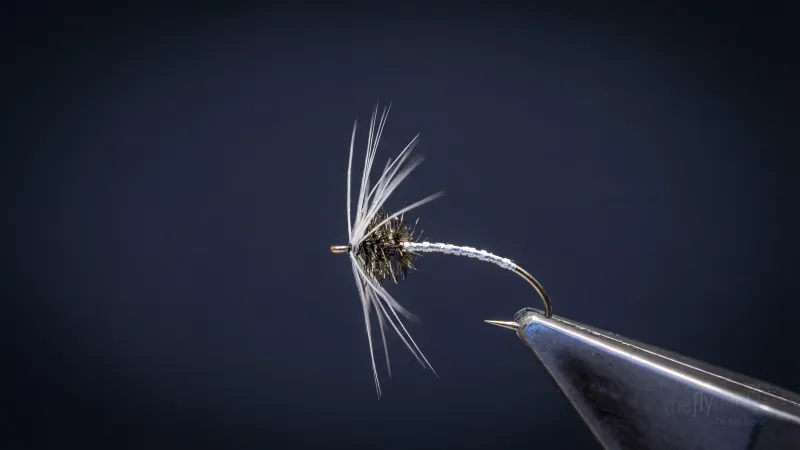
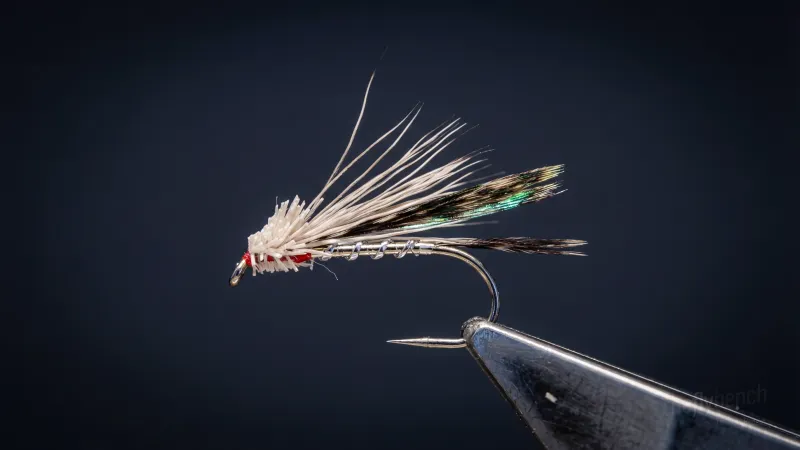
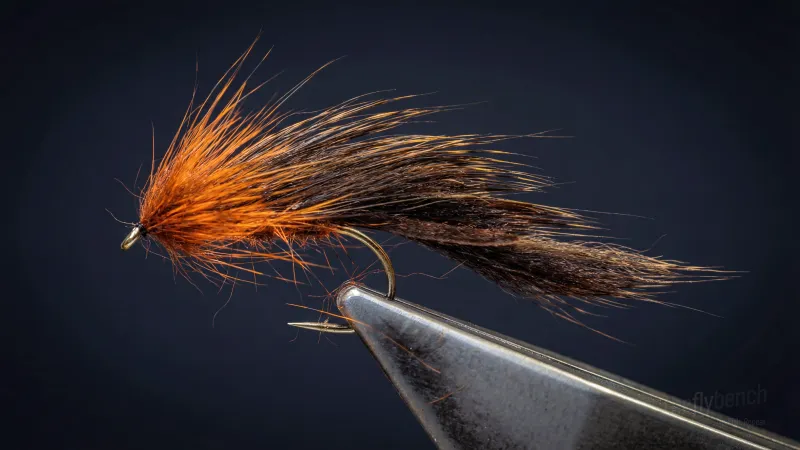
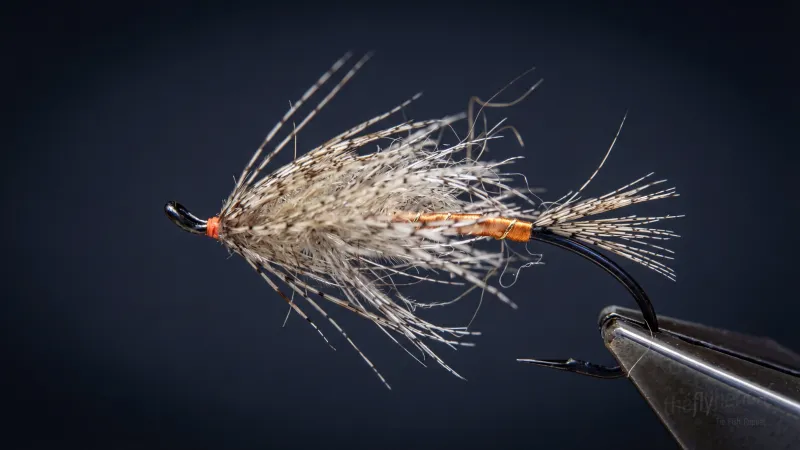
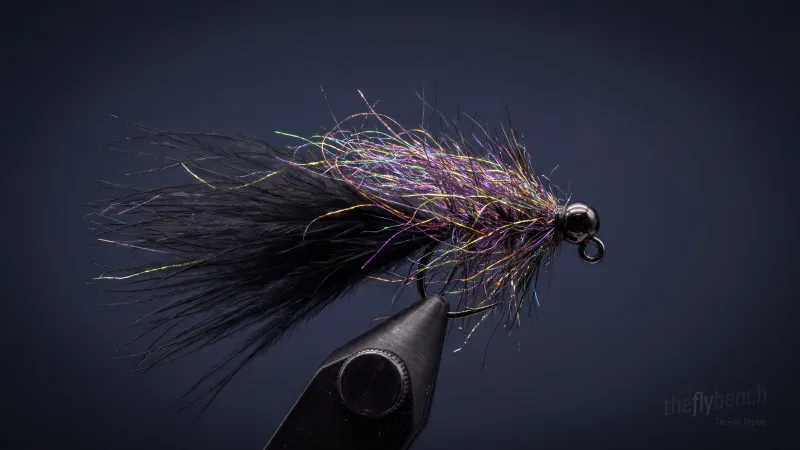
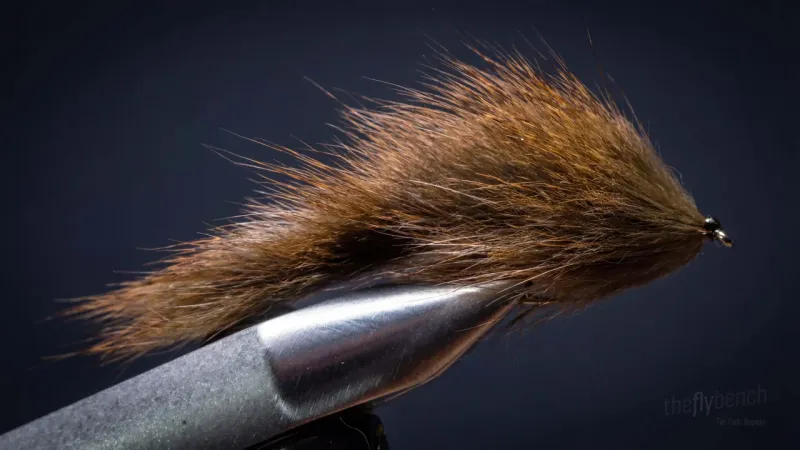
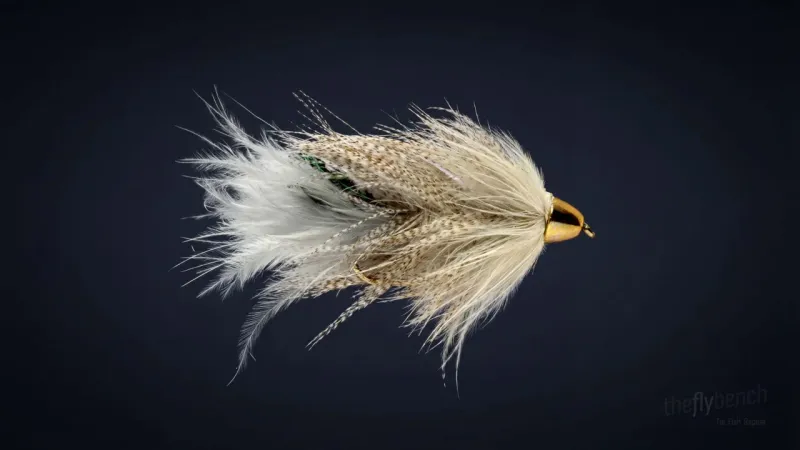
The body is narrow purple ribbon salvaged from a produce bag, wrapped flat for a smooth underbody and then corded into a rib for texture, over a #12 hook. Mottled hen 'fluey' hackle barbs set the tail and repeat as an underwing, giving the profile a soft outline under the deer hair wing and head on top. The purple ribbon catches light differently than dubbing or tinsel, flashing as the fly is stripped and reading as a small baitfish darting away from cover. Its compact size lets it fish pockets, undercuts, and structure where a bulkier streamer would be too much.
Related patterns
Behavior & presentation
- Natural Behavior
- Small baitfish break from schools to investigate food or flee predators in panicked darts. Their flashes trigger aggressive responses because they signal vulnerable, isolated prey.
- Where Trout Eat It
- Deep runs, undercut banks, pocket water, pool tailouts in rivers. Drop-offs, weed edges, channels in lake.
- How to Fish It
- Varied retrieve with short strips, long pulls, and pauses because erratic movement imitates panicked baitfish. Cast across current with intermittent strips. In lake, erratic retrieve with direction changes or vertical jigging.
- Best Water
- Deep runs, undercut banks, pocket water, pool tailouts, drop-offs, weed edges, channels, structure including boulders, logs, shelves.
- Strike Type
- Jarring grab when fish commits, line goes tight suddenly. Strip-set firmly to drive hook home.
Fishing strategy
- Rigging Suggestions
- 7-9ft 2X-3X leader. Add split shot 12-18 inches above for depth in rivers. Sinking tip line in lake for controlled depth. Fluorocarbon sinks faster.
- Seasonal Timing
- Exceptional spring (April-June) and fall (September-October) when trout feed aggressively. Best during low-light at dawn and dusk. Effective in 45-65°F because baitfish are more active.
- Pro Tips
- Purple provides high contrast in low-light and off-colored water, visible to hunting predators. Small profile punches above weight when trout target juvenile fish.
Entomology
Small baitfish travel in tight schools for protection, frequently breaking formation to investigate food sources or flee from larger predators in quick, panicked darts. Their lateral movements and reflective scales create flashes of light that draw attention from hungry game fish. Predatory fish key on these vulnerable forage fish because they provide substantial nutrition in a single strike, and injured or separated individuals become easy targets that trigger aggressive feeding responses.
- Organism
- baitfish
- Life stage
- general
Pattern details
- Moving Water
- Stillwater
- Worldwide
- active-retrieve
- strip-retrieve
- classic