



Overview
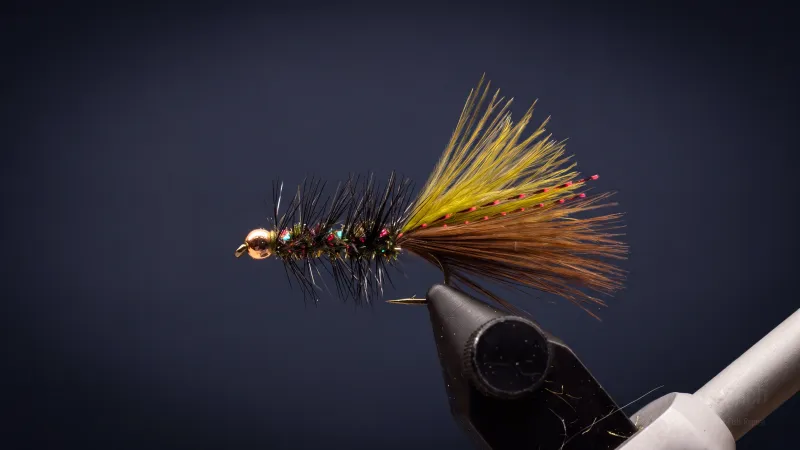
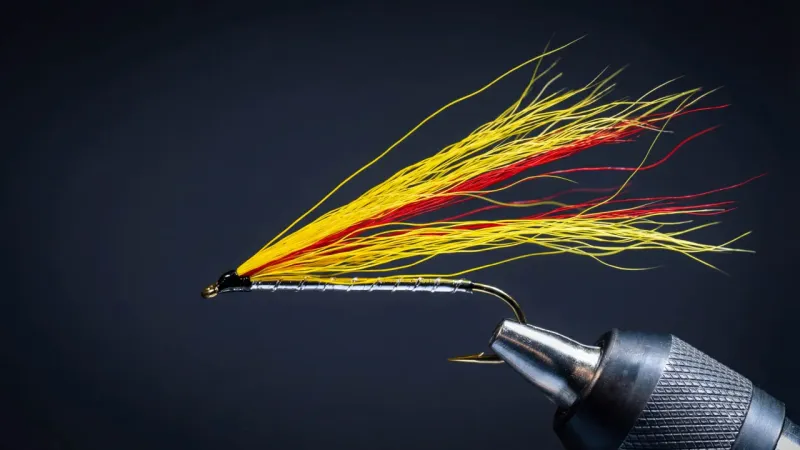
Tied on a 200R-style streamer hook, the pattern is a simple three-material build: tinsel for the body's flash, peacock herl for a dark, buggy head, and hen hackle for movement, so it goes together fast at the vise. Burm's design works as a general baitfish suggestion rather than an exact match for one species, useful on rivers and stillwaters with a standard strip retrieve when trout or other predatory fish are keyed on smaller forage.
Related patterns
Behavior & presentation
- Natural Behavior
- Baitfish swim with sudden directional changes and erratic pulsing movements, alternating between brief acceleration bursts and vulnerable gliding periods. Predatory trout ambush these minnows from structure during glide phases, striking when the baitfish pause between escape movements and appear most vulnerable.
- Where Trout Eat It
- Mid-depth to bottom near structure in runs and pools, with aggressive fish staging in undercut banks and channel swings to ambush passing baitfish schools.
- How to Fish It
- Retrieve with erratic strips and pauses to imitate the stop-start swimming behavior of injured or disoriented baitfish, triggering predatory strikes from trout hunting in structure.
- Best Water
- Undercut banks where predators stage for ambush opportunities, channel swings funneling baitfish through predictable corridors, and drop-offs where deeper structure holds aggressive fish.
- Strike Type
- Violent jarring strikes as predatory trout attack with full commitment, often hooking themselves during the aggressive take on stripped streamer presentations.
Fishing strategy
- Rigging Suggestions
- Use a 7-9 foot leader with 3X or 4X tippet to handle aggressive strikes. Pair with sink-tip or full-sink line for deeper presentations.
- Seasonal Timing
- Productive with peak effectiveness from April through October. months (September-November) are particularly good when baitfish schools are concentrated.
- Pro Tips
- The wet fly design provides subtle movement that imitates struggling minnows. Fish near structure and transition zones where baitfish congregate.
Entomology
Minnows navigate rivers and stillwaters with sudden directional changes, hovering in feeding lanes before darting to intercept drifting food or escape perceived threats. Their streamlined bodies catch sunlight as they pivot and turn, creating momentary flashes that reveal their position to watching predators. Game fish strike minnows opportunistically because these abundant forage fish represent a reliable, high-energy food source that's worth the energy expenditure of an aggressive chase.
- Organism
- baitfish
- Life stage
- general
Pattern details
- Moving Water
- Stillwater
- Europe
- active-retrieve
- strip-retrieve
- classic