



Overview
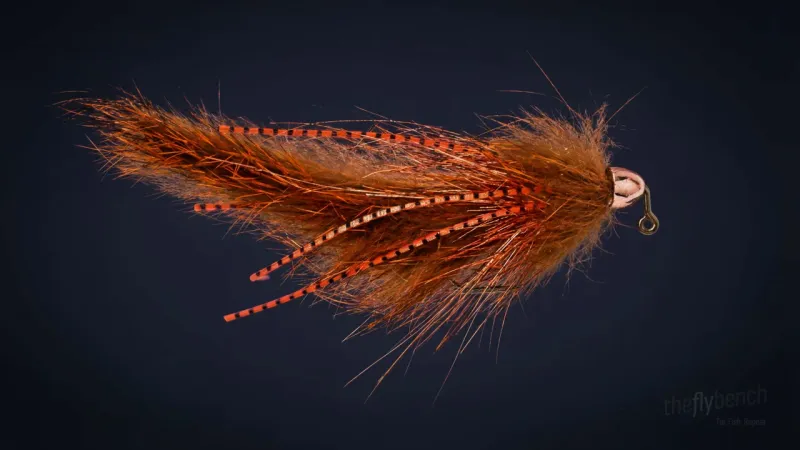
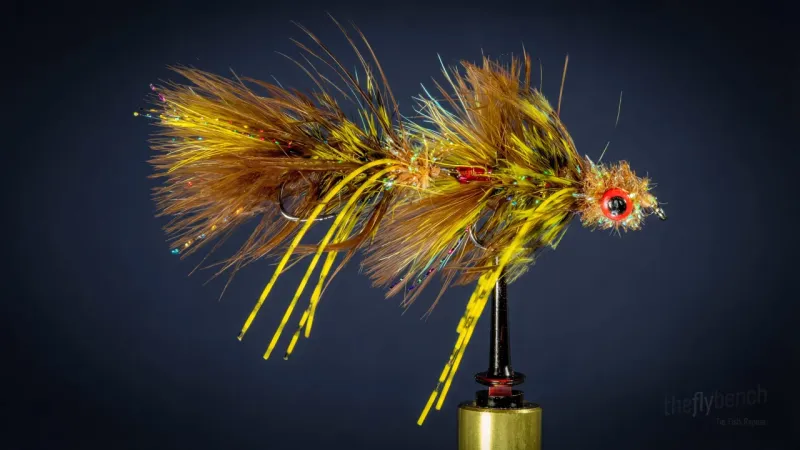
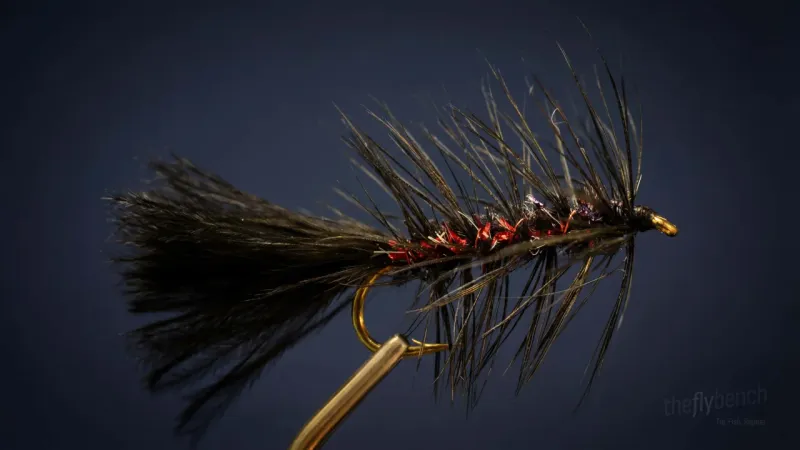
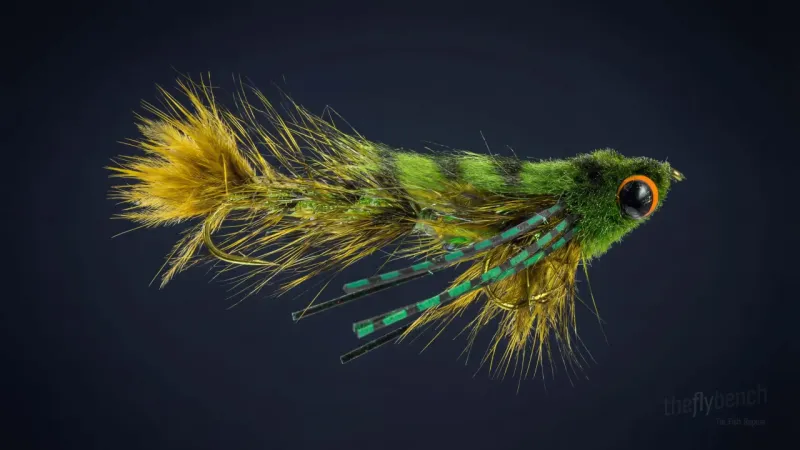
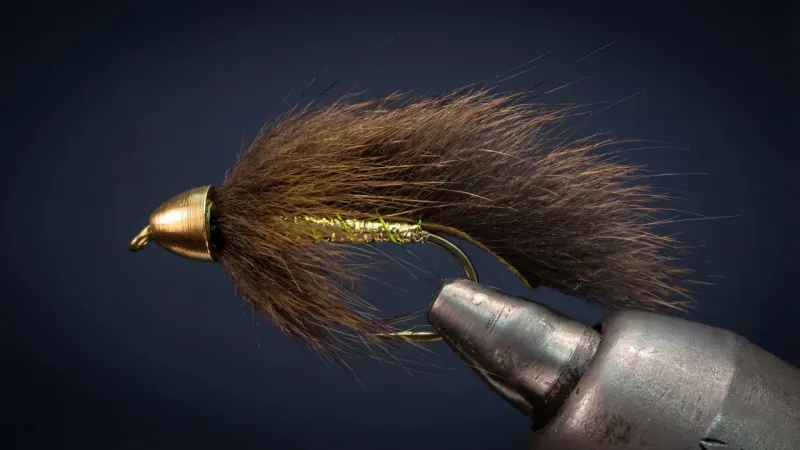
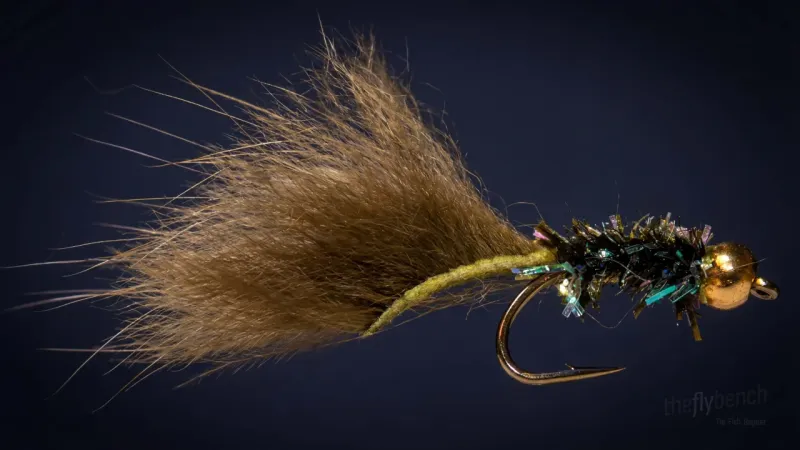
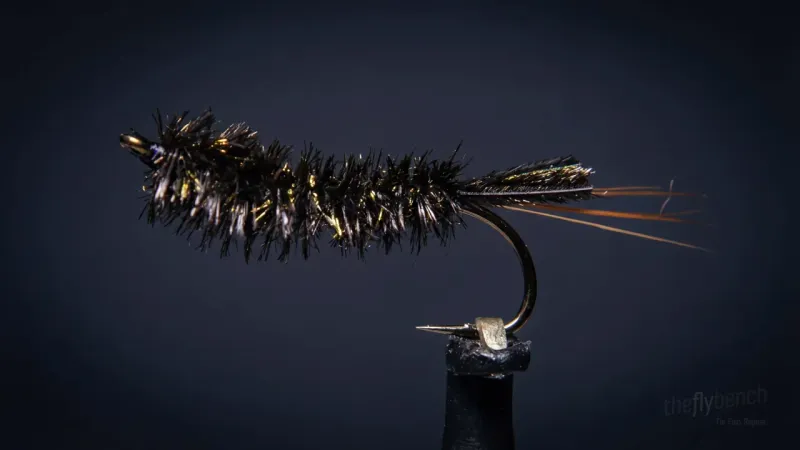
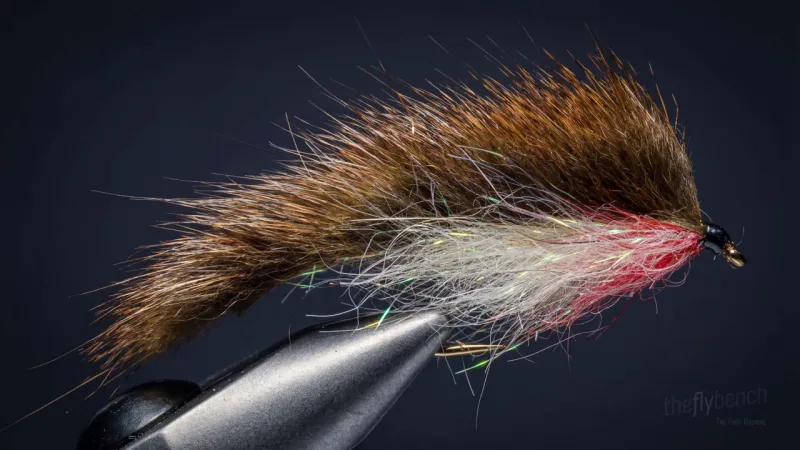
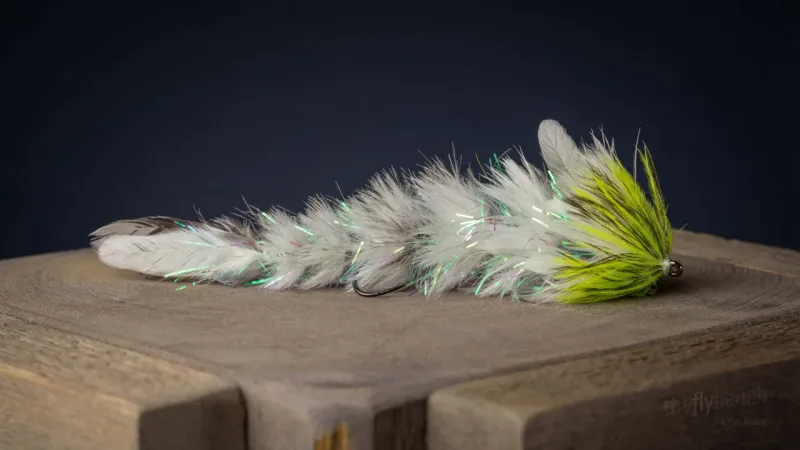
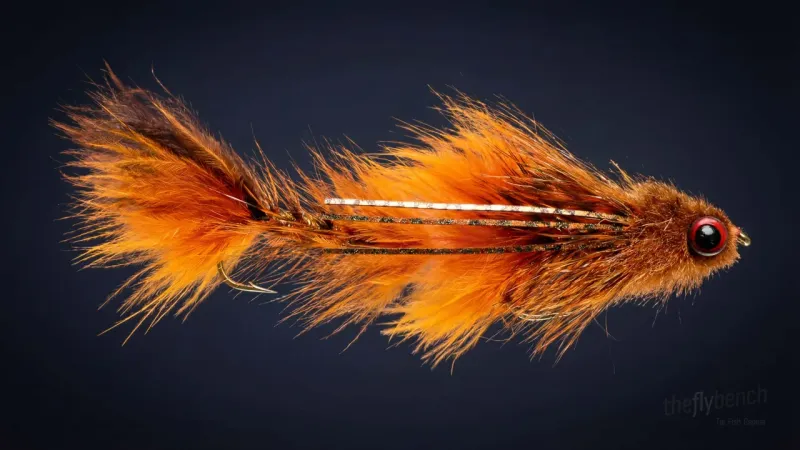
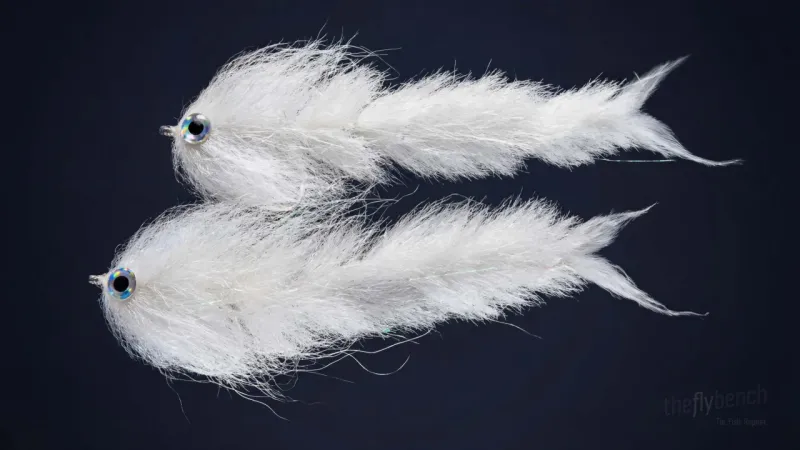
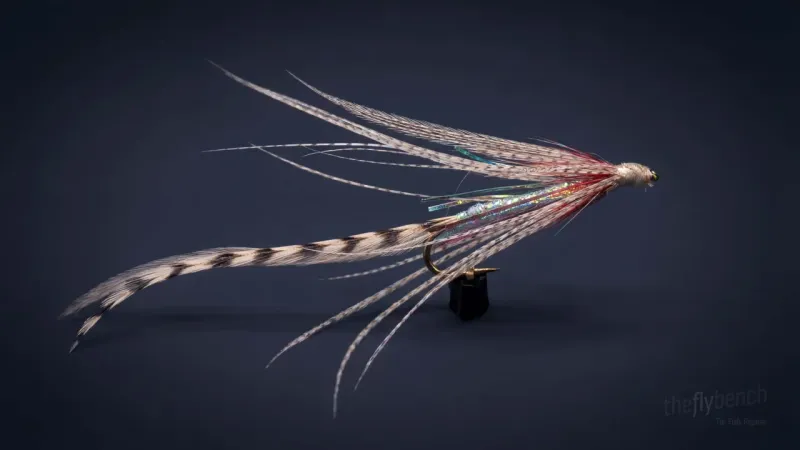
This saltwater fly uses a layered stack of saddle hackles, schlappen, or grizzly feathers tied flat along the shank to create a long, flowing profile. Often paired with synthetic flash and weighted eyes. Built on strong saltwater hooks for stripers or tarpon.
Related patterns
Behavior & presentation
- Natural Behavior
- Coastal baitfish schools turn in unison with silvery flanks flashing, creating visual disturbance as the group evades predators. Gamefish crash these concentrations from below because panicked baitfish scatter into easy individual targets.
- Where Trout Eat It
- Predators ambush near rip currents, bridge pilings, jetties, and channel edges in coastal zones at depths of 0-15 feet.
- How to Fish It
- Employ aggressive two-hand strip retrieves with 6-12 inch pulls and brief pauses, varying cadence to imitate fleeing baitfish.
- Best Water
- Target rip currents, bridge pilings, jetties, channel edges, and structure where baitfish schools concentrate in coastal surf zones.
- Strike Type
- Saltwater gamefish strike with violent hits mid-retrieve, often hooking themselves on the strip-set. Feel for heavy pulls or line-ripping runs as stripers crash the baitfish profile.
Fishing strategy
- Rigging Suggestions
- Use a 9-foot leader with 20-30 lb fluorocarbon tippet for abrasion resistance. Employ a 9-10 weight rod with intermediate or fast-sinking line depending on current and depth requirements.
- Seasonal Timing
- May through October in Northeast coastal waters, with peak productivity during June-July when baitfish schools concentrate and September-October during migrations. Water temperatures of 58-72°F trigger aggressive feeding.
- Pro Tips
- White and chartreuse variations excel in stained water. Match profile and color to local baitfish species like sand eels, herring, or silversides for consistent hookups.
Entomology
Coastal baitfish like menhaden and herring swim in massive schools near the surface, their silvery flanks flashing as the group turns in unison to evade predators. Striped bass and bluefish crash these schools from below because the concentration of prey allows multiple captures in a single feeding event, and the panicked baitfish scatter into easy individual targets.
- Organism
- baitfish
- Life stage
- general
Pattern details
- Saltwater
- Northeast
- active-retrieve
- strip-retrieve
- high-water
- flats