


Overview
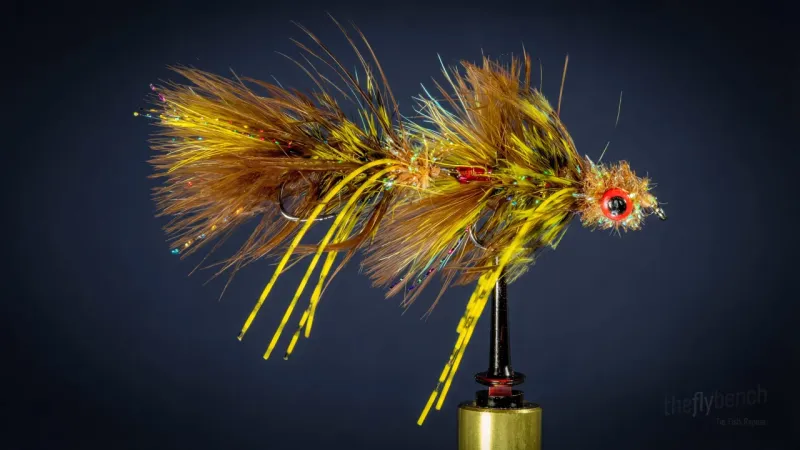
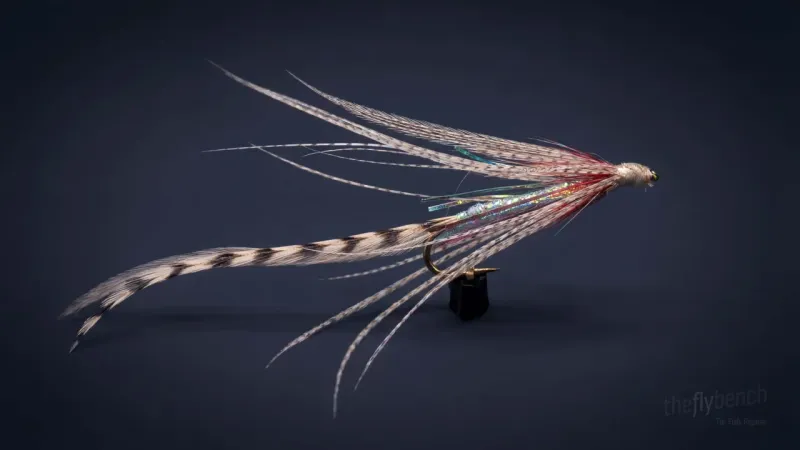
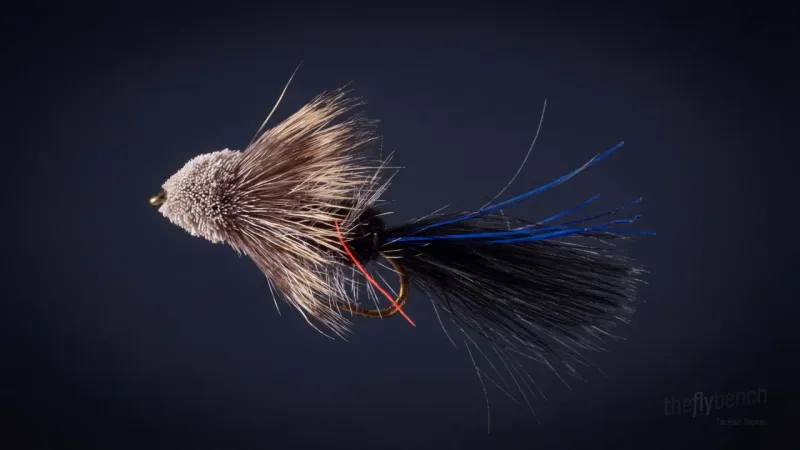
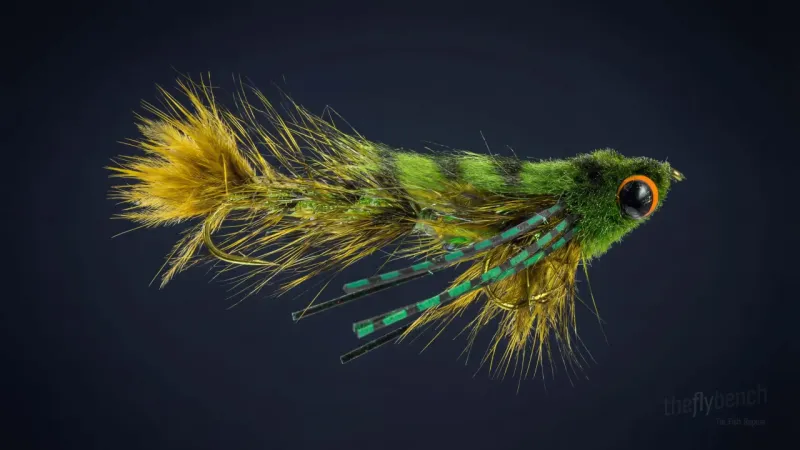
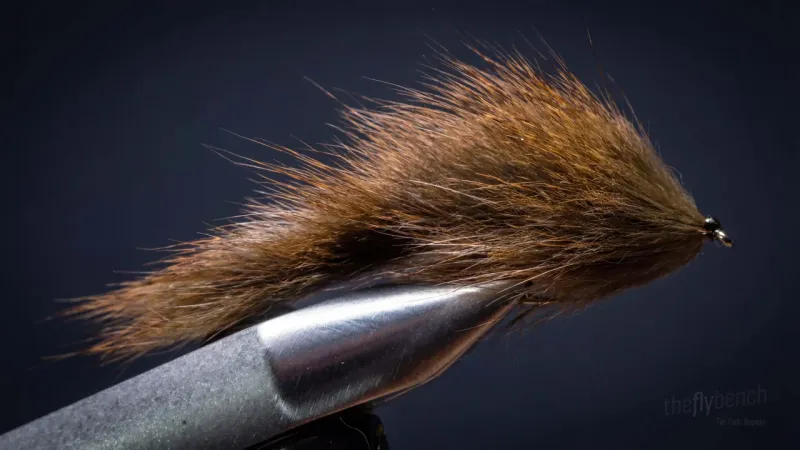
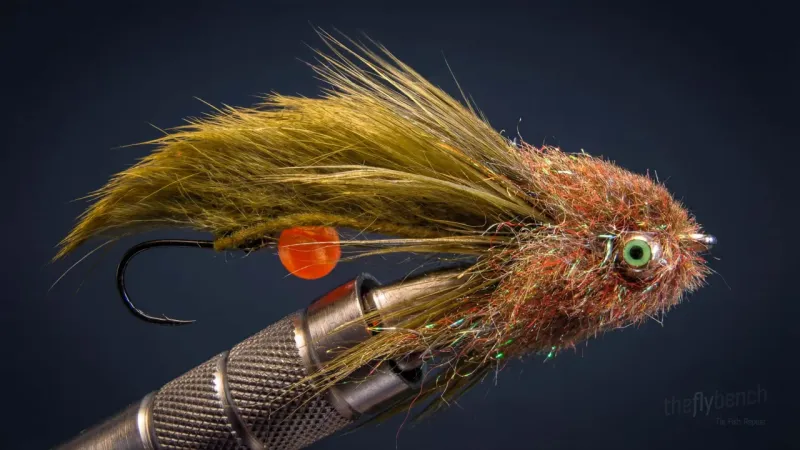
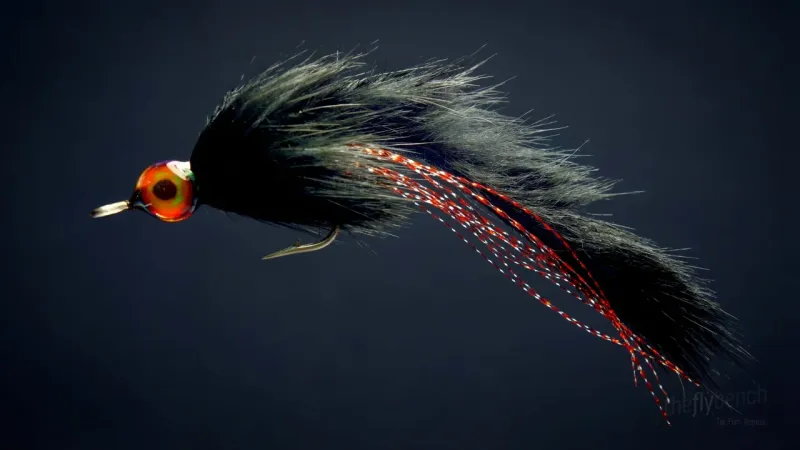
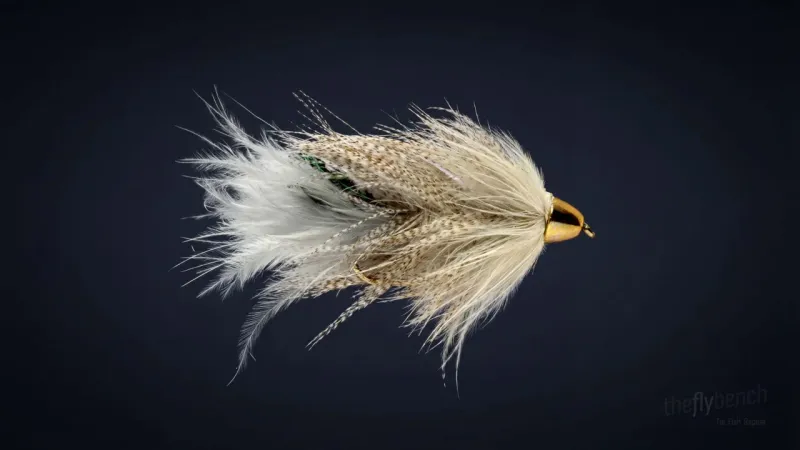
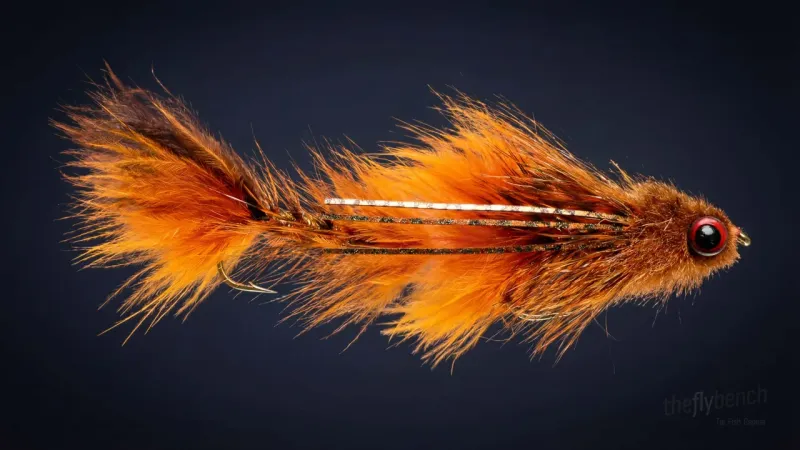
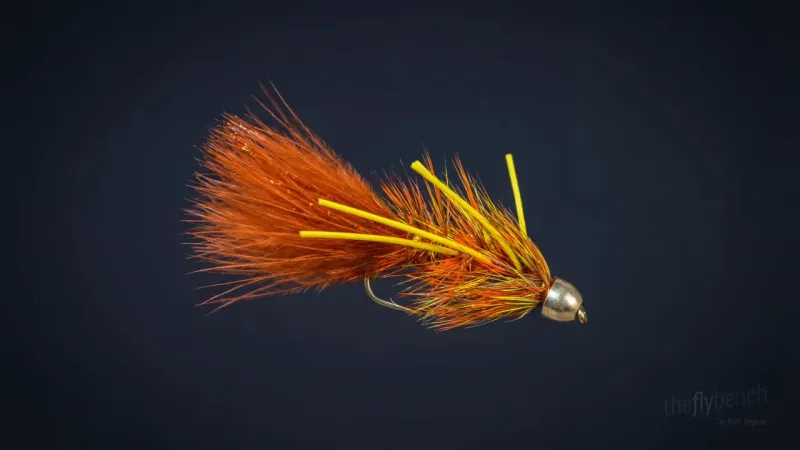
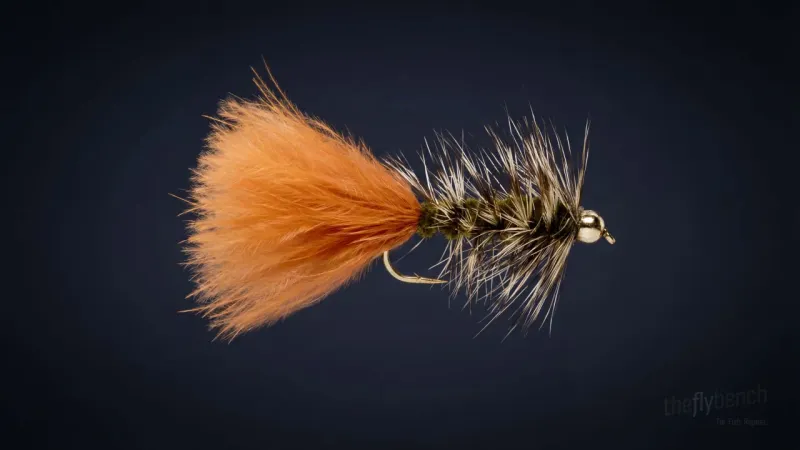
An oversized version of the classic Woolly Bugger, tied with extra-long marabou tail, flash, and chenille body. It's designed for big fish and big water — excellent for targeting aggressive trout or bass.
Related patterns
Behavior & presentation
- Natural Behavior
- When fleeing predators, sculpins and juvenile trout pause momentarily before darting unpredictably in new directions, appearing disoriented near substrate. This erratic escape behavior signals vulnerability that large fish exploit.
- Where Trout Eat It
- Large predatory fish hold in deep pools (6-15 feet), heavy current seams, and drop-offs where they ambush disoriented baitfish.
- How to Fish It
- Cast upstream to give weighted fly time to sink. Strip aggressively with 6-12 inch pulls and pauses. Swing technique: mend upstream, kick out line, then work fly through target zone.
- Best Water
- Deep pools with minimal current, undercut banks with deep runs adjacent to main current, and channel drop-offs from 4-12 feet where large fish stage.
- Strike Type
- Large fish crush the oversized fly with authority; the line goes instantly tight and the rod bends deep.
Fishing strategy
- Rigging Suggestions
- Use 9-foot leaders with 3X tippet (8-10 lb test). Cone head provides weight, but add split shot for deeper presentations. Use sinking or intermediate line in lake.
- Seasonal Timing
- Year-round effectiveness with peak productivity (April-June) and (September-November) when large trout feed aggressively. Water temperatures 45-65°F produce most consistent results.
- Pro Tips
- The substantial profile and cone head create strong silhouette and vibration that trigger aggressive strikes. The marabou tail pulses with lifelike movement. Excellent search pattern when fish location is unknown or for covering water quickly.
From River & Run
Open River & RunWhere to fish it
Rivers anglers pair with this fly, with local shops that stock it.
MontanaBig Hole RiverSee fly shopsMontanaMadison RiverSee fly shopsMontanaYellowstone RiverSee fly shops
River details and fly shops from River & Run, our sister site.
Entomology
Baitfish like sculpins and juvenile trout dart erratically when threatened, pausing momentarily before fleeing in unpredictable directions to evade predators. Large predatory fish key on these vulnerable movements, particularly targeting disoriented or injured specimens that struggle near the substrate or in current seams, making them high-calorie meals worth the energy expenditure.
- Organism
- baitfish
- Life stage
- general
Pattern details
- Stillwater
- Moving Water
- Rocky Mountain
- Northeast
- active-retrieve
- strip-retrieve
- woolly-bugger-family
- classic
- swing