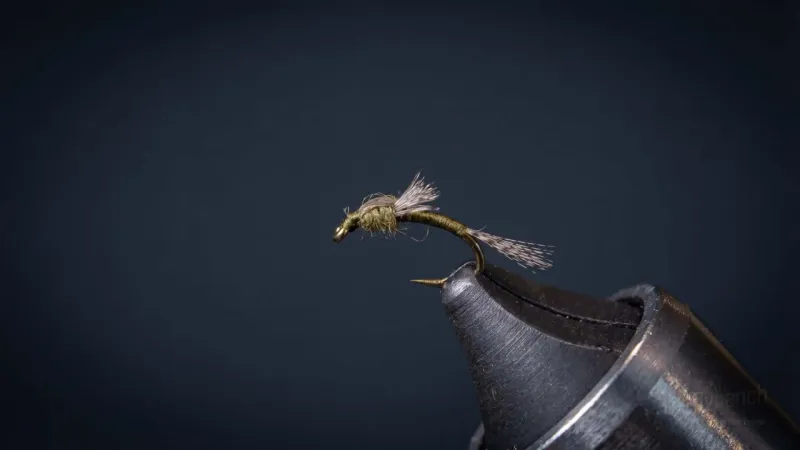
NymphEgan's Tungsten Surveyor
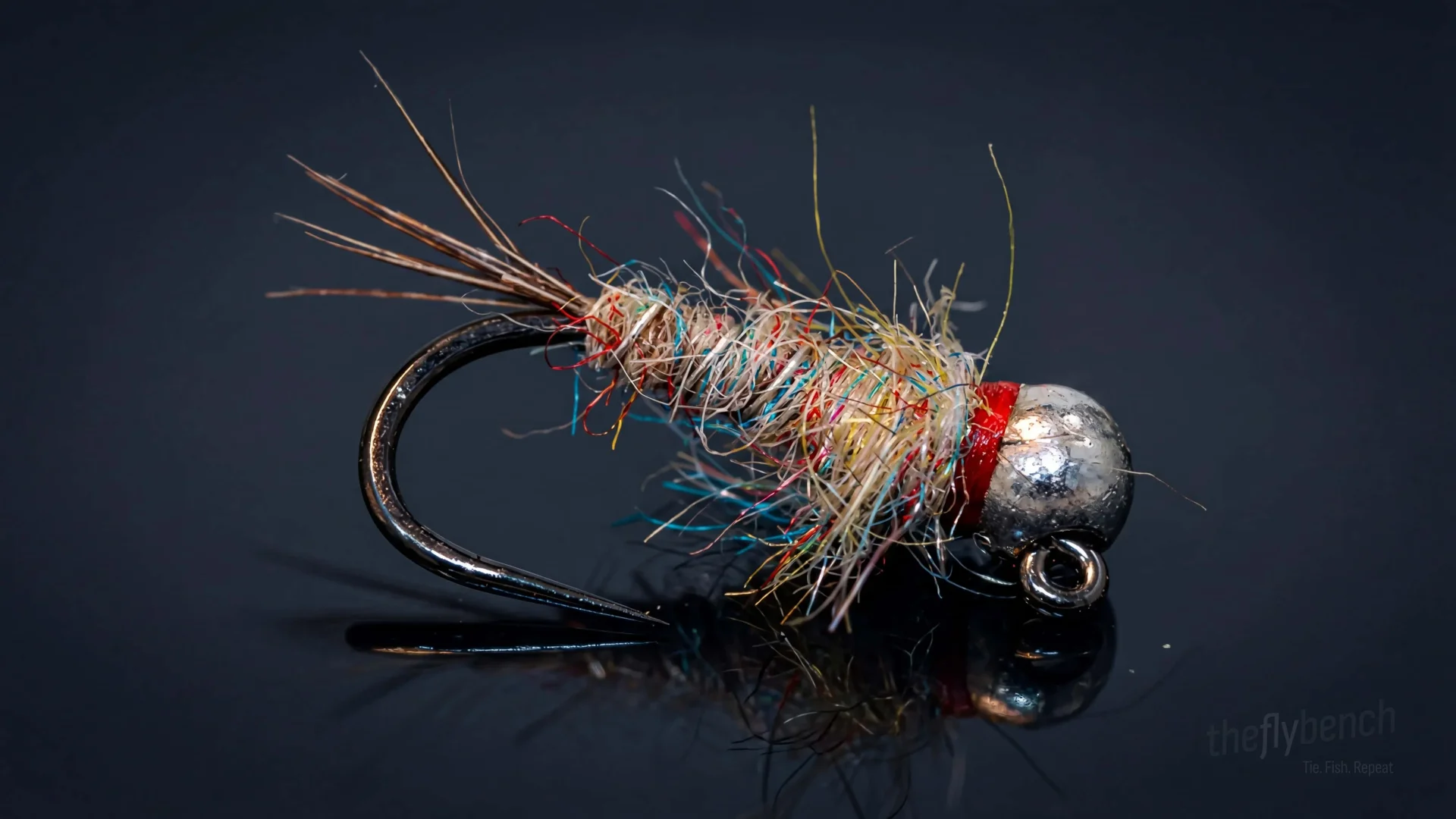
A flashy, slender attractor nymph from Lance Egan's proven Euro nymph lineup. The Tungsten Surveyor combines a bright pink hotspot, icy body, and heavy bead to get down quickly and turn heads—even in pressured water.
Year Round
Intermediate
Trout
Apr 2025
Overview
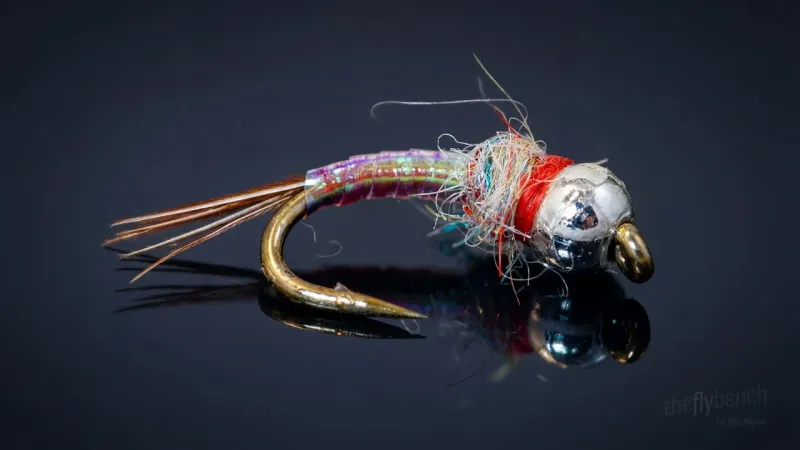
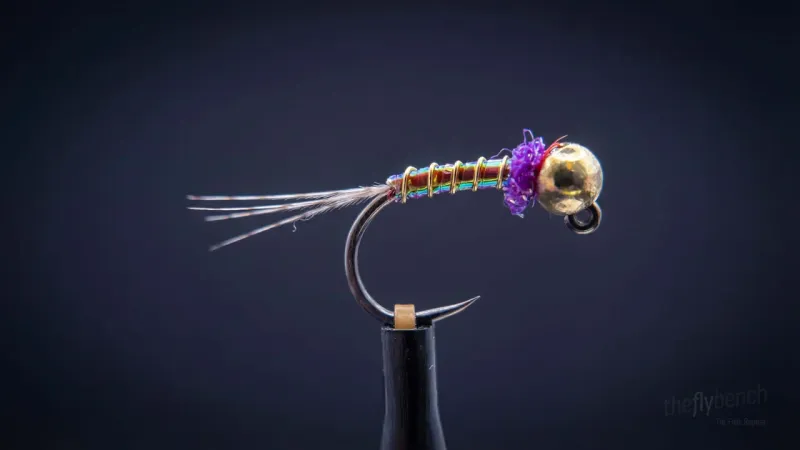
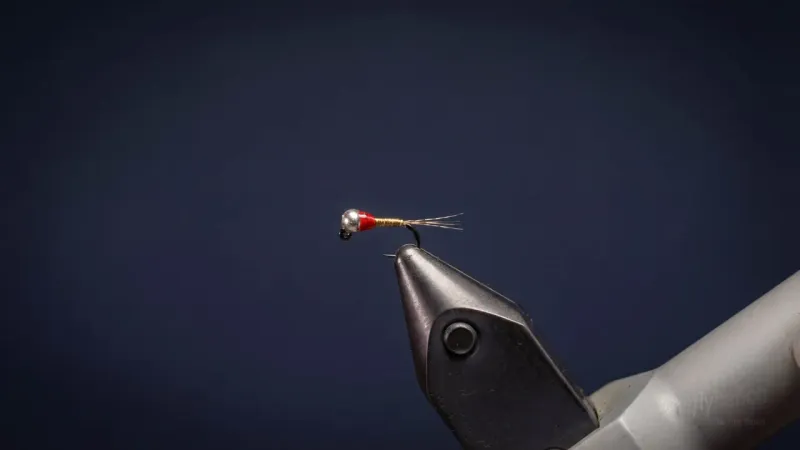
Egan's Tungsten Surveyor is a flashy Euro-nymph tied with a bright red hot spot, pearl tinsel body, and ice dubbing thorax for maximum attraction. A slotted tungsten bead gives it a fast sink rate, making it ideal for tight-line nymphing. The sparse, slim profile cuts through current and triggers aggressive takes, especially in clear or pressured water.
Where to Buy This Fly
We only link to fly shops we trust. Some links are referral links, which may earn us a commission at no extra cost to you.
Materials
- Hook:
- Hanak H 400 BL Jig Hook - 14
- Bead:
- Hareline Slotted Tungsten Beads - Silver - 7/64\ (2.8mm)
- Thread:
- UTC Ultrathread 70 Denier - Red
- Body:
- Lead Wire Spool - .010
- Tail:
- Nature's Spirit Ringneck Pheasant Center Tails - Natural
- Ribbing:
- UTC Ultra Wire - Silver - Small
- Body/Thorax:
- Wapsi Sow Scud Dubbing - Rainbow
Behavior & Presentation
Natural Behavior: Mayfly nymphs cling to rocks in moderate to fast currents, using flattened bodies to resist flow while grazing on algae and detritus. During behavioral drift at dawn and dusk, they release their grip and tumble downstream with legs and tails extended in a vulnerable posture that makes them easy targets in predictable drift lanes through tailwater runs and freestone riffles.
Where Trout Eat It: Trout hold near the bottom in runs and riffles, intercepting nymphs as they bounce along the streambed.
How to Fish It: Use Euro nymphing or high-stick techniques to maintain contact as the fly drifts along bottom structure.
Best Water: Most productive in pockets, runs, and riffles where current velocity creates natural tumbling drift lanes.
Strike Type: Using Euro nymphing or high-stick techniques to maintain contact as the fly bounces along bottom structure, strikes appear as sighter sag or sudden weight. The flashy rainbow dubbing and red hot spot trigger aggressive takes — watch for sharp ticks or line pauses in pockets and runs.
Fishing Strategy
Rigging Suggestions: Use as part of a multi-nymph rig, either as point fly or dropper. Pair with 4X or 5X tippet and adjust split shot based on current speed.
Seasonal Timing: year-round pattern with consistent effectiveness, particularly productive during mayfly emergences from April through June and September through October. Particularly effective during mayfly hatches when nymphs are active.
Pro Tips: The tungsten bead provides rapid sink rate to reach feeding zones quickly in deep or fast water. Watch your indicator or sighter carefully for subtle movements. This pattern excels when fish are holding deep.
Entomology
Mayfly nymphs cling to rocks and vegetation in moderate to fast currents, using their flattened bodies and strong legs to maintain position while grazing on algae and detritus. These nymphs exhibit regular behavioral drift patterns, releasing from the substrate and tumbling downstream with tails and legs extended in a vulnerable posture that makes them easy targets. Their predictable drift timing during low-light periods and their abundance in productive runs and riffles make them a primary food source for trout in tailwaters and freestone streams.
- Order
- Ephemeroptera
- Common Name
- Mayfly
- Organism Type
- insect
- Life Stage
- nymph