


Overview
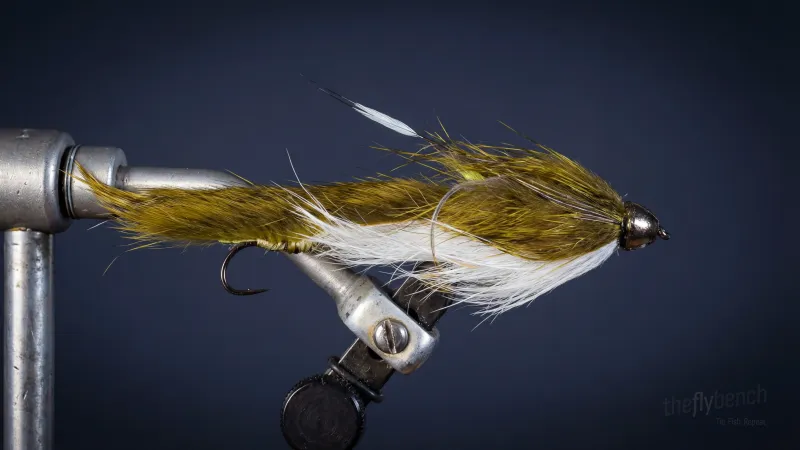
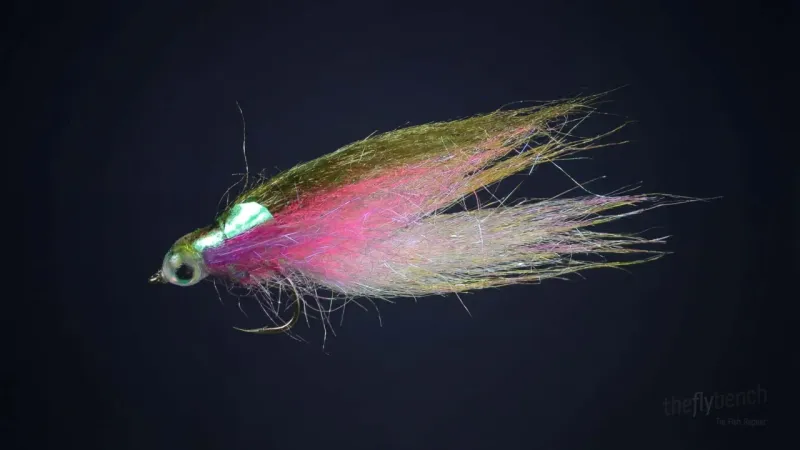
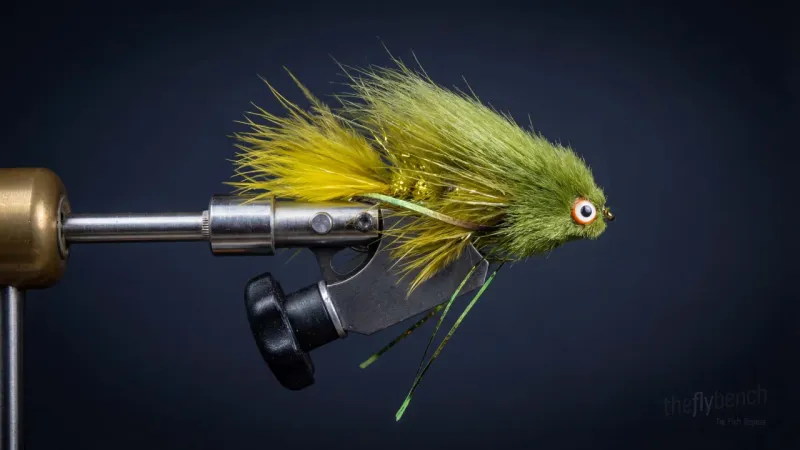
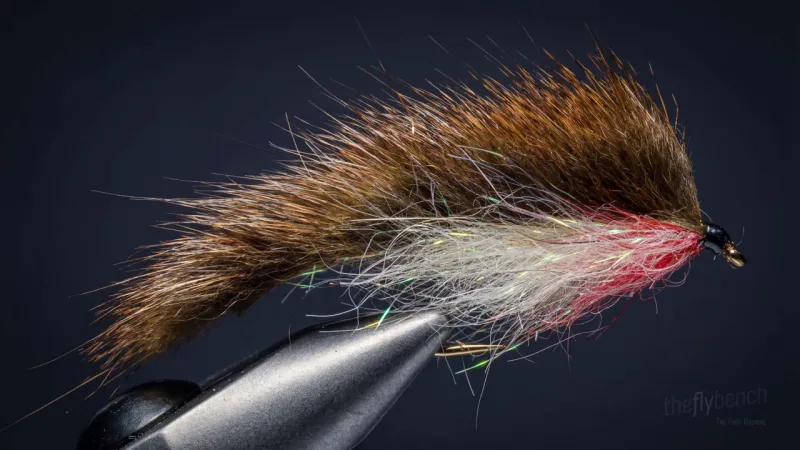
The Dolly Llama (sometimes spelled Dalai Lama) was developed for Alaska's Dolly Varden char, which are aggressive predators that respond well to large, flashy streamers. Like the Gold Creek Special, this pattern uses a stinger hook system with the body hook's bend removed to eliminate leverage-assisted hook escapes. The two-tone rabbit strip construction—olive over white—mimics the natural coloring of juvenile salmon and sculpin, both primary prey for Dolly Varden. Color variations include black/white, pink/white, and chartreuse/white to match different forage species.
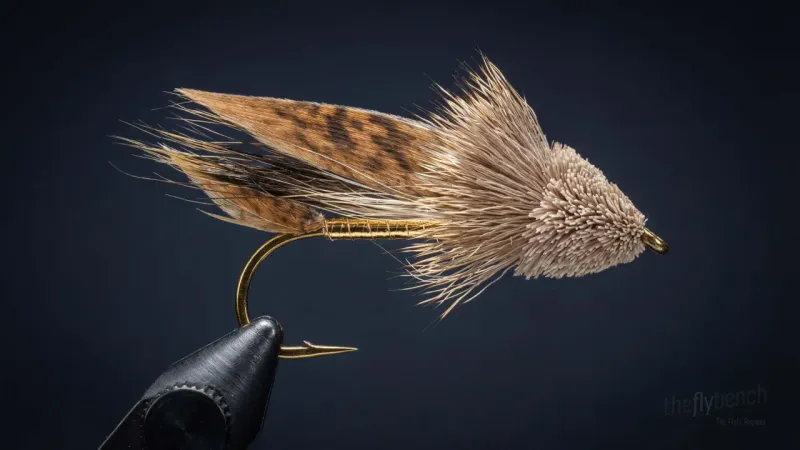
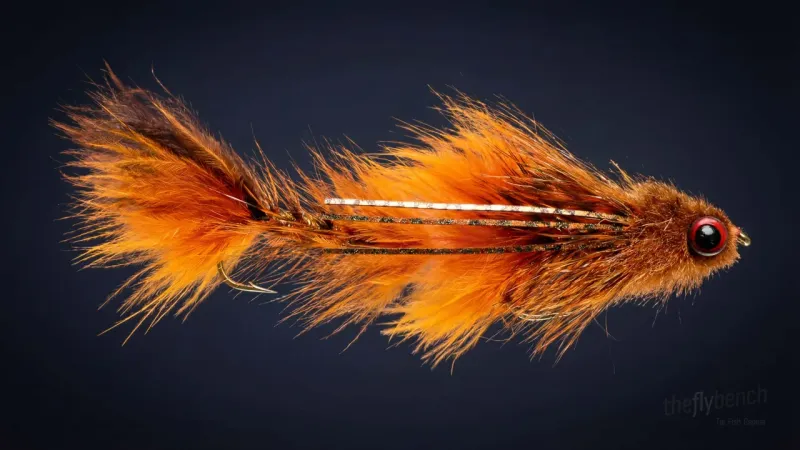
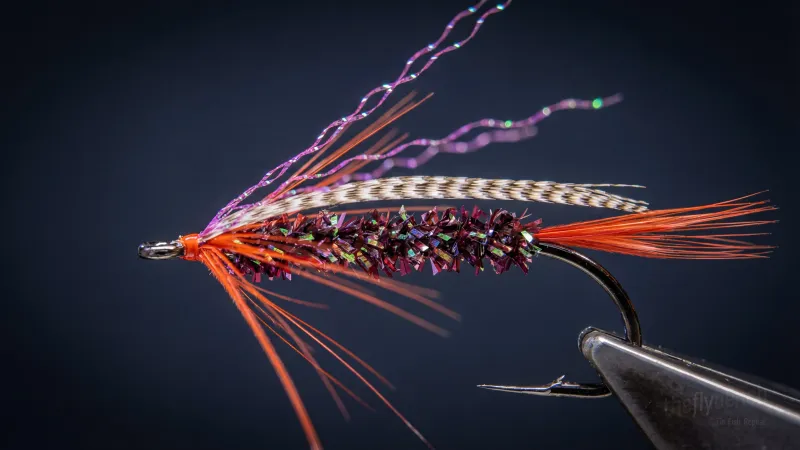
Related patterns

Behavior & presentation
- Natural Behavior
- Baitfish and leeches swim with pulsing movements, darting erratically when pursued or undulating steadily while hunting. Injured prey flutter helplessly in current.
- Where Trout Eat It
- Predatory fish ambush prey near structure, drop-offs, undercuts, and channel swings.
- How to Fish It
- Strip with varied speeds to simulate fleeing or injured prey, pausing to trigger strikes.
- Best Water
- Drop-offs, channel swings, undercuts, weed edges, and structure in rivers and lakes.
- Strike Type
- Aggressive strikes ranging from subtle taps during pauses to violent grabs as fish commit.
Fishing strategy
- Rigging Suggestions
- 6-8wt rod with sink-tip or full sinking line. 0X-2X fluorocarbon, 4-6ft length. Heavier rod turns over bulky fly. Ensure FireLine stinger loop secure and trails freely.
- Seasonal Timing
- Most productive midsummer through late fall (July-November) during and after salmon spawning when Dolly Varden feed on eggs, flesh, fry preparing for winter. Also effective during spring fry outmigration because juveniles are vulnerable.
- Pro Tips
- Nickel cone sinks fly quickly, reaching bottom in 4-8ft. Olive/white provides excellent contrast. Pearl Flashabou adds subtle flash. Both rabbit strips undulate continuously, even during pauses.
Entomology
Juvenile salmon and trout fry travel in loose schools through shallow water, their silvery flanks flashing as they forage nervously near protective cover. When separated from the group, individual baitfish panic and swim erratically with exaggerated tail beats that broadcast their vulnerability. Char and larger trout hunt these young fish relentlessly because juveniles represent the perfect size-to-nutrition ratio, providing maximum calories while still being small enough to consume in a single strike.
- Organism
- baitfish
- Life stage
- general
Pattern details
- Moving Water
- Alaska
- active-retrieve
- strip-retrieve
- attractor
- searching-pattern