
Overview
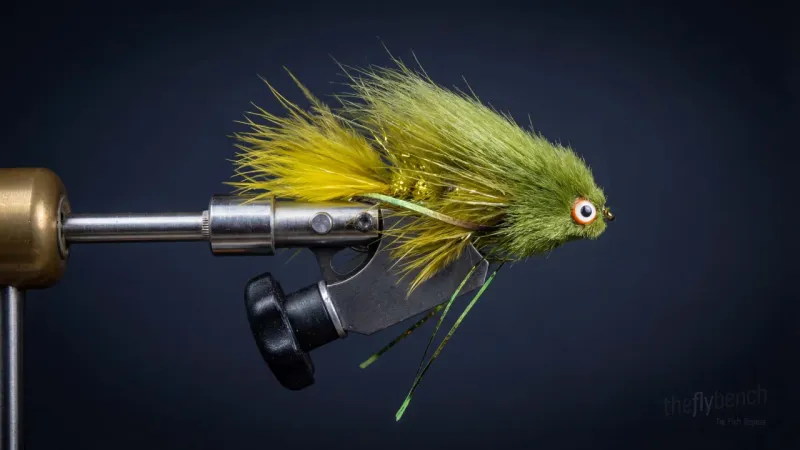
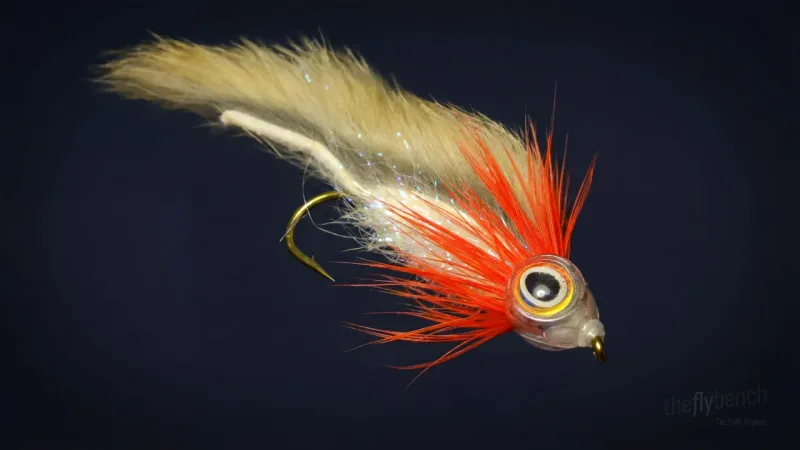
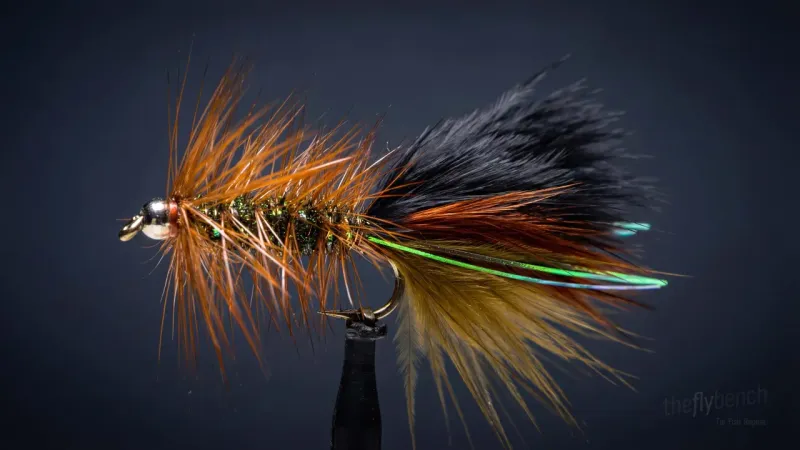
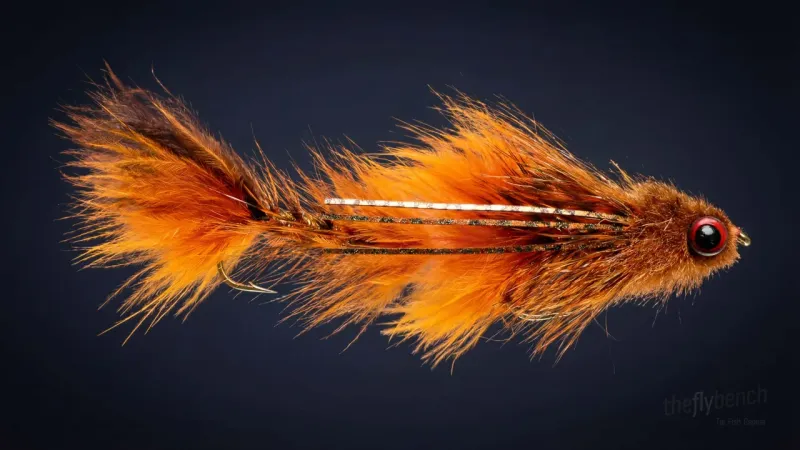
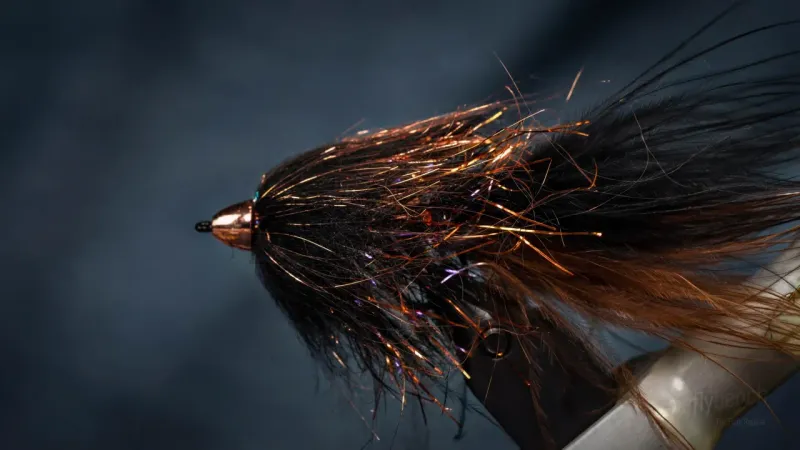
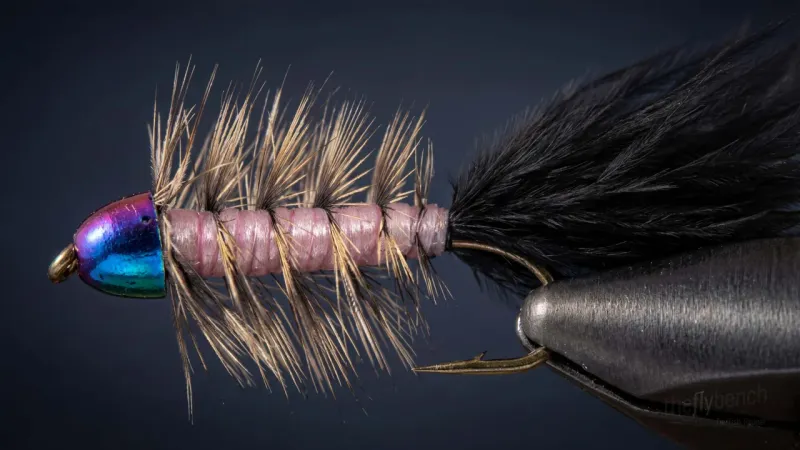
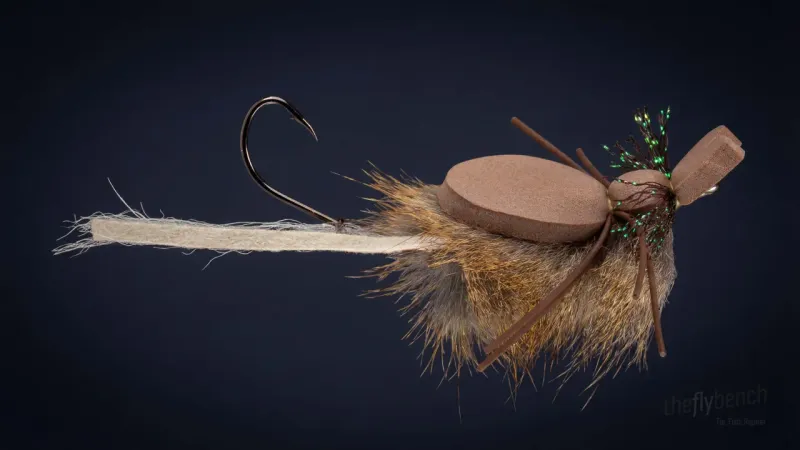
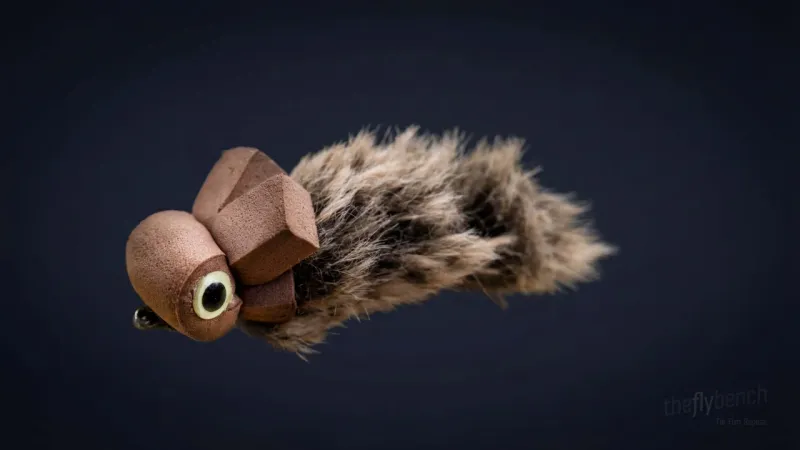
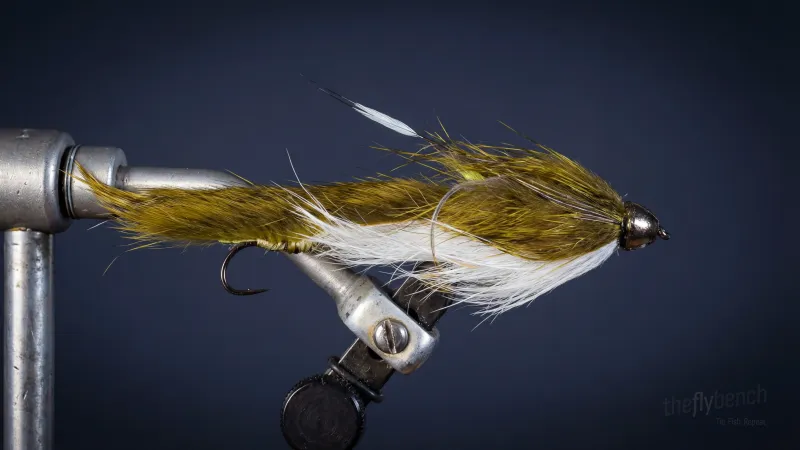
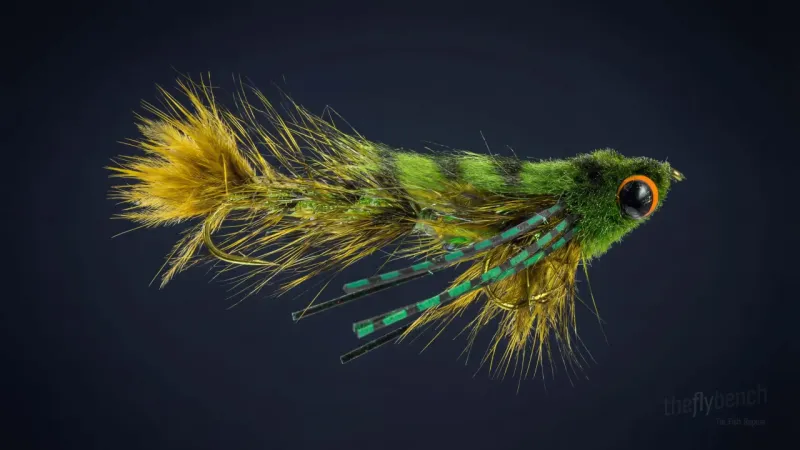
The original Gonga is a single-hook streamer designed to imitate baitfish with a realistic profile and enticing movement. It features a stacked marabou tail and a spun deer hair head trimmed to shape, often finished with a conehead or bead for weight. Flash is blended into the body for visual appeal, and the fly is commonly tied in olive, black, or tan to match local forage. It's an easy-to-cast, versatile streamer that excels on both floating and sinking lines.
Related patterns
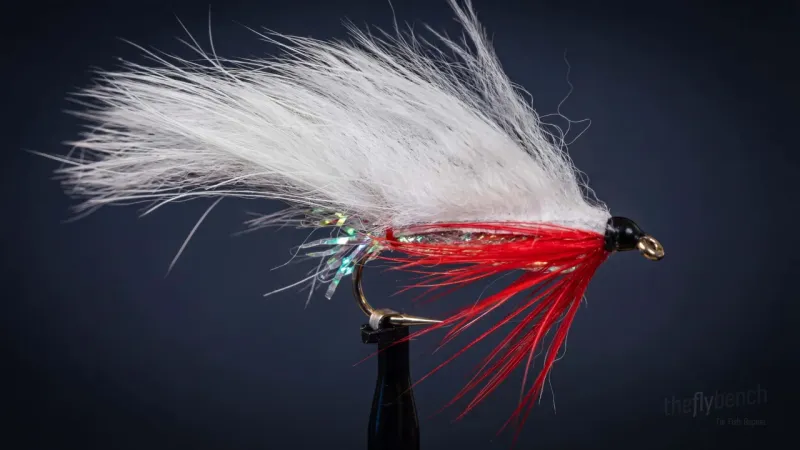
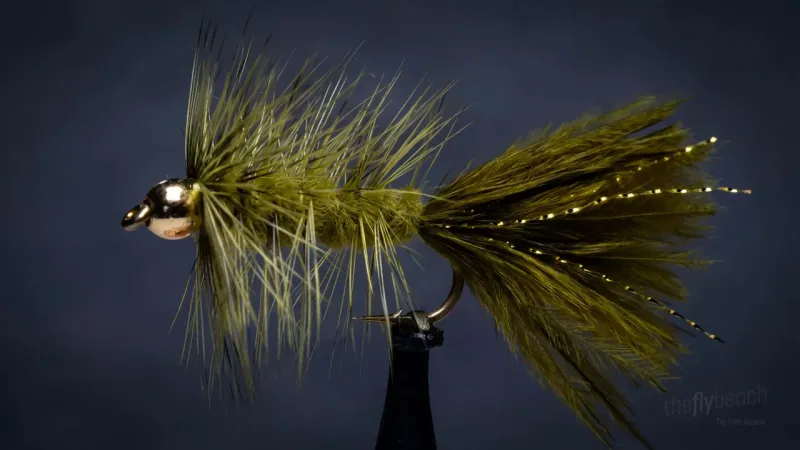
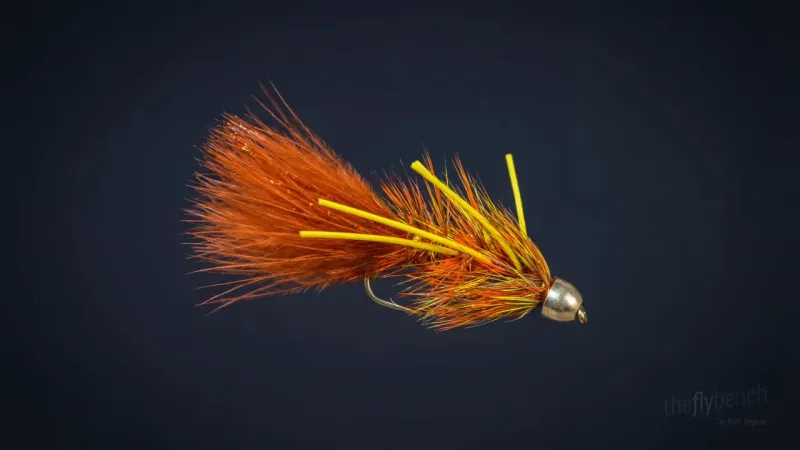
Behavior & presentation
- Natural Behavior
- This generic nymph profile imitates multiple mayfly and stonefly species tumbling in current after dislodgement. The hot spot and flash trigger strikes from fish feeding opportunistically on drifting invertebrates.
- Where Trout Eat It
- Predatory fish attack this from structure in deeper water where the Polar Fiber head pushes sound waves ahead, transmitting vibrations that trigger strikes from distance.
- How to Fish It
- Use rip-and-strip retrieve or dead drift with rod tip pulses. The barbell eyes positioned on bottom create jigging movement.
- Best Water
- Deeper pools with undercut banks and channel swings where the fly can jig and pulse near holding lies.
- Strike Type
- Indicator dips or line tightens during drift as fish intercept the tumbling nymph.
Fishing strategy
- Rigging Suggestions
- Use a 7 to 9-foot leader with a 0X to 2X tippet. A sink tip or full sinking line can help get the fly down in deeper or faster water. -
- Seasonal Timing
- Effective during peak feeding periods when water temperatures and conditions support active feeding behavior.
- Pro Tips
- The Gonga is a large, visible fly that sinks and moves a lot of water. Its dark colors make it an effective silhouette in a variety of conditions.
Where to fish it
Rivers anglers pair with this fly, with local shops that stock it.
River details and fly shops from River & Run, our sister site.
Entomology
Large baitfish and leeches move through deeper water with pronounced tail kicks and body rolls that create significant water displacement and vibration. Predatory fish detect these pressure waves and substantial silhouettes from distance, triggering aggressive strikes on what appears to be a single large meal worth expending significant energy to capture.
- Organism
- baitfish
- Life stage
- general
Pattern details
- Moving Water
- Rocky Mountain
- active-retrieve
- strip-retrieve
- searching-pattern
- swing