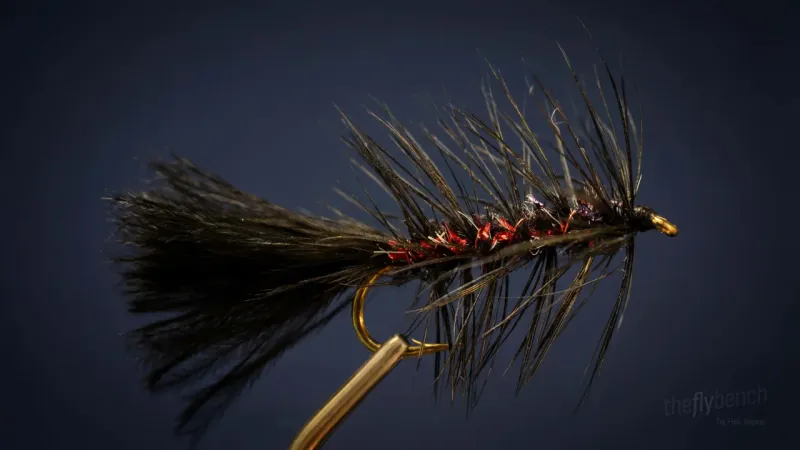
StreamersHot Spot Muddler
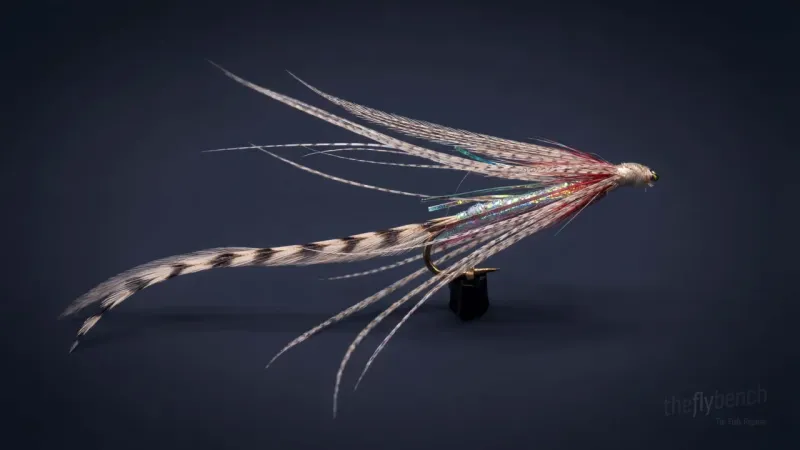
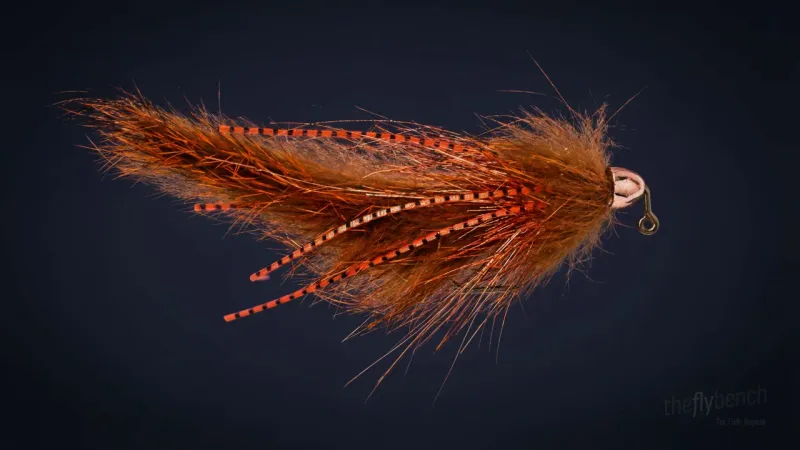
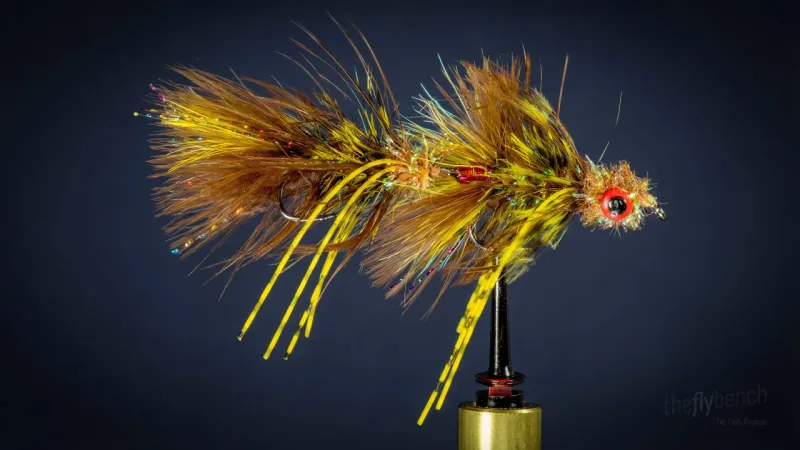
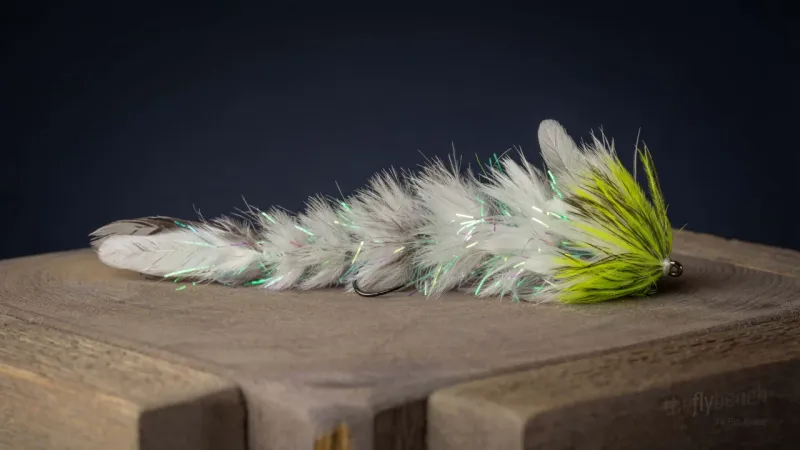
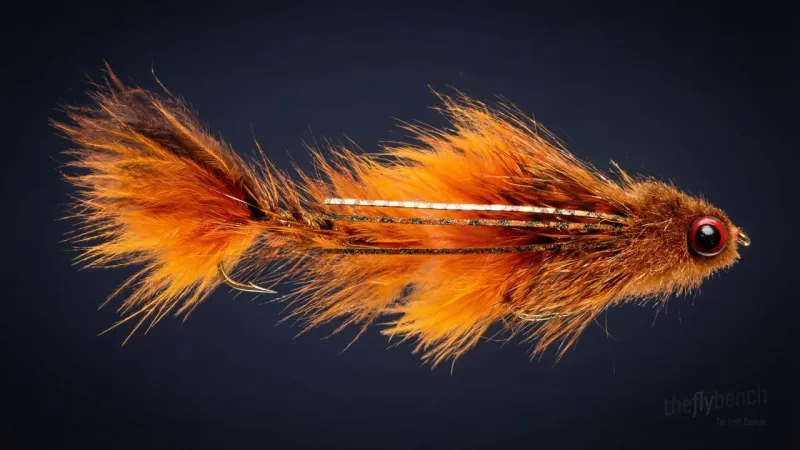
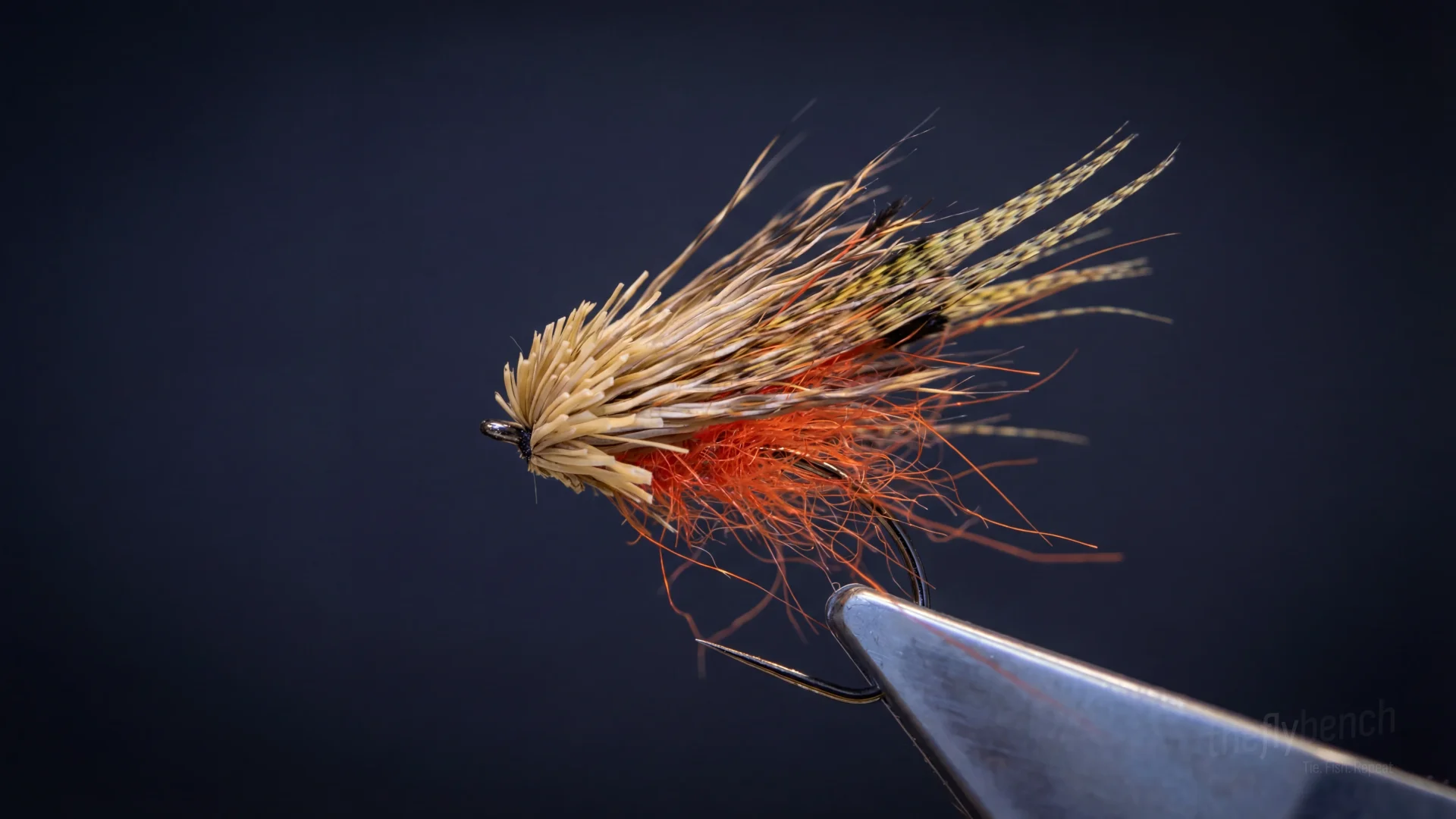
The Hot Spot Muddler pairs a bright hot-orange seal's fur body and Lady Amherst underwing with a sparse olive pintail flank wing, creating a baitfish silhouette with attraction built in. A clipped olive deer hair head and collar pushes water on the retrieve, giving it the pulsing profile of an injured baitfish.
Spring, Summer, Fall
Beginner
Trout
Feb 2026
Overview
Hans Weilenmann's take on the muddler formula swaps in seal's fur and Lady Amherst tippets for the hot spot, a detail meant to trigger reaction strikes even when fish aren't actively feeding. The sparse olive wing keeps the fly from becoming waterlogged, so the deer hair head still pushes a visible wake on a strip retrieve. It's a straightforward, beginner-friendly tie that works as a searching pattern in both rivers and stillwaters. Strip it in short pulls to imitate a baitfish breaking away from the school.
Where to Buy This Fly
We only link to fly shops we trust. Some links are referral links, which may earn us a commission at no extra cost to you.
Materials
- Hook:
- Grip 14723BL #8
- Thread:
- Sparton 6/0, black
- Body:
- Seal's fur, hot orange - in split thread
- Hot spot underwing:
- Lady Amherst tippets, dyed hot orange
- Wing:
- Pintail flank barbs, dyed olive - sparse
- Head/collar:
- Deer hair, dyed olive
Behavior & Presentation
Natural Behavior: Baitfish school in open water and along structure edges, fleeing erratically when threatened by predators with sudden directional changes and panicked acceleration. Trout target injured or disoriented individuals that separate from schools because these vulnerable prey require less energy to capture.
Where Trout Eat It: Trout attack this in fast turbulent water where bulky profile and bright hot spot stand out against riffle flows.
How to Fish It: Strip in erratic bursts mimicking fleeing sculpin or create surface wake, allowing fly to dangle at swing end longer than expected.
Best Water: Target fast riffles, turbulent runs behind structure, and current breaks where muddler head creates pressure-wave vibration.
Strike Type: Expect aggressive strikes during the strip or at the swing end when the fly dangles. Fish often hit hard enough to wrench the line from your hand if you're not ready.
Fishing Strategy
Rigging Suggestions: 7-9ft 1X-3X leader for large trout and pike. Floating line with unweighted fly for surface wakes, sinking tip for depth. No indicator.
Seasonal Timing: Peak June-August when baitfish abundant and temperatures support active feeding. Fall (September-October) targets pre-spawn trout feeding on juveniles. Low-light hours best because predators patrol actively.
Pro Tips: Bright hot spot mimics injury triggering predatory instincts. Strip aggressively near banks, allow swing into slack water. Deer hair head pushes water creating vibration in murky conditions.
Entomology
Baitfish school tightly when threatened, but individuals constantly break formation to investigate food particles or explore new territory. These exploratory movements leave fish temporarily isolated from the protective anonymity of the school. Predators focus on solitary baitfish because separated individuals lack the confusion effect created by schooling behavior, making strike accuracy much higher and capture probability nearly certain.
- Organism Type
- baitfish
- Life Stage
- general