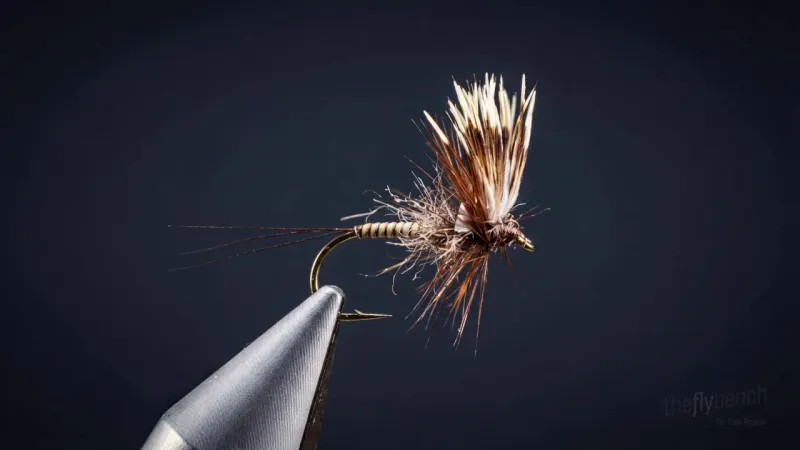
Dry FliesDiving Baetis
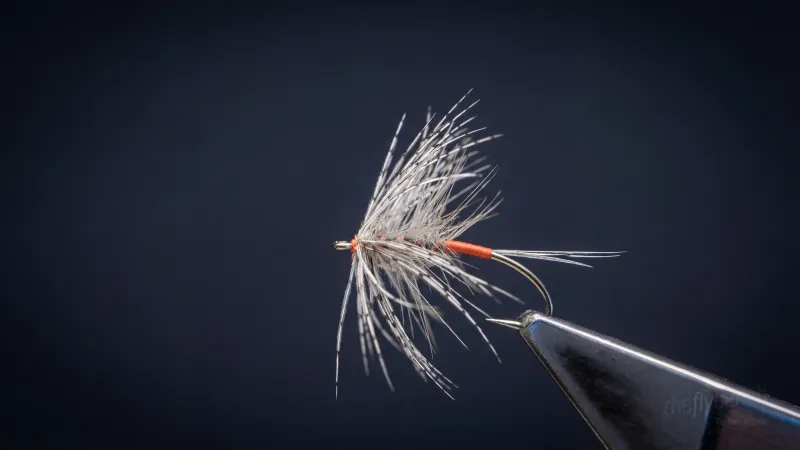
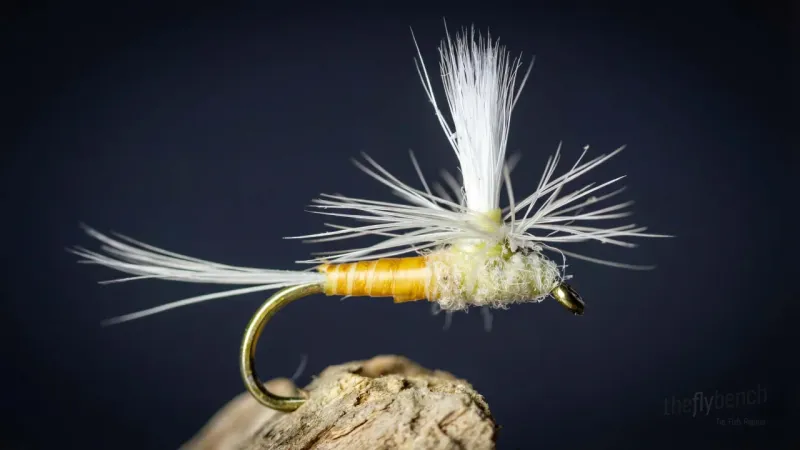
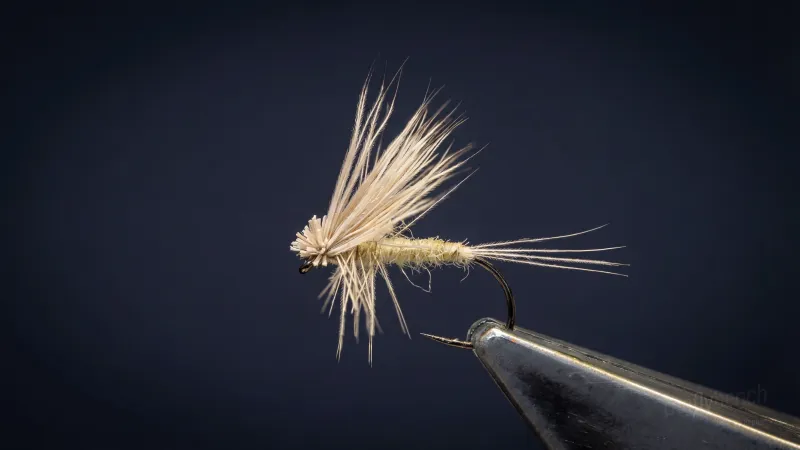
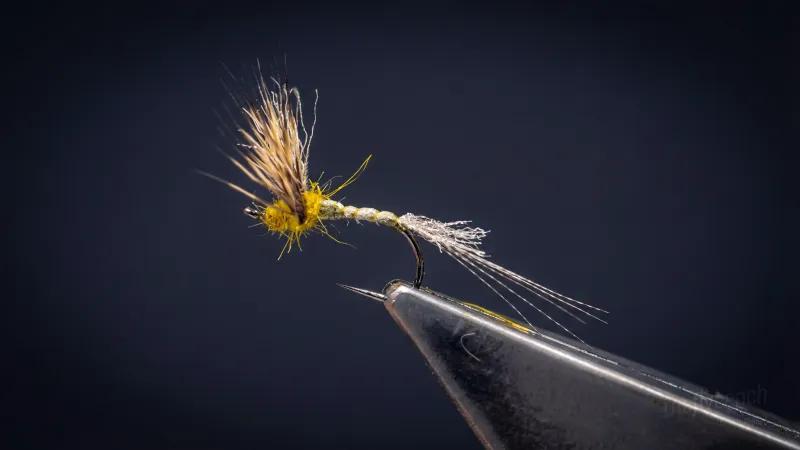
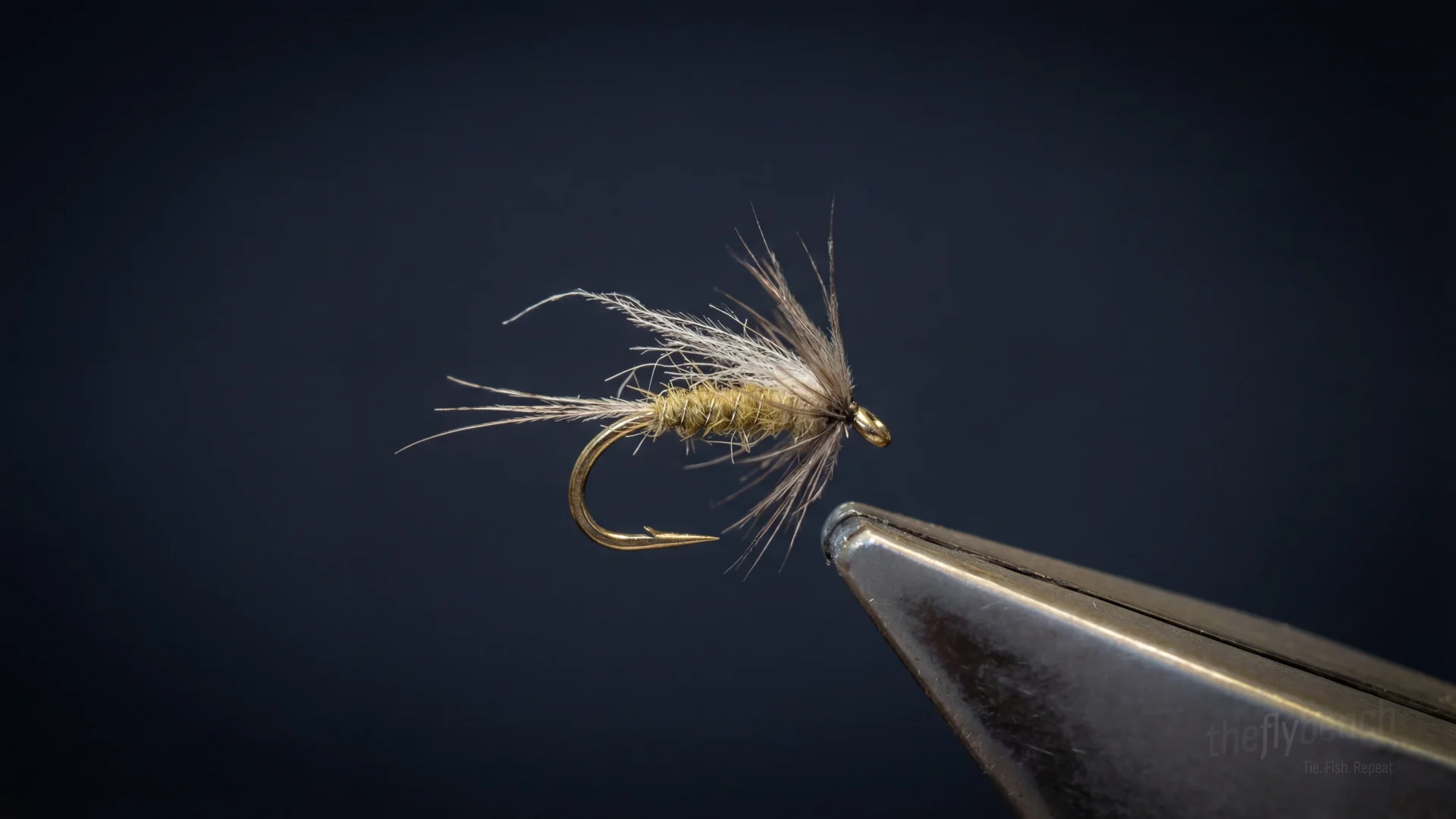
The Diving Baetis, from Hans Weilenmann, targets a spent mayfly resurfacing after crawling underwater to lay eggs. A soft starling hackle and sparse antron wing lie low over an olive rabbit-and-synthetic body ribbed with silver wire, with bronze mallard barbs for the tail.
Spring, Summer, Fall
Intermediate
Trout
Feb 2026
Overview
Hans Weilenmann designed the Diving Baetis to cover an often-overlooked stage of the hatch: the female mayfly's exhausted swim back to the surface after laying eggs underwater. The starling hackle and sparse antron wing sit disheveled rather than upright, echoing a natural that has just fought its way back through the current, while bronze mallard barbs form the tail and a silver wire rib picks out the olive body. Try it on rivers and stillwaters through spring, summer, and fall whenever Baetis are hatching and fish are working just under the surface.
Where to Buy This Fly
We only link to fly shops we trust. Some links are referral links, which may earn us a commission at no extra cost to you.
Materials
- Hook:
- Kamasan B175 #14
- Thread:
- Benecchi 12/0, black
- Hackle:
- Starling
- Rib:
- Wire, silver
- Tail:
- Bronze mallard barbs
- Body:
- Olive, mix of rabbit and synthetic
- Wing:
- Antron, clear and fine - sparse
Behavior & Presentation
Natural Behavior: Small mayflies ride the surface film after emergence, occasionally diving back underwater when disturbed or during egg-laying. This erratic behavior triggers opportunistic strikes.
Where Trout Eat It: Fish target diving mayflies in the upper 12 inches, especially in feeding lanes and seams.
How to Fish It: Fish with periodic subsurface dips during the drift, simulating diving behavior.
Best Water: Seams, tail-outs, slicks, and riffle edges where small mayflies concentrate during hatches.
Strike Type: Quick strikes as fish respond to the diving motion and vulnerable profile.
Fishing Strategy
Rigging Suggestions: Use a 9-12 foot leader tapering to 5X tippet for delicate presentations. Apply floatant to the body and hackle.
Seasonal Timing: Most effective during peak feeding periods at dawn and dusk. Water temperatures between 45-65°F typically produce best results.
Pro Tips: Time your fishing to coincide with egg-laying activity, typically 1-2 hours after peak emergence. The pattern's ability to imitate both floating and diving behavior makes it exceptionally productive during technical baetis hatches.
Entomology
Female mayflies crawl down rocks and vegetation to lay eggs underwater, then swim back to the surface trailing bubbles and struggling to regain flight capability. Fish position near oviposition sites to ambush these returning adults that emerge disoriented and exhausted from their underwater excursion.
- Order
- Ephemeroptera
- Common Name
- Mayfly
- Organism Type
- insect
- Life Stage
- adult