Dry FliesDevil Bug
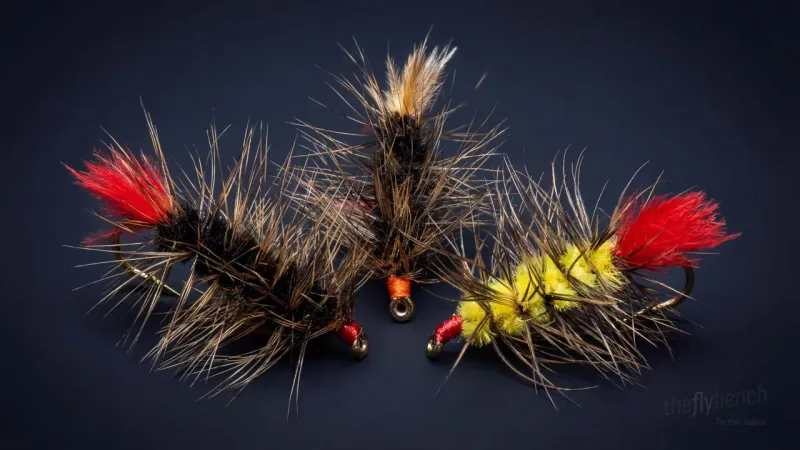
The Devil Bug is a classic pattern known for its effectiveness in stillwater conditions. Its bright colors and unique design draw attention from a variety of fish species, making it a versatile addition to any fly box.
Year Round
Intermediate
Trout, Panfish
Apr 2025
Overview
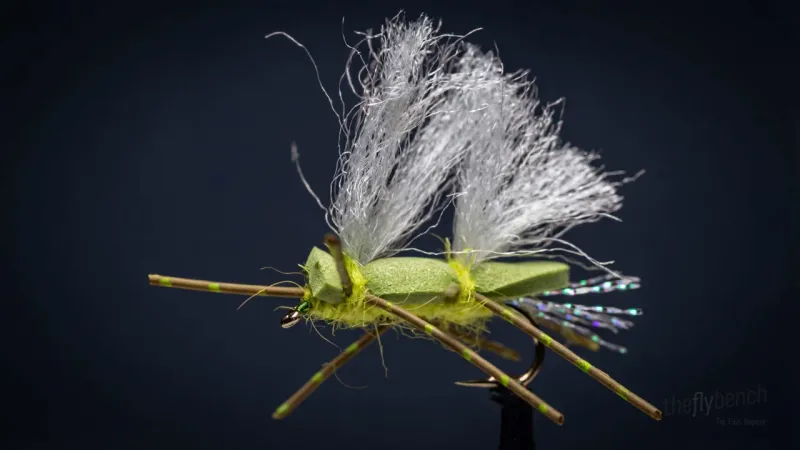
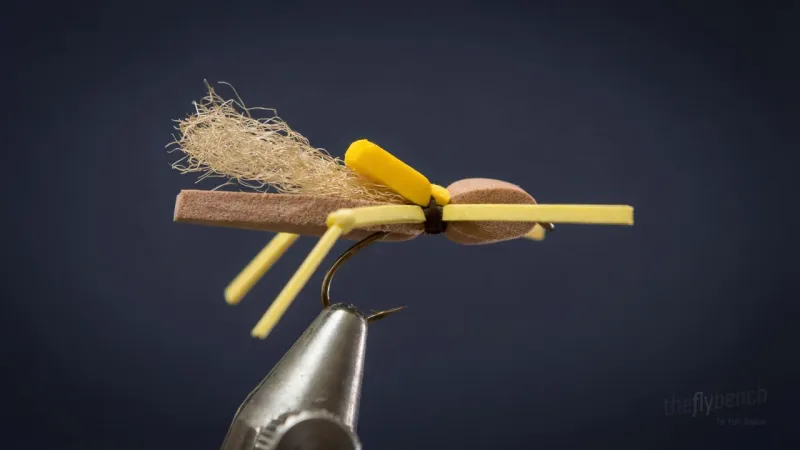
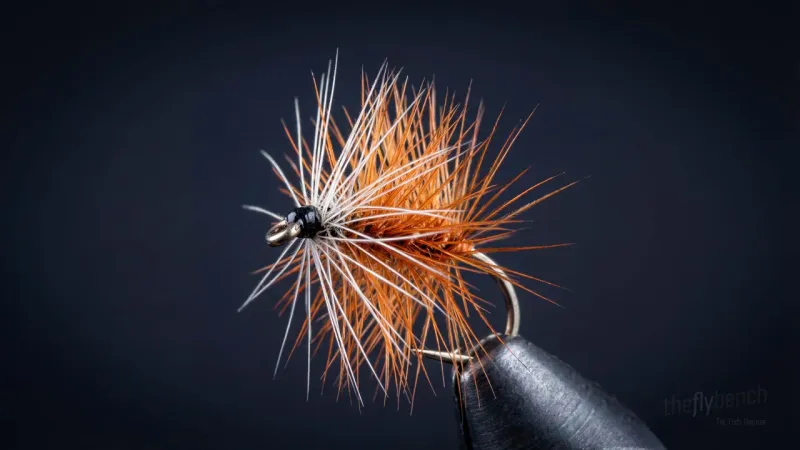
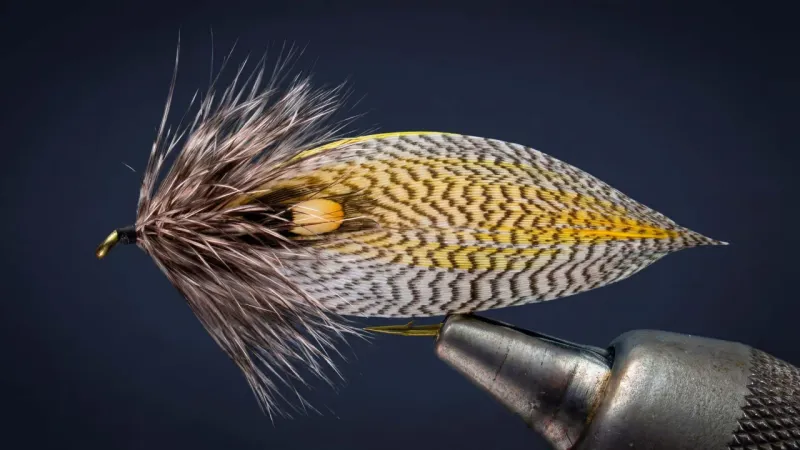
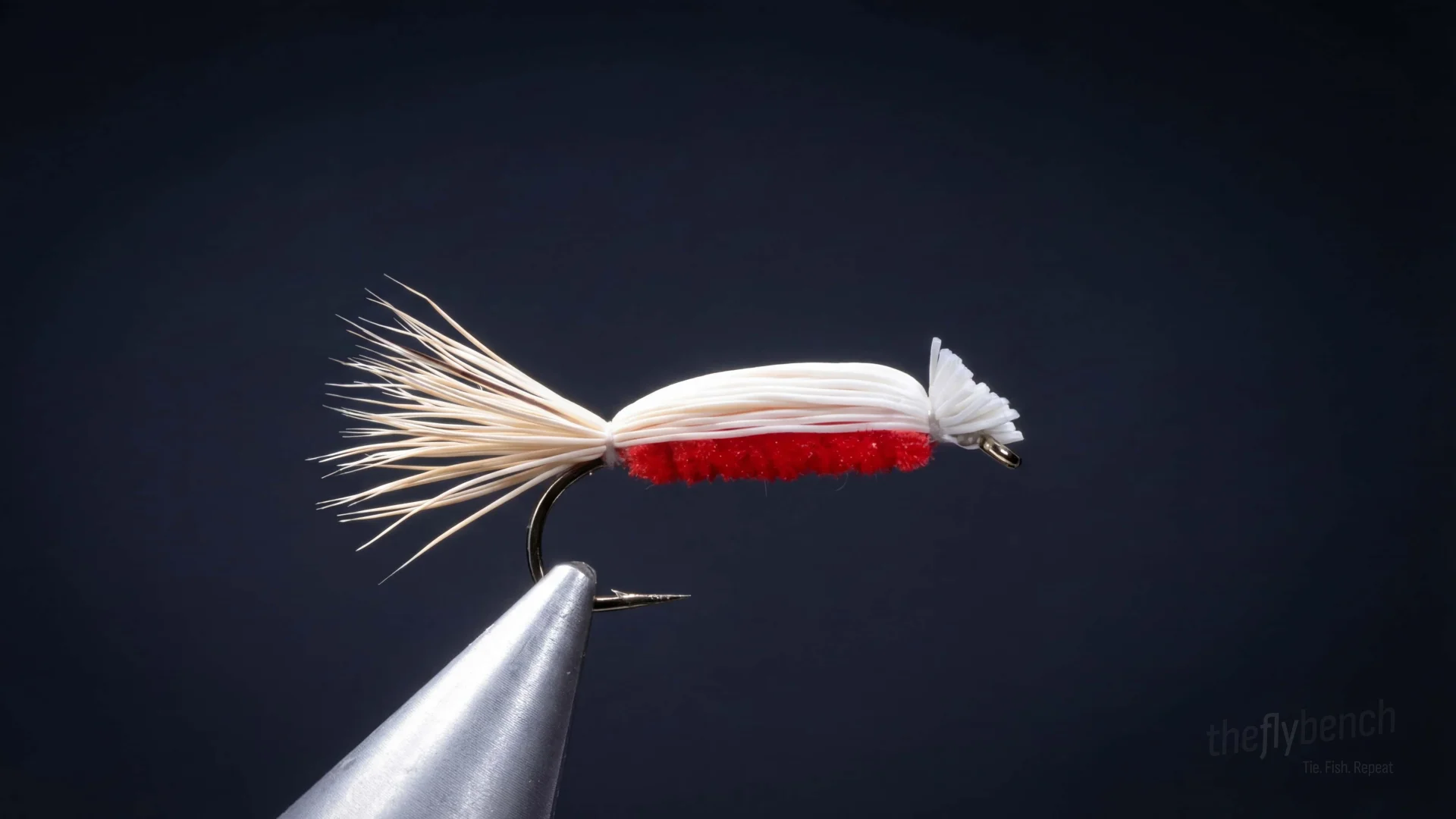
A vintage deer hair pattern with a flat, spun deer hair body and minimal tailing material. Originally designed as a topwater attractor for panfish and bass, the Devil Bug rides high and creates a subtle disturbance thanks to its trimmed head and body.
Where to Buy This Fly
We only link to fly shops we trust. Some links are referral links, which may earn us a commission at no extra cost to you.
Materials
- Hook:
- Tiemco 100, size #10–#14
- Thread:
- 8/0 or 70 Denier, brown.
- Body:
- Dry-fly dubbing, red.
- Tail/Back/head:
- Natural deer hair, cleaned and stacked.
Behavior & Presentation
Natural Behavior: Terrestrials drop from overhanging vegetation onto the water surface, struggling helplessly as they attempt to escape the surface film. Their high-calorie profile makes them priority targets for fish patrolling structure and banks during warm months.
Where Trout Eat It: Fish take this pattern near the surface along structure, weed beds, and vegetated banks in lakes and ponds.
How to Fish It: Present with static float near cover, allowing the bright profile to attract cruising fish.
Best Water: Most effective near structure, undercut banks, weed edges, and beneath overhanging vegetation where terrestrials drop onto water.
Strike Type: Look for visible rises, aggressive surface takes, or rings expanding from the fly.
Fishing Strategy
Rigging Suggestions: Fish it on its own or as part of a dry fly-dropper rig.
Seasonal Timing: This fly is effective year-round, but it tends to perform best in the warmer months when terrestrial insects are most active. Use this pattern when fishing lake conditions, such as ponds or lakes.
Pro Tips: The Devil Bug floats well thanks to its deer hair head and does not require additional floatant. Its bright colors make it highly visible in a variety of light conditions.
Entomology
Terrestrial insects fall onto the water surface from overhanging vegetation during windy conditions or through accidental mis-steps, struggling helplessly in the surface film. Fish become conditioned to patrol undercut banks and overhanging structure during warm months when terrestrial activity peaks, eagerly consuming these high-calorie meals that represent low-risk feeding opportunities.
- Organism Type
- terrestrial
- Life Stage
- adult