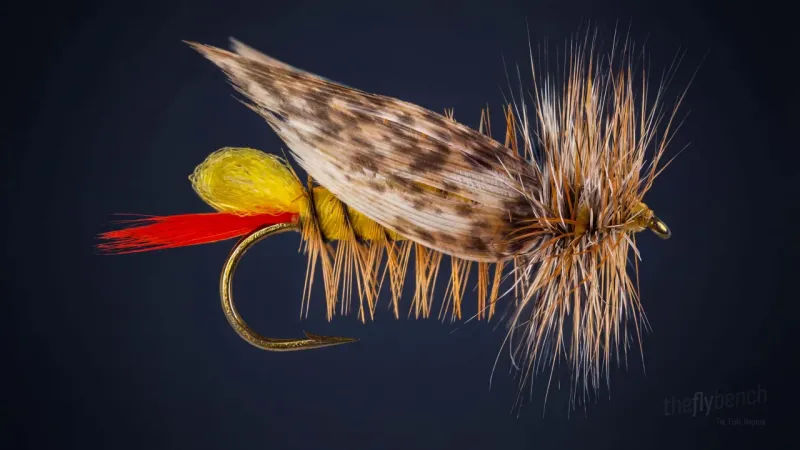
Dry FliesPink Pookie Hopper
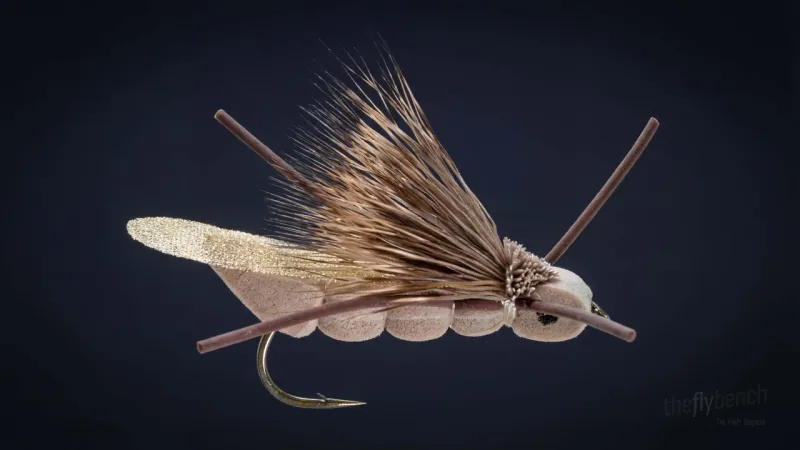
The Pink Pookie Hopper is a playful, highly visible dry fly pattern designed to imitate a grasshopper. Its pink body not only attracts trout but also makes it easy to spot on the water's surface.
Summer
Advanced
Trout
Apr 2025
Overview
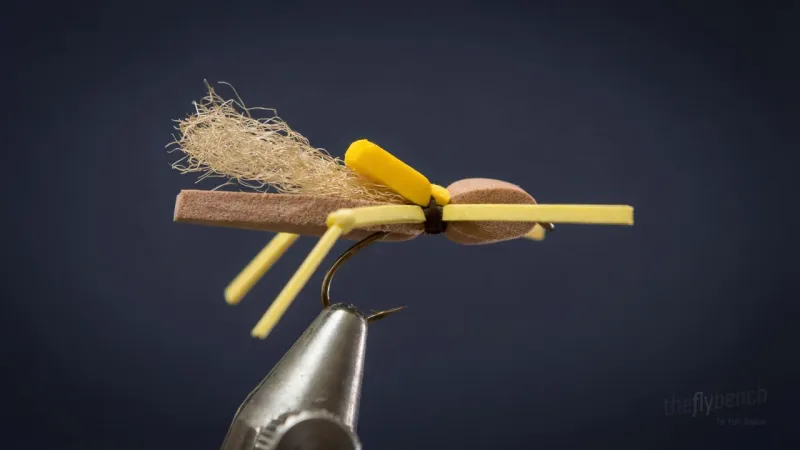
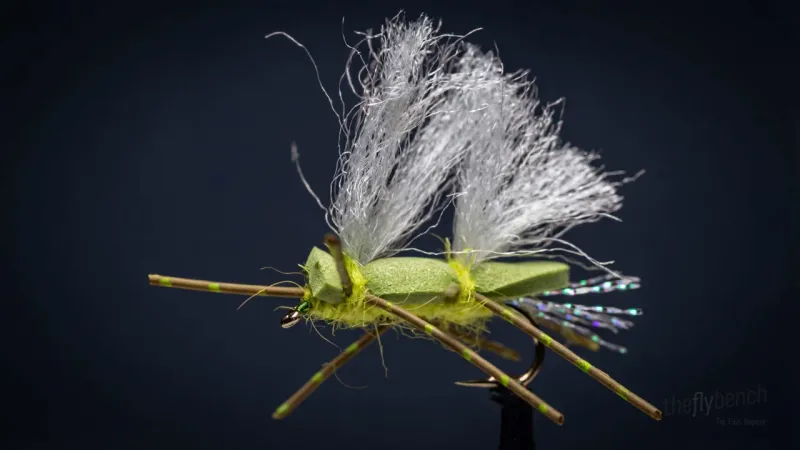
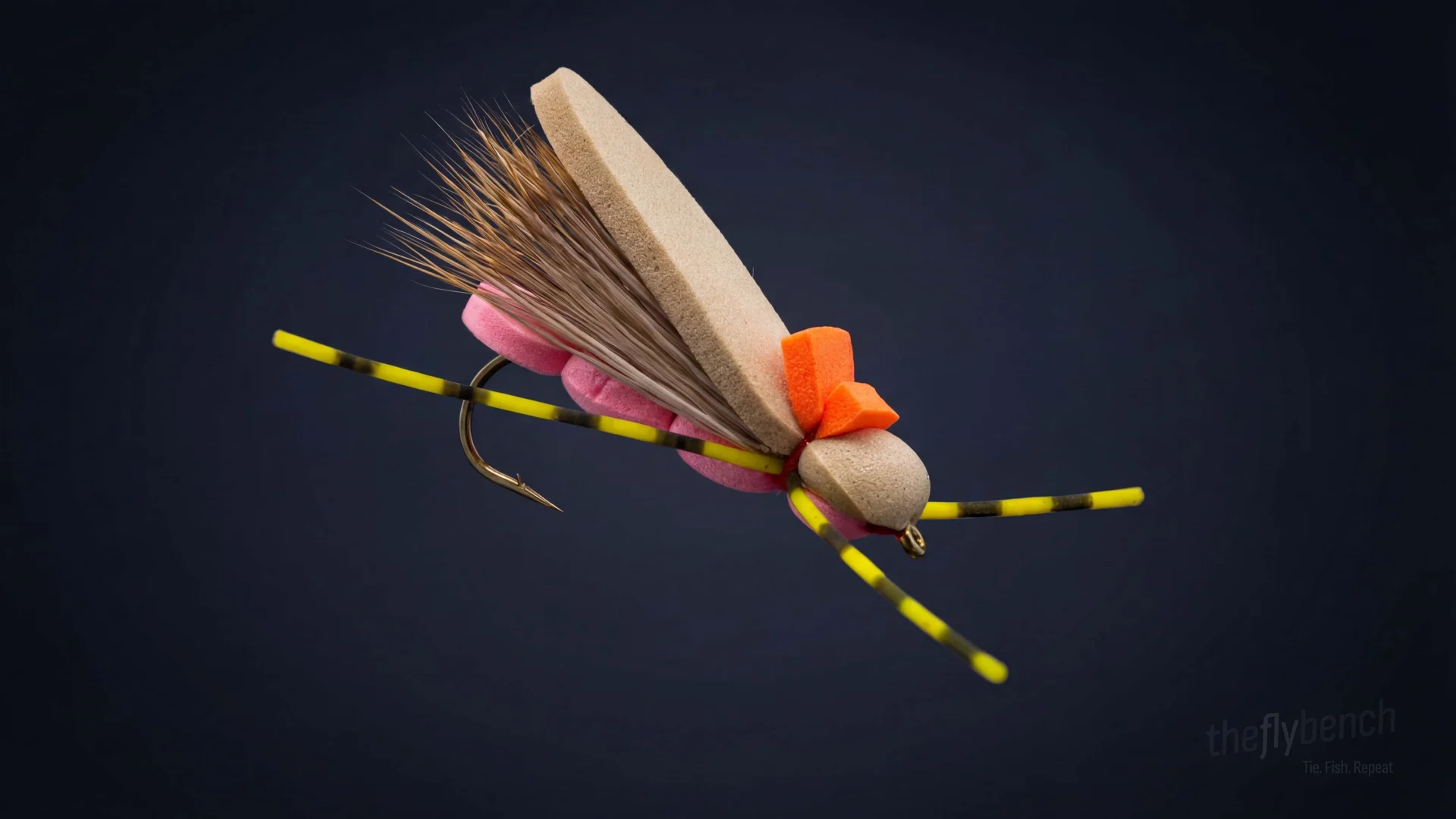
A high-floating foam hopper with a pink foam body and bullet head. It uses rubber legs for movement, deer hair or synthetic wing for visibility, and floats exceptionally well in rough water. Great in summer terrestrial season.
Materials
Hook: Tiemco 5212, sizes #06–08
Thread: Red Veevus 6/0
Underbody: Pink 2MM Thin Foam
Overbody: Tan 2MM Thin Foam
Wing: Natural Deer Hair or Elk Hair
Hot Spot: Orange 2MM Thin Foam
Legs: Yellow Grizzly Barred Rubber Legs
Glue: Brush On Zap A Gap
Behavior & Presentation
Natural Behavior: After failed jumps from streamside vegetation, hoppers hit the water and immediately begin frantic swimming attempts toward shore with leg movements creating prominent wakes. This struggling surface activity with audible splashing attracts aggressive strikes.
Where Trout Eat It: Fish intercept hoppers near banks, overhanging grass, grassy banks, and undercut structure in surface lanes.
How to Fish It: Cast near the bank with natural drift and occasional twitches to imitate struggling hoppers attempting to swim toward shore.
Best Water: Target bank structure, overhanging grass, grassy banks, undercut banks, and vegetation edges where terrestrials fall.
Strike Type: Aggressive eat with visible splash as trout move from holding lies to intercept the struggling hopper. Watch for surface disturbance near the fly.
Fishing Strategy
Rigging Suggestions: Use 7.5-9ft 3X-5X tippet with standard dry fly presentations. The buoyant foam body allows for lighter tippet while maintaining floatation. Fish solo for best action or use as an indicator fly with a small nymph dropper (size 16-18) trailing 18-24 inches behind.
Seasonal Timing: Peak terrestrial season July through September, with late summer (August-September) typically providing the best action because grasshoppers reach maximum size and abundance. Most productive on windy summer days when grasshoppers are being blown into the water, typically during late morning through early evening (10am-7pm). Water temperatures between 60-70°F are optimal for aggressive surface feeding.
Pro Tips: The bright pink body and orange indicator provide exceptional visibility in broken water and while fishing banks. The foam body ensures the fly floats high even after multiple strikes. Sizes 8-12 match natural grasshopper sizes.
Entomology
Grasshoppers inadvertently land on water after failed jumps from streamside grasses, immediately attempting to swim toward shore with frantic leg movements that create prominent wakes and splashing sounds. Fish strike these terrestrials aggressively during late summer and fall when hoppers are abundant, often moving significant distances from holding lies to intercept the struggling insects.
- Order
- Orthoptera
- Family
- Acrididae
- Common Name
- Grasshopper
- Organism Type
- terrestrial
- Life Stage
- adult