Dry FliesJoe's Hopper
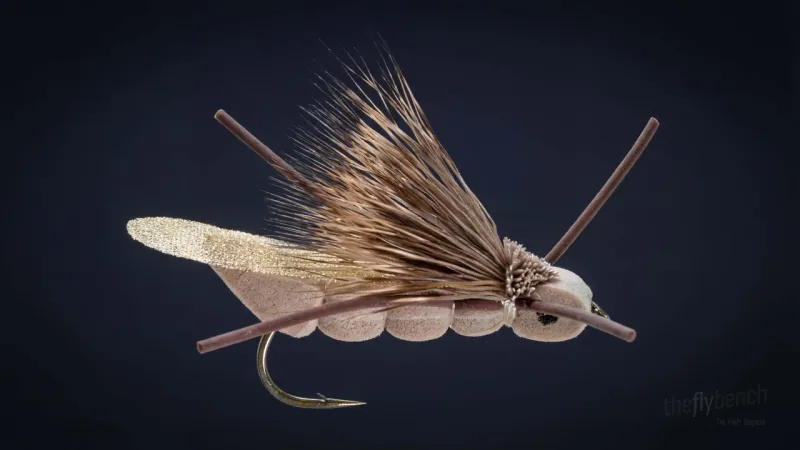
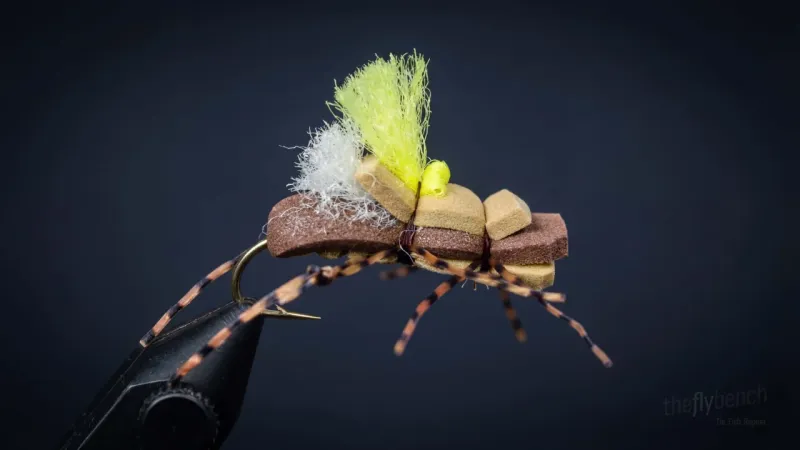
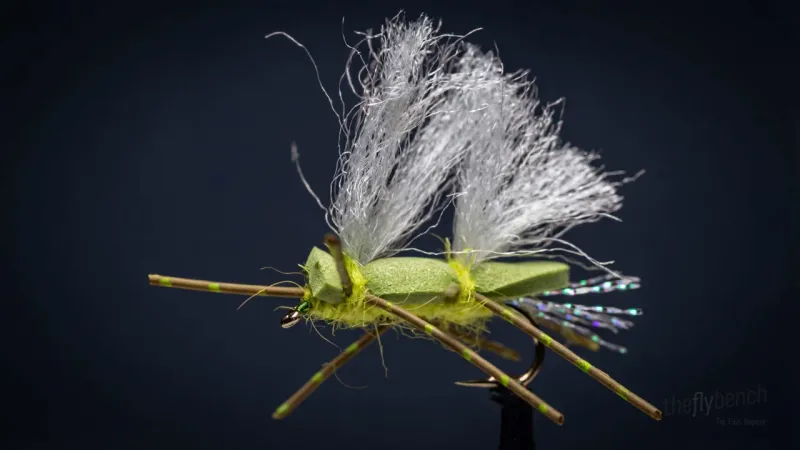
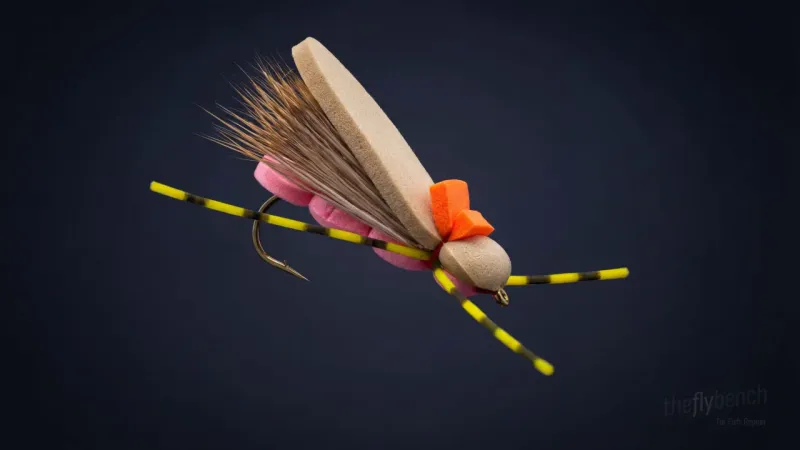
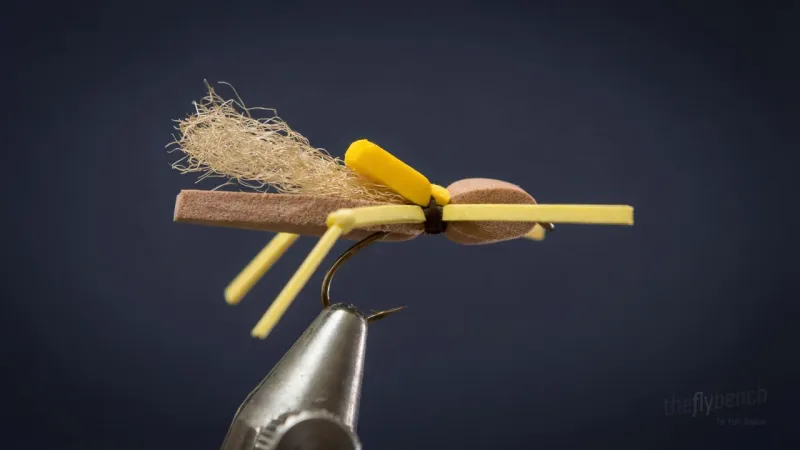
Joe's Hopper is a classic terrestrial pattern that has been fooling fish for years. Its foam body gives it excellent buoyancy, and the rubber legs provide a lifelike action on the water.
Summer
Intermediate
Trout
Apr 2025
Overview
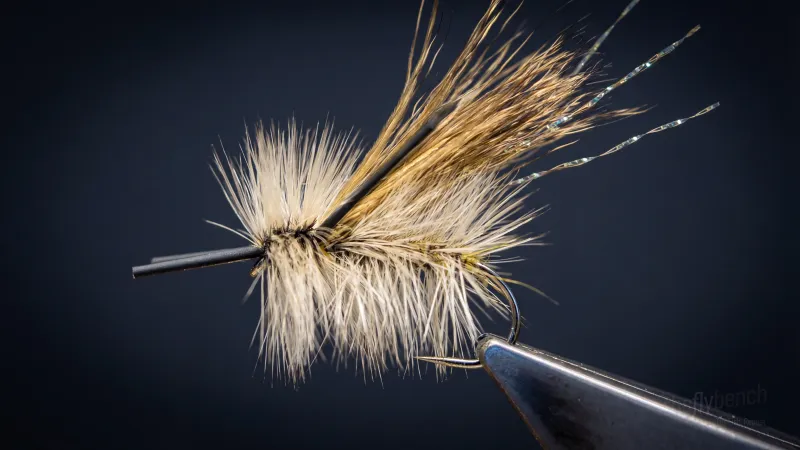
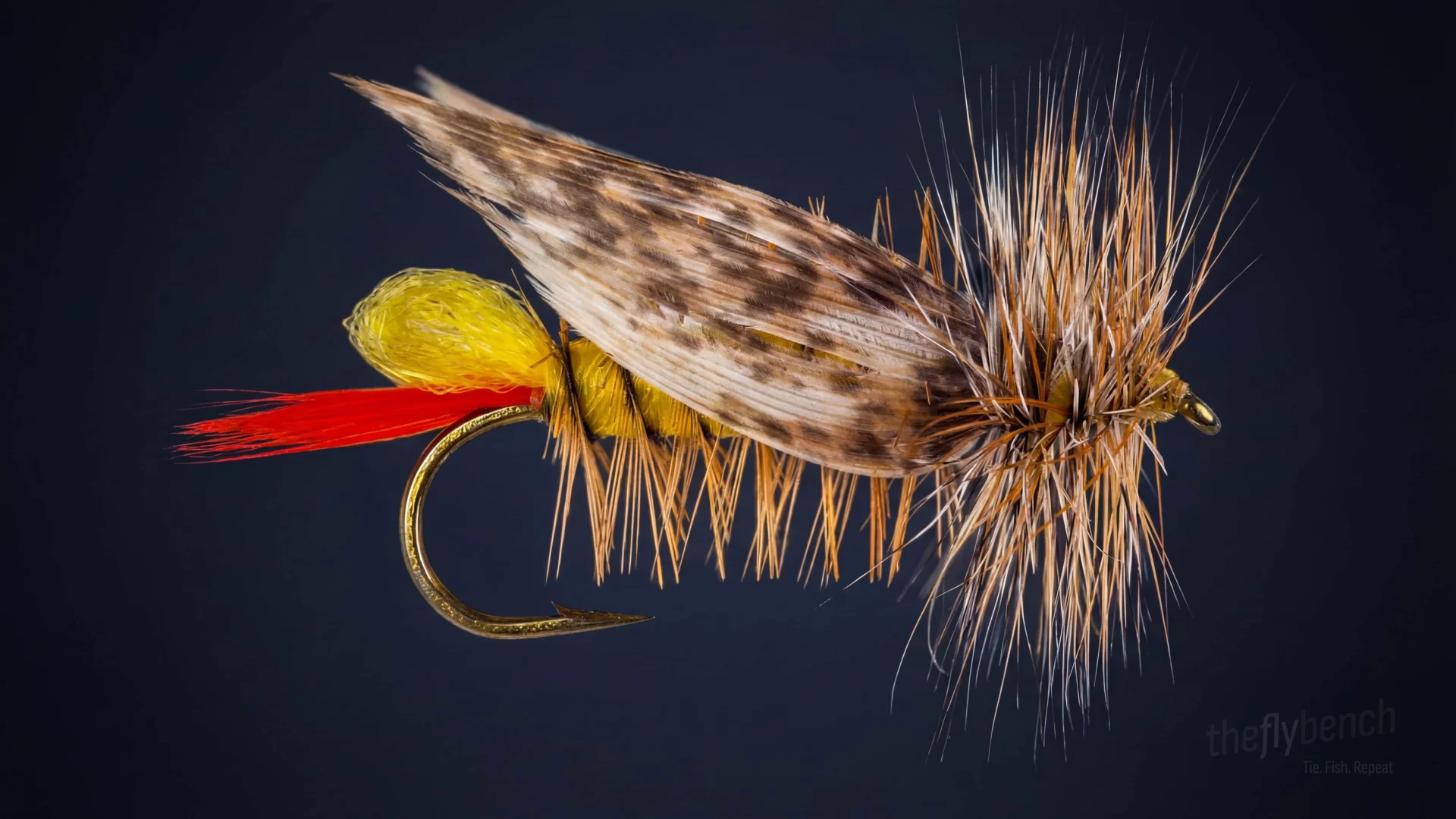
Joe's Hopper is a classic, high-floating grasshopper imitation that uses natural materials to create a realistic silhouette and excellent buoyancy. It's tied with a spun and clipped deer hair head, yellow wool body, brown hackle, and a mottled turkey wing. The split deer hair legs complete the terrestrial profile. While a bit more involved to tie than foam hoppers, it's a timeless pattern that performs well in riffles and runs where hoppers might fall into the water. Great for summer fishing when terrestrials are active.
Where to Buy This Fly
We only link to fly shops we trust. Some links are referral links, which may earn us a commission at no extra cost to you.
Materials
- Hook:
- Tiemco 100, size #8–#14
- Thread:
- Brown UTC 140
- Body:
- Yellow 2mm foam
- Underbody:
- Peacock Herl
- Wing:
- Elk or Deer Hair
- Legs:
- Medium round rubber legs, barred yellow
Behavior & Presentation
Natural Behavior: Grasshoppers land clumsily on water after being blown from banks by wind or making ill-fated jumps near stream edges. They struggle and kick violently with powerful hind legs, creating substantial surface disturbance that attracts fish from distance.
Where Trout Eat It: Grassy banks, meadows, and undercut banks where hoppers fall or are blown onto water.
How to Fish It: Let it float naturally with occasional twitches to create surface disturbance and noise.
Best Water: Focus on undercut banks, grass edges, and bank structure where large trout wait for terrestrials.
Strike Type: Look for explosive rises or aggressive surface takes.
Fishing Strategy
Rigging Suggestions: Use a 9-foot leader with 4X or 5X tippet for good turnover and natural drift. Can also be fished as an indicator with a dropper nymph.
Seasonal Timing: Most effective from July through September when grasshoppers are abundant along stream banks and meadows. Fish during late hopper hatches, especially on windy days when terrestrials are blown onto the water.
Pro Tips: The foam body provides excellent flotation and high visibility in choppy water. Give it an occasional twitch to create surface disturbance. Target undercut banks and shaded areas where large trout wait for terrestrials.
Entomology
Grasshoppers land clumsily on the water surface after being blown from shoreline vegetation by wind or after making ill-fated jumping attempts near stream banks. Once on the water, they struggle and kick violently with powerful hind legs, creating substantial surface disturbance and noise that attracts fish from considerable distances. Their large size, high protein content, and helpless flailing make them irresistible targets during late summer and fall when terrestrial feeding peaks along grassy banks.
- Order
- Orthoptera
- Family
- Acrididae
- Common Name
- Grasshopper
- Organism Type
- terrestrial
- Life Stage
- adult