LeechHerb's Mylar Mohair Leech
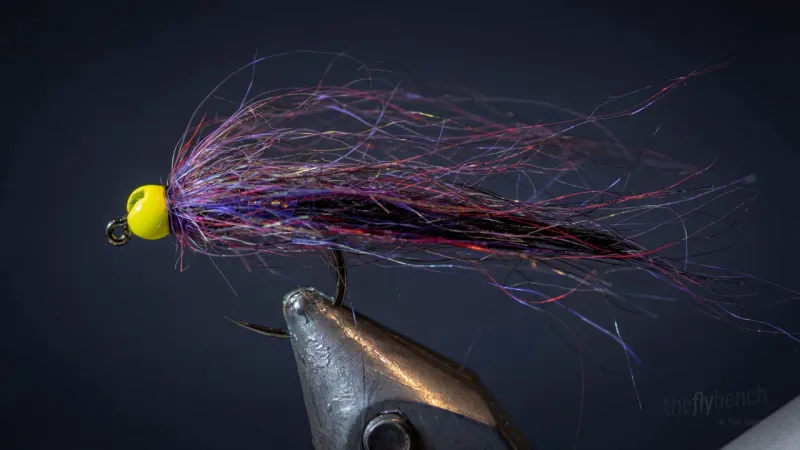
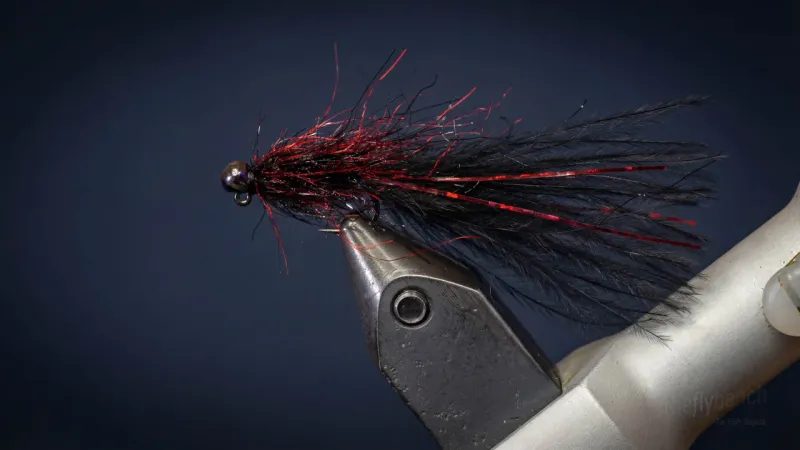
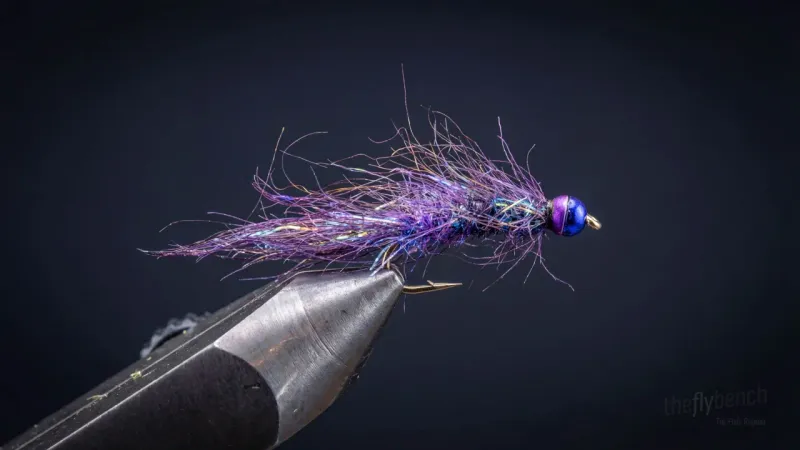
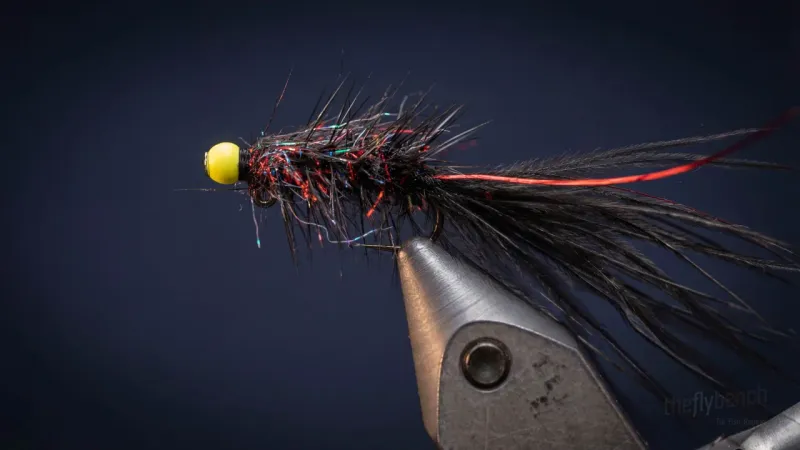
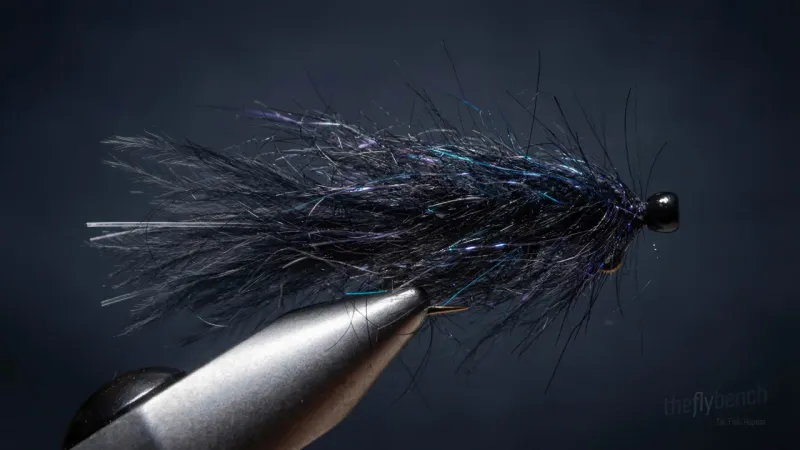
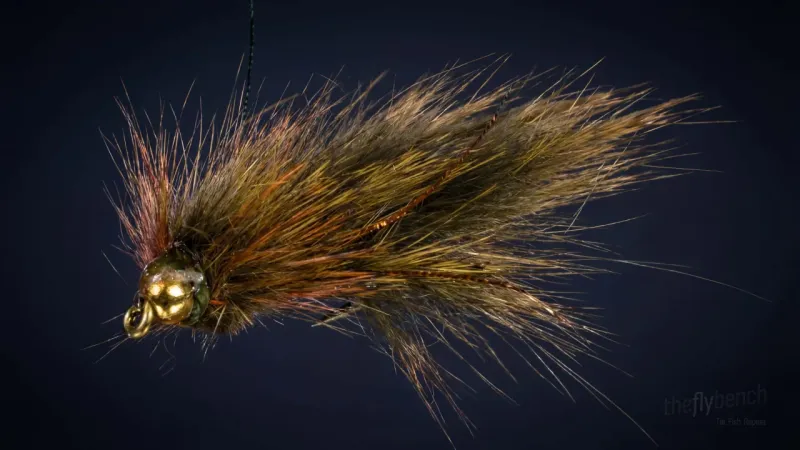
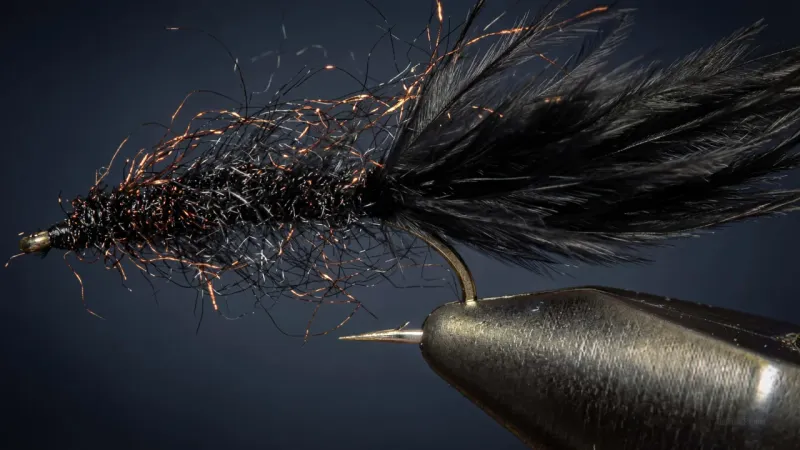
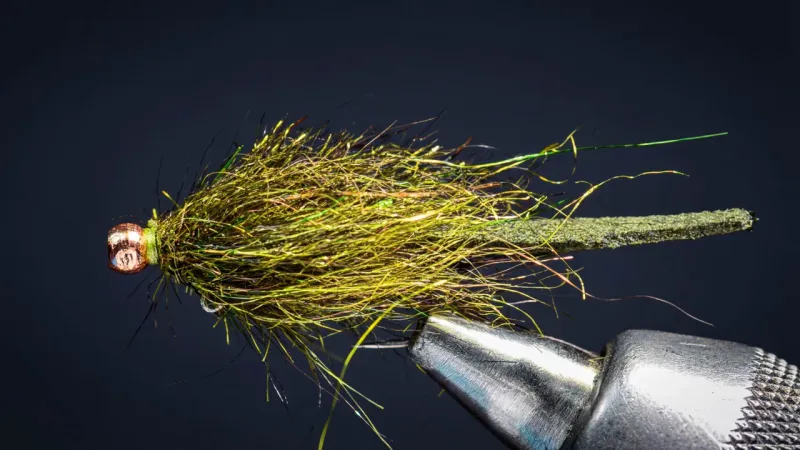
Herb's Mylar Mohair Leech, originated by Herb Patterson, is a remarkable stillwater fly pattern that combines mohair yarn wrapped around mylar to create subtle flash that fish find irresistible. This classic pattern from the early days of Fly Fish Food has proven effective across various stillwater environments and species.
Year Round
Intermediate
Trout
Dec 2025
Overview
This Curtis Fry/Fly Fish Food tutorial features Herb Patterson's original design that incorporates subtle flash from the mylar core beneath the mohair wrap. The mohair fibers provide movement while the underlying mylar adds just enough flash to attract fish without alarming them. Some modern tyers substitute Arizona Simi Seal dubbing for the mohair to simplify construction.
Materials
Hook: Streamer hook, #6-10
Thread: Color to match body
Bead: Tungsten or brass bead, 5/32"
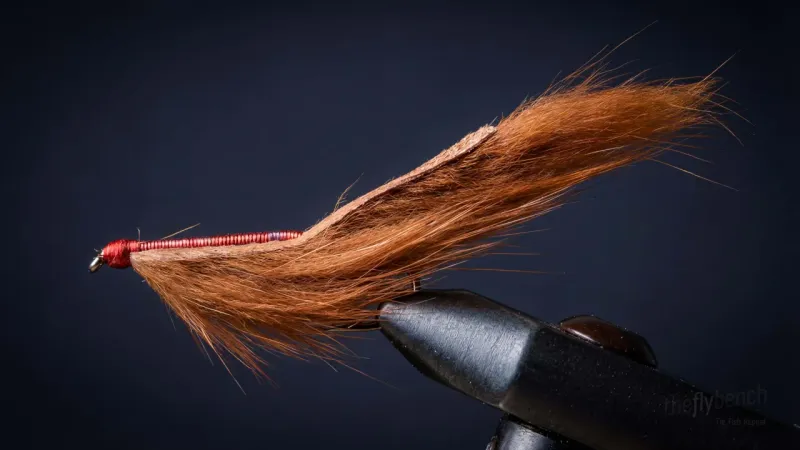
Tail: Marabou or rabbit strip (optional)
Body: Mohair yarn wrapped over mylar tubing
Behavior & Presentation
Natural Behavior: During twilight hours, leeches leave mud refuges with purposeful swimming strokes, their bodies extending and contracting in measured rhythm. The mylar core beneath mohair fibers replicates the faint internal glow of a leech's body when backlit during dawn ascents, while the mohair captures the fuzzy outline of a leech viewed through murky water.
Where Trout Eat It: Trout strike this during dawn and dusk as leeches emerge from mud refuges to hunt in open water.
How to Fish It: Let fly sink to bottom before retrieval. Strip at steady moderate speed varying pace day to day.
Best Water: Drop-offs and weed bed transitions where leeches migrate between shallow and deep zones.
Strike Type: Dawn and dusk strikes feel like gradual loading—the line slowly draws tight as fish turn and swim away with the fly, requiring a delayed strip set to ensure the fly is fully inside the mouth.
Fishing Strategy
Rigging Suggestions: Fish on 12-15 foot leader with 4X-5X fluorocarbon tippet. Use floating line with indicator for shallower presentations or sink-tip/full-sink lines for deeper water.
Seasonal Timing: lake effectiveness with the mohair providing movement even in cold water when other materials become stiff. Select this pattern as a reliable searching fly in lake or when trout are keyed in on leeches.
Pro Tips: The mylar core provides subtle flash visible to fish without creating unnatural reflection. The bead ensures adequate sink rate to reach cruising trout.
Entomology
Leeches exhibit nocturnal feeding patterns, emerging from daytime refuges in mud and vegetation to hunt actively in open water under low light. This predictable behavior makes them vulnerable to ambush predators, and trout learn to anticipate leech movements during dawn and dusk feeding periods.
- Organism Type
- leech
- Life Stage
- general