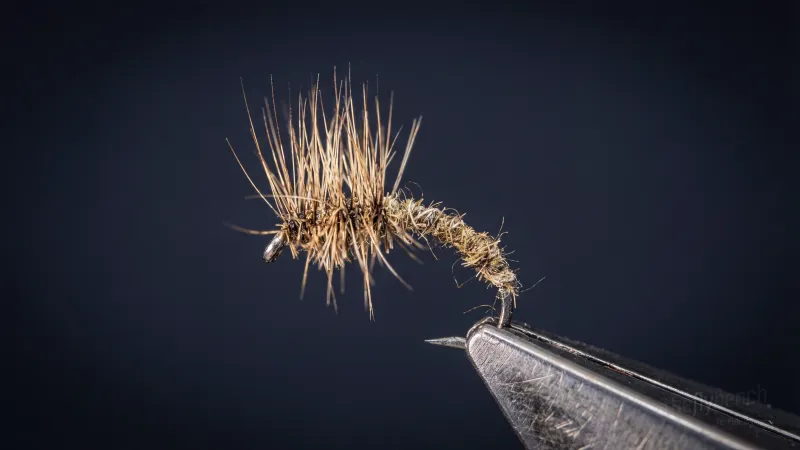
Dry FliesCrazy Comet
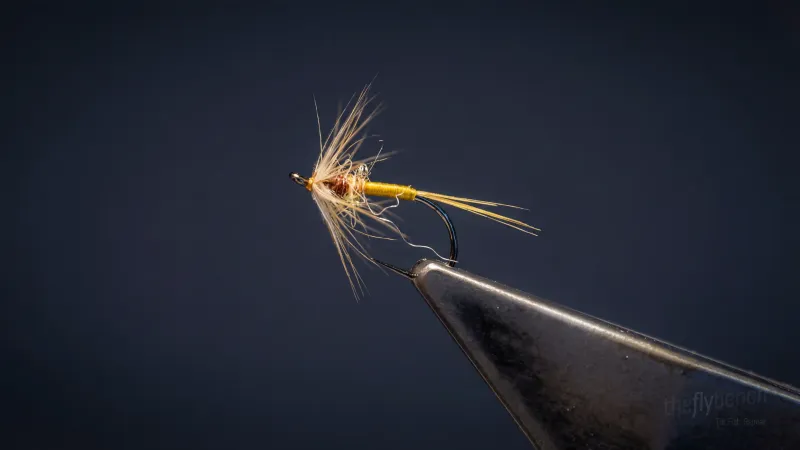
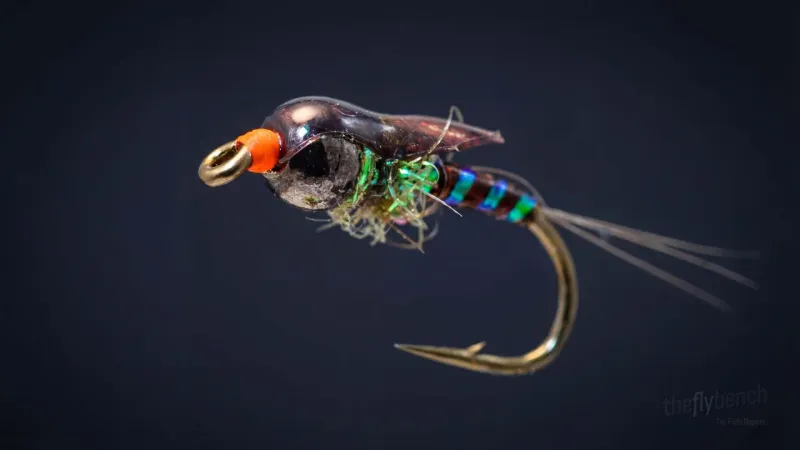
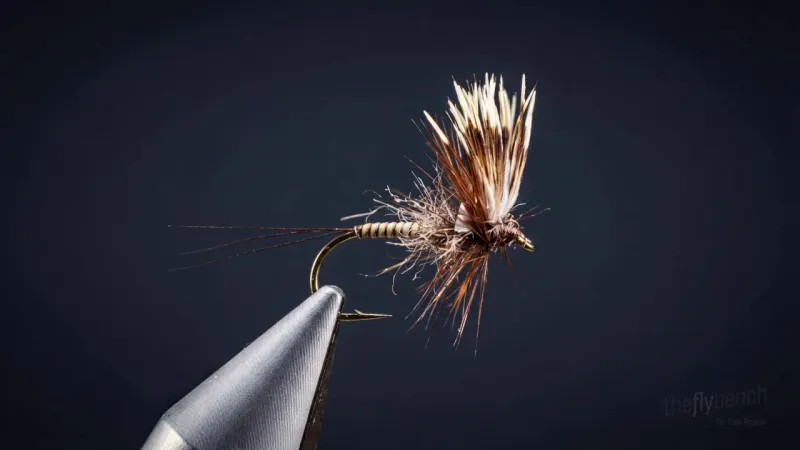
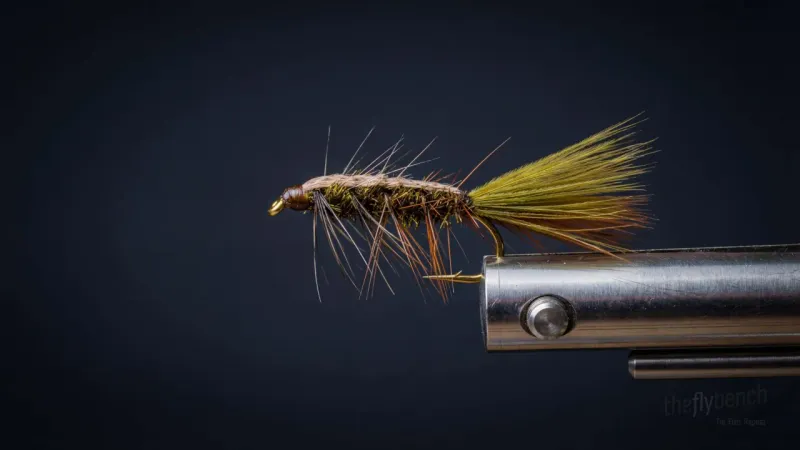
The Crazy Comet is a dry fly pattern designed by Jeremy Barela. This effective pattern combines traditional materials with proven techniques for consistent results in a variety of water conditions.
Spring, Summer, Fall
Intermediate
Trout
Feb 2026
Overview
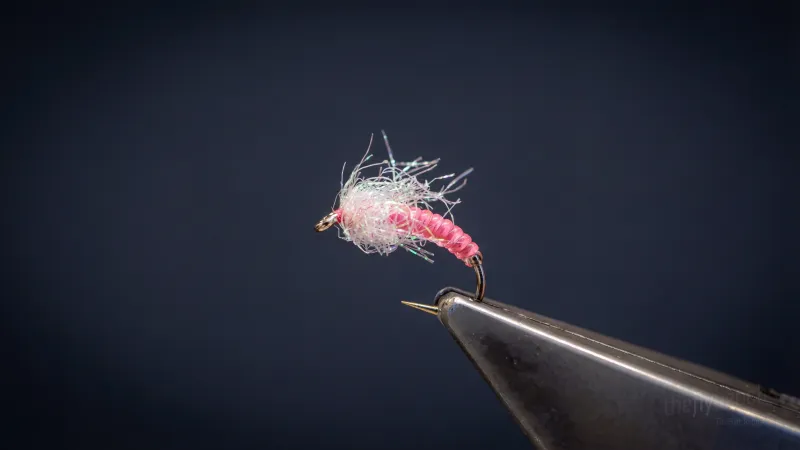
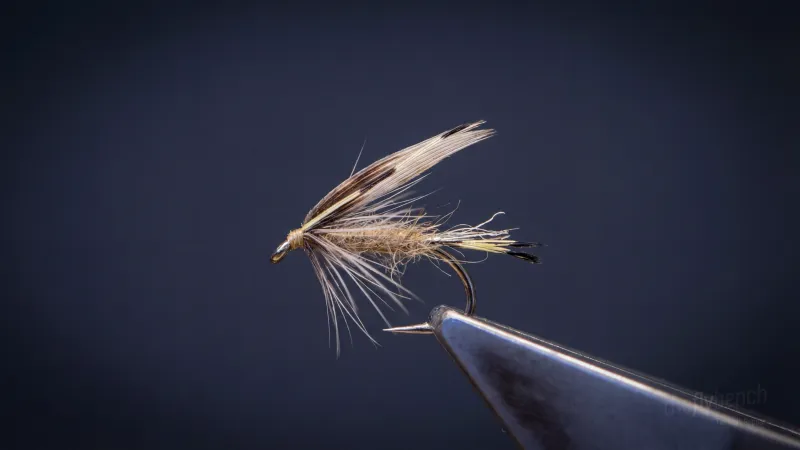
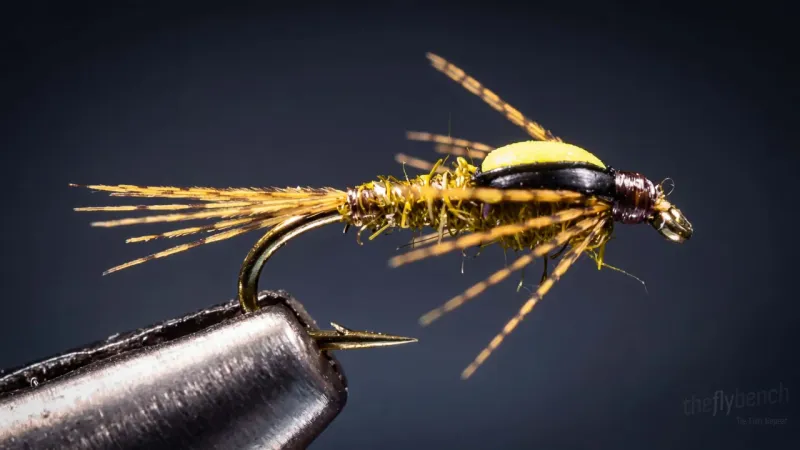
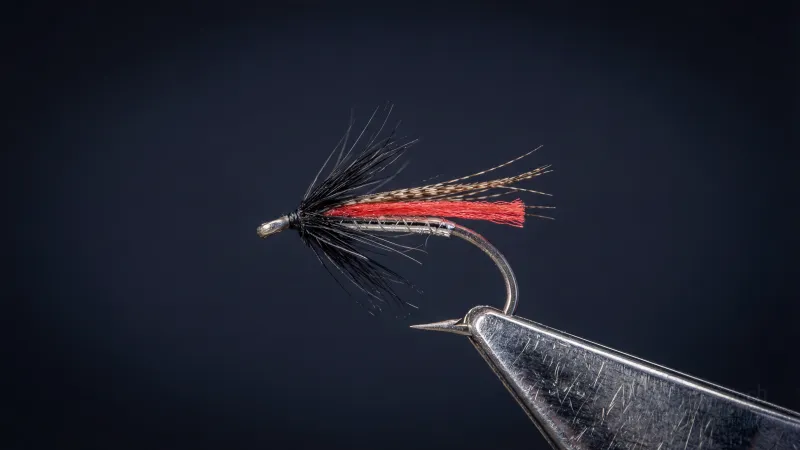
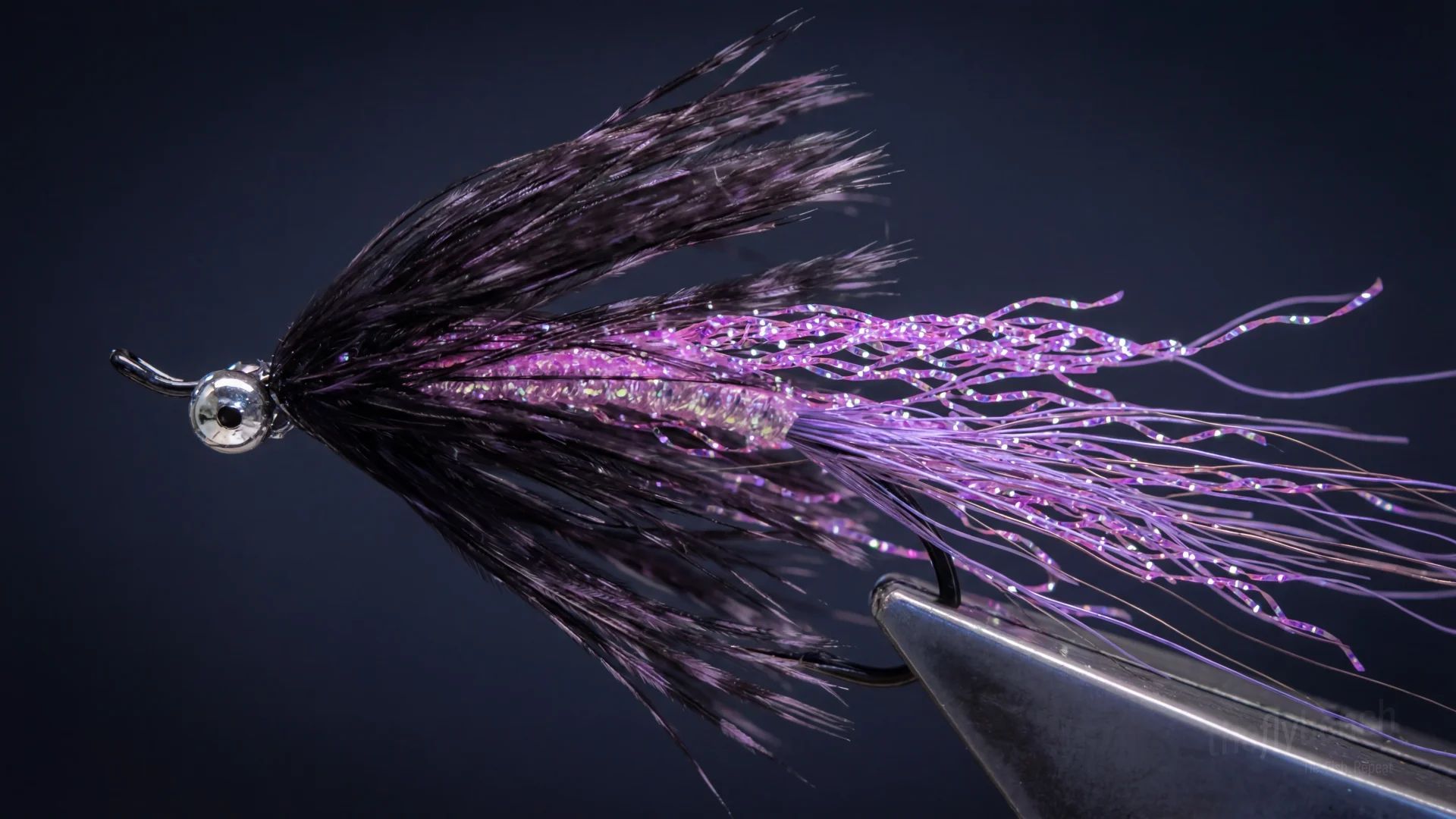
Jeremy Barela's Crazy Comet is an attractor pattern that combines bright materials with a tapered body and prominent wing to create an eye-catching silhouette. The pattern's name reflects its dynamic appearance on the water, with materials that suggest movement even when the fly is stationary. This makes it effective for prospecting in pocket water and runs where fish need to make quick decisions on surface offerings.
Where to Buy This Fly
We only link to fly shops we trust. Some links are referral links, which may earn us a commission at no extra cost to you.
Materials
- Hook:
- Dry fly, 14-22
- Thread:
- Black 6/0
- Tail:
- Two strands of pearl flashabou.
- Body:
- Peacock herl.
- Hackle:
- Short fibred black cock hackle.
Behavior & Presentation
Natural Behavior: Large mayflies and caddis create surface disturbance during emergence and egg-laying, with wings beating and bodies thrashing. Bold profiles trigger aggressive responses from opportunistic feeders.
Where Trout Eat It: Fish patrol the upper water column, rising aggressively to substantial surface prey in feeding lanes.
How to Fish It: Dead drift with occasional twitches, or skate across the surface to imitate active insects.
Best Water: Pocket water, tail-outs, seams, and foam lines in freestone rivers with broken surface texture.
Strike Type: Explosive rises with fish fully committing to the large, visible profile.
Fishing Strategy
Rigging Suggestions: Use a 9-12 foot leader tapering to 5X tippet for delicate presentations. Apply floatant to the body and hackle.
Seasonal Timing: Most effective during peak feeding periods at dawn and dusk. Water temperatures between 45-65°F typically produce best results.
Pro Tips: Apply floatant to the CDC wing and hackle before each cast. The pattern's visibility makes it excellent for use as an indicator fly in a dry-dropper rig with a small nymph.
Entomology
Caddisflies emerging in heavy currents get swept along the surface while still partially trapped in their pupal shucks, trailing split cases behind them as they drift helplessly. Trout key on the extended profile and erratic movement of these half-emerged insects tumbling through fast water.
- Order
- Trichoptera
- Common Name
- Caddisfly
- Organism Type
- insect
- Life Stage
- adult