Overview
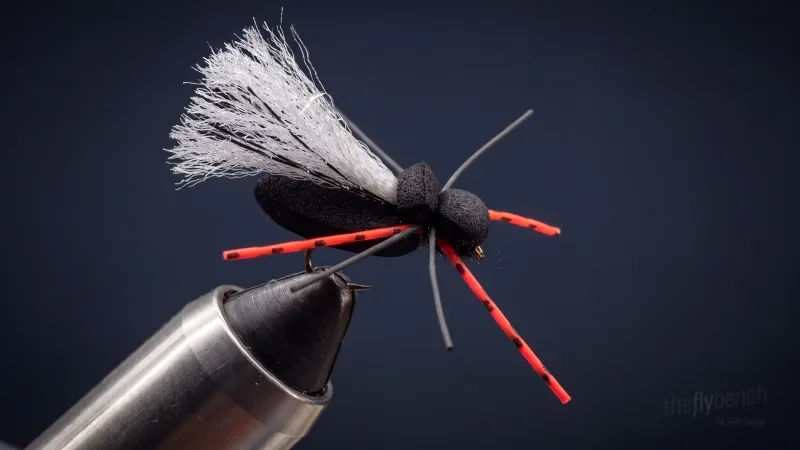
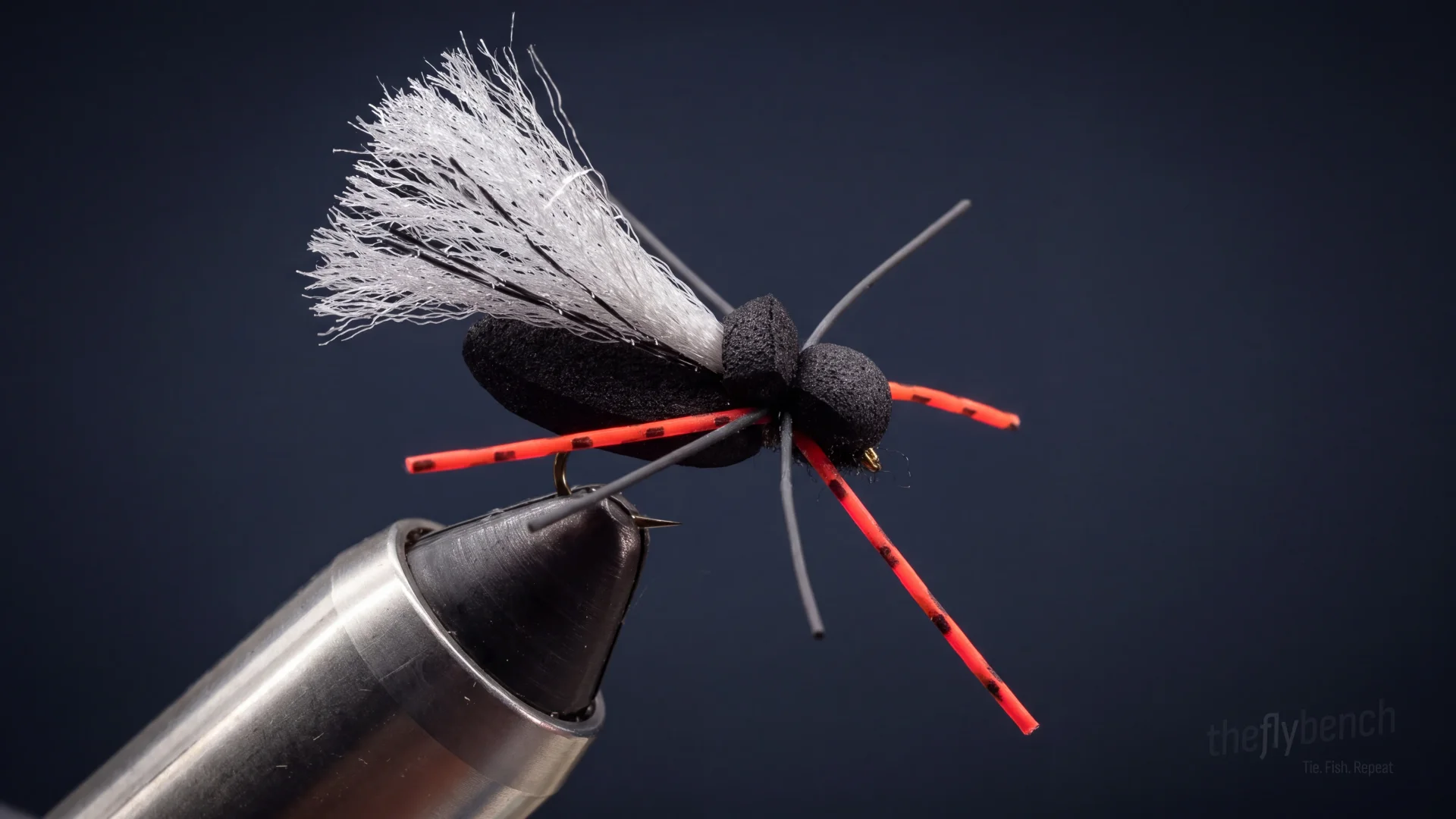
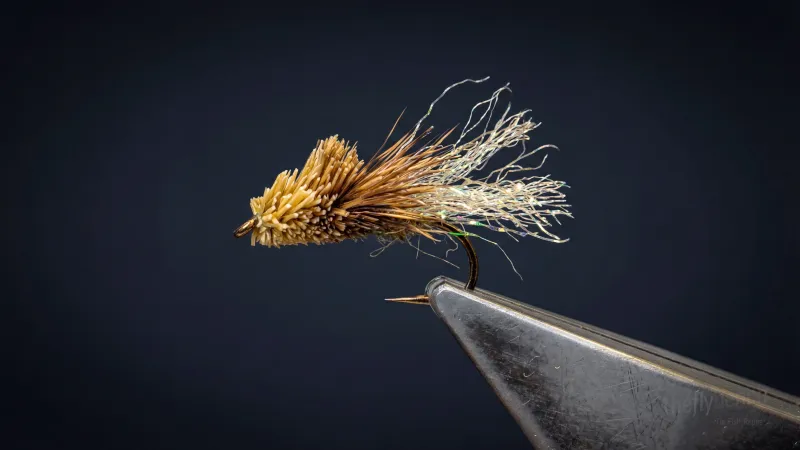
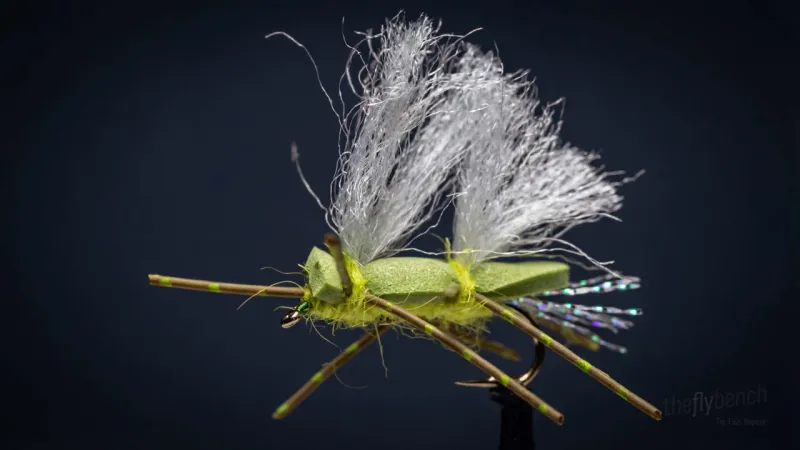
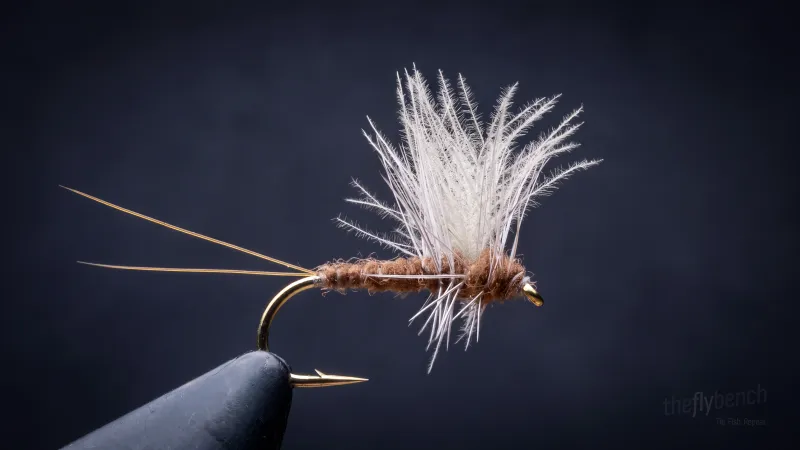
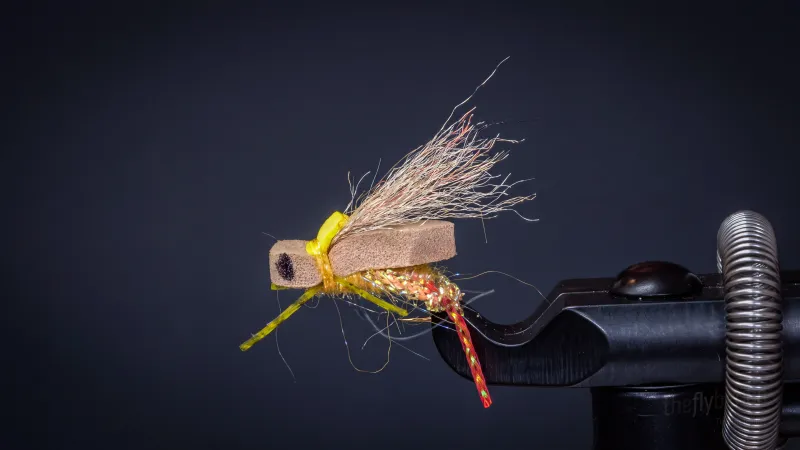
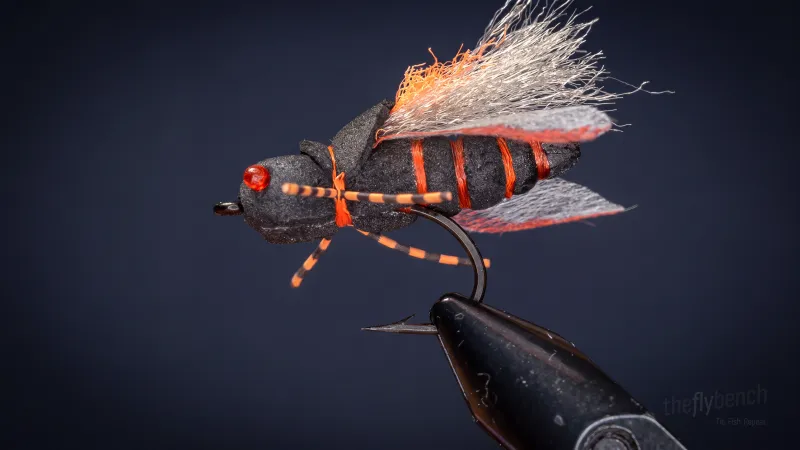
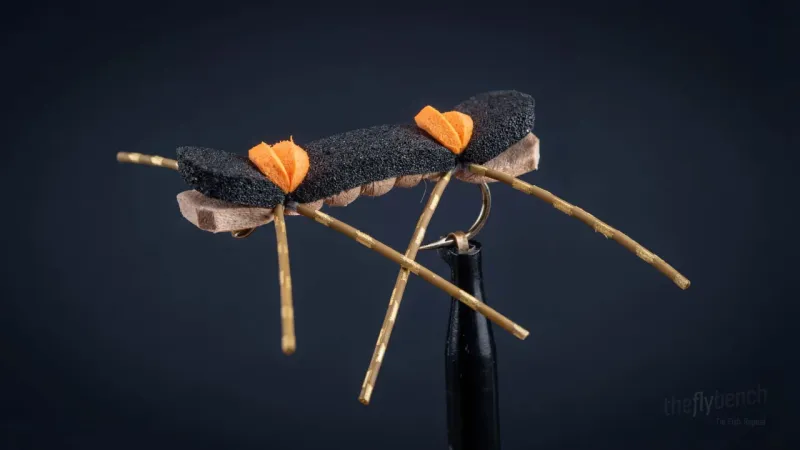
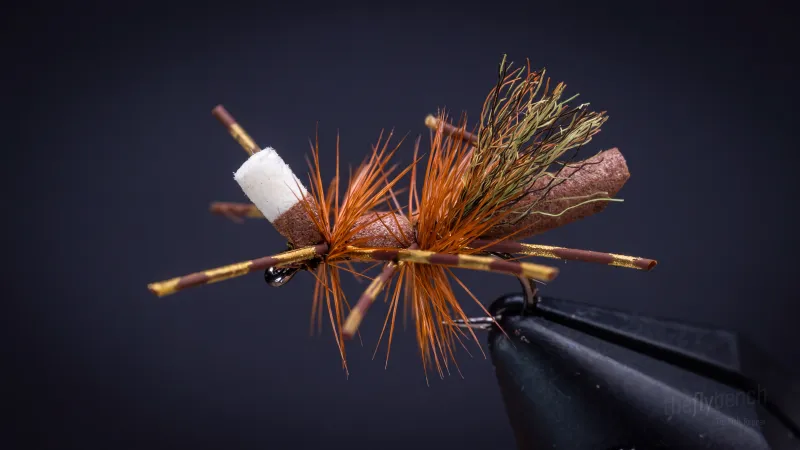
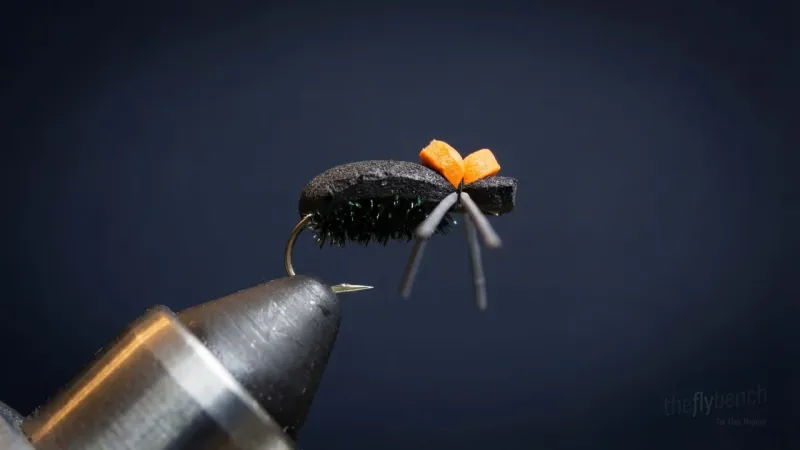
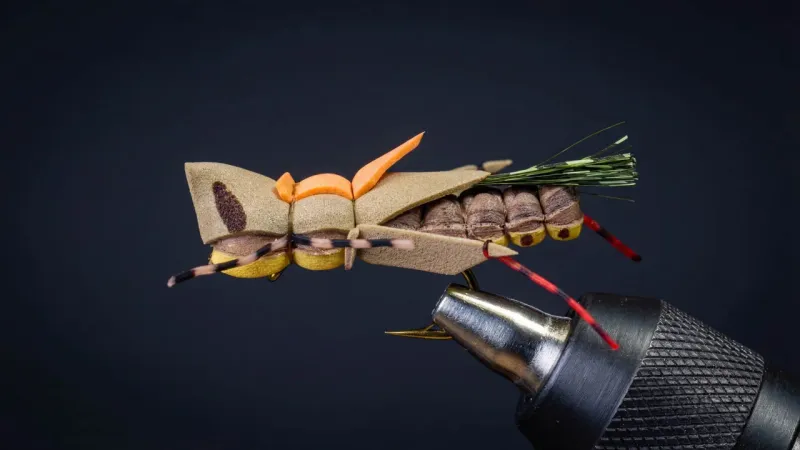
Steve Smith ties this one for Smitty's Monthly Fly Box, and the pre-cut foam body is what keeps it simple: the head and body shape come already cut, so the tier only binds it down over a dubbed, floss-ribbed underbody. A drop of glue on the thread base stops the foam from spinning. Two sizes of rubber legs on each side add movement, and the light wing doubles as a sighter on the water.
Related patterns
Behavior & presentation
- Natural Behavior
- Adult cicadas are heavy, poor fliers that drop from leafy branches and land hard on the surface, where they lie on their sides and vibrate their wings in short bursts.
- Where Trout Eat It
- Fish patrol the shade line under hardwoods and shoreline brush during an emergence, picking off the big black bugs that fall within a few feet of the bank.
- How to Fish It
- Drop the fly with a soft plop tight to cover, wait a second for the rings to settle, then give one small twitch so the rubber legs quiver before letting it drift.
- Best Water
- Shaded undercut banks, eddies beneath overhanging limbs, slow pools below wooded bluffs, and lake coves where wind drifts fallen insects against the shore.
- Strike Type
- Loud, splashy gulps from smallmouth and slow, open-mouthed rises from big trout; count a beat before lifting the rod.
Fishing strategy
- Rigging Suggestions
- A 7.5 to 9 foot leader to 2X or 3X tippet turns the bulky foam over and handles fish pulled out of wood. The foam body floats well enough to carry a small beadhead nymph 18 to 30 inches below.
- Seasonal Timing
- Late spring through summer, timed to local cicada emergences; brood years for periodical cicadas in the eastern US can bring trout and bass up to big dries for several weeks.
- Pro Tips
- Match the hook to the naturals, going up to size 8 for large brood insects. If fish follow but refuse, cut back the twitching and let it sit dead still against the bank.
Entomology
Adult cicadas emerge in summer and fly clumsily between trees, often falling or being blown onto the water. Once on the surface they buzz and struggle without much chance of lifting off, giving fish a large and easy meal.
- Order
- Hemiptera
- Family
- Cicadidae
- Common name
- Cicada
- Organism
- terrestrial
- Life stage
- adult
Pattern details
- Moving Water
- Stillwater
- Northeast
- Midwest
- Southeast
- dead-drift
- hopper-season
- beginner-friendly
- dry-dropper
- warm-water