

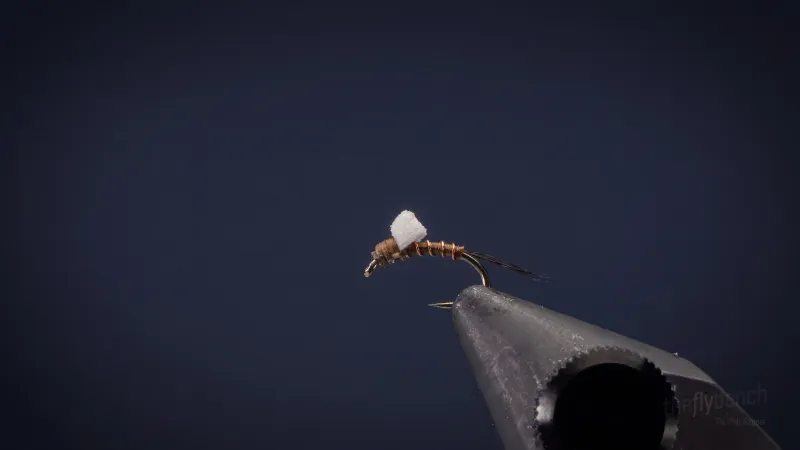
Overview
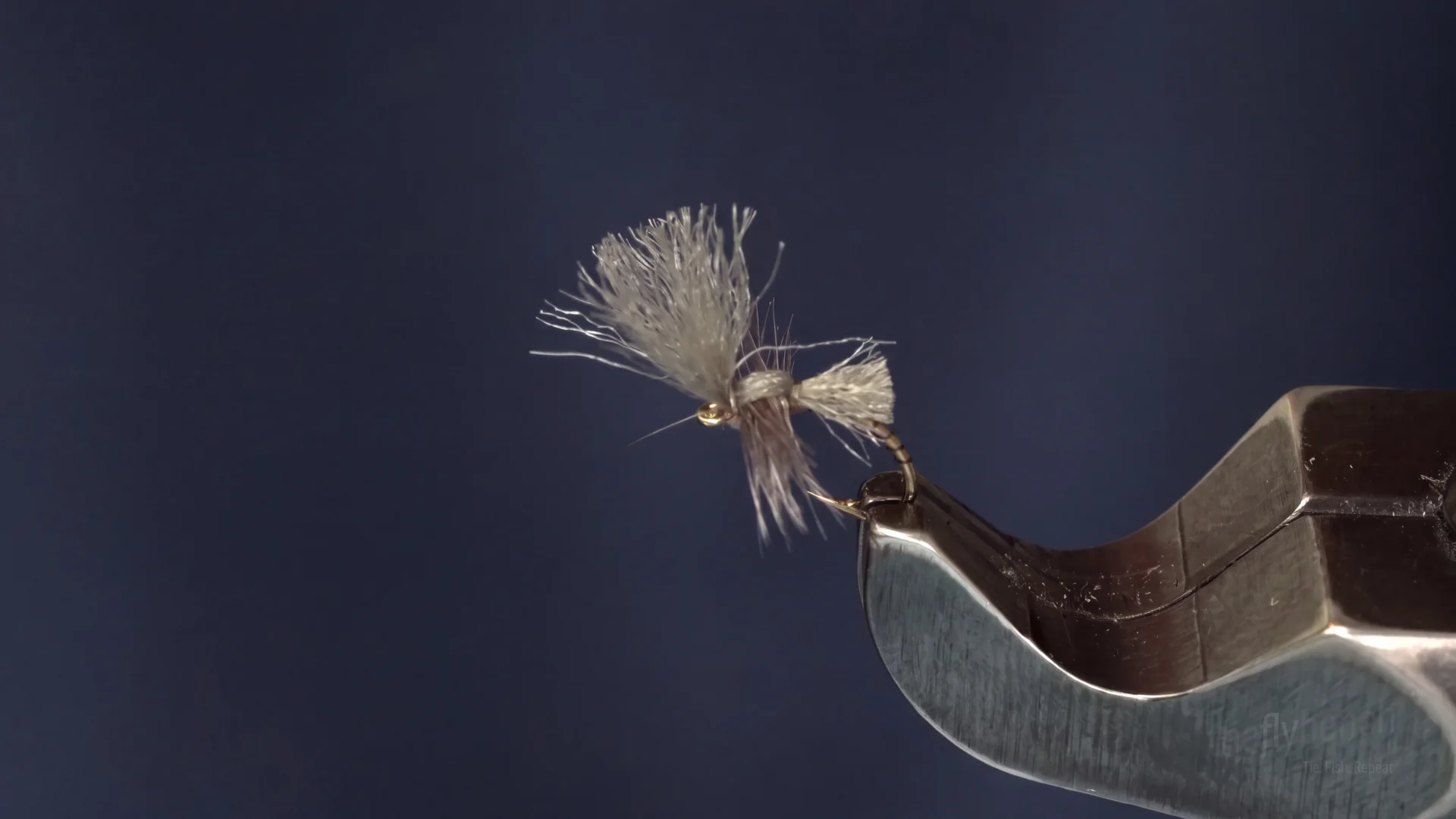
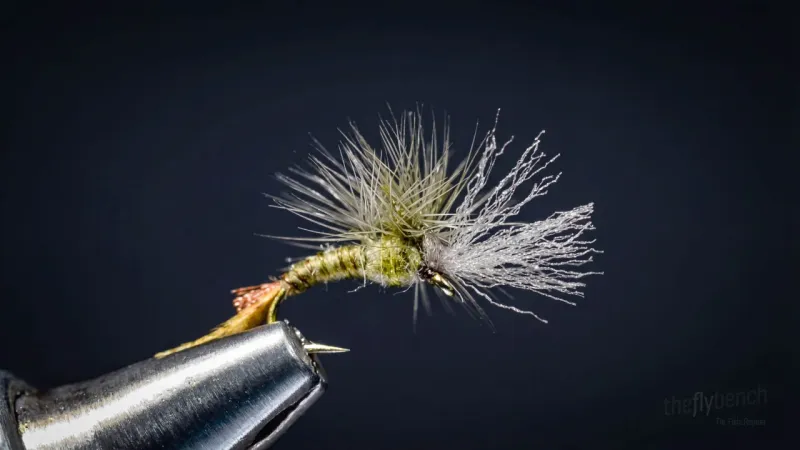
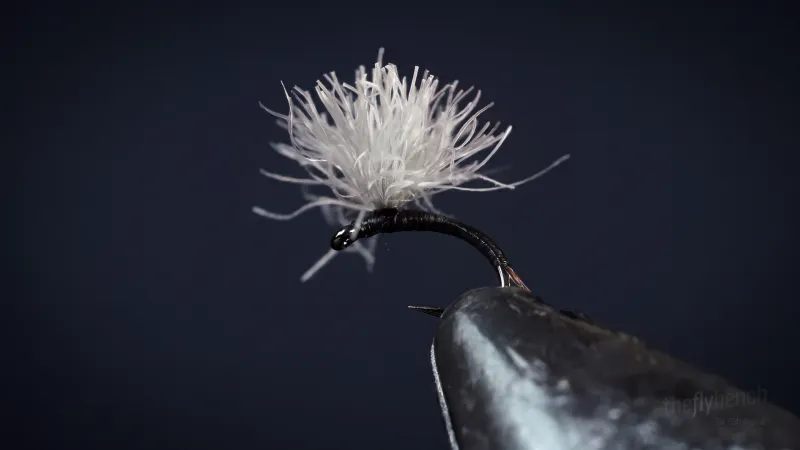
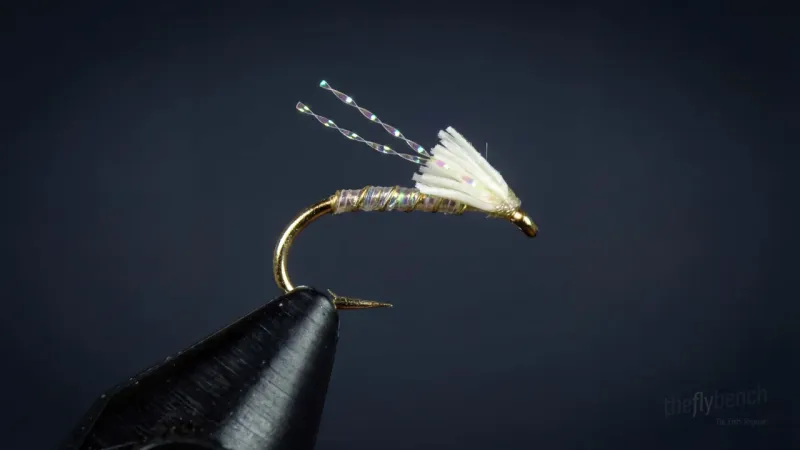
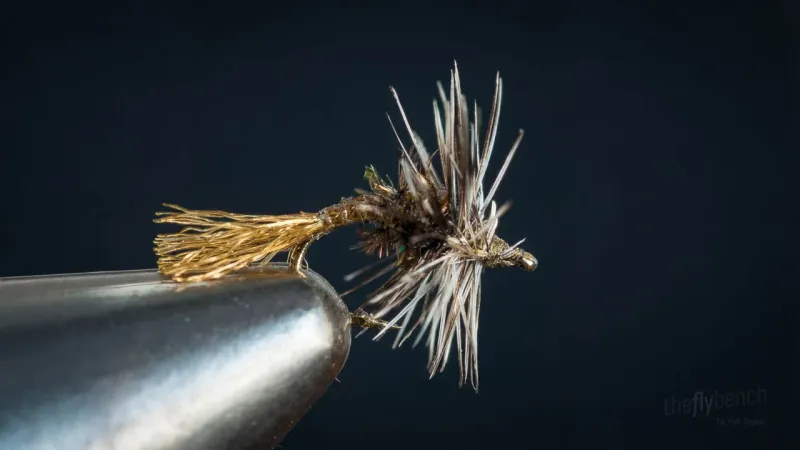
Eli Gonzales, a Semperfli Pro Team tyer, tied the GFC Fly for AvidMax's Tying Tuesday series in 2026; the name is short for "guaranteed fish catcher." It uses only four materials on a size 20 curved scud hook. One piece of poly-yarn forms both the body and the post wing, and a grizzly dun hackle wound at the front keeps the fly sitting low in the film. Swap thread color to match local midges.
Related patterns
Behavior & presentation
- Natural Behavior
- Hatching midges and small mayflies hang just under the meniscus while they break free of the shuck, drifting motionless and unable to fly off. Trout that ignore high-floating adults will often take these half-hatched insects one after another.
- Where Trout Eat It
- Slow, smooth water where trout hold close to the surface and sip emergers in a steady rhythm.
- How to Fish It
- Cast a few feet above a rising fish and let the fly drift drag-free in or just under the film, either alone or trailing a larger, more visible dry.
- Best Water
- Target back eddies, slow flats, foam lines and the soft slicks along seams where emergers collect.
- Strike Type
- Takes are quiet sips or a small bulge near where the fly should be. Set gently on any rise in that area or when the lead dry twitches.
Fishing strategy
- Rigging Suggestions
- Use a long leader with 6X or 7X tippet. When the fly is hard to see, trail it 6 to 8 inches behind a size 16-18 parachute so the two drift together and a take on either one shows up.
- Seasonal Timing
- Useful any month that midges or small mayflies hatch. Winter midge activity on tailwaters and spring and fall Blue-Winged Olive hatches are prime times.
- Pro Tips
- Keep the hackle sparse so the body sits in the film rather than above it. Treat only the post with floatant, and trim the hackle on the underside if fish refuse a high-riding fly.
Entomology
Emerging midges rise to the surface and hang in the film while they split the pupal skin and pull free, a step that can be slowed by calm, cold conditions. Caught in the surface tension, they drift helplessly in large numbers, and trout settle into slow, rhythmic sipping as they pick them off.
- Order
- Diptera
- Family
- Chironomidae
- Common name
- Midge
- Organism
- insect
- Life stage
- emerger
Pattern details
- Moving Water
- Rocky Mountain
- dead-drift
- midge-hatch
- baetis-hatch
- dry-dropper
- low-clear-water
- modern
- beginner-friendly