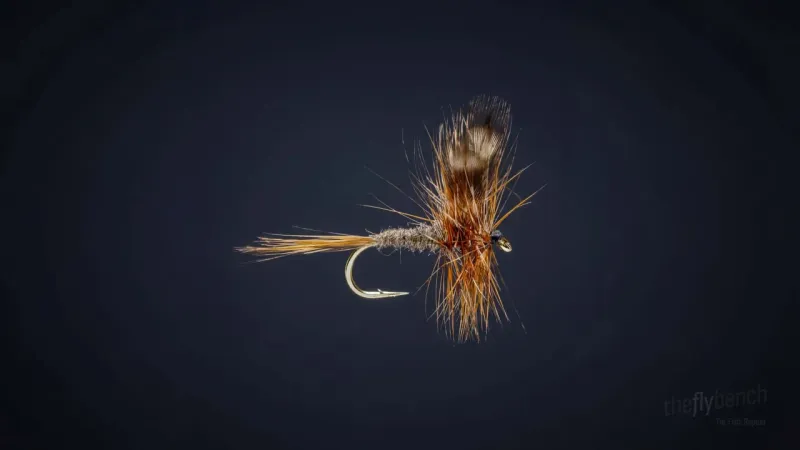
Midge / EmergersCDC Loop Wing Emerger
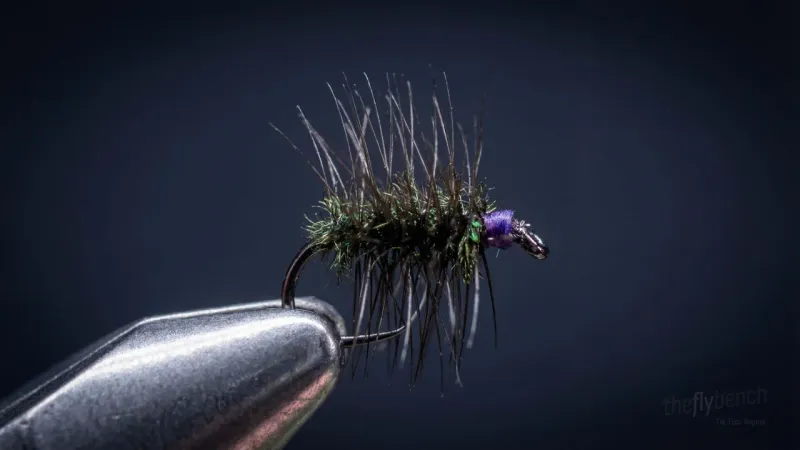
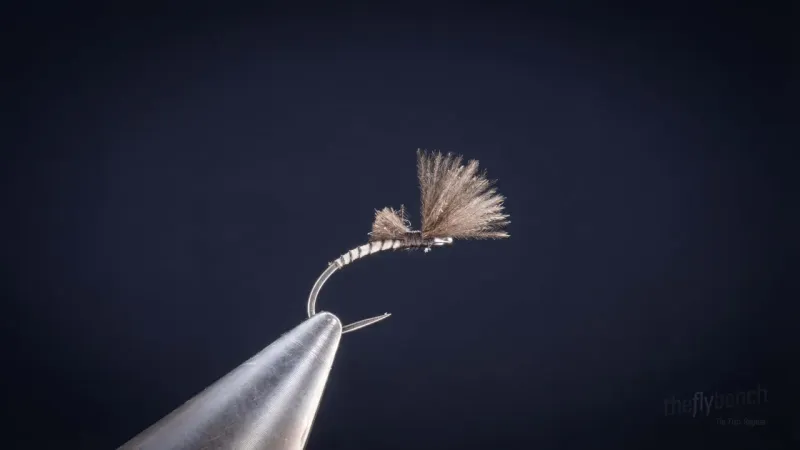
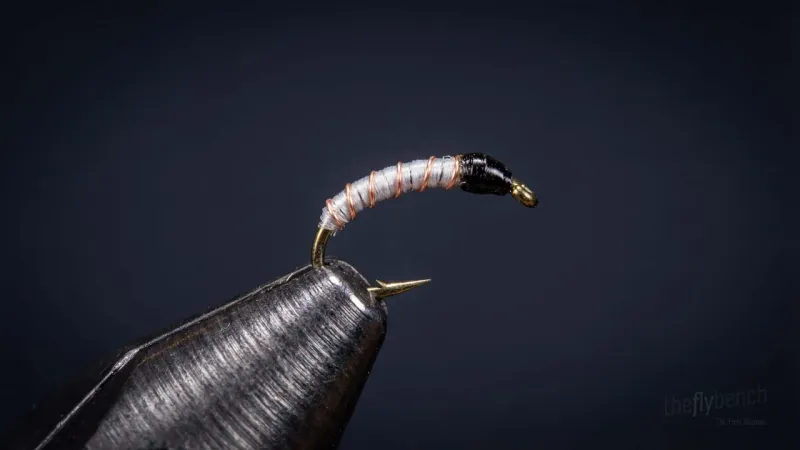
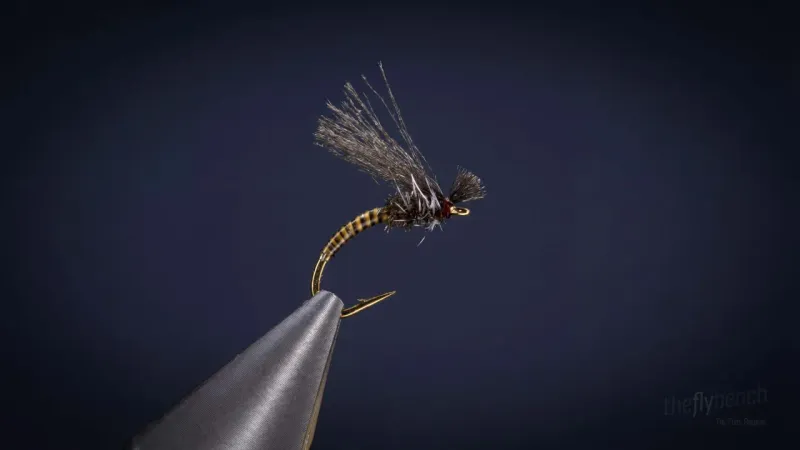
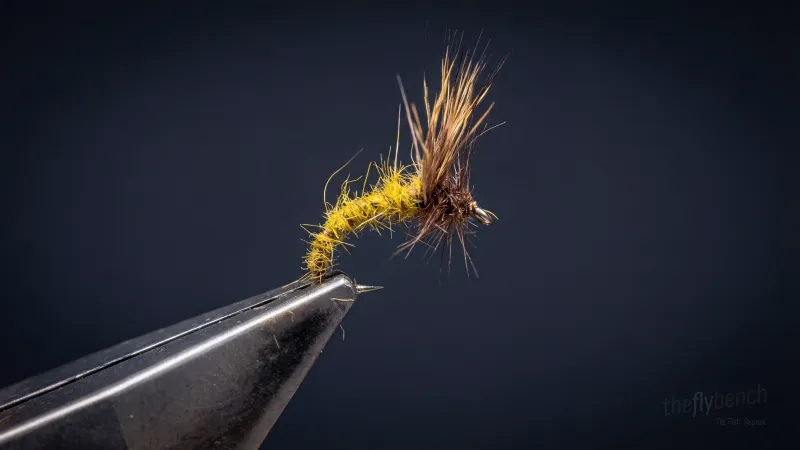
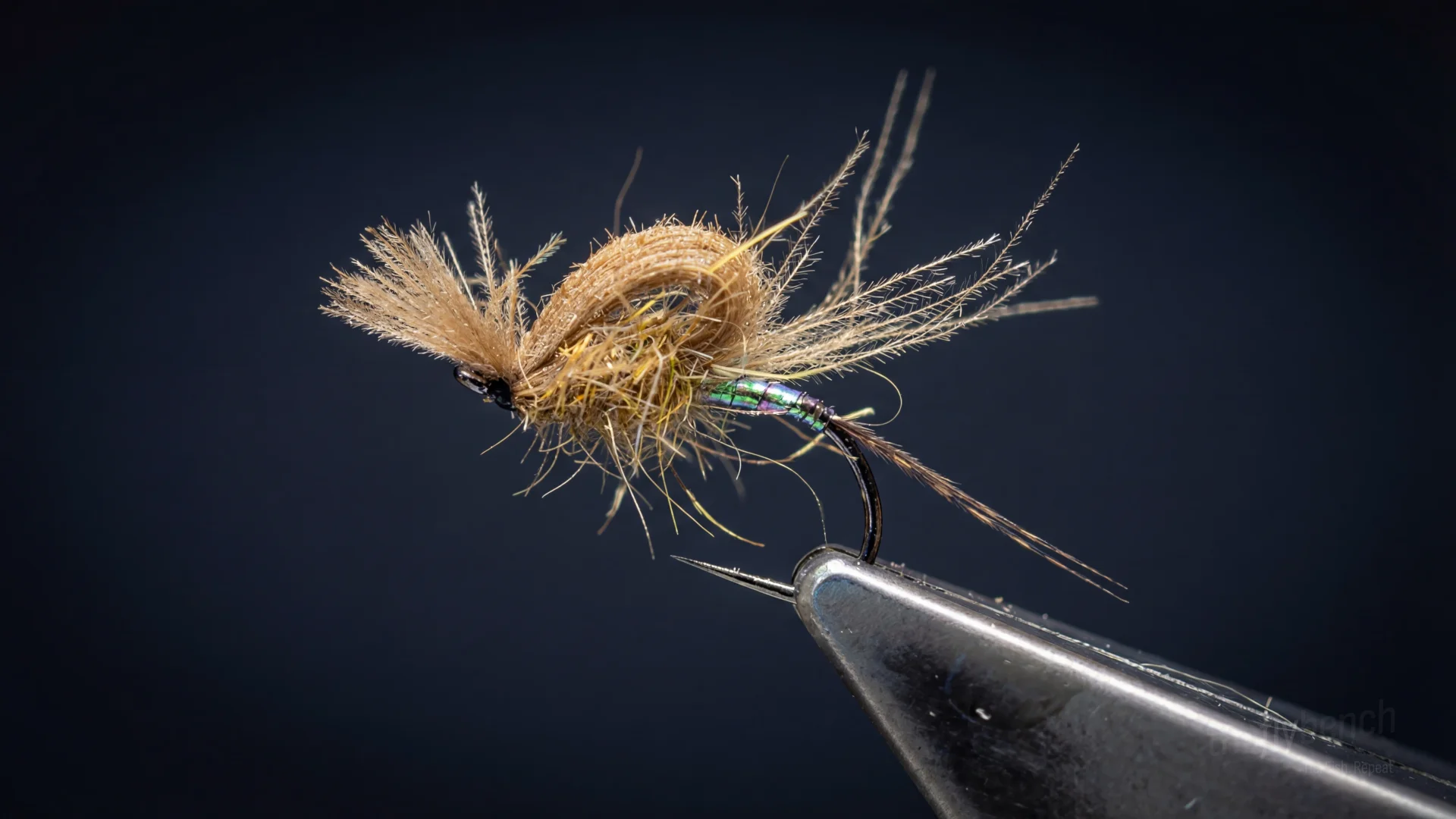
Hans Weilenmann's CDC Loop Wing Emerger rides on a pearl holographic flash abdomen ribbed in fine copper wire, trailing a bronze mallard shuck. A looped double-CDC wing stands in for wings still crumpled against the body, with a squirrel body fur thorax finishing the profile.
Spring, Summer, Fall
Intermediate
Trout
Feb 2026
Overview
Weilenmann's loop-wing technique doubles a pair of CDC feathers back on themselves to create a wing that holds its shape better than single flared fibers, useful for imitating an insect that hasn't fully shed its nymphal skin. The bronze mallard shuck and flash abdomen give it a clear, buggy silhouette in the film. It suits any hatch where trout are keying on stuck or half-emerged insects rather than fully hatched adults.
Where to Buy This Fly
We only link to fly shops we trust. Some links are referral links, which may earn us a commission at no extra cost to you.
Materials
- Hook:
- Grip 14723BL #14
- Thread:
- Benecchi 12/0, black
- Rib:
- Copper wire, fine
- Shuck:
- Bronze mallard barbs
- Abdomen:
- Holographic flash, pearl
- Loop wing:
- CDC, natural - two feathers
- Thorax:
- Squirrel body fur
Behavior & Presentation
Natural Behavior: Insects breaking through the film hang half-submerged with wings folded, struggling against surface tension during transformation. Gas bubbles trapped in wing cases flash as emergers labor to complete emergence.
Where Trout Eat It: Selective feeders patrol the film in calm water, sipping trapped emergers from feeding lanes and foam lines.
How to Fish It: Fish in the surface film with dead drifts, maintaining drag-free presentations through prime feeding zones.
Best Water: Slicks, tail-outs, flat water, and seams produce best when emergers concentrate during active hatches.
Strike Type: Subtle sips with minimal surface disturbance as selective fish confidently take film-trapped prey.
Fishing Strategy
Rigging Suggestions: Use a 12-15 foot leader with 6X-7X tippet. Fish alone or as a dropper beneath a small dry fly.
Seasonal Timing: Most effective during peak feeding periods at dawn and dusk. Water temperatures between 45-65°F typically produce best results.
Pro Tips: The loop wing design creates the exact silhouette of an insect struggling to emerge. When fish are rising but refusing adult patterns, this emerger design consistently produces.
Entomology
Emerging aquatic insects break through the surface tension in a labored process, hanging half-submerged with wings still folded while their bodies harden and wings inflate. Fish position in feeding lanes to sip these trapped insects that drift slowly, unable to flee during the critical transformation from nymph to adult.
- Organism Type
- insect
- Life Stage
- general