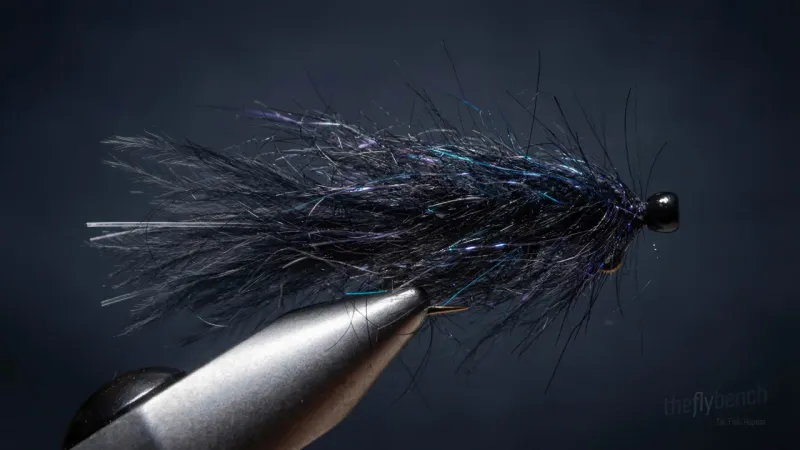
LeechBrown Twilite Leech
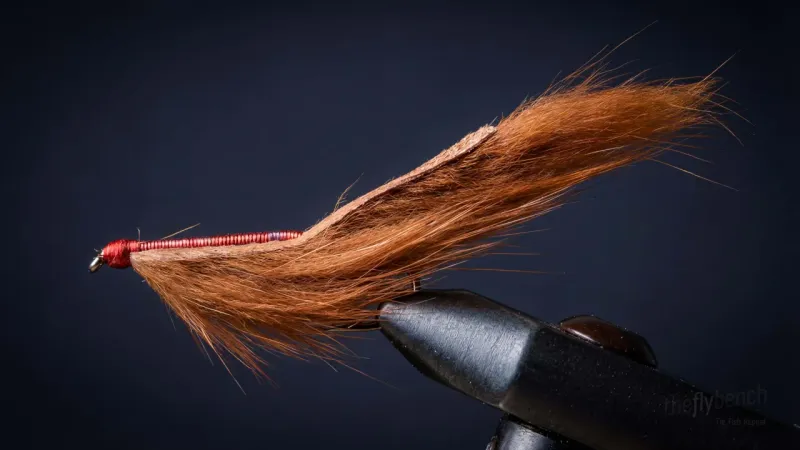
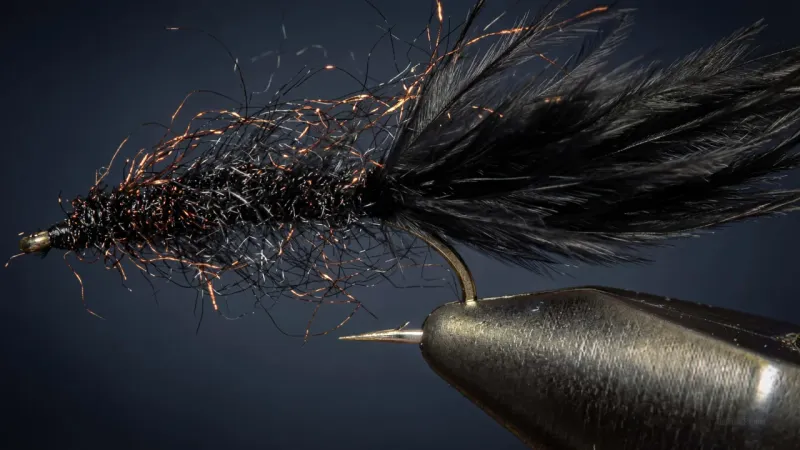
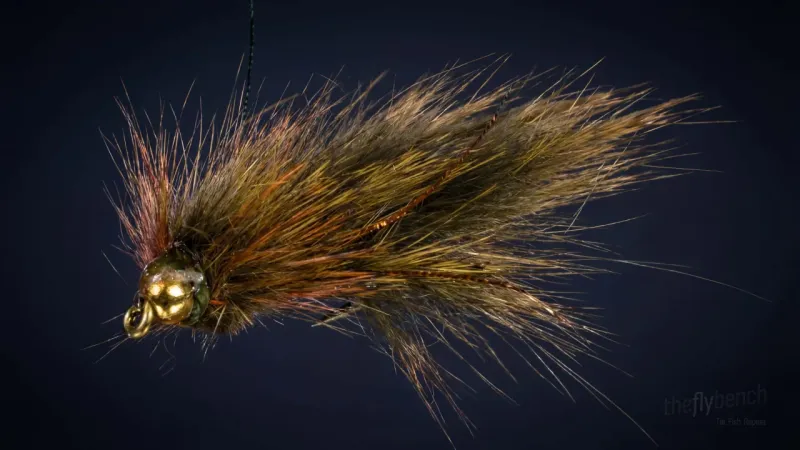
The Brown Twilite Leech from Brent Schlenker -The Fly Guy is specifically designed to target big trout that move into the shallows during low-light conditions to feed. This pattern capitalizes on the productive twilight feeding opportunities when larger fish feel secure enough to venture into shallow water in search of prey.
Spring, Summer, Fall
Intermediate
Trout
Dec 2025
Overview
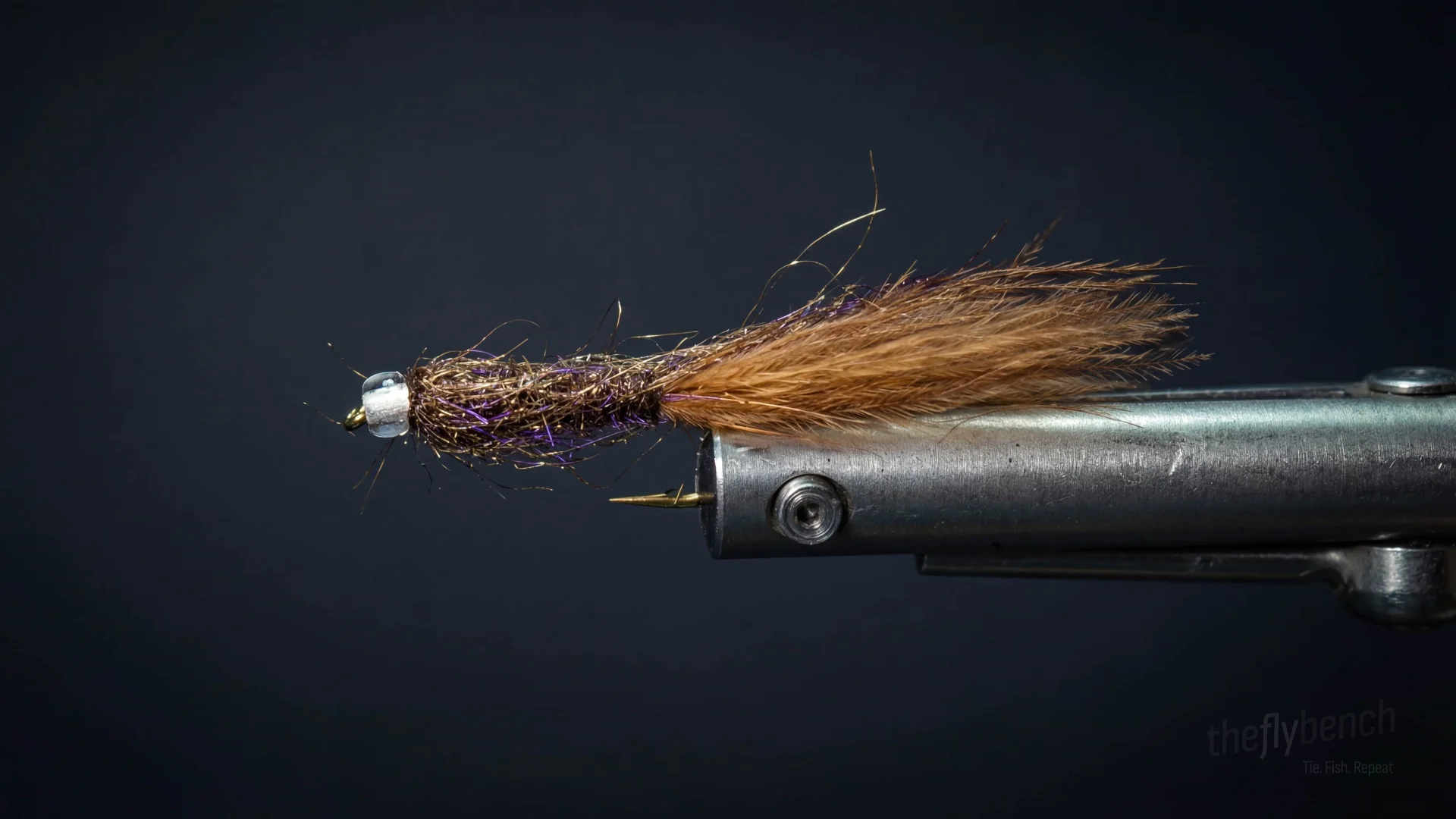
This Brent Schlenker pattern is engineered for a specific fishing situation that many anglers overlook. During twilight hours, trophy trout often move from deep water into the shallows to feed aggressively. The brown coloration matches natural leeches found in most stillwater environments while remaining visible in low-light conditions.
Materials
Hook: Standard streamer hook, #6-10
Thread: Brown, 6/0
Bead: Tungsten bead, copper or brown
Tail: Marabou, brown
Body: Dubbing or chenille, brown
Flash: Krystal Flash, copper (optional)
Behavior & Presentation
Natural Behavior: Leeches exhibit twilight activity peaks, swimming actively through the water column during low-light periods. Their serpentine movements and frequent pauses create feeding opportunities as they navigate between cover.
Where Trout Eat It: Trout strike this during twilight when they move from deep water into shallows less than 6 feet to feed aggressively under low-light cover. The brown coloration remains visible at dusk/dawn while creating silhouette against lighter sky when trout look up.
How to Fish It: Fish on long leader (12-15 feet) with 4X-5X fluorocarbon for quiet presentations in shallow water. Retrieve with slow pulsing strips during dawn and dusk. Time your fishing for one hour before sunset through dusk when big trout enter shallow zones.
Best Water: Target shallow water (3-6 feet) over shoals and along shoreline drop-offs during morning and evening twilight in BC interior lakes. The pattern excels where shallow feeding zones transition to deeper daytime holding water where trophy fish patrol.
Strike Type: Indicator slides or line tightens as fish intercept during the retrieve—set when resistance becomes clear.
Fishing Strategy
Rigging Suggestions: Fish on a long leader (12-15 feet) with 4X-5X fluorocarbon tippet under a floating line. This setup allows quiet presentations in shallow water without spooking wary fish.
Seasonal Timing: Most effective during , , and when water temperatures encourage trout activity. Prime fishing occurs during morning and evening twilight periods.
Pro Tips: The tungsten bead provides enough weight to reach cruising fish without sinking too quickly in shallow water. The brown marabou creates a natural silhouette visible to fish looking up toward the surface.
Entomology
During twilight hours, leeches migrate from deep water toward the shallows, swimming with distinctive undulations that make them conspicuous against lighter backgrounds. Large trout capitalize on these low-light movements, feeding aggressively on leeches when reduced visibility gives predators a tactical advantage over typically wary prey.
- Organism Type
- leech
- Life Stage
- general