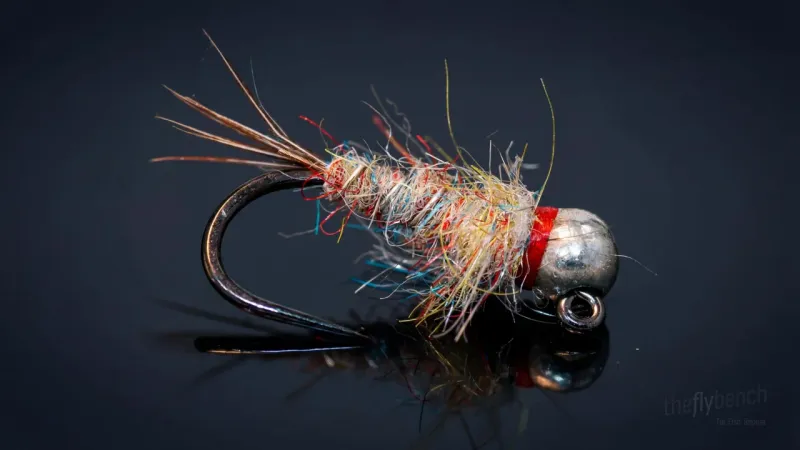
Euro NymphsBlowtorch Nymph
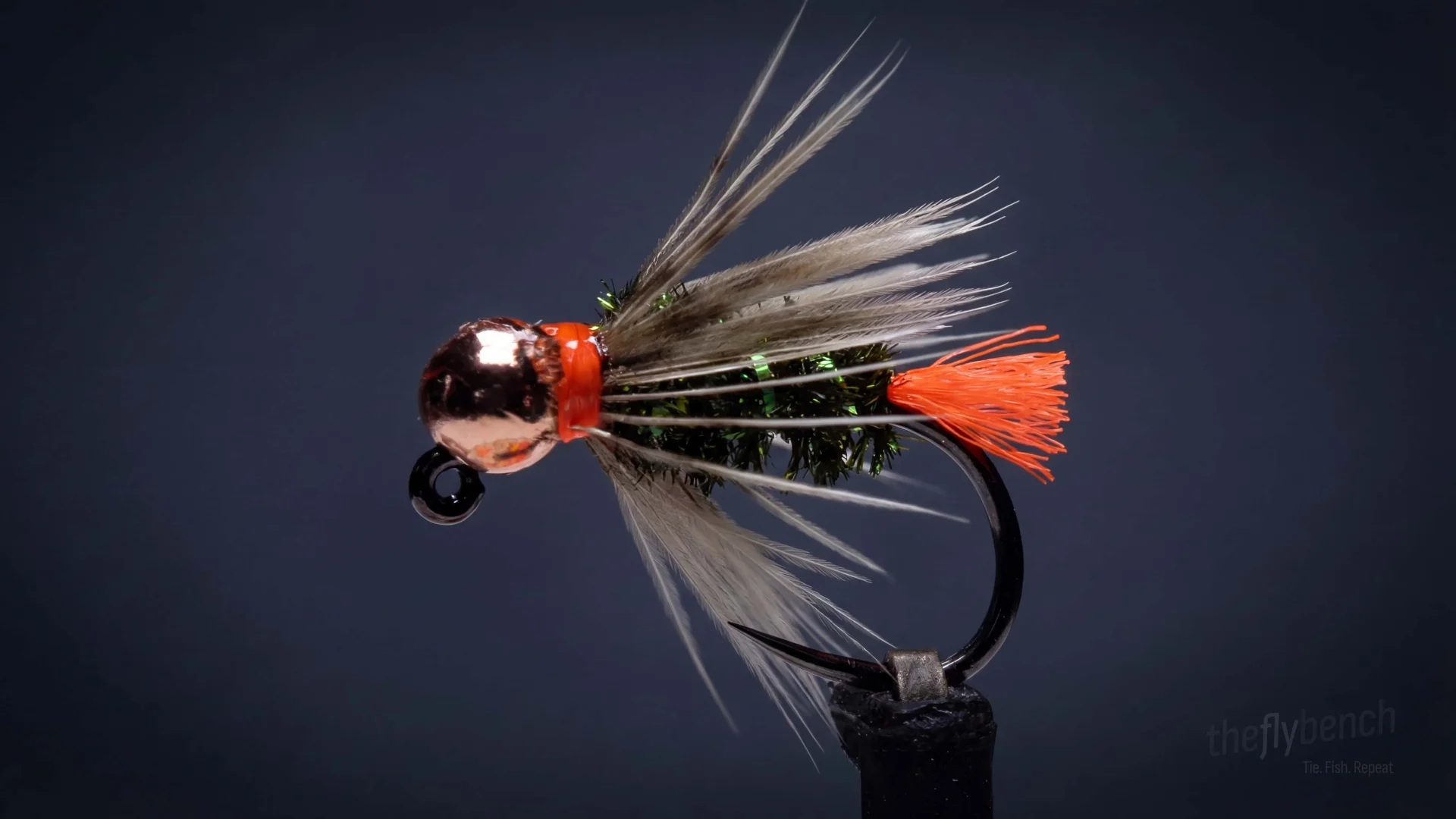
A highly effective Euro nymph designed as an attractor with a sleek profile, vibrant hot spot, and subtle movement from its CDC collar. It excels in fast water and is effective in Euro nymph setups.
Year Round
Intermediate
Trout
Apr 2025
Overview
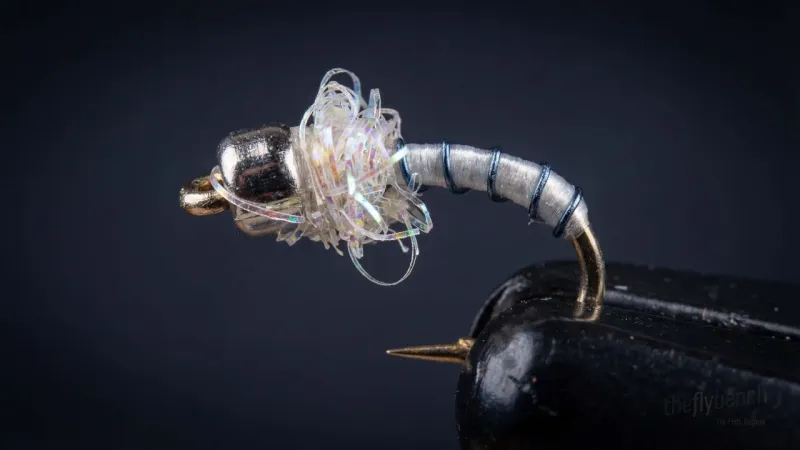
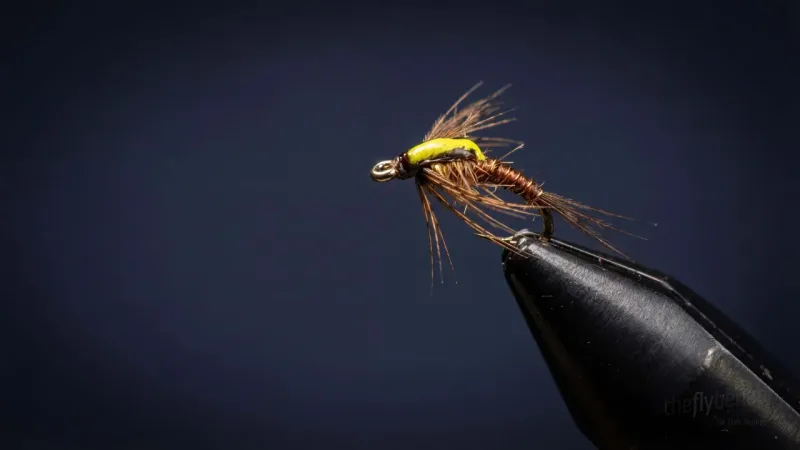
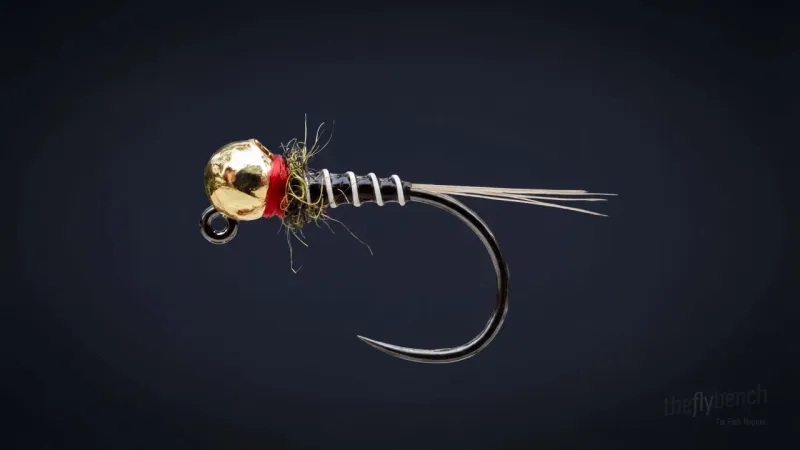
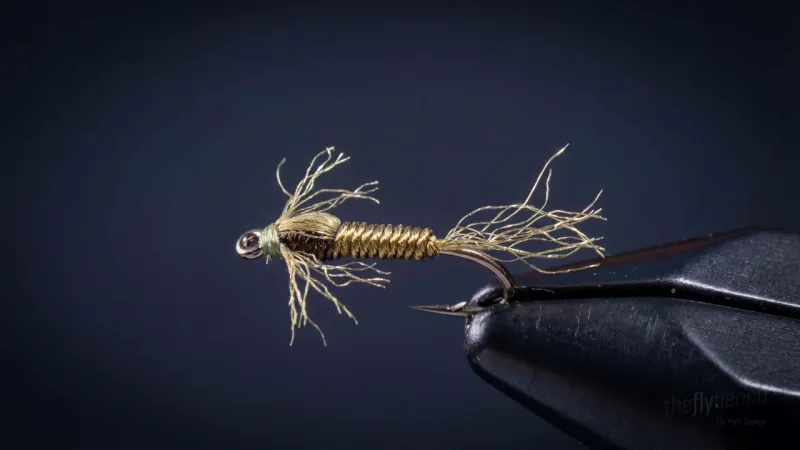
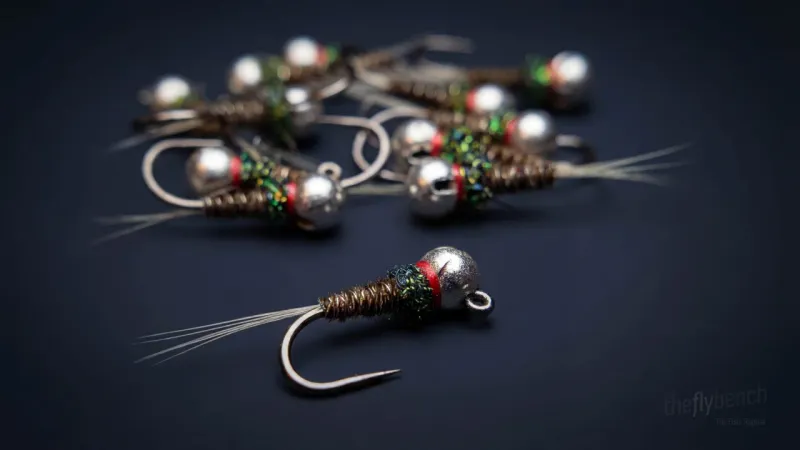
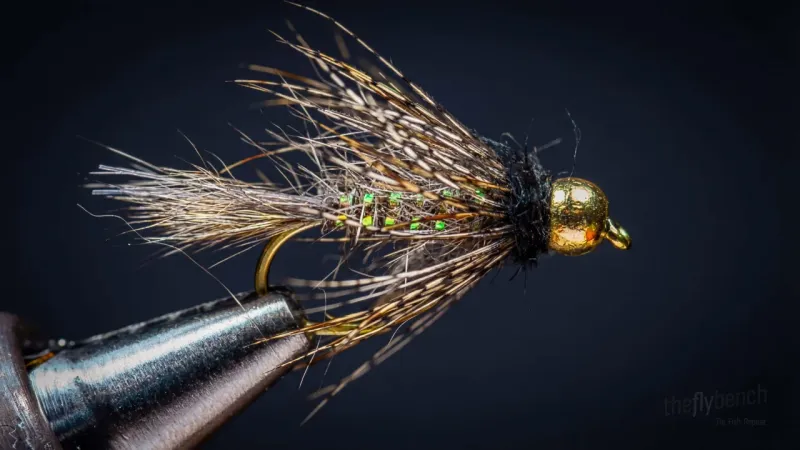
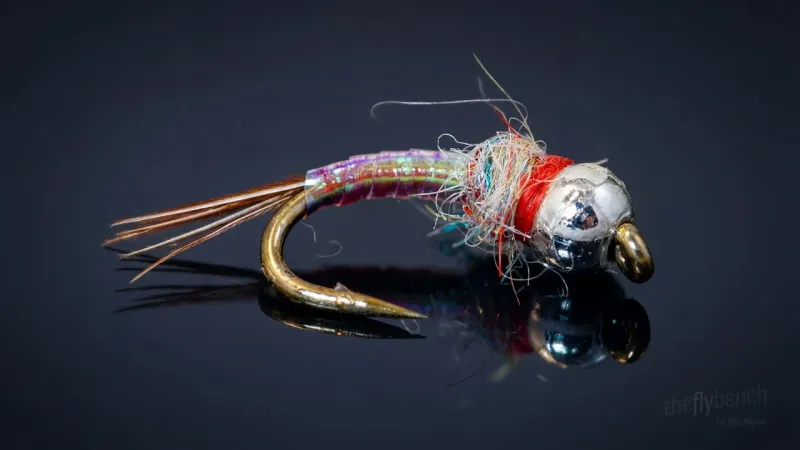
A modern Euro nymph, the Blowtorch features a hot orange or pink dubbed collar, flashy tinsel body (often orange or chartreuse), and a sparse CDC or Coq de Leon tail. A slotted tungsten bead provides fast sink and balance. It's tied slim to cut through current and excels as a point or dropper fly in Euro rigs.
Where to Buy This Fly
We only link to fly shops we trust. Some links are referral links, which may earn us a commission at no extra cost to you.
Materials
- Hook:
- Fulling Mill 35045), sizes 10-16.
- Head:
- Copper slotted tungsten bead, 7/64-inch
- Weight:
- Lead-free wire, .015
- Thread:
- Fluorescent Fire Orange, 8/0 or 70-denier
- Tag:
- Fluorescent Fire Orange Antron yarn
- Rib:
- Green Sulky Holoshimmer Metallic Thread
- Body:
- Peacock herl
- Collar:
- Hen-neck feather fibers
- Hot spot:
- Tying thread
Behavior & Presentation
Natural Behavior: Nymphs tumble through current when dislodged from feeding stations, their bright thorax visible as they cartwheel along the streambed. The orange hotspot mimics the gills and thorax coloration trout recognize as vulnerable prey during behavioral drift periods.
Where Trout Eat It: Target deep runs, pocket water behind boulders, and seams in freestone streams and tailwaters where trout hold in moderate to fast flow.
How to Fish It: High-stick Euro nymphing with tight line control. Add small jigging lifts at drift's end to trigger reaction strikes.
Best Water: Fish pockets, seams, and runs with moderate to fast current. Structure breaks and channel swings concentrate drifting nymphs.
Strike Type: Detect strikes through sighter sag, subtle ticks, or pauses in line movement during the drift.
Fishing Strategy
Rigging Suggestions: Use as a point fly or dropper in a tight-line nymph rig. Fish on 5X or 6X tippet. Pair with a heavier anchor fly above or a smaller trailing nymph 12-18 inches below.
Seasonal Timing: Year-round pattern that excels in all conditions, particularly effective during early months from December through April when trout are lethargic and need extra attraction.
Pro Tips: The tungsten bead and slim profile sink quickly to reach depth fast. The orange hot spot and ribbing provide high visibility in turbid water. The CDC collar adds subtle movement that attracts strikes without extra manipulation.
Entomology
Mayfly nymphs exhibit behavioral drift patterns where they intentionally release from the substrate during low-light periods, swimming actively in the water column before reattaching downstream. This general nymph presentation capitalizes on fish feeding during these drift peaks, when trout position themselves in feeding lanes to intercept the steady stream of tumbling, swimming nymphs that pass through their territory.
- Order
- Ephemeroptera
- Common Name
- Mayfly
- Organism Type
- insect
- Life Stage
- general