


Overview
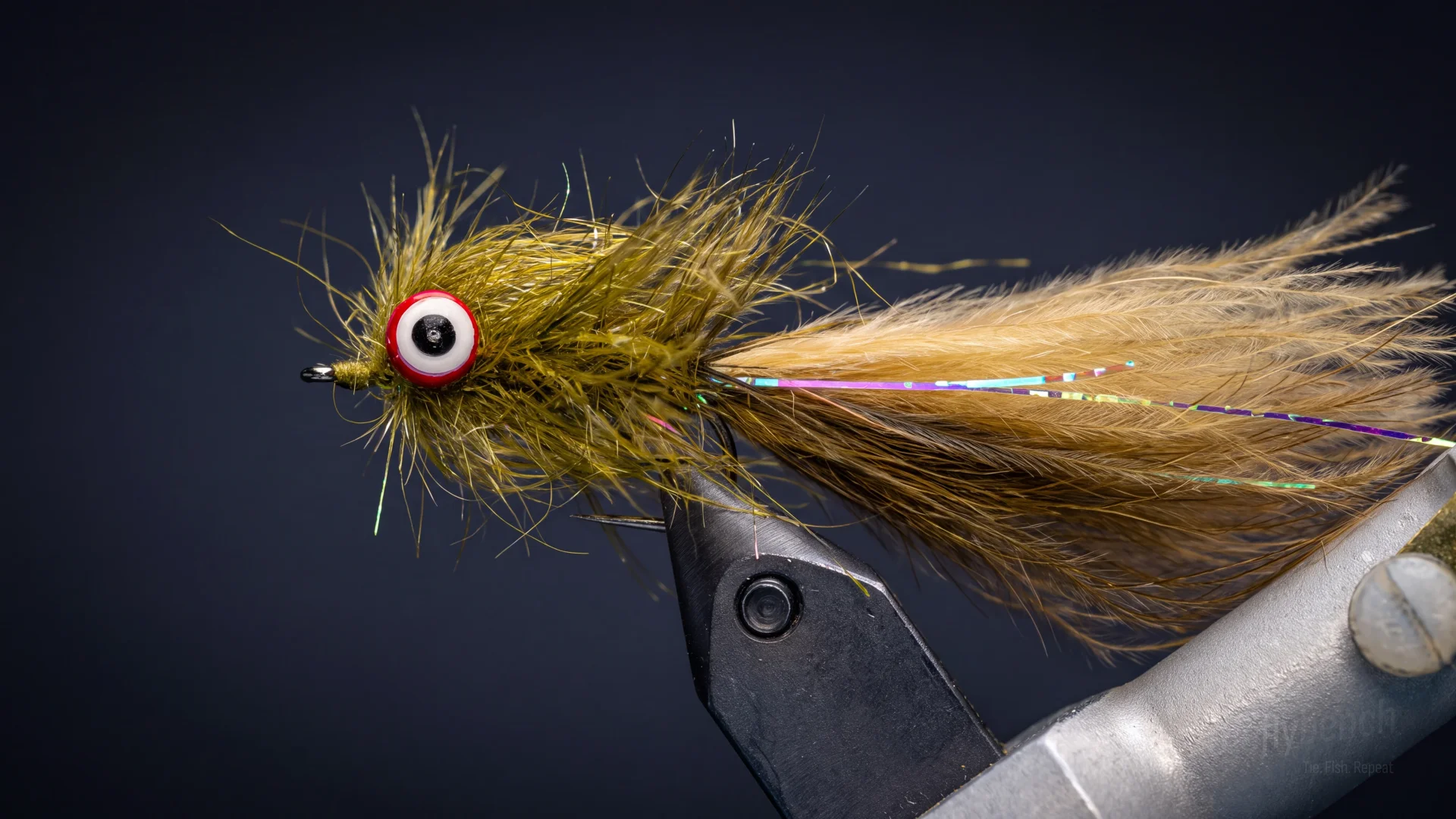
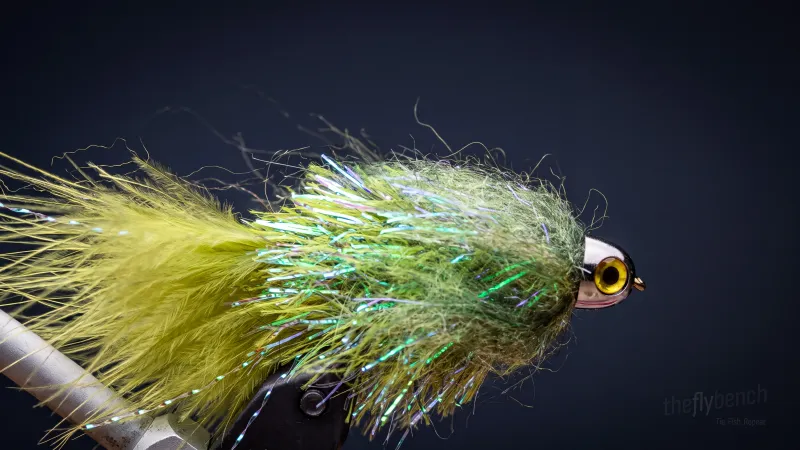
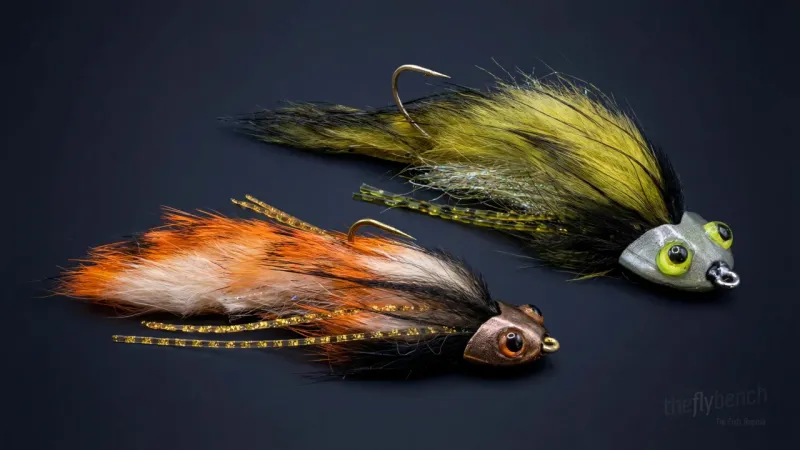
Lance Egan's pattern, featured by Fly Fish Food, took shape on Utah's Provo River, where netting sculpins from the rocks showed the naturals were paler than most patterns tied to copy them. Heavy lead eyes flip the hook point up and pull the fly to the bottom fast. A dubbing-loop head of Laser Dub or Simi Seal can replace the plain thread head.
Related patterns


Behavior & presentation
- Natural Behavior
- Sculpins hug the streambed with flared pectoral fins, holding motionless against cobble before scooting a few feet in a short burst. Their light bellies and mottled olive backs blend into sunlit gravel.
- Where Trout Eat It
- Big browns and rainbows hold beside boulders and along deep banks, picking off sculpins that get pushed out of cover by current or by wading anglers.
- How to Fish It
- Cast tight to structure from a drift boat or while wading, let the lead eyes pull the fly down, then retrieve with short twitches and pauses so the marabou breathes along the bottom. Fishing it as the bottom fly of a two-streamer rig covers more water.
- Best Water
- Rocky drop-offs below riffles, undercut banks, boulder pockets, and the soft seam where a run slows into a pool.
- Strike Type
- Most takes land on the pause as the fly falls back to the rocks, felt as a heavy thump or a sudden stop; set with a firm strip rather than lifting the rod.
Fishing strategy
- Rigging Suggestions
- On a floating line, use a 7-10 foot leader so the fly reaches bottom; on a sink-tip, shorten it to 4-6 feet. Use 2X tippet as a starting point and step up to 1X or 0X when fishing larger streamers. For a two-fly rig, put the upper fly on a dropper tag and add 3-5 feet of tippet to the lower fly.
- Seasonal Timing
- Productive from spring through late fall on tailwaters and freestone rivers, with the best days often coming on overcast weather and slightly off-color water when large trout move out from cover to hunt.
- Pro Tips
- Keep the colors light, because sculpins are paler than many dark sculpin patterns suggest. Strip some fiber off the chenille core before tying it in to avoid a lump at the tail, and rib the hackle with 6X tippet so trout teeth don't cut it.
Entomology
Sculpins live on the bottom of cold, rocky rivers, resting under stones by day and moving across the gravel in quick hops to feed. Because they have no swim bladder, they sink straight back to the bottom after each burst, which makes them easy targets for trout feeding near the bottom.
- Order
- Scorpaeniformes
- Family
- Cottidae
- Common name
- Sculpin
- Organism
- baitfish
- Life stage
- general
Pattern details
- Moving Water
- Rocky Mountain
- woolly-bugger-family
- strip-retrieve
- active-retrieve
- jigging
- modern
- tailwater