



Overview
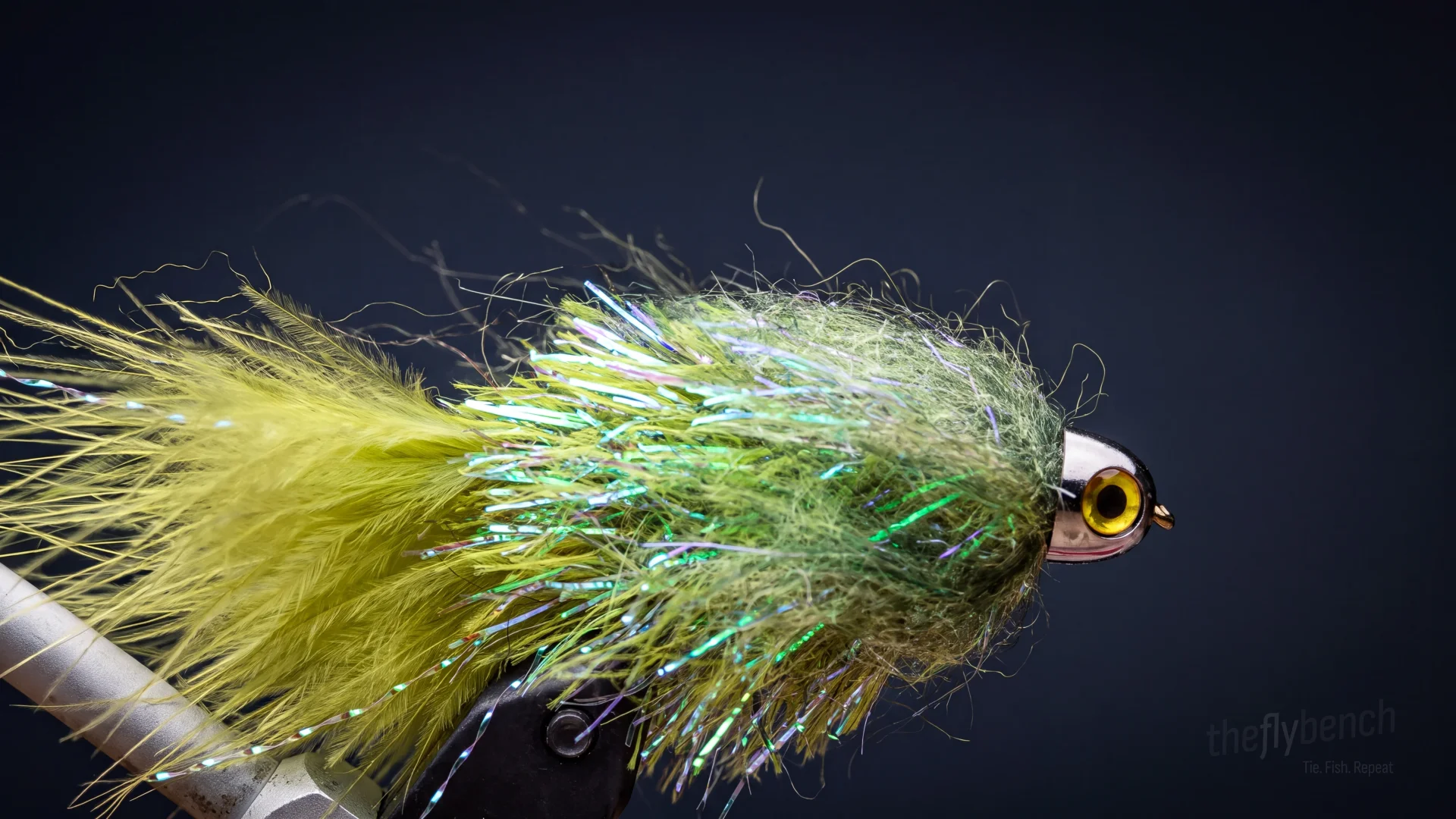
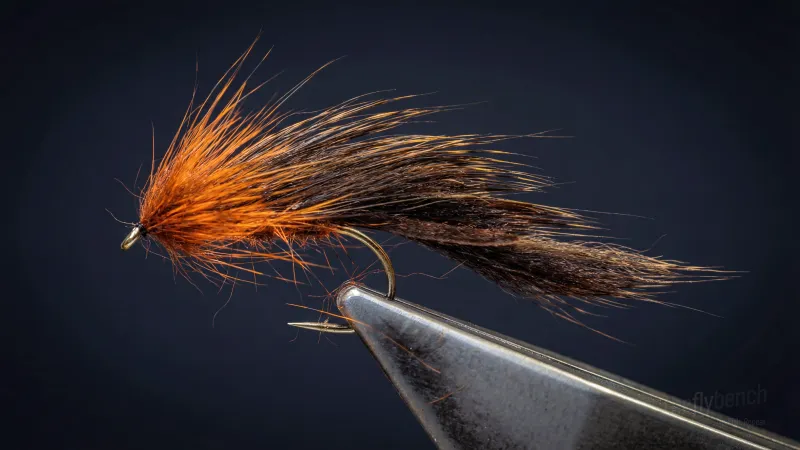
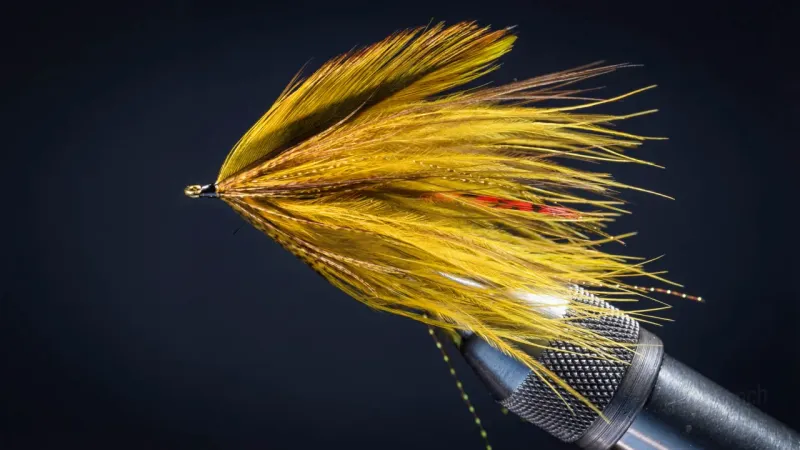
Kynan Lee designed the Moss Monster for Smitty's Monthly Fly Box as a streamer that moves water and gets down in big runs and deep pools. A light olive marabou tail and pearl Krystal Flash trail behind a wrapped straggle-hackle body, finished with an olive Laser Dub collar. The sculpin head and lead wraps set the sink rate, and other straggle colors swap in easily.
Related patterns


Behavior & presentation
- Natural Behavior
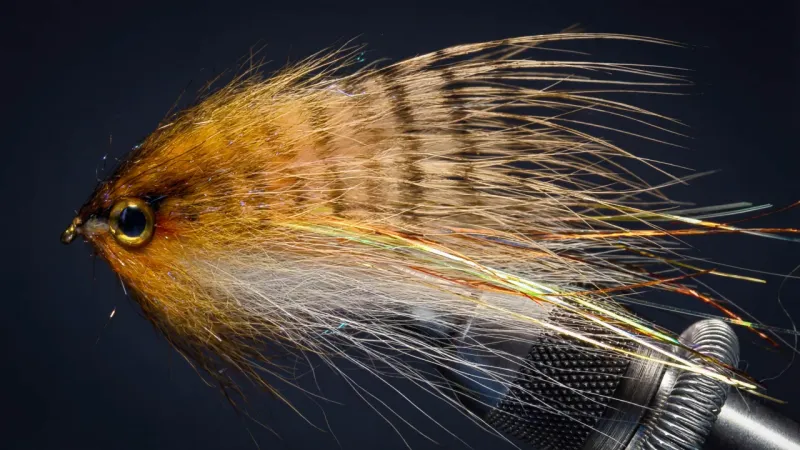
- Sculpins hug cobble bottoms, wedged under rocks by day, and scoot off in short, low bursts when flushed before dropping back to the stones a body length or two away.
- Where Trout Eat It
- Bigger trout pick them off along the river floor in deep runs and pool heads, where a dislodged sculpin has to cross open gravel to reach new cover.
- How to Fish It
- Cast across and slightly down, let the heavy head pull the fly to the bottom, then strip in short, sharp pulls with a beat between each so it hops and settles like a fleeing sculpin. The straggle fibers and marabou keep breathing during the pause.
- Best Water
- Boulder-studded runs, the deep slot below a riffle drop-off, undercut banks on outside bends, and seams along mid-river ledges.
- Strike Type
- Usually a hard stop on the drop after a strip, felt as sudden weight or a yank; keep the rod tip low and strip-set rather than lifting.
Fishing strategy
- Rigging Suggestions
- Sink-tip or Type III-VI line with a short 4-6 foot leader of 0X-2X fluorocarbon. In shallower runs a floating line and a longer leader work, letting the head and lead wire carry the fly down. A loop knot lets it dart more freely.
- Seasonal Timing
- Best in spring around runoff and from September through November, when trout feed hard on large prey. Also worth fishing on overcast summer days and in off-colored water when big fish leave cover.
- Pro Tips
- The olive-and-pearl color scheme reads well in green-tinged or lightly stained water. Wrap the straggle hackle with its fibers swept back so they flare on the pause, and tie a few in darker olive or tan to match local sculpins.
Entomology
Sculpins live on rocky stream bottoms, hiding under stones by day and foraging for aquatic insects in short hops across the gravel. Their size and bottom-bound habits make them a dependable, high-calorie meal for large trout, especially in freestone rivers with dense cobble.
- Family
- Cottidae
- Common name
- Sculpin
- Organism
- baitfish
- Life stage
- general
Pattern details
- Moving Water
- Rocky Mountain
- strip-retrieve
- active-retrieve
- modern
- searching-pattern
- high-water