

Overview
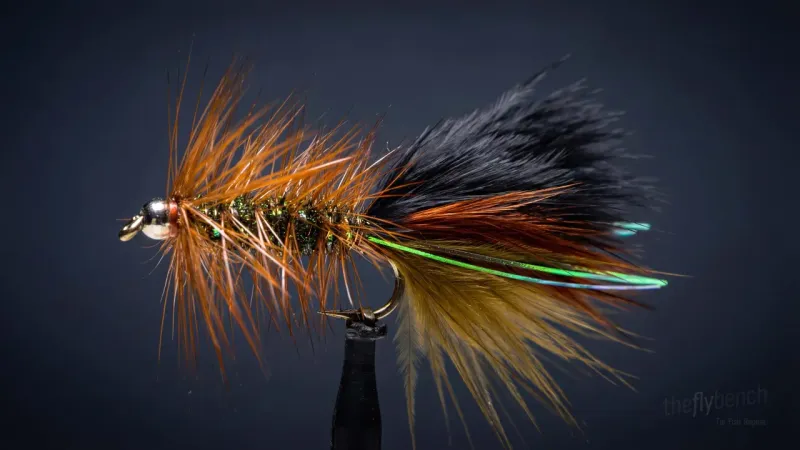
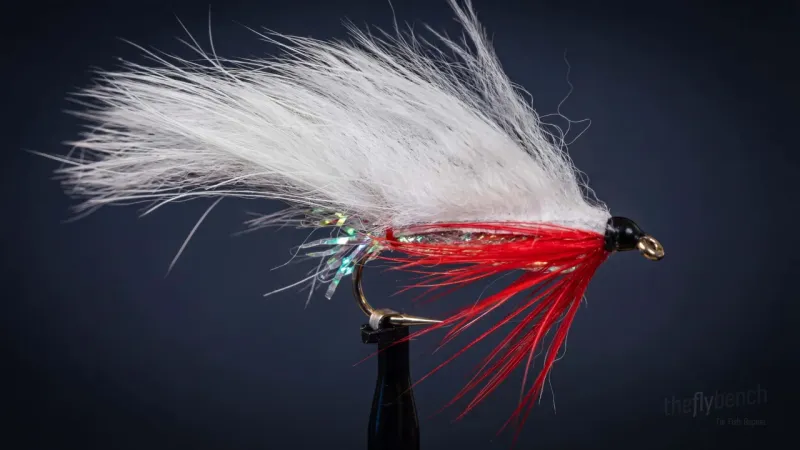
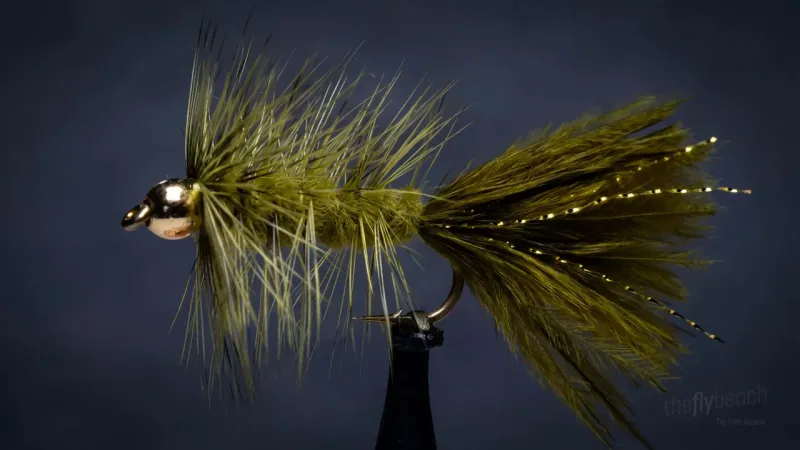
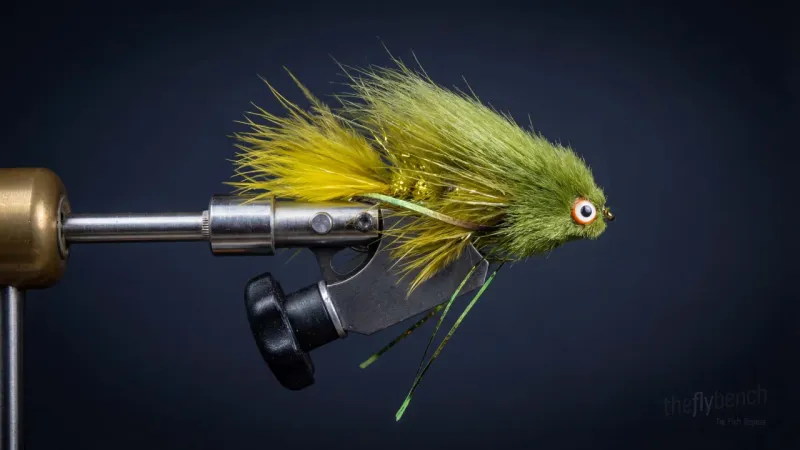
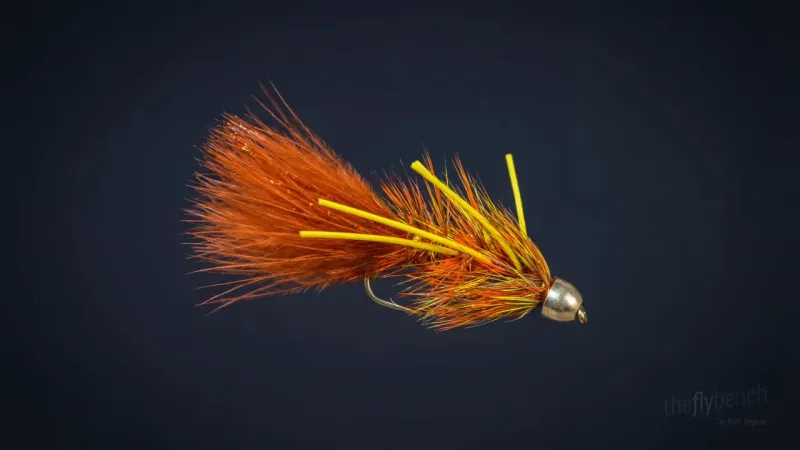
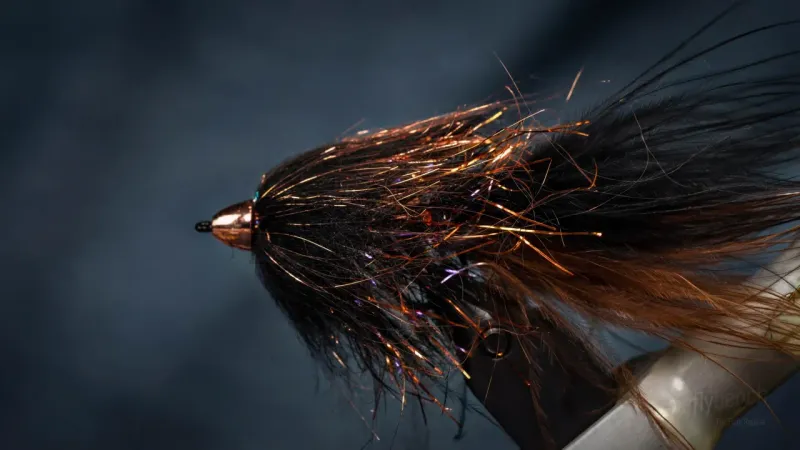
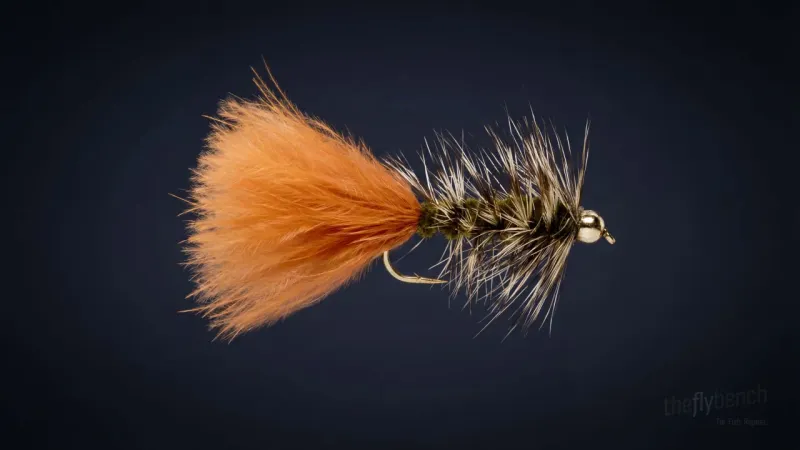
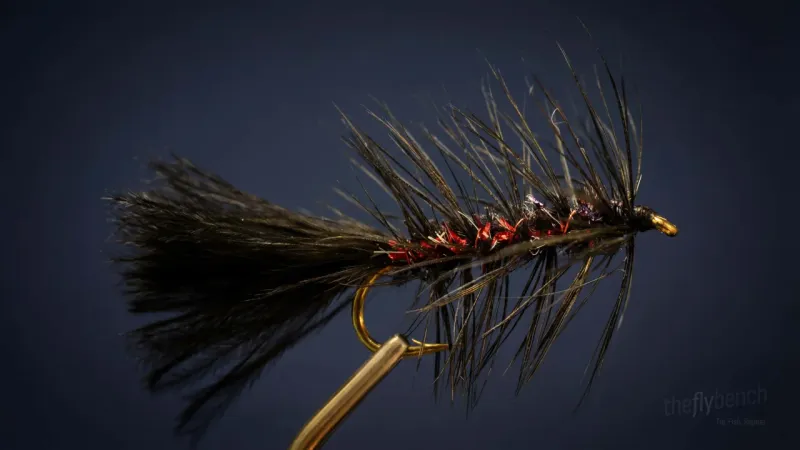
A variation of the Woolly Bugger, the Thin Mint uses a marabou tail in three distinct colors (often brown, black, and olive), a flashy chenille body, and palmered hackle. It's typically weighted with a cone-head or bead and excels in off-color or cold water.
Related patterns
Behavior & presentation
- Natural Behavior
- Small baitfish move in quick darting bursts followed by coasting glides, often swimming along structure edges or through current seams. When injured or stressed, their movements become erratic and disoriented, triggering aggressive strikes from predatory trout.
- Where Trout Eat It
- Fish ambush from undercuts and drop-offs in South Platte and Colorado River tailwater systems where the three-color marabou tail creates convincing leech or small baitfish profile. Effective near structure where trout hunt small minnows and aquatic prey during cold water periods.
- How to Fish It
- Cast upstream or across with short, quick strips or steady retrieve depending on activity level. The three-color marabou (brown/black/olive) and peacock body create natural appearance. Use floating line in small rivers, Cold 25 sink-tip in bigger water. Fish slower in cold water.
- Best Water
- Target undercut banks, drop-offs, and channel swings in tailwater rivers. Fish structure transitions and current breaks where predators stage in ambush positions.
- Strike Type
- The hit comes as a heavy thump mid-strip when trout ambush the darting marabou profile; counter with immediate strip-set, driving the hook point home against hard jaw structure.
Fishing strategy
- Rigging Suggestions
- Floating line with 15-20 foot leader and 2X-3X tippet (8-10 lb) for shallow zones. Type III-VI sinking line for depths over 10 feet.
- Seasonal Timing
- with peak effectiveness during (March-May) and (September-November) when trout actively hunt baitfish. Early morning and evening hours, overcast days, or when water temperatures drop below 55°F and trout switch to larger food sources.
- Pro Tips
- The articulated design creates lifelike swimming action. Fish it slower in cold water (below 50°F) and faster in warmer conditions.
Where to fish it
Rivers anglers pair with this fly, with local shops that stock it.
River details and fly shops from River & Run, our sister site.
Entomology
Small minnows and juvenile fish swim with darting, pulsing movements through slack water and eddies, occasionally exhibiting disoriented behavior when stressed by temperature changes or low oxygen. Predatory trout target these vulnerable baitfish as high-calorie meals, particularly in cold water conditions when metabolic demands favor hunting larger, energy-dense prey over countless small insects.
- Organism
- baitfish
- Life stage
- general
Pattern details
- Stillwater
- Moving Water
- Rocky Mountain
- active-retrieve
- strip-retrieve
- hopper-season
- woolly-bugger-family
- attractor
- searching-pattern
- high-water
- low-clear-water