




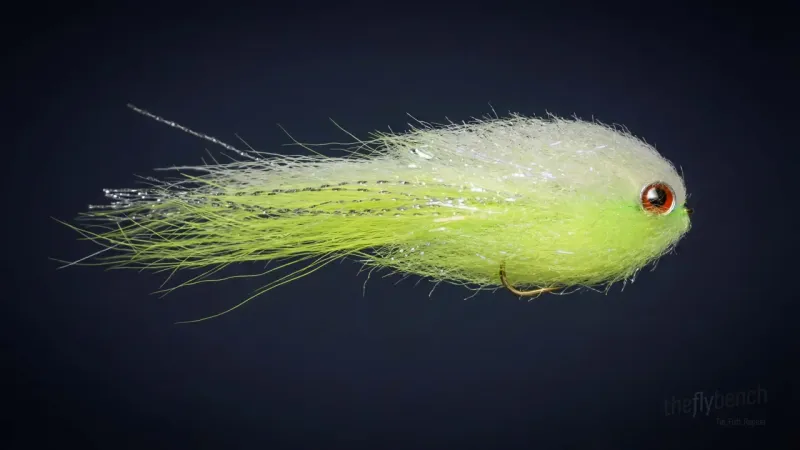
Overview
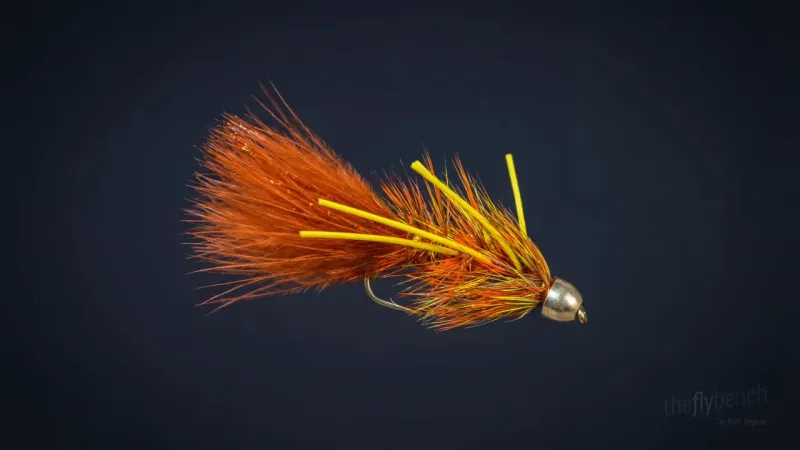
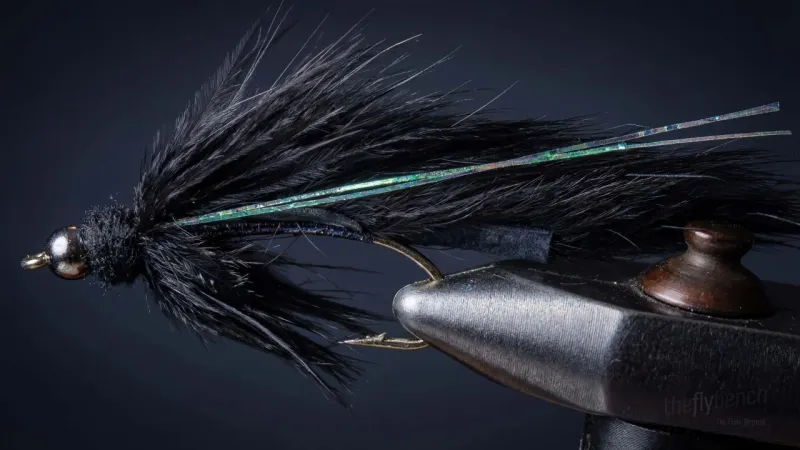
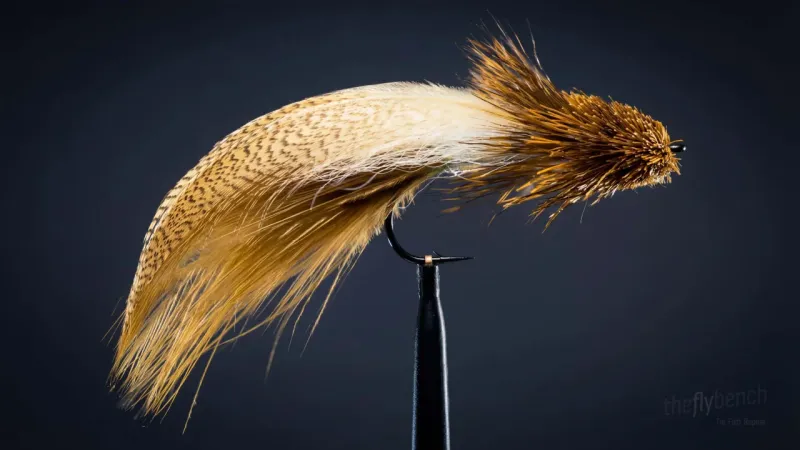
Combines the classic Woolly Bugger with a sculpin-shaped head like a Fish Skull Sculpin Helmet for added realism and jigging action. Rabbit strips, schlappen hackle, and heavy dubbing give it a broad profile and lifelike motion along the bottom.
Related patterns
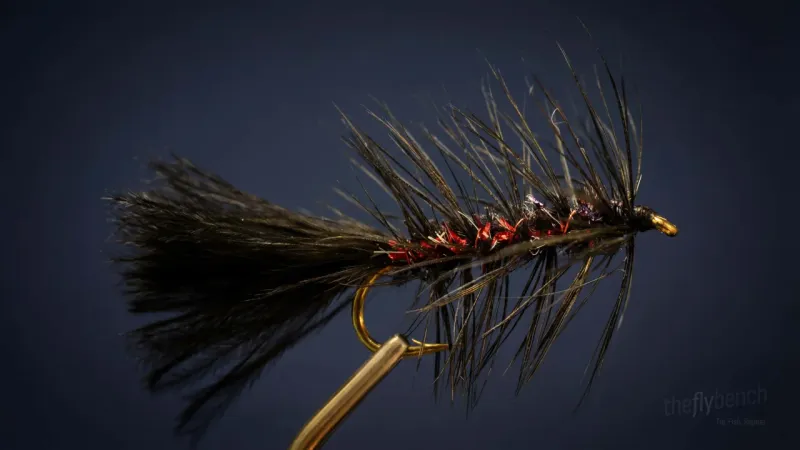


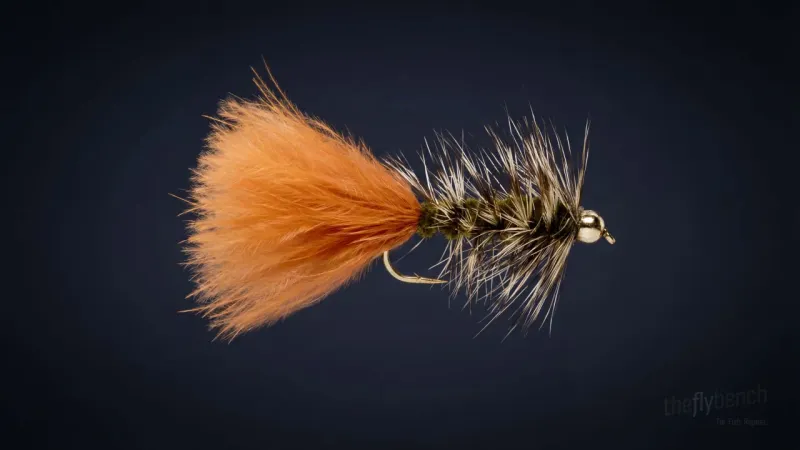
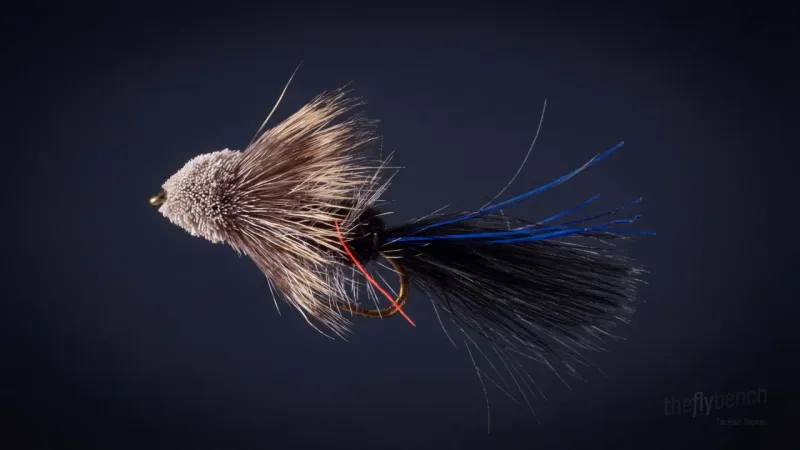
Behavior & presentation
- Natural Behavior
- Sculpins dart along rocky bottoms in short bursts, pausing to rest on the substrate between movements. When disturbed, they sprint erratically with broad pectoral fins flared, creating visible disturbances that trigger strikes.
- Where Trout Eat It
- Fish ambush from pockets and undercuts where sculpins rest on bottom between movements in the Big Hole and Madison Rivers. Trout target these nocturnal hunters during daylight when they're hiding under structure and vulnerable to predation in cobble substrate.
- How to Fish It
- Use jigging retrieve: strip-pause-strip where pull lifts fly and push releases tension allowing it to settle (like sawing wood). The sculpin helmet creates jigging motion and ensures hook-up orientation. Fish methodically along bottom structure. Use sink-tip or full sinking line (Type III-VI) to maintain bottom contact.
- Best Water
- Fish pocket water behind boulders, undercut banks, and deep runs with cobble/boulder substrate. Target drop-offs and structure transitions where sculpins hide in crevices during day.
- Strike Type
- Trout grab the jigging pattern aggressively during the pause phase, creating distinct rod-tip pull or line jump; strip-set with authority to ensure the jig hook penetrates fully.
Fishing strategy
- Rigging Suggestions
- Sink-tip or full sinking line (Type III-VI) with 6-8 foot leader and 1X-2X tippet (10-12 lb test) to keep fly near bottom.
- Seasonal Timing
- with outstanding performance during (September-November) and (December-February) when trout target high-protein forage. effectiveness as sculpins are a dietary staple.
- Pro Tips
- The sculpin helmet head creates an authentic profile and diving action on the strip. Fish it methodically along bottom structure where sculpins hide.
Where to fish it
Rivers anglers pair with this fly, with local shops that stock it.
River details and fly shops from River & Run, our sister site.
Entomology
Sculpins rest motionless on stream bottoms during daylight, then actively hunt aquatic invertebrates at night by hopping and gliding across gravel with distinctive pectoral fin movements. Trout aggressively pursue these nocturnal wanderers, which represent substantial meals compared to smaller invertebrates, particularly in freestone rivers where sculpin populations are dense and form a staple food source for trophy-sized fish.
- Organism
- baitfish
- Life stage
- general
Pattern details
- Stillwater
- Moving Water
- Rocky Mountain
- Northeast
- active-retrieve
- strip-retrieve
- woolly-bugger-family
- classic
- guide-fly
- swing
- jigging