


Overview
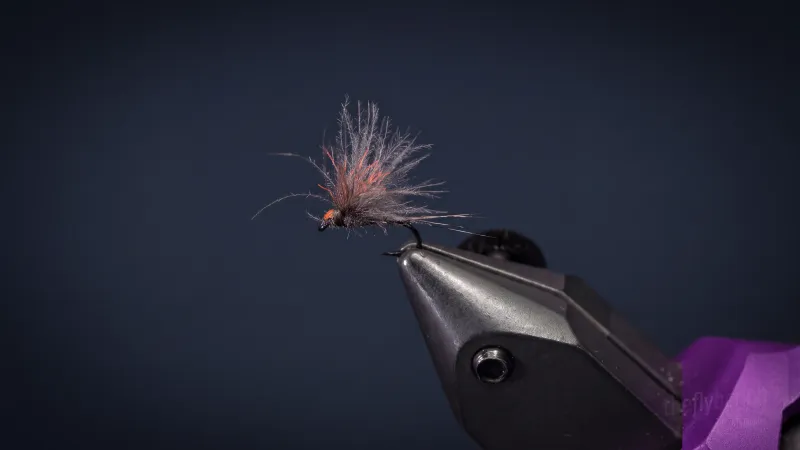
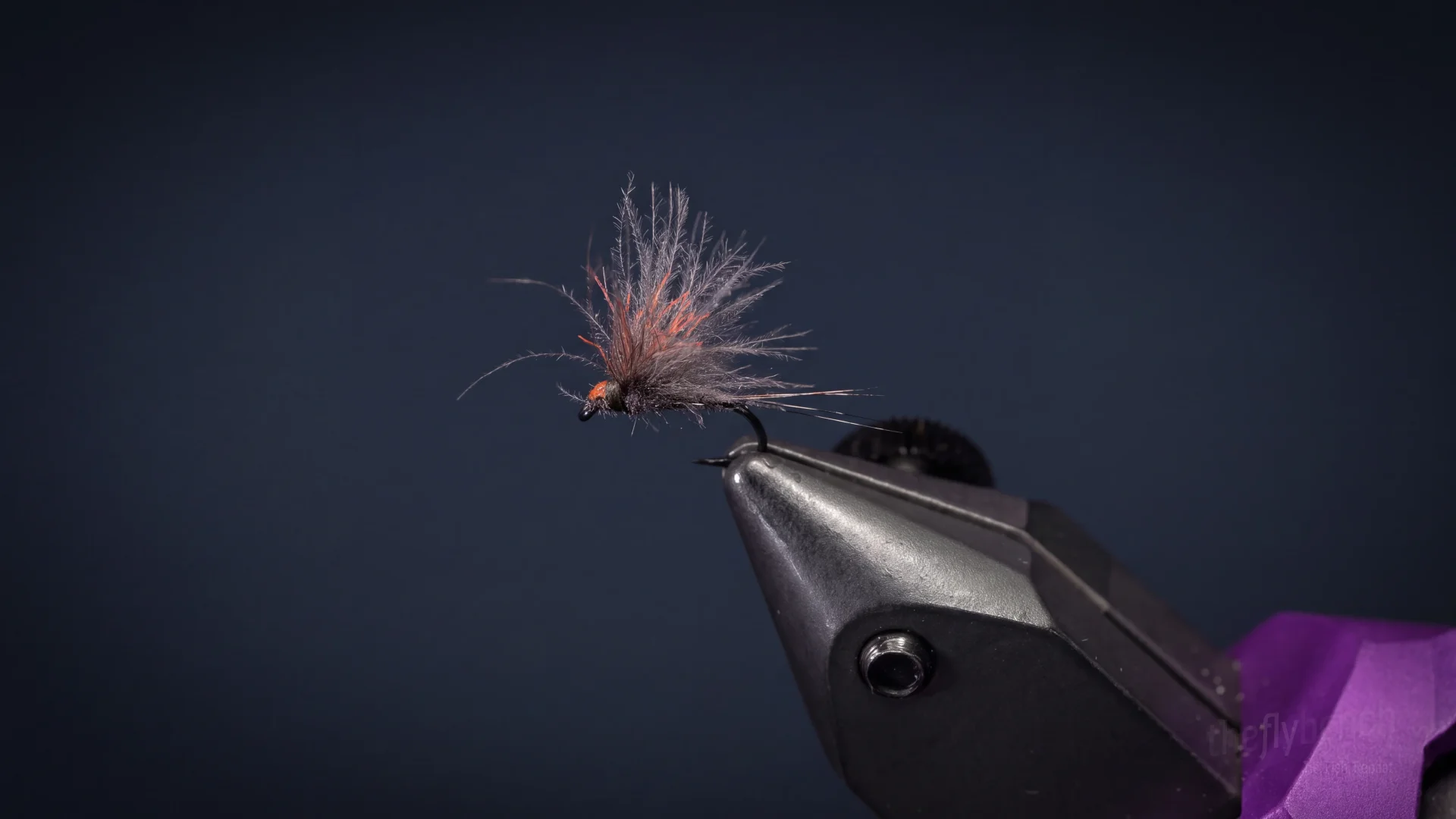
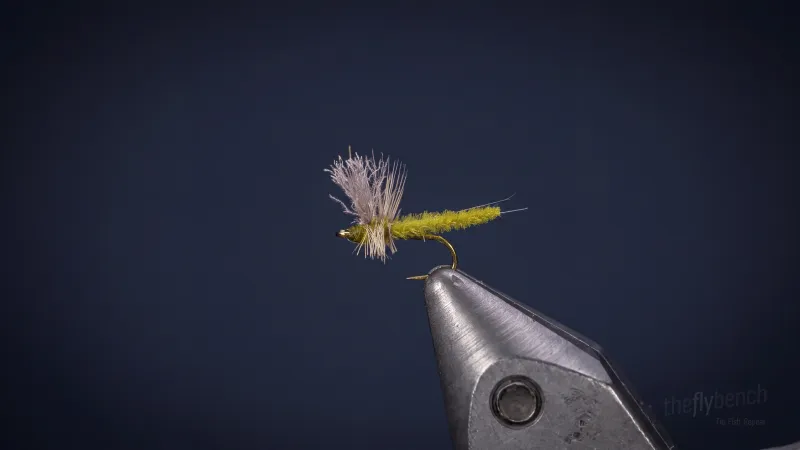
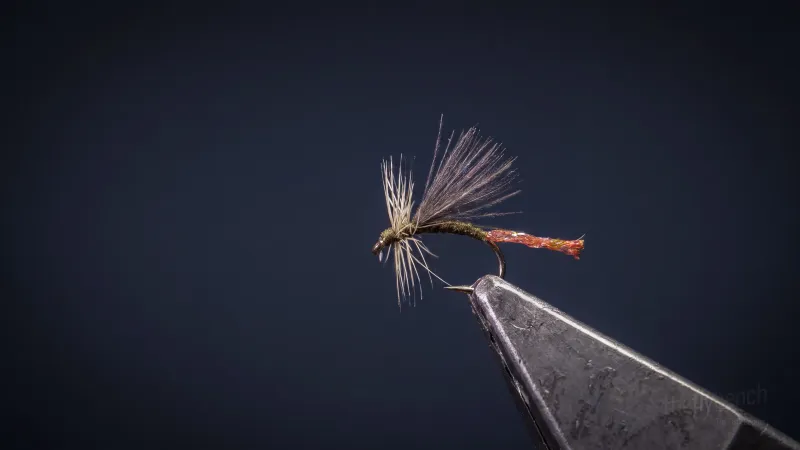
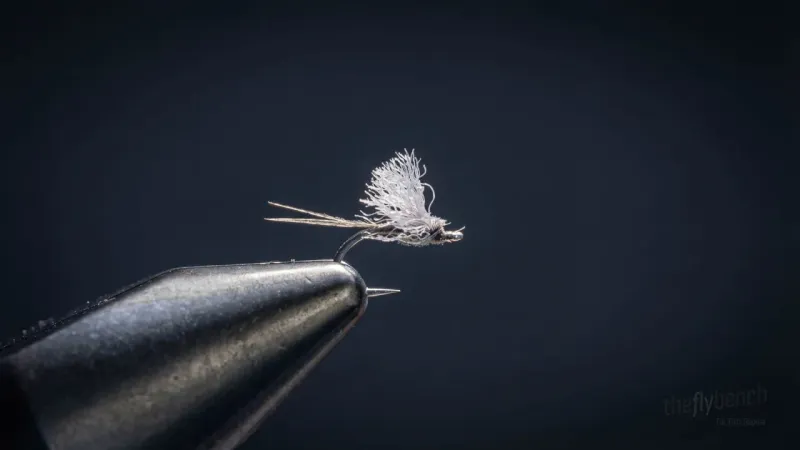
Fly Fish Food published this tie in 2021 as a fix for shop-bought BWOs that ride too bulky or sink too quickly. A Veevus quill keeps the abdomen thin, while a short olive Spikey Squirrel thorax supports a CDC wing tied around a pinch of UV orange EP fiber that shows as a sighter. Change colors and hook sizes to match the local Baetis, and keep CDC floatant on hand.
Related patterns
Behavior & presentation
- Natural Behavior
- Freshly hatched Baetis duns ride the film with upright gray wings, drifting long distances on cool, overcast afternoons before they can lift off.
- Where Trout Eat It
- Trout hold just under the surface in slow, even currents and sip duns in a steady rhythm along a single feeding lane.
- How to Fish It
- Pick out a rising fish, set your position across and slightly upstream, and lay down a reach cast so the fly reaches the trout ahead of the leader with no drag.
- Best Water
- Slicks below riffles, tail-outs, foam lines and soft seams along weed beds where small duns pile up and drift slowly.
- Strike Type
- A quiet sip or a small ring around the orange hot spot. Pause a beat before lifting so the trout can close its mouth on a size 19 hook.
Fishing strategy
- Rigging Suggestions
- Use a 10-12 foot leader tapered to 6X or 7X fluorocarbon tippet. Fish it alone on flat water, or trail a small Baetis emerger 18 inches behind it when trout are taking just under the film.
- Seasonal Timing
- Best from March through May and again from September through November, when Baetis hatch most heavily. Look for duns in early to mid-afternoon, especially on cloudy, drizzly days.
- Pro Tips
- Treat the CDC with a powder floatant instead of a gel, which mats the fibers. Dry the fly by blotting it after each fish. Carry sizes 16 through 20, along with a few darker or lighter bodies, to match the local bugs.
Entomology
Baetis duns emerge in the surface film and drift with their wings upright while they dry, often for long distances on cool or overcast days. Their small size and steady numbers let trout feed selectively in slow water, taking duns one after another with little effort.
- Order
- Ephemeroptera
- Family
- Baetidae
- Common name
- Blue-Winged Olive
- Organism
- insect
- Life stage
- dun
Pattern details
- Moving Water
- Rocky Mountain
- Pacific Northwest
- dead-drift
- baetis-hatch
- low-clear-water
- modern
- tailwater
- spring-creek