

Overview
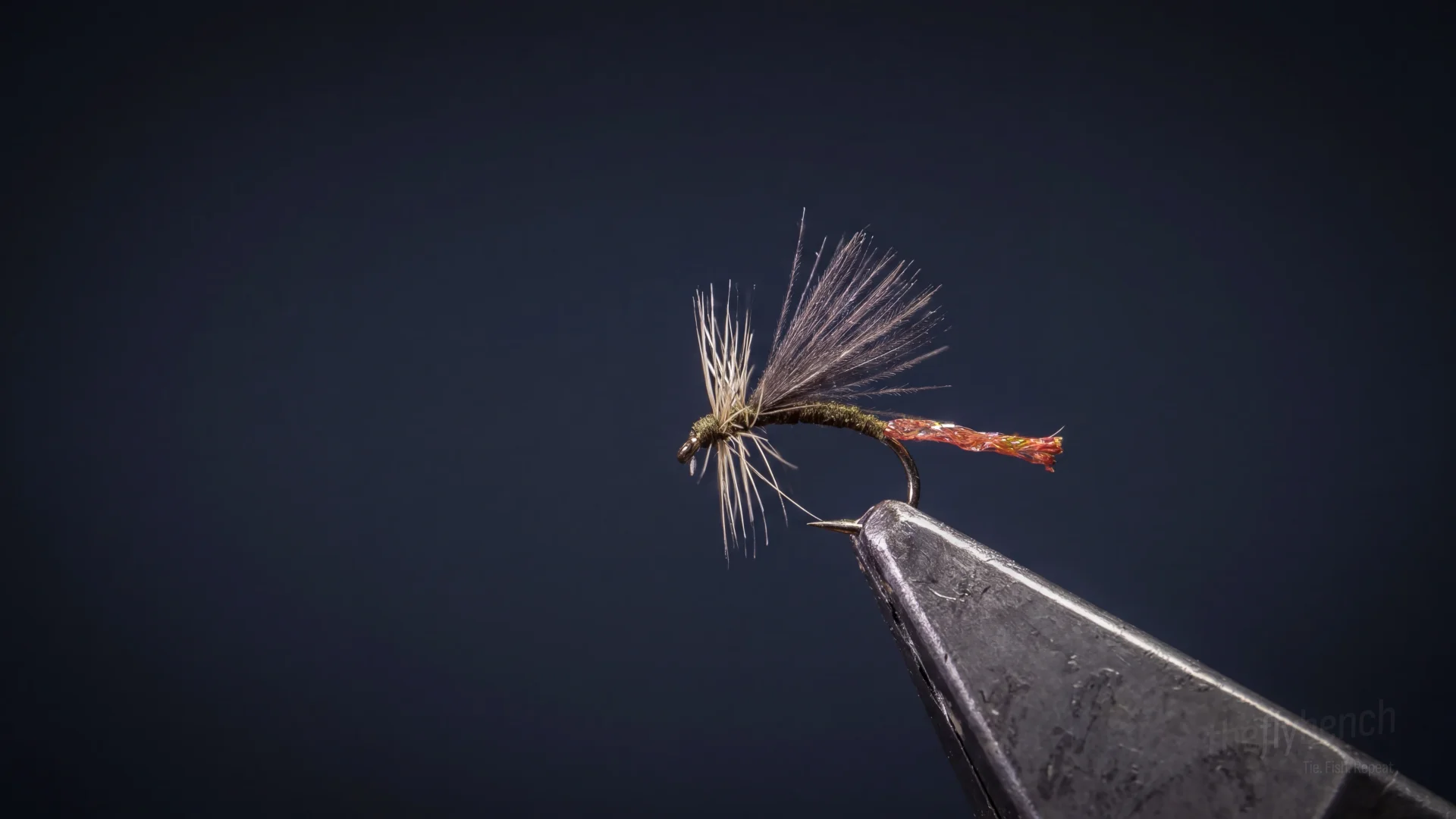
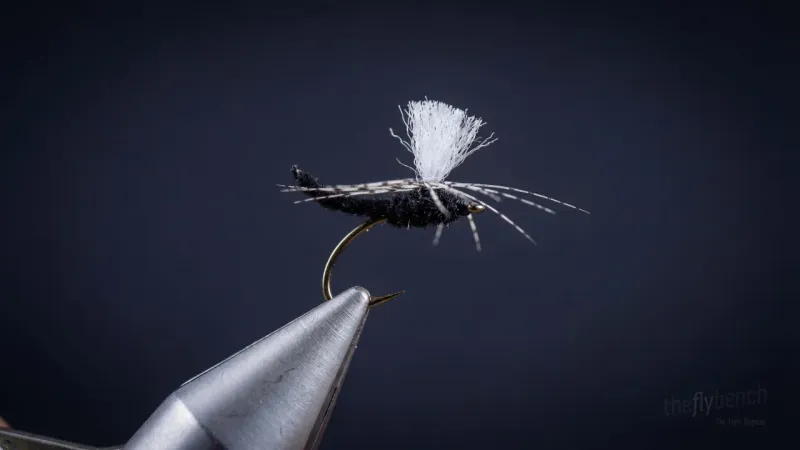
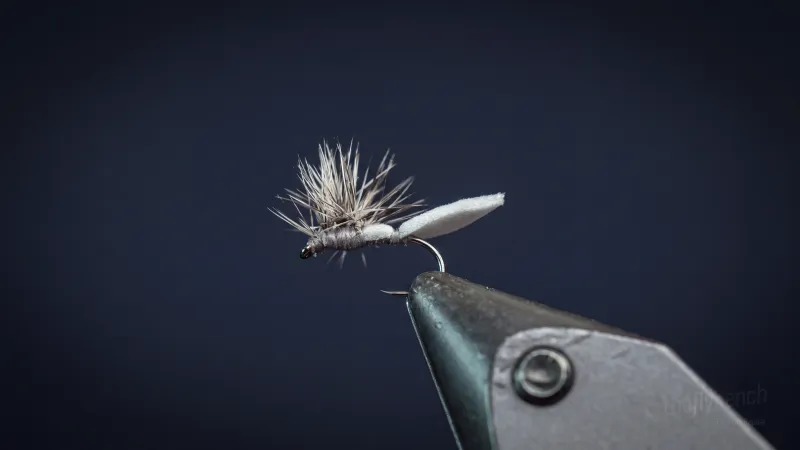
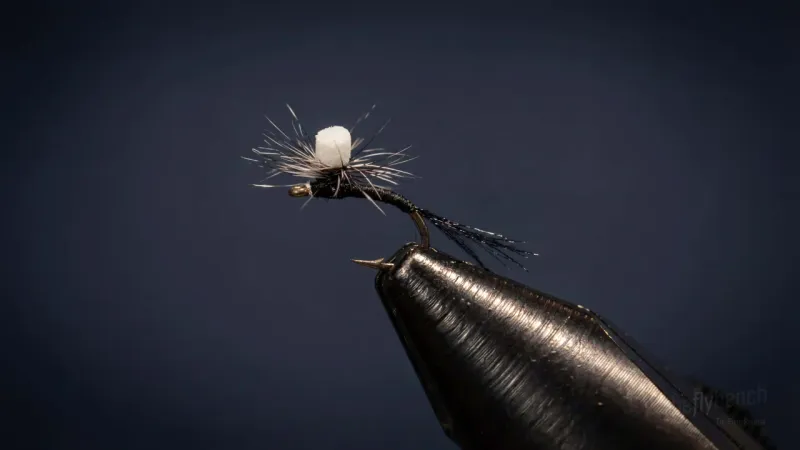
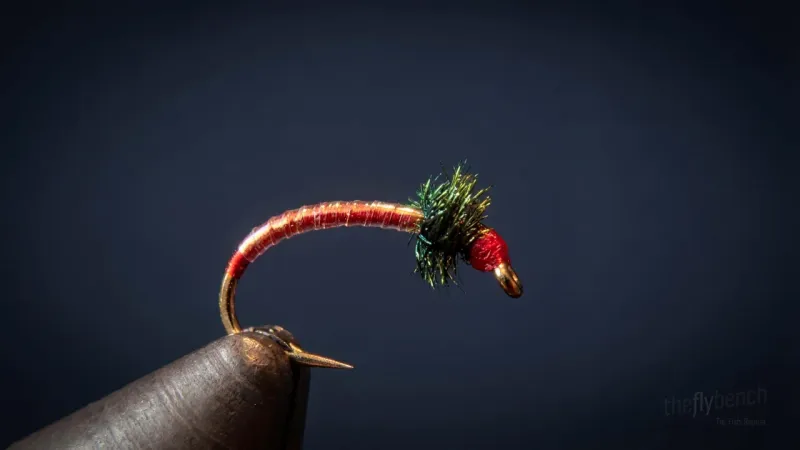
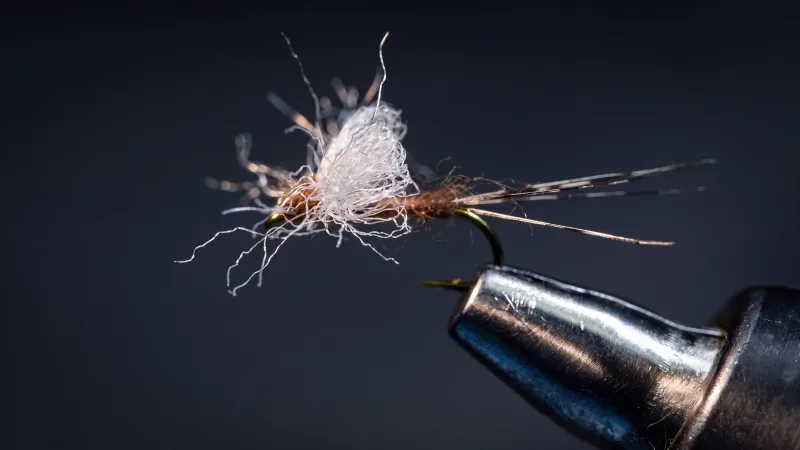
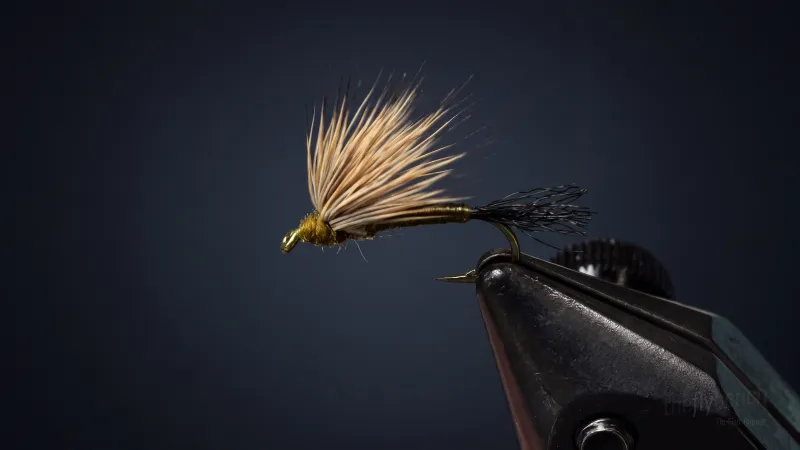
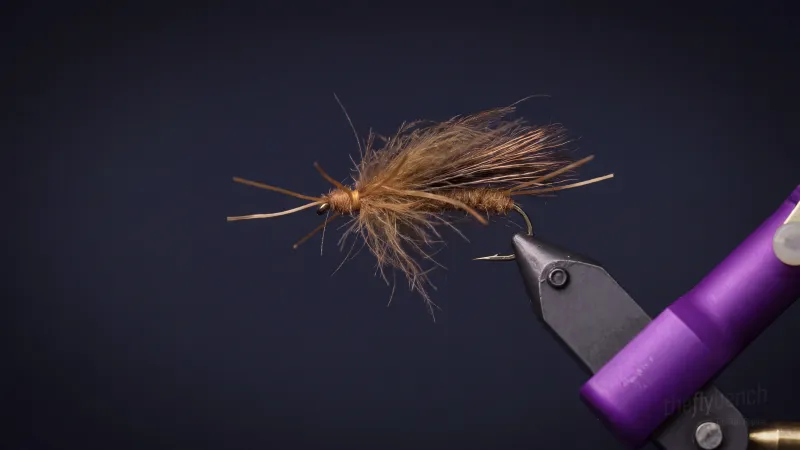
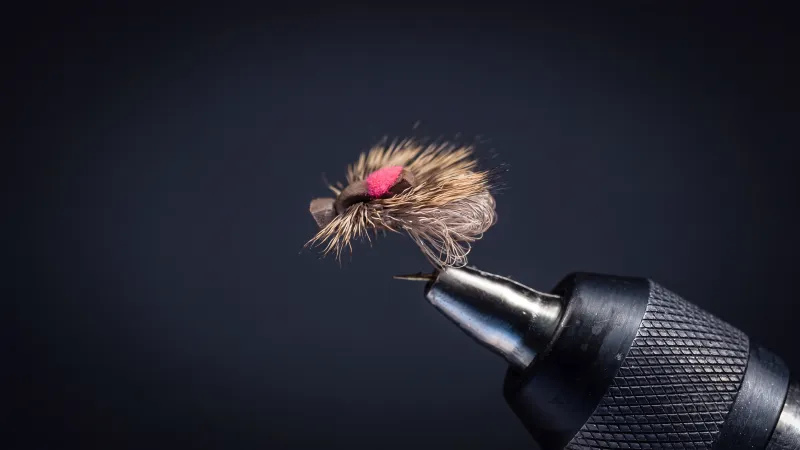
A simple tie with only a few materials: the Krystal Flash tail gives the shimmer of a shuck being shed, and the CDC wing and sparse grizzly hackle hold it in the film. Change the thread color to match local midges, or wrap tightly twisted thread over the abdomen for segmentation. Umpqua sells a hi-vis version, Morgan's Para-Midge, for anglers who struggle to see the original.
Related patterns
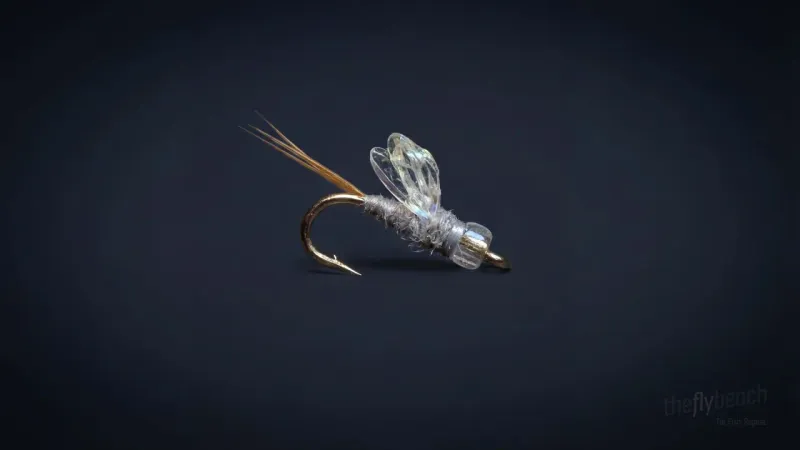
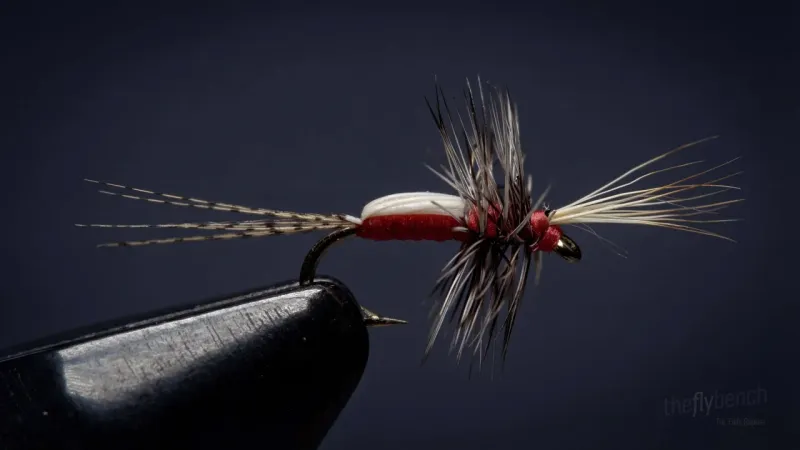
Behavior & presentation
- Natural Behavior
- Midges hang in the surface film as the adult splits free of the pupal skin, often drifting a long way with the empty shuck still attached before they can fly.
- Where Trout Eat It
- Trout hold just under the surface in slow, flat water and sip emerging midges one after another, often in a steady rhythm.
- How to Fish It
- Cast a few feet above a working fish and let the fly drift drag-free into its window. Use a downstream reach cast on flat water so the fly arrives ahead of the tippet.
- Best Water
- Tailwater flats, slow glides below riffles, back eddies and foam lines where midges collect, and slicks along the bank.
- Strike Type
- A quiet sip or small ring where the fly was. On a tiny fly that is hard to see, lift gently on any rise near where it should be.
Fishing strategy
- Rigging Suggestions
- Fish it alone on a 9- to 12-foot leader with 6X or 7X tippet. If you lose sight of it, trail it 18 inches behind a larger, more visible dry.
- Seasonal Timing
- Midges hatch all year on tailwaters, and from December through March they are often the main surface food. It also works at the start of a Baetis hatch before the mayflies are fully on the water.
- Pro Tips
- Match the body color to the midges you see. Treat the hackle with floatant but keep paste off the CDC; dry the wing with a desiccant powder after each fish.
Entomology
Midge pupae rise to the surface and hang in the film while the adult breaks out of the pupal skin. Many adults ride the surface with the shuck still trailing while their wings dry, and in slow water they collect in large numbers. Trout feed on them steadily because they cannot escape and take little effort to eat.
- Order
- Diptera
- Family
- Chironomidae
- Common name
- Midge
- Organism
- insect
- Life stage
- emerger
Pattern details
- Moving Water
- Stillwater
- Rocky Mountain
- dead-drift
- midge-hatch
- baetis-hatch
- tailwater
- low-clear-water
- cold-water
- beginner-friendly