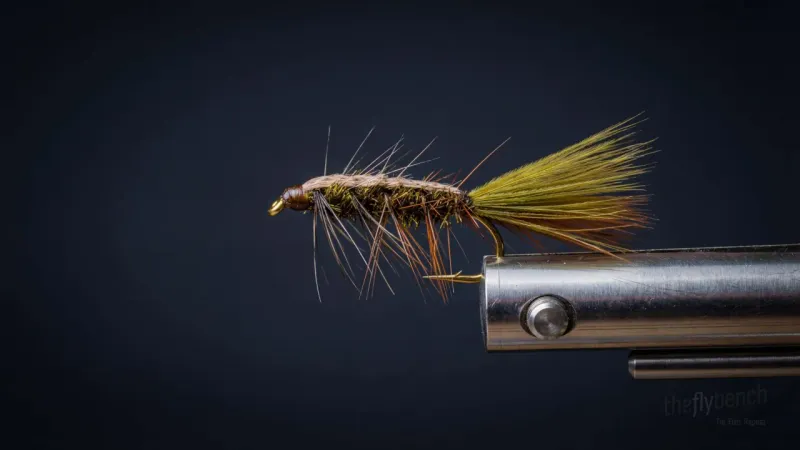
Dry FliesAl's Trico
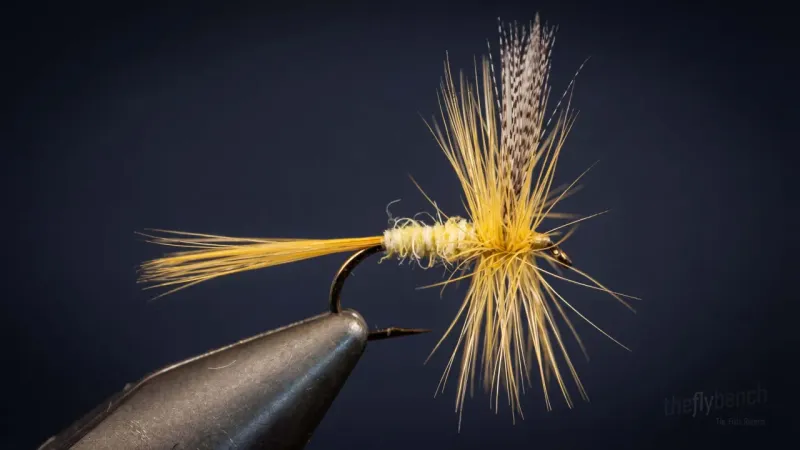
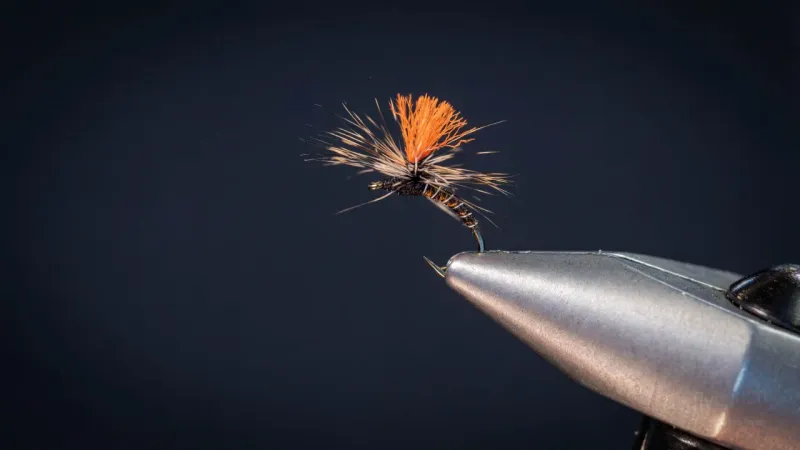
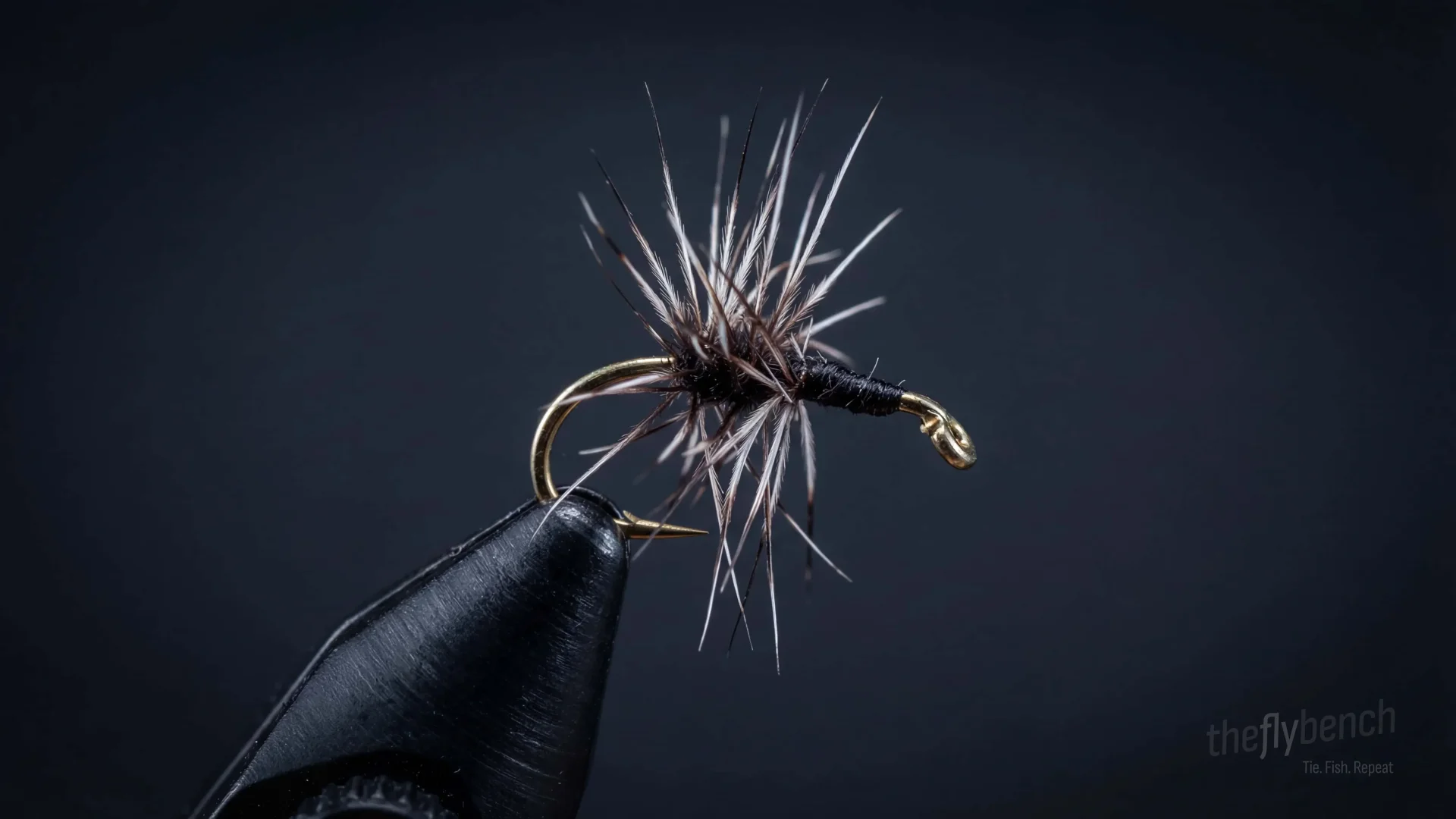
Al's Trico is one of the most effective Trico patterns ever developed, created by Al Miller of Pennsylvania. Despite being tied in incredibly small sizes down to #24, this pattern remains relatively easy to construct, making it accessible to tiers willing to work at the midge scale. When trout become selective during Trico spinner falls, this simple yet elegant pattern consistently outperforms more complex imitations.
Summer, Fall
Intermediate
Trout
Dec 2025
Overview
Designed by Al Miller, this pattern succeeds because of its simplicity and correct proportions at tiny sizes. The slightly oversized hackle (#20 on a #24 hook) provides better flotation and visibility without spooking fish. Many anglers prefer light dun hackle over the original grizzly for a more natural appearance. The pattern can be fished as-is or with the bottom hackle trimmed to sit flush in the film. A clever trick is to leave the tag end of your tippet untrimmed to suggest the natural's long split tail.
Materials
Hook: Standard dry-fly hook (TMC 100 or similar), #20–#24
Thread: Black, 8/0 or 70 denier (also forms abdomen)
Hackle: Grizzly or light dun, sized for #20 hook
Thorax: Black dry-fly dubbing (Wapsi Super Fine or similar)
Behavior & Presentation
Natural Behavior: Tiny spinners descend at dawn in mating swarms, their spent bodies accumulating in dense rafts along current edges. The concentrated biomass triggers prolonged surface feeding as trout systematically work through spinner concentrations with delicate sipping rises.
Where Trout Eat It: Fish establish rhythmic feeding lanes in slow-moving flats and smooth pools where Trico spinners collect in accessible surface layers.
How to Fish It: Cast upstream to rising fish and achieve drag-free drift, timing your presentation to match the fish's established feeding rhythm.
Best Water: Target tail-outs, foam lines, and smooth flats in spring creeks and tailwaters where spinners accumulate during early morning hours.
Strike Type: Look for subtle sips or barely perceptible rises as selective trout delicately take tiny spinners from dense rafts.
Fishing Strategy
Rigging Suggestions: Use a long, fine leader of 12-15 feet tapered to 6X or 7X. The tiny fly and selective fish demand delicate presentations. A reach cast helps prevent drag on the critical first few feet of drift.
Seasonal Timing: Most effective during early when Trico hatches occur. Peak activity is typically from late July through September, with spinner falls happening in the early morning hours.
Pro Tips: This is a high-floating dry fly that rides on its hackle tips. The small size makes it challenging to track, so watch the general area where you cast and set on any rise. Trimming the bottom hackle allows the fly to ride in the film for ultra-selective fish.
Entomology
Trico spinners descend to the water surface in mating swarms at dawn, their spent bodies accumulating in dense rafts along current edges. The concentrated biomass of these tiny mayflies triggers prolonged surface feeding as trout systematically work through spinner concentrations with delicate sipping rises.
- Order
- Ephemeroptera
- Family
- Leptohyphidae
- Common Name
- Trico
- Organism Type
- insect
- Life Stage
- adult