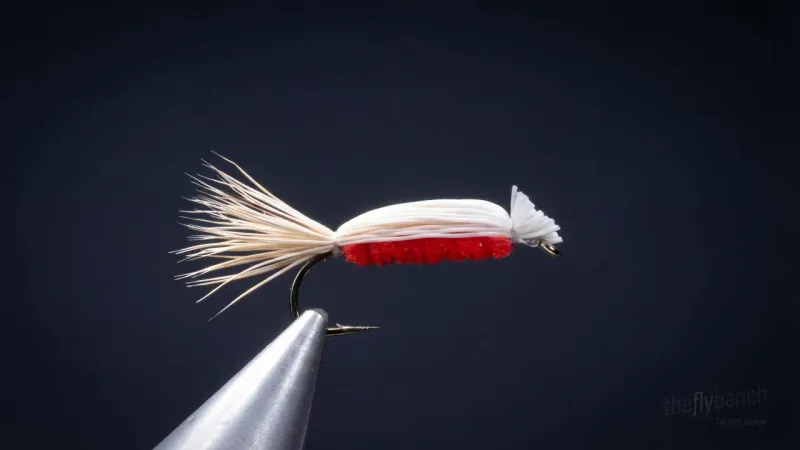
Dry FliesDeer Hair Megalolipop
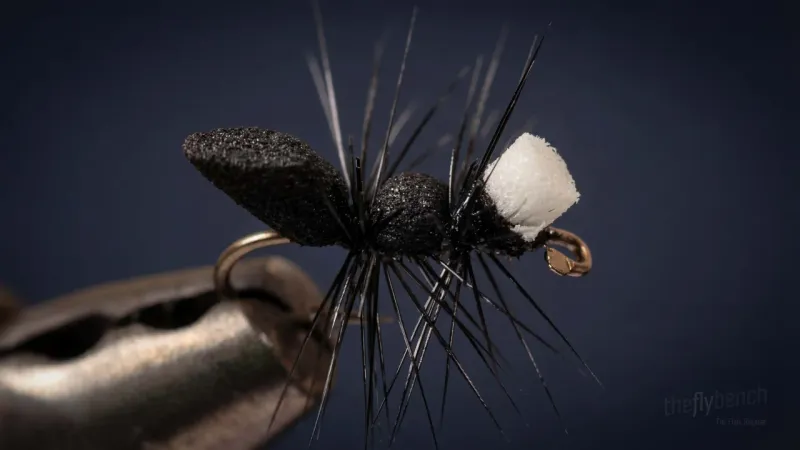
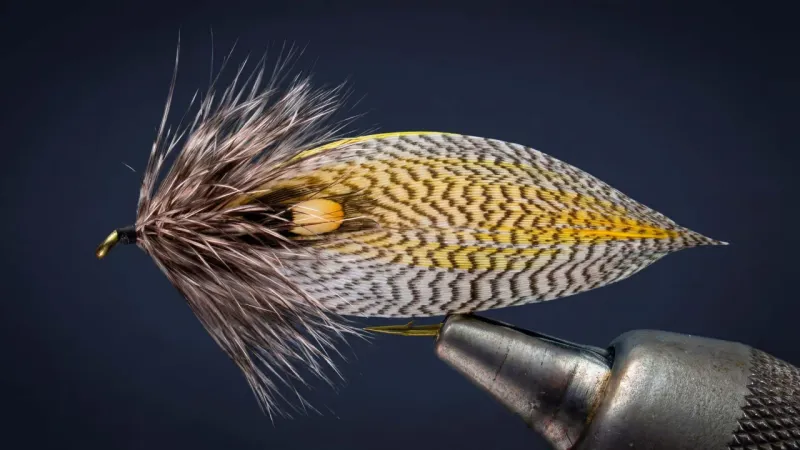
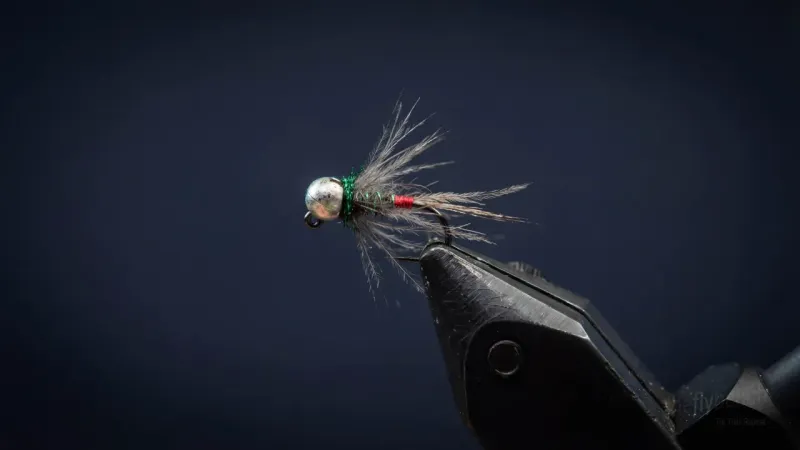
The Deer Hair Megalolipop is a buoyant, highly visible, and versatile pattern, making it effective in various fishing situations. Its deer hair body gives it a natural, lifelike movement that is irresistible to fish.
Spring, Summer, Fall
Intermediate
Bass
Apr 2025
Overview
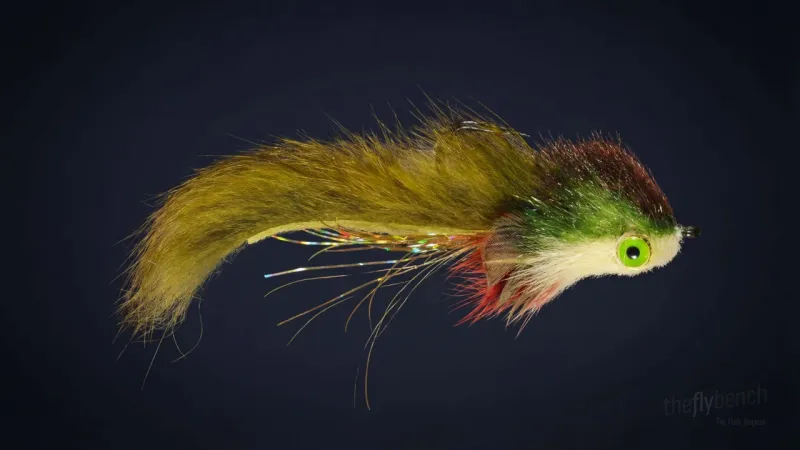
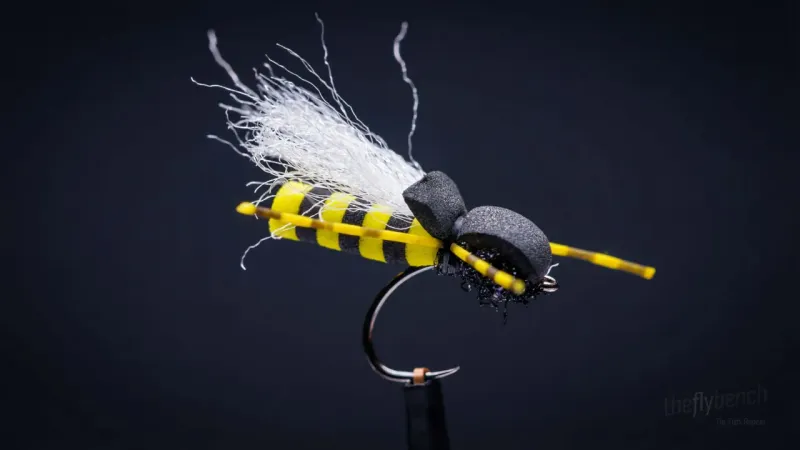
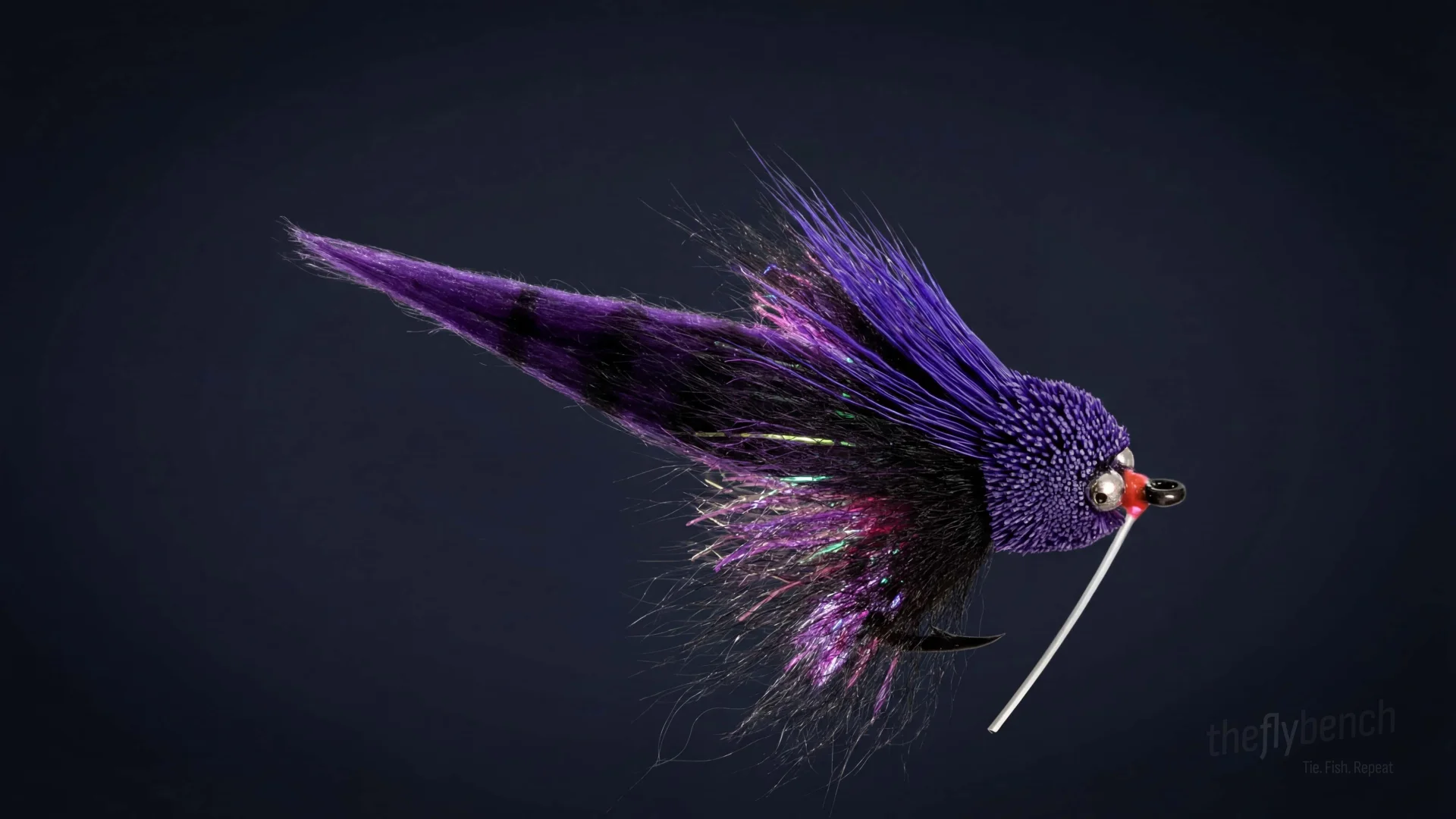
A giant, topwater bass bug tied with layers of spun, stacked, and sculpted deer hair in wild color combos. The pattern mimics frogs or large prey items and pushes a ton of water. It's a technical tie requiring sharp scissors and patience, but it's a favorite for explosive strikes.
Where to Buy This Fly
We only link to fly shops we trust. Some links are referral links, which may earn us a commission at no extra cost to you.
Materials
- Thread:
- Danville 210 Flat Wax Thread, Black
- Body:
- Medium Cactus Chenille, Red
- Tail:
- Large Northern Buck Tail, Fuchsia
- Collar:
- Medium Palmer Chenille, Purple
- Wing:
- Arctic Fox Tail, Black
- Finishing:
- Deer Belly Hair, Purple
- Eyes:
- Lead Eyes, Double Pupil, Extra Small, Pink
Behavior & Presentation
Natural Behavior: Large terrestrial insects crash onto the water surface with audible splats during windy summer days, creating significant surface disturbance that telegraphs a substantial meal to predators below. Fish respond explosively to these oversized offerings because they represent maximum caloric return for minimal effort, drawing aggressive strikes even from otherwise selective trout in productive terrestrial zones.
Where Trout Eat It: Bass and large trout explode on this topwater bug near shoreline structure including overhanging willows and logjams.
How to Fish It: Give fly a couple pops then let sit 3-5 seconds, using patient retrieve with long pauses between gurgly pops.
Best Water: Target lily pad edges, weed bed pockets, and shoreline structure in shallow water 1-4 feet deep including undercut banks.
Strike Type: Bass and large trout detonate on this surface bug with explosive, audible strikes that may miss on first attempt—resist premature setting and allow the fish to return.
Fishing Strategy
Rigging Suggestions: Use a floating line and a tapered leader. Can be used alone or as the dry fly in a hopper-dropper setup.
Seasonal Timing: to or any time terrestrial insects are on the water. When fish are feeding on or near the surface, especially in windy conditions that blow terrestrial insects onto the water.
Pro Tips: The deer hair makes this fly highly visible and buoyant. It floats well and can hold up a nymph in a hopper-dropper setup.
Entomology
Large terrestrial insects crash onto the water surface with audible splats during windy summer days, creating significant surface disturbance that telegraphs a substantial meal to predators below. Fish respond explosively to these oversized offerings because they represent maximum caloric return for minimal effort, drawing aggressive strikes even from otherwise selective trout in productive terrestrial zones.
- Organism Type
- terrestrial
- Life Stage
- adult