Overview
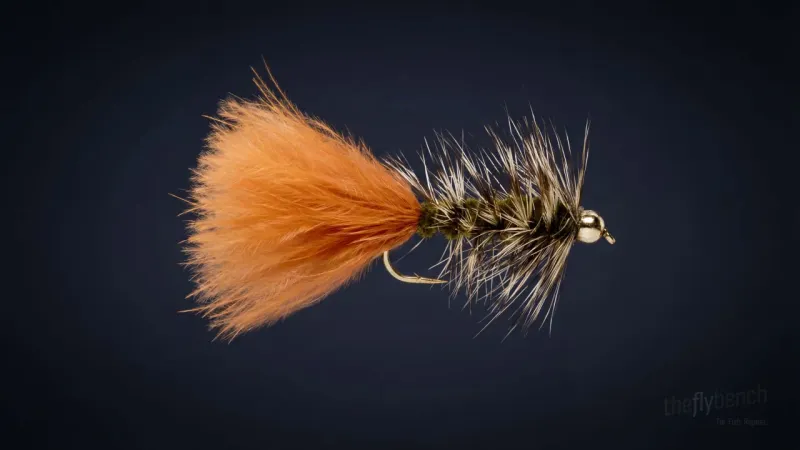
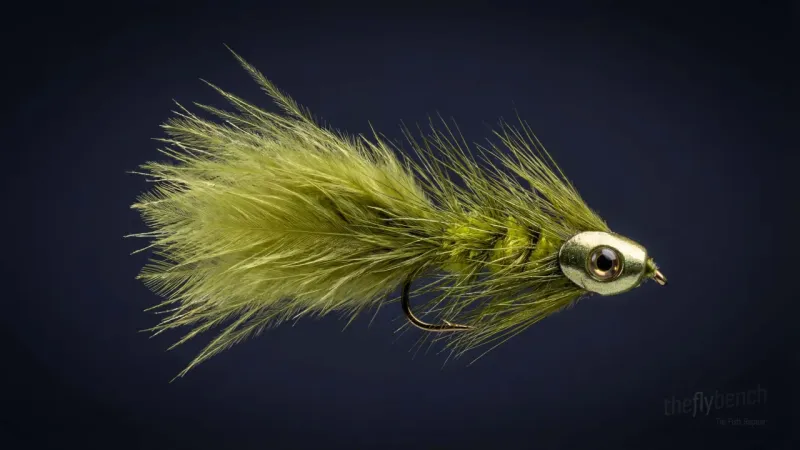
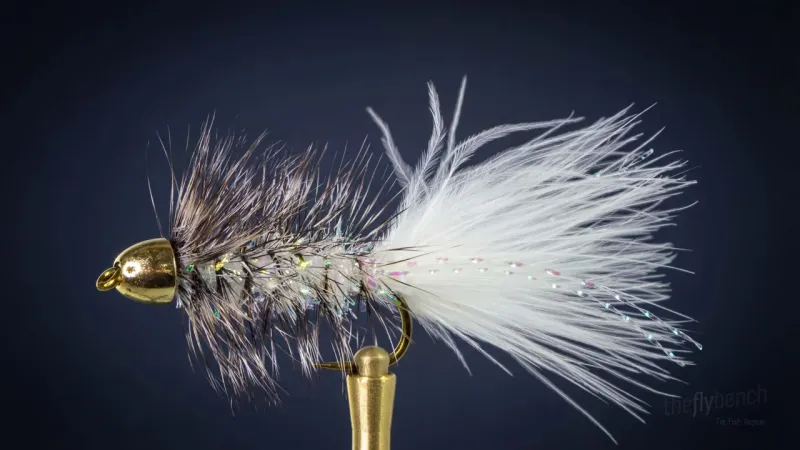
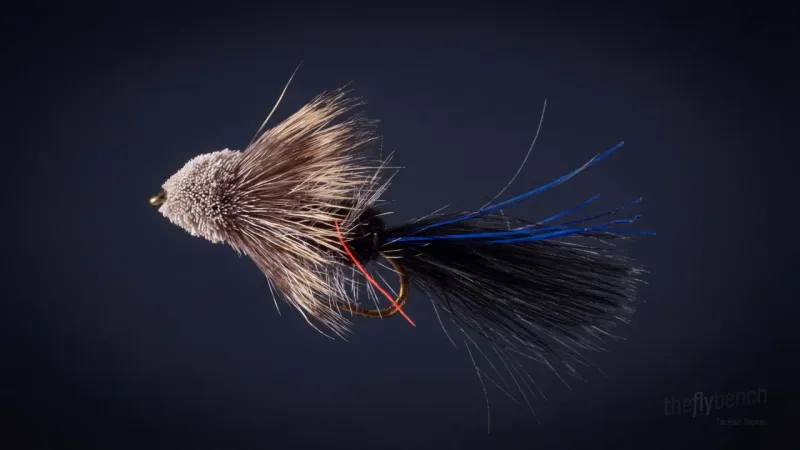
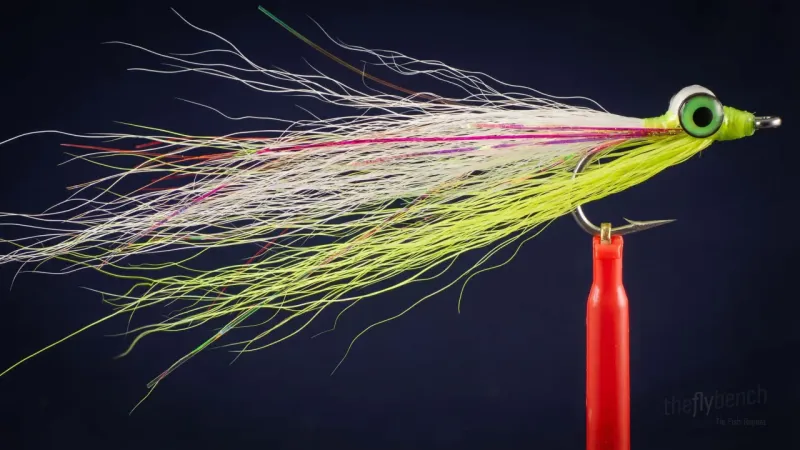
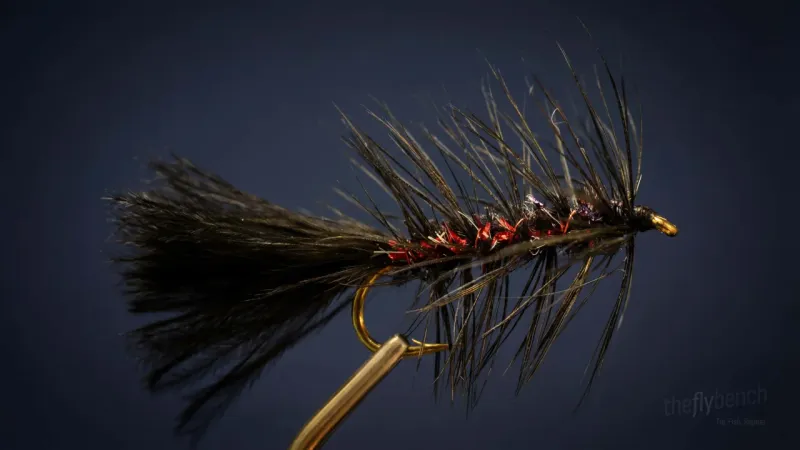
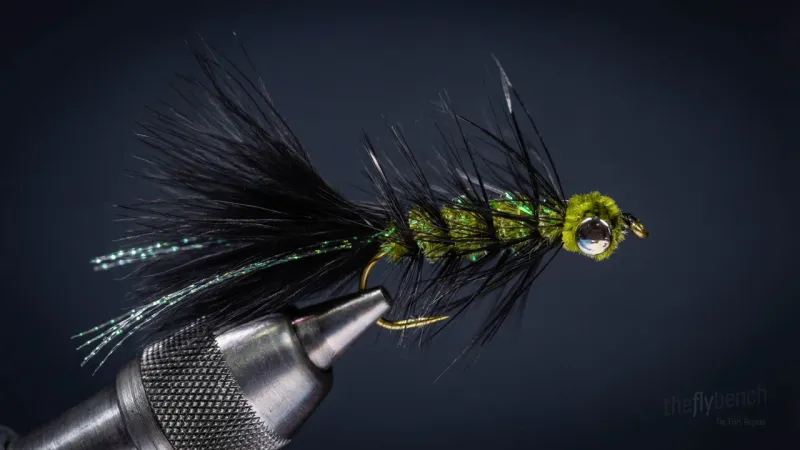
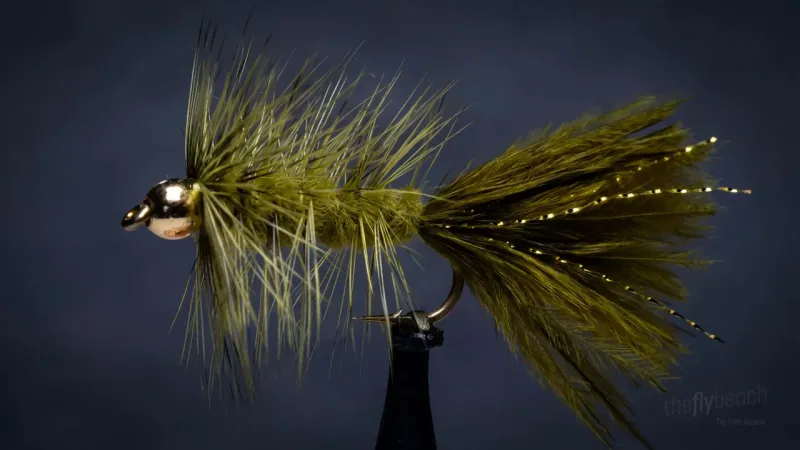
The Beadhead Woolly Bugger adds a brass or tungsten bead at the head of the traditional pattern to help it sink quickly and maintain a natural jigging motion. It's tied with a marabou tail, flash accents (optional), a chenille or dubbed body, and palmered saddle hackle for movement. The bead enhances both sink rate and head-first motion, making it especially effective in deeper runs, lakes, or faster current. Great for trout, bass, and beyond.
Related patterns
Behavior & presentation
- Natural Behavior
- Bottom-dwelling sculpins and small baitfish dart in short bursts between rock cover, then nose-dive toward substrate when threatened, creating distinctive head-first jigging motions. These forage species freeze momentarily on the bottom before resuming their erratic, pulsing movements as they search for invertebrate prey among cobble interstices.
- Where Trout Eat It
- Trout ambush this near bottom in Little Lehigh runs as the tungsten bead creates head-down jigging motion. Fish take it in 3-6 foot depths along current breaks where the diving action mimics sculpins.
- How to Fish It
- Use sink-tip or split shot with slow 3-5 inch strips and rod pumping motions. The marabou tail pulses with each movement.
- Best Water
- Focus on drop-offs and undercuts in Northeast tailwaters where sculpins are abundant.
- Strike Type
- Feel solid thumps or steady weight as trout track and grab the jigging bugger during the strip-pause cadence, with takes ranging from gentle taps to rod-bending slams depending on fish size and aggression levels.
Fishing strategy
- Rigging Suggestions
- Use a sink-tip line or add split shot to get the fly deeper if needed. Fish on 3X-4X tippet to handle larger fish. A 7-9 foot leader is ideal.
- Seasonal Timing
- Effective during peak feeding periods when water temperatures and conditions support active feeding behavior.
- Pro Tips
- The beadhead makes this fly sink while the marabou tail provides lifelike motion underwater. Experiment with colors—black, olive, and brown are most productive.
Entomology
Smaller baitfish species like sculpins, dace, and juvenile trout hug bottom structure in rivers and lakes, using current breaks and rocks for shelter between feeding forays. Their tendency to dart head-down toward the substrate when startled creates a distinctive jigging motion that triggers predatory response. These abundant forage fish represent reliable year-round nutrition, causing fish to strike reflexively at anything mimicking their fleeing behavior.
- Organism
- baitfish
- Life stage
- general
Pattern details
- Stillwater
- Moving Water
- Northeast
- active-retrieve
- strip-retrieve
- woolly-bugger-family
- classic
- guide-fly
- searching-pattern
- jigging