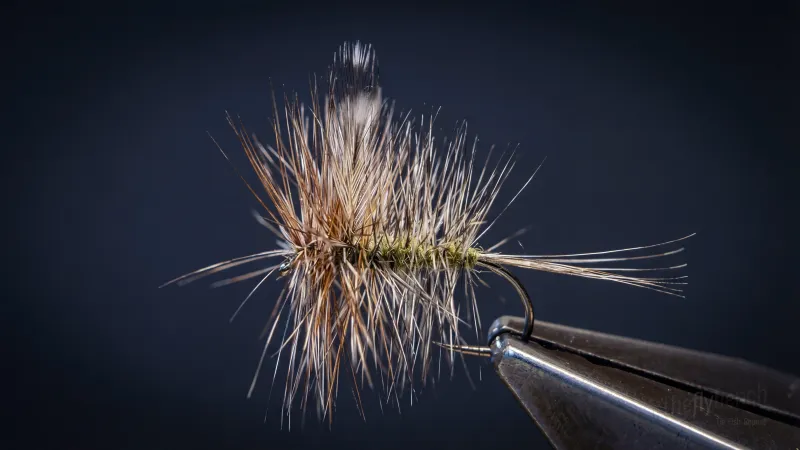
Dry FliesWeePa #28
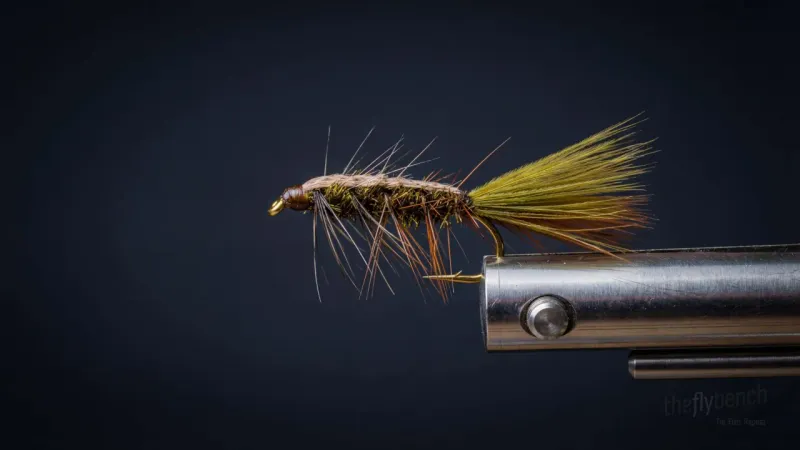
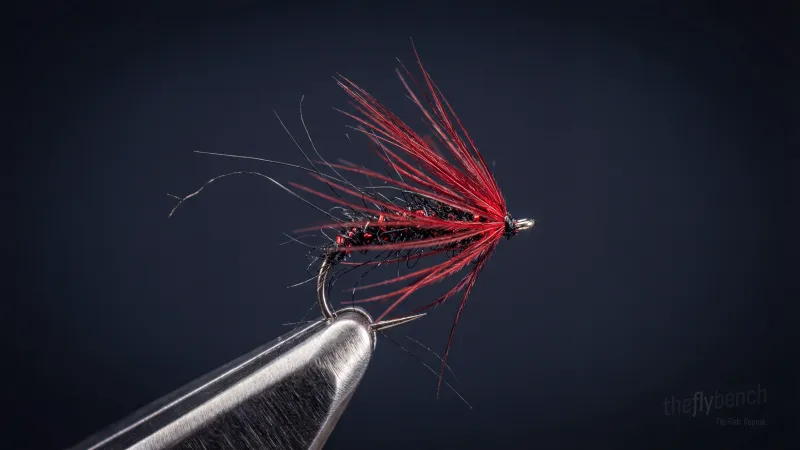
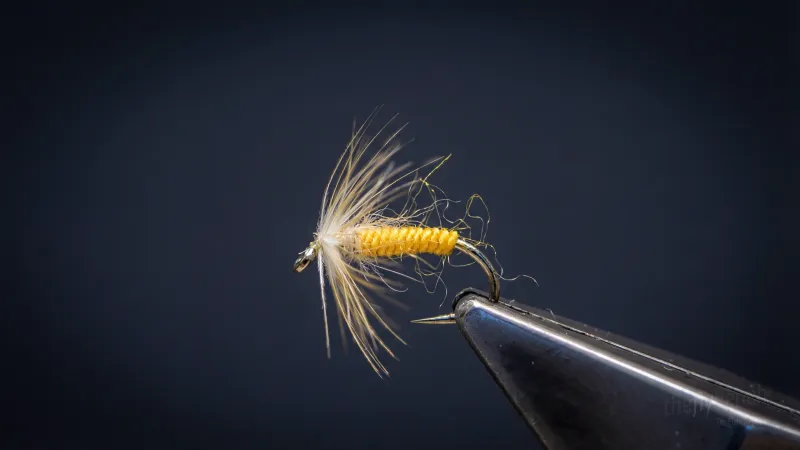
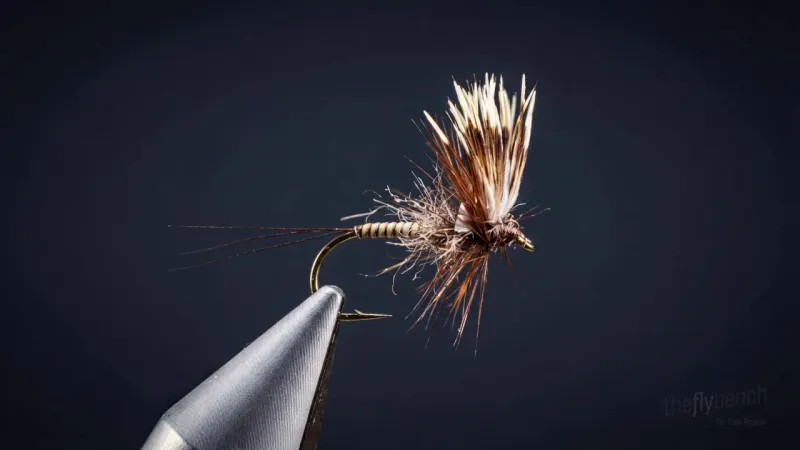
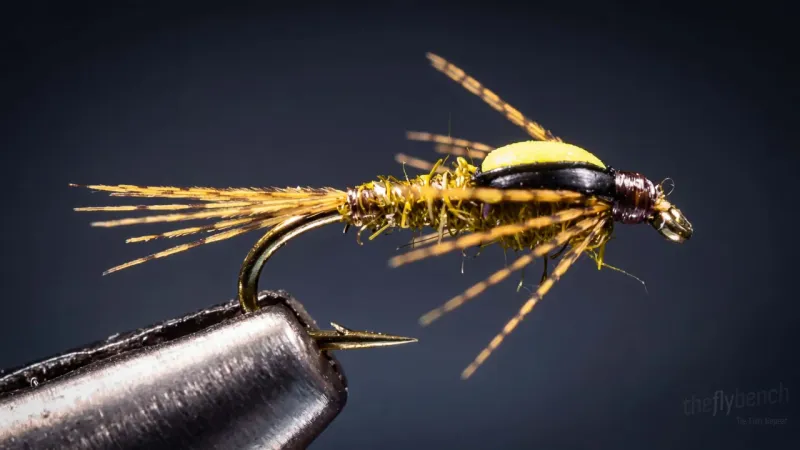
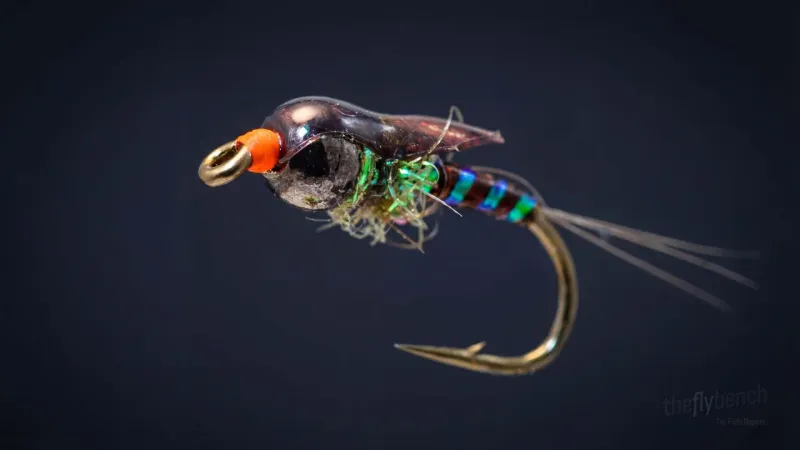
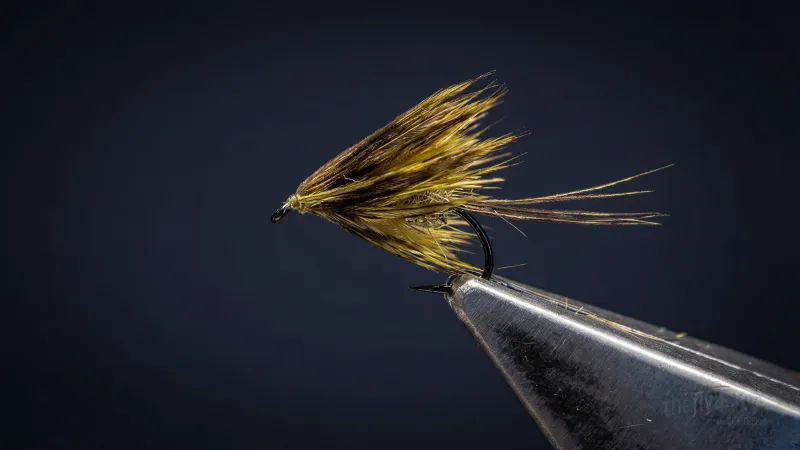
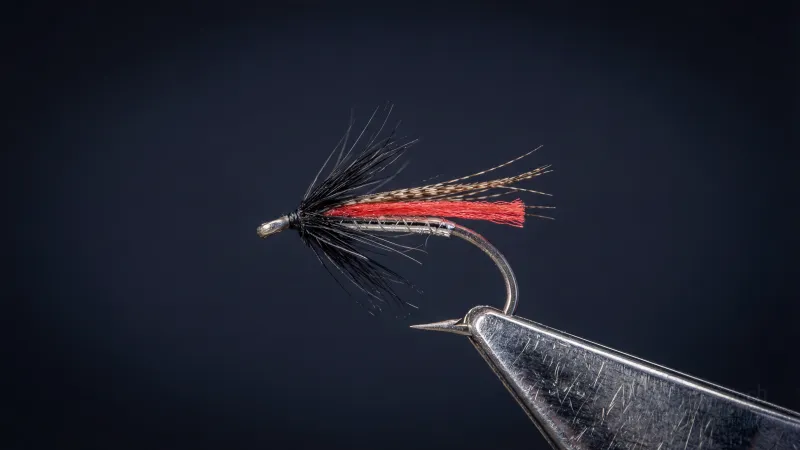
The WeePa #28 is a dry fly pattern designed by Bruce Salzburg. This effective pattern combines traditional materials with proven techniques for consistent results in a variety of water conditions.
Spring, Summer, Fall
Intermediate
Trout
Feb 2026
Overview
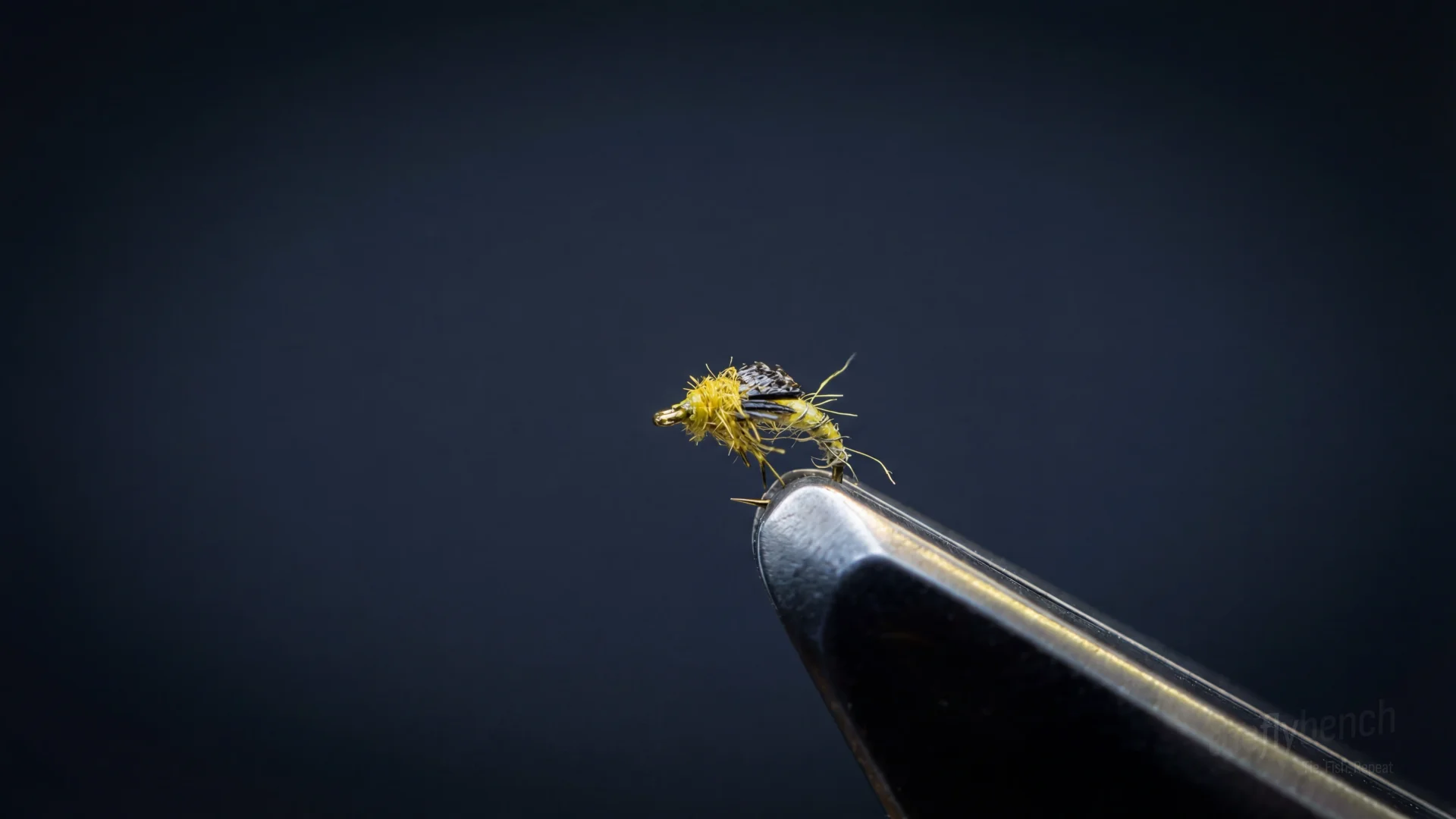
Bruce Salzburg designed this micro pattern specifically for matching the smallest mayflies and midges in sizes 26-30. The minimal materials and precise proportions create a realistic silhouette at tiny sizes where over-dressing would ruin effectiveness. The pattern requires careful tying technique but rewards anglers fishing technical spring creeks and tailwaters where trout become highly selective to minuscule insects during challenging conditions.
Where to Buy This Fly
We only link to fly shops we trust. Some links are referral links, which may earn us a commission at no extra cost to you.
Materials
- Hook:
- Tiemco 2488 #30
- Thread:
- Benecchi 12/0, light grey
- Abdomen:
- SLF Minky Dubbing #12 Mayfly
- Wing buds:
- Pheasant tail fiber, one fiber, doubled, on each side
- Thorax:
- Argentinean hare, olive
Behavior & Presentation
Natural Behavior: Tiny mayflies and midges float delicately in the surface film, their minute bodies creating subtle dimples as they struggle to break free or drift helplessly after emergence. Despite small size, fish target these micro-insects during selective feeding periods.
Where Trout Eat It: Selective feeders position in smooth flats, glassy slicks, and spring creek runs where minute insects concentrate on calm surfaces. Fish sip methodically from predictable drift lanes in technical water.
How to Fish It: Execute precise upstream casts with drag-free drifts through feeding lanes, using a larger upstream dry as visual reference since the tiny profile disappears against textured water.
Best Water: Most effective in spring creek flats, tail-outs with glassy surfaces, slicks in tailwater runs, and calm eddy edges where minute insects concentrate visibly.
Strike Type: Watch for delicate dimples or subtle sipping rises as selective fish confidently target the tiny profile with precision feeding behavior.
Fishing Strategy
Rigging Suggestions: Employ a 12-15 foot leader tapered to 6X or 7X tippet. Use a larger dry fly upstream as an indicator to track this tiny pattern.
Seasonal Timing: Best from May through October during small mayfly and midge emergences, exceptionally productive during on tailwaters and creeks.
Pro Tips: The diminutive size fools highly selective trout during technical situations. Keep false casting minimal to avoid wind knots in fine tippets.
Entomology
Micro-caddis species create disproportionate surface disturbance relative to their tiny size as they struggle to achieve flight from the water. The visible commotion draws fish attention despite the small meal size, triggering curiosity-driven feeding on these active insects.
- Order
- Trichoptera
- Common Name
- Caddisfly
- Organism Type
- insect
- Life Stage
- adult