




Overview
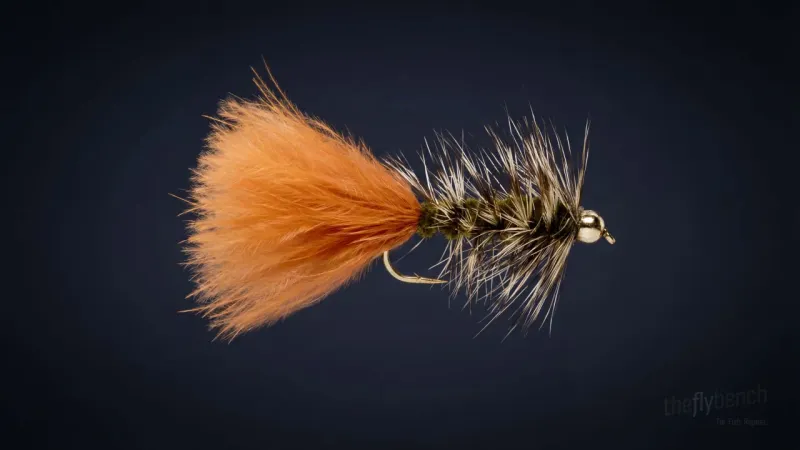
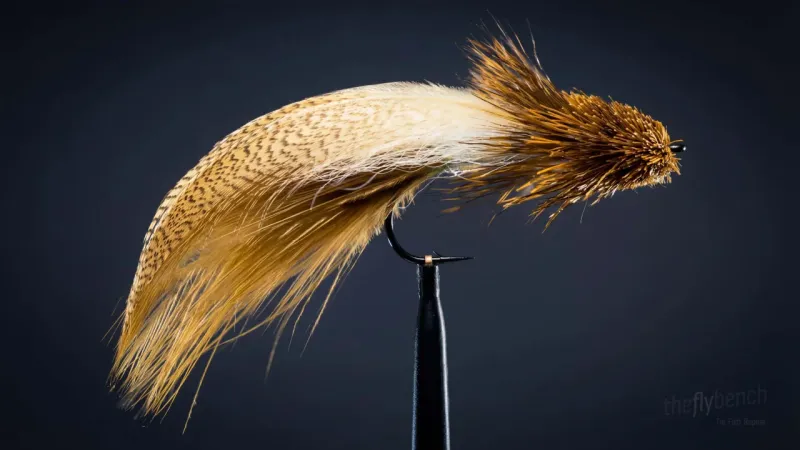
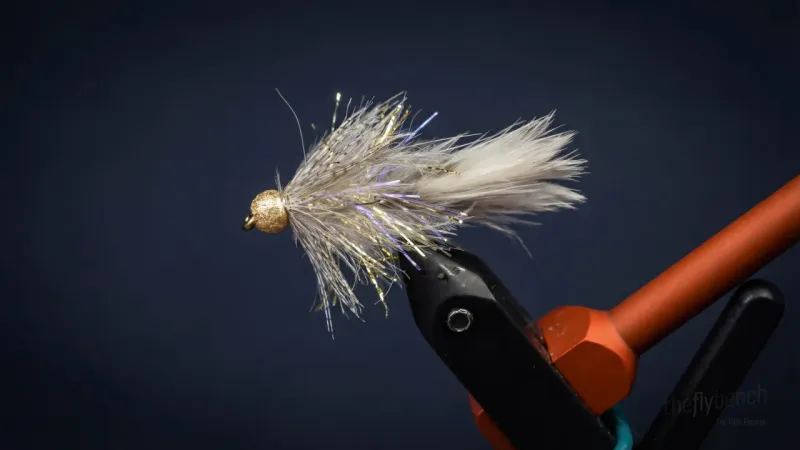
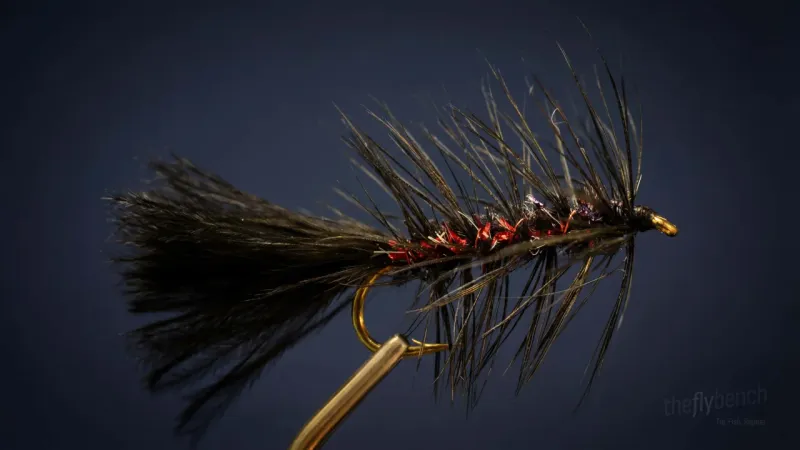
A hybrid fly that blends a traditional streamer profile with soft hackle movement. Speckled salmon Coq de Leon Chickabou forms the tail and body, and a full collar of speckled burnt orange Coq de Leon and burnt orange soft-hackle feathers adds the flowing silhouette. Two strands of pearl Krystal Flash add just a touch of sparkle. It excels with a slow, pulsing retrieve to mimic wounded baitfish.
Related patterns
Behavior & presentation
- Natural Behavior
- Small baitfish swim with pulsing, stop-and-go movements along bottom structures and current edges. These fish dart between cover spots, occasionally exhibiting erratic or injured behavior that signals vulnerability to larger predators.
- Where Trout Eat It
- Predatory fish ambush this from structure in moderate-current zones where soft hackle fibers pulse and breathe naturally with water movement.
- How to Fish It
- Swing through current seams at 30-45 degree angles downstream, or strip with irregular retrieves. The soft hackle pulses even without active retrieve.
- Best Water
- Current seams and undercut banks along moderate-gradient streams. The soft hackle creates lifelike action in channel swings.
- Strike Type
- Takes range from aggressive jolts during fast strips to gentle weight increases on the swing as hackle pulses enticingly; strip-set decisively to drive barbless hooks into jaw cartilage.
Fishing strategy
- Rigging Suggestions
- Floating line with 7-9 foot leader and 1X-3X tippet (8-12 lb) for shallow zones. Sink-tip or full sink line for water over 6 feet deep.
- Seasonal Timing
- with exceptional performance during runoff (April-June) and (September-November) when baitfish migrate. Low-light conditions including dawn, dusk, and overcast days.
- Pro Tips
- The soft hackle pulses with water movement, creating lifelike action even on a dead drift. Black works well in all conditions, olive in clear water, white in stained water.
Where to fish it
Rivers anglers pair with this fly, with local shops that stock it.
River details and fly shops from River & Run, our sister site.
Entomology
Injured or diseased baitfish struggle to maintain position in current, drifting broadside and pulsing weakly as they fail to keep pace with healthy schoolmates. Predators instinctively recognize this labored swimming action as an indicator of easy prey, triggering strikes from trout seeking maximum nutrition for minimum energy expenditure during periods of abundant forage.
- Organism
- baitfish
- Life stage
- nymph
Pattern details
- Stillwater
- Moving Water
- Rocky Mountain
- Northeast
- active-retrieve
- strip-retrieve
- woolly-bugger-family
- soft-hackle-family
- classic
- beginner-friendly
- searching-pattern