Euro NymphsTasmanian Devil
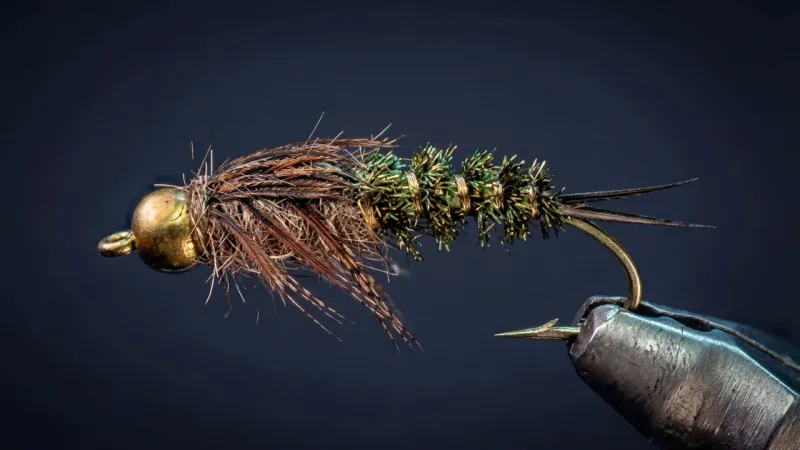
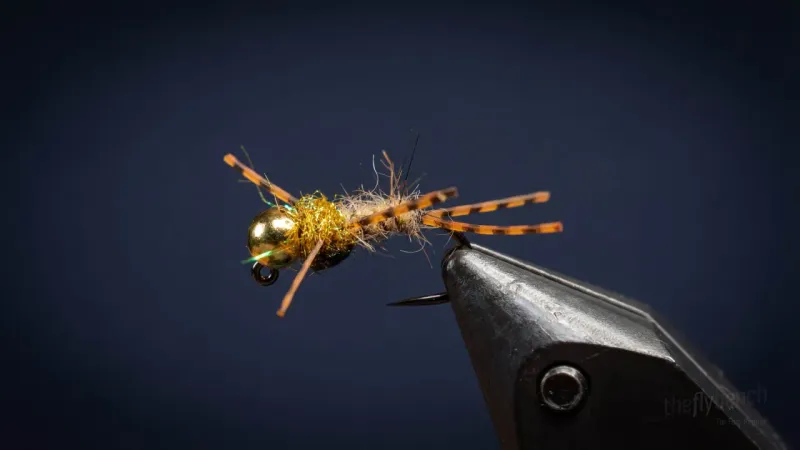
An aggressive attractor pattern featuring black marabou for maximum movement. Named for its wild, frantic action in the water, the Tasmanian Devil uses marabou at both tail and collar to create irresistible pulsing movement. The red wire rib adds a subtle hint of color to the dark profile.
Spring, Summer, Fall
Beginner
Trout
Dec 2025
Overview
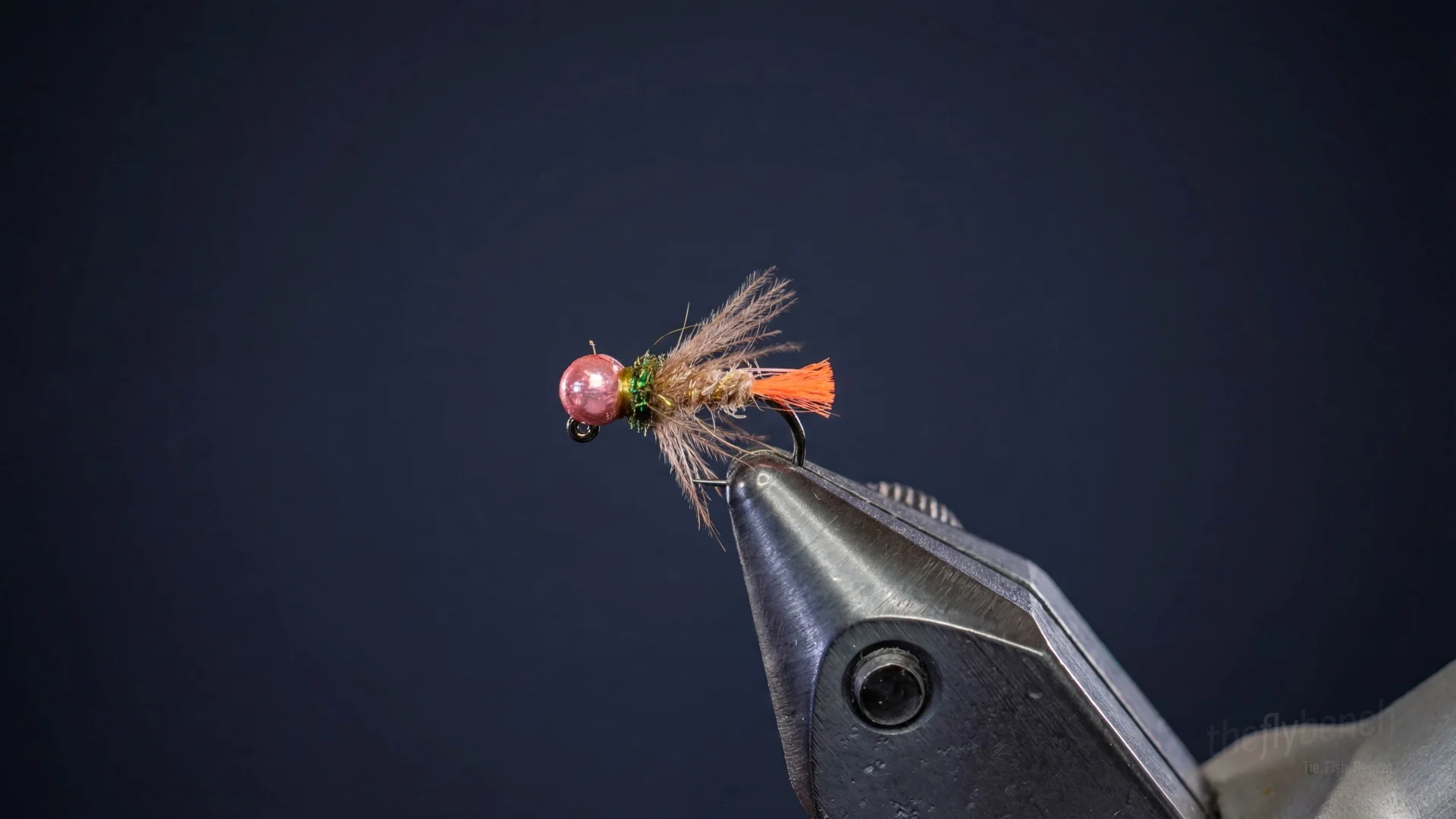
Designed by Fly Fish Food as a euro-style attractor nymph that excels in clear water conditions. The black marabou creates exceptional movement even in slower currents, while the red wire rib provides a subtle flash of color without overwhelming the natural profile. This pattern works particularly well when fish are feeding aggressively or when a more animated presentation is needed to trigger strikes. Can be tied in various colors, though black remains the most popular and effective.
Materials
Hook: Hanak H 400 BL Jig Hook, #14
Thread: UTC Ultrathread 70 Denier, Black
Bead: Hanak Round+ Slotted Tungsten Beads, 3.5mm, Black Nickel
Tail: Marabou, Black
Body: Ice Dub, Black
Rib: UTC Ultra Wire, Red, Brassie
Collar: Marabou, Black
Behavior & Presentation
Natural Behavior: Leeches pulse through water while stoneflies crawl then swim clumsily during migrations, both creating erratic movement patterns.
Where Trout Eat It: Fish position near bottom in feeding lanes 3-5 feet deep, targeting large, dark-bodied prey in pocket water and channel swings.
How to Fish It: Dead drift with euro contact. Marabou pulses with every current change, creating frantic action that triggers reaction strikes.
Best Water: Focus on pocket water behind boulders, seams along structure, and channel swings where predatory fish ambush large prey.
Strike Type: Tick or sudden weight. Dark profile and marabou movement trigger aggressive strikes detected on tight line.
Fishing Strategy
Rigging Suggestions: Fish on 9-12 foot leader with 4X-5X tippet in euro nymphing setup. Use as point fly with lighter nymph or perdigon as dropper. The 3.5mm tungsten bead provides sufficient weight for most situations without additional split shot.
Seasonal Timing: Most effective during runoff through when water temperatures are optimal and insect activity is high. Works particularly well in late and when stonefly nymphs are active.
Pro Tips: Sinks quickly due to tungsten bead, reaching depths of 3-5 feet rapidly. The black marabou creates significant movement and silhouette that's highly visible to fish even in deeper water.
Entomology
Leeches swim through water with distinctive wavelike body contractions, creating graceful undulations as they pulse toward new feeding opportunities or escape threats. Stonefly nymphs crawl actively across bottom substrates before swimming clumsily toward shorelines during emergence periods. Fish target both organisms because they move erratically enough to trigger predatory instincts while being slow enough to capture easily, especially when nymphs are migrating.
- Order
- Plecoptera
- Common Name
- Stonefly
- Organism Type
- leech
- Life Stage
- nymph