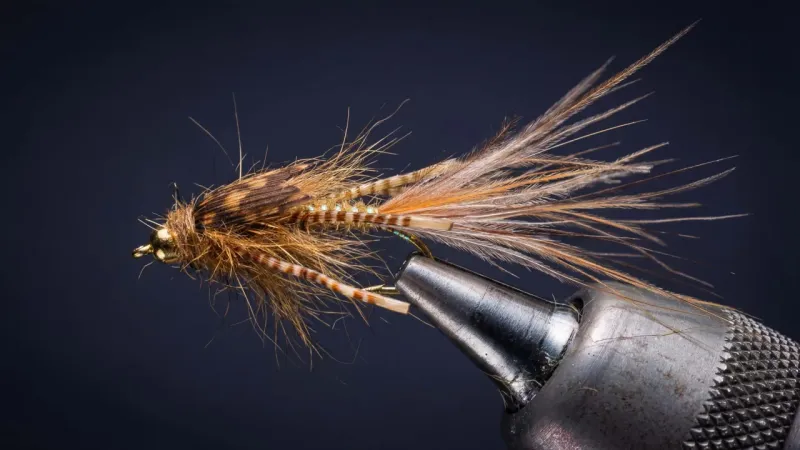
Nymph20 Incher
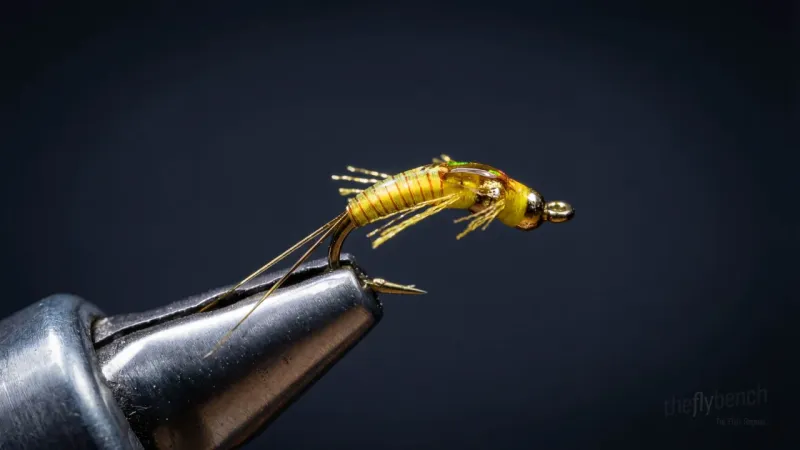
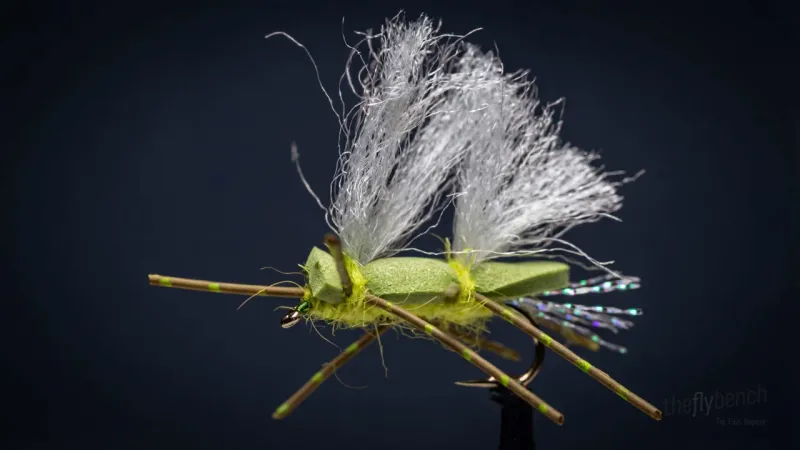
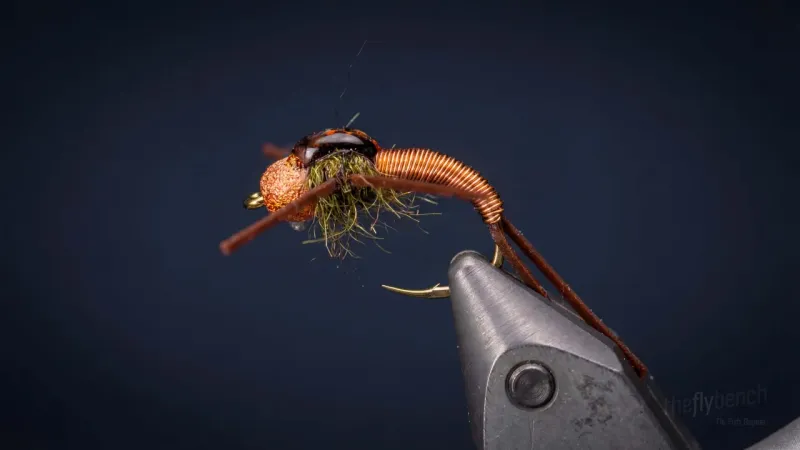
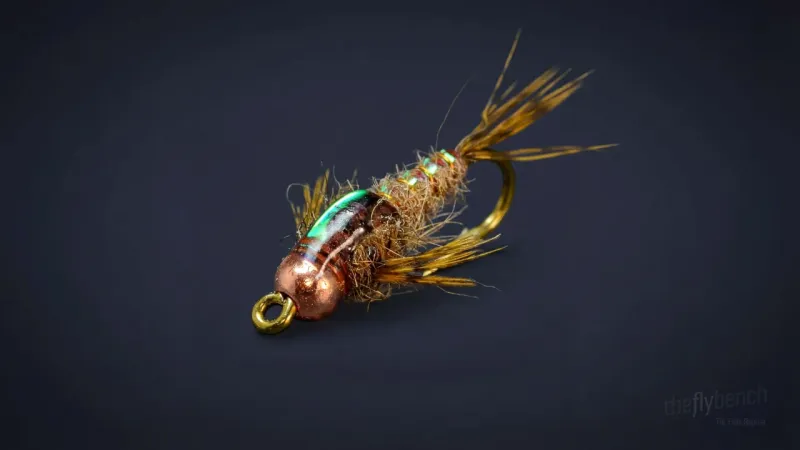
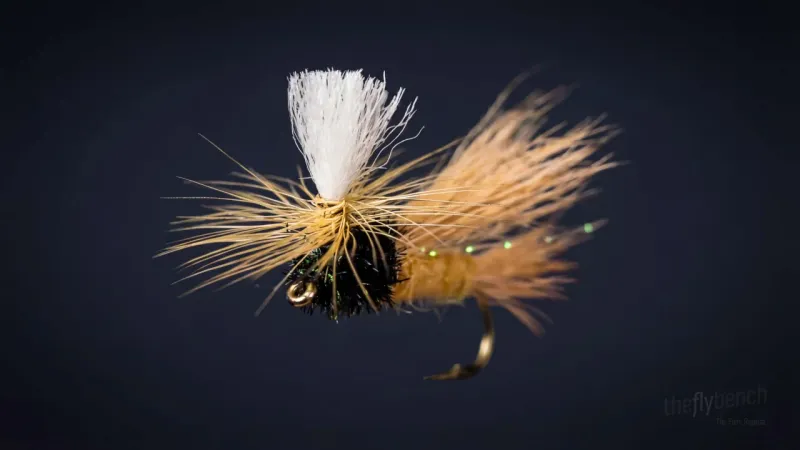
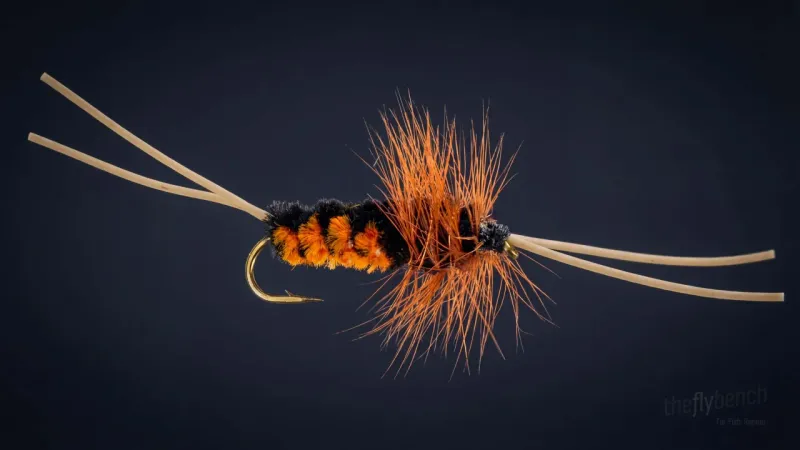
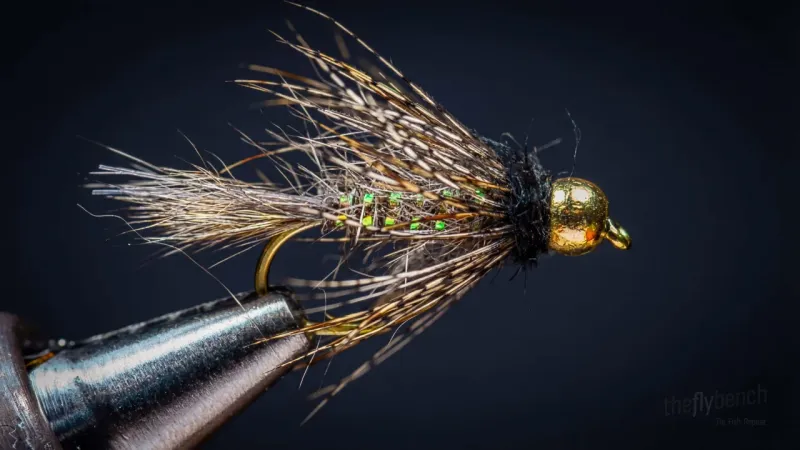
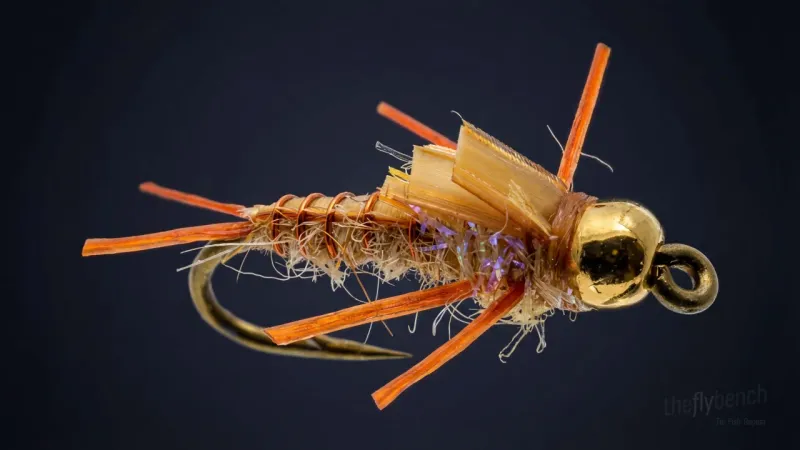
The 20 Incher is a heavy stonefly nymph pattern that's designed to sink quickly and stay near the bottom, where big trout often feed. Its large size and flashy peacock herl body make it an effective attractor nymph, and it can often coax strikes from fish when smaller patterns are ignored.
Spring, Summer, Fall
Intermediate
Trout
Nov 2025
Overview
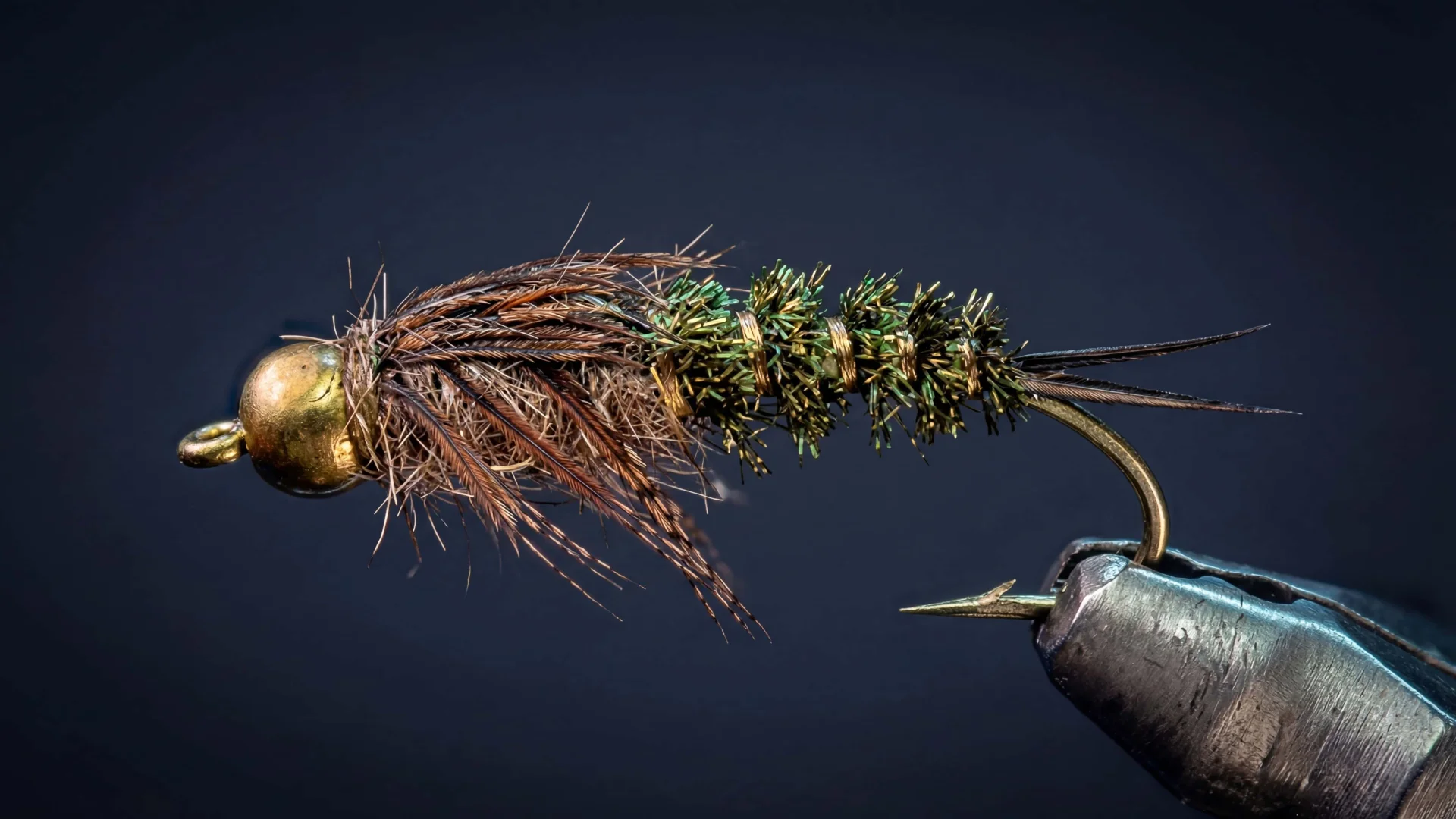
This pattern is often tied in larger sizes to imitate big stonefly nymphs, but it can also be tied smaller to imitate other types of nymphs. The use of biots for the tail and legs gives it a realistic appearance, and the peacock herl body provides plenty of flash to attract fish.
Where to Buy This Fly
We only link to fly shops we trust. Some links are referral links, which may earn us a commission at no extra cost to you.
Materials
- Hook:
- Tiemco 3769, size #8-#12
- Thread:
- Black 6/0
- Tail:
- Brown goose biots
- Ribbing:
- Fine gold wire
- Body:
- Peacock herl
- Hackle:
- Brown rooster hackle
- Wingcase:
- Turkey tail fibers
- Thorax:
- Peacock herl
- Legs:
- Brown rooster hackle
Behavior & Presentation
Natural Behavior: Large stonefly nymphs (1.5-2.5 inches) crawl actively across cobble and boulder substrates in high-gradient rivers, using flat bodies and powerful legs to navigate heavy currents. Pre-emergence migrations toward banks make them vulnerable as they dislodge and drift with legs splayed.
Where Trout Eat It: Trophy trout target these meaty nymphs near the bottom in deep runs and pocket water.
How to Fish It: Maintain bottom contact with weighted rigs, using tight-line or indicator techniques to detect takes.
Best Water: Most effective in runs, pockets, and tail-outs where stoneflies naturally tumble during migrations.
Strike Type: Watch for indicator dips, subtle line tightening, or hesitation as large fish attack this high-calorie prey.
Fishing Strategy
Rigging Suggestions: Fish the 20 Incher as the point fly in a multi-fly nymphing rig, with a smaller pattern tied off the bend of the hook.
Seasonal Timing: The 20 Incher can be effective year-round, but it's particularly effective in and early when stoneflies are most active.
Pro Tips: The 20 Incher is a sinking pattern, designed to be fished near the bottom. Its large size and flashy body make it highly visible, even in turbulent water or low light conditions.
Entomology
Large stonefly nymphs crawl actively across cobble and boulder substrates in high-gradient, well-oxygenated rivers, using their flat bodies and powerful legs to navigate heavy currents. These substantial insects (1.5-2.5 inches) migrate toward stream banks prior to emergence, becoming vulnerable during these pre-hatch movements when they dislodge and drift in the current. Their meaty profile and high caloric value make them trophy meals that trigger aggressive strikes from large, opportunistic trout seeking maximum energy return.
- Order
- Plecoptera
- Common Name
- Stonefly
- Organism Type
- insect
- Life Stage
- general