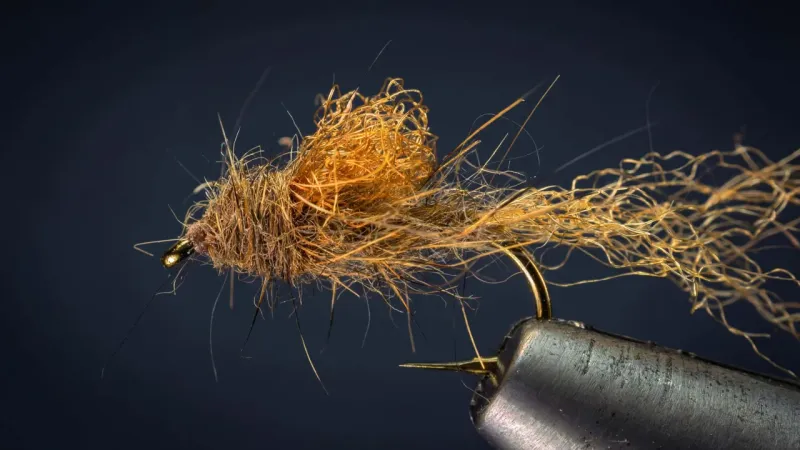
Dry FliesTangle Lake Teaser
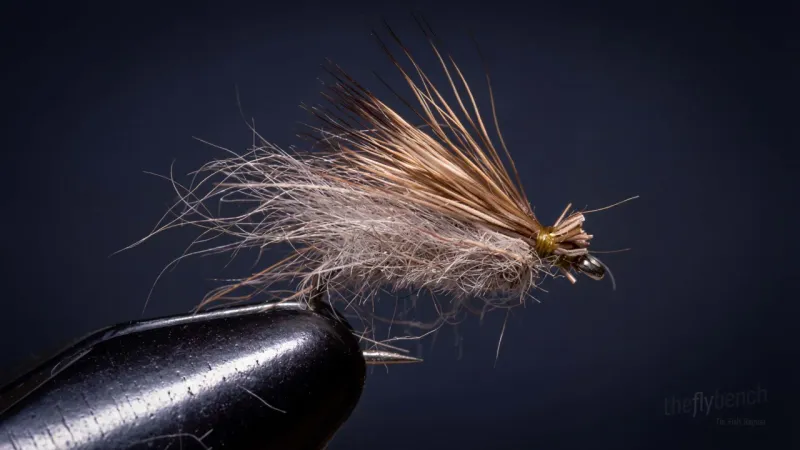
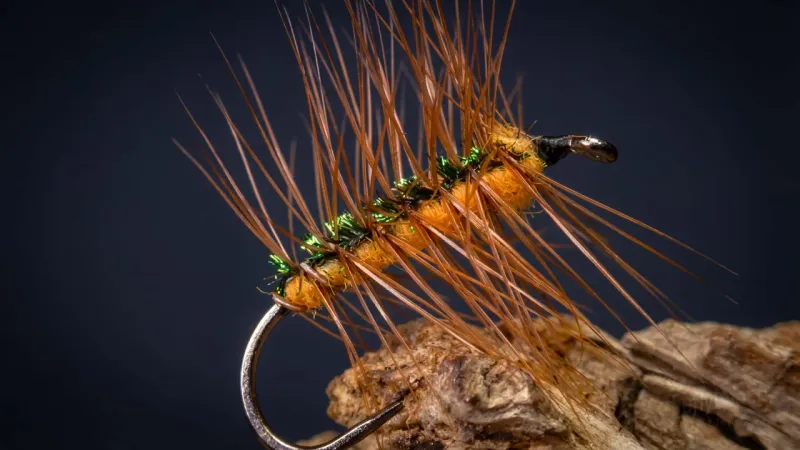
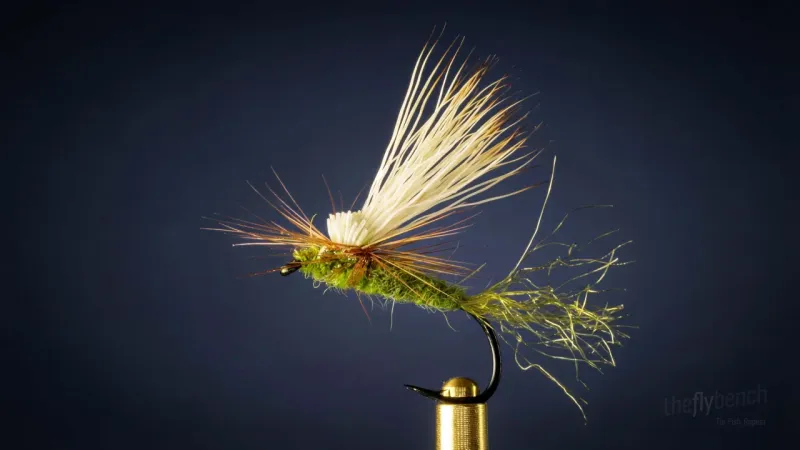
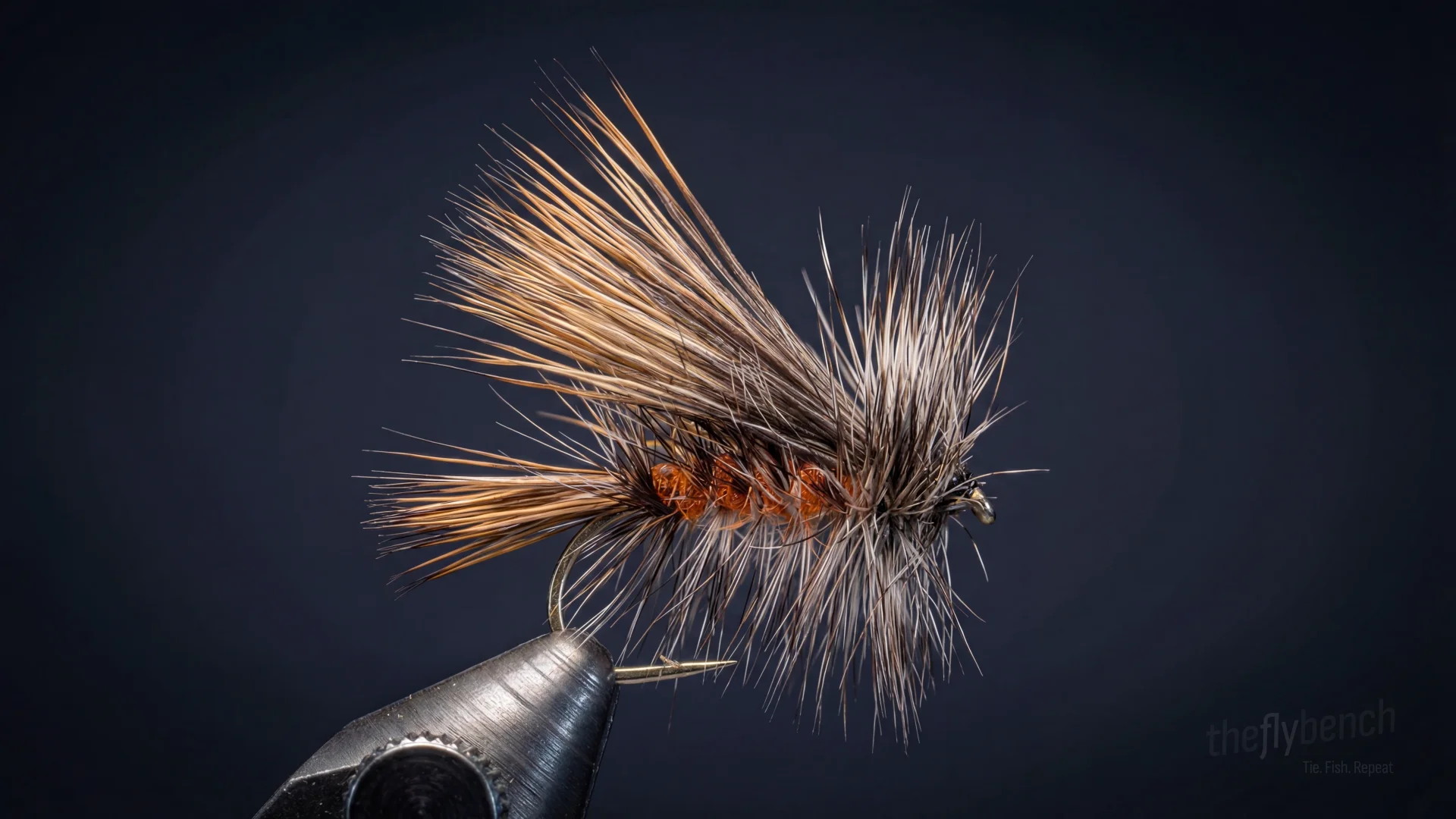
The Tangle Lake Teaser is an Alaskan dry fly caddis imitation designed for a skittering presentation. Its Sitka blacktail deer hair wing and grizzly hackle provide excellent buoyancy for dancing the fly across the surface. The orange rabbit fur body adds a warm, visible contrast that draws strikes from grayling and trout in Alaska's interior waters.
Summer
Intermediate
Grayling, Trout
Feb 2026
Overview
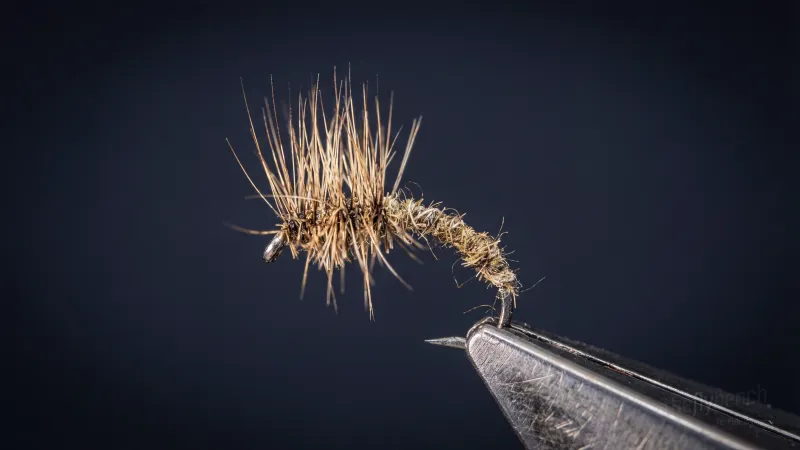
The Tangle Lake Teaser takes its name from Tangle Lakes in Alaska's interior, a renowned grayling fishery where caddis hatches produce explosive surface feeding. The use of Sitka blacktail deer hair is a distinctly Alaskan material choice that provides superior flotation and durability compared to standard deer hair. The undersized body hackle allows the fly to sit lower in the surface film during dead drifts, while the full-sized front hackle supports the skittering retrieve this pattern was designed for.
Where to Buy This Fly
We only link to fly shops we trust. Some links are referral links, which may earn us a commission at no extra cost to you.
Materials
- Hook:
- Dry fly hook, size #12–#14
- Thread:
- 6/0 black Flymaster
- Tail/Underbody:
- Sitka blacktail deer hair (or coastal deer)
- Body Hackle:
- Grizzly, one size under normal
- Body:
- Orange rabbit fur or similar fine dubbing
- Wing:
- Sitka blacktail deer hair (or coastal deer)
- Hackle:
- Grizzly
Behavior & Presentation
Natural Behavior: Grayling key on the diving and surfacing pattern of egg-laying adults in lake environments. Anglers skitter patterns across calm water because this specific behavior triggers aggressive strikes from cruising fish.
Where Trout Eat It: Fish intercept diving and ascending caddis at the surface and just below in lake water, ponds, and moderate stream runs.
How to Fish It: Skitter across surface with short rod twitches imitating egg-laying caddis, alternating with dead drift. The deer hair wing provides buoyancy supporting aggressive surface manipulation.
Best Water: Target glassy lake surfaces where grayling cruise, moderate stream runs, riffles, foam lines, and calm flats where caddis deposit eggs on vegetation.
Strike Type: Watch for aggressive rises or surface takes as grayling and trout respond to skittering presentation during both skating and dead drift phases.
Fishing Strategy
Rigging Suggestions: Fish on a 3-5wt rod with a floating line and 9-12ft 5X-6X tippet. A longer, finer tippet helps the skittering action look natural. Apply floatant generously to the deer hair wing and hackle. Can be fished alone or with a small nymph dropper 18-24 inches below.
Seasonal Timing: Prime time during summer caddis hatches, typically June through August in Alaska's interior and southcentral regions because this aligns with sockeye migration and peak caddis activity. Peak activity often occurs during the long evening hours when caddis are most active on the surface.
Pro Tips: Excellent flotation from the deer hair and double hackle construction. The orange body is easily tracked on the water, even in flat light conditions. The grizzly hackle provides a mottled footprint on the surface that closely mimics a natural caddis. Resists sinking even during aggressive skittering retrieves.
Entomology
Adult caddis in lake environments dive beneath the surface to deposit eggs directly on aquatic vegetation and structures. Trout intercept these ovipositing adults during both the initial dive and the subsequent ascent back to the surface, recognizing the predictable behavior pattern.
- Order
- Trichoptera
- Common Name
- Caddisfly
- Organism Type
- insect
- Life Stage
- adult