Dry FliesSwamp Thing
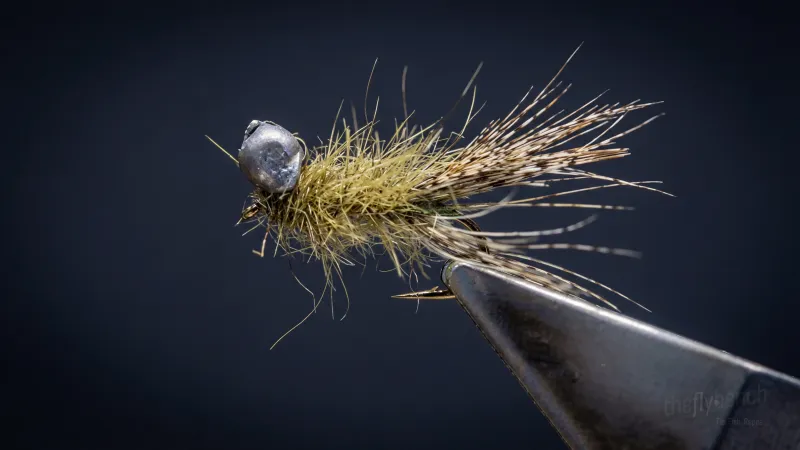
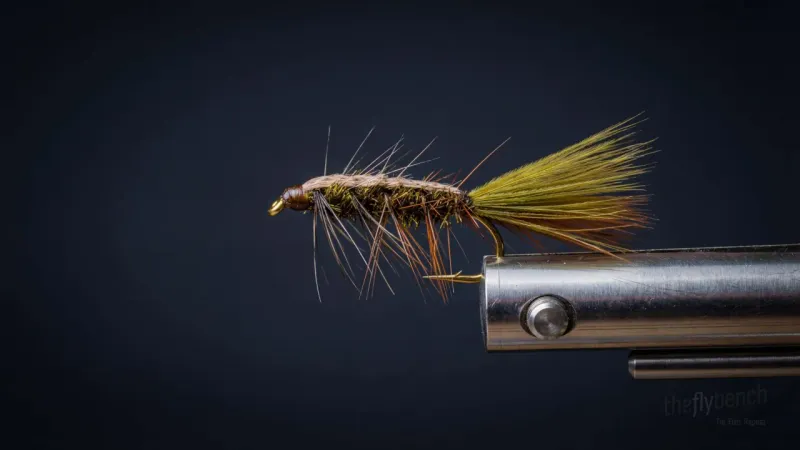
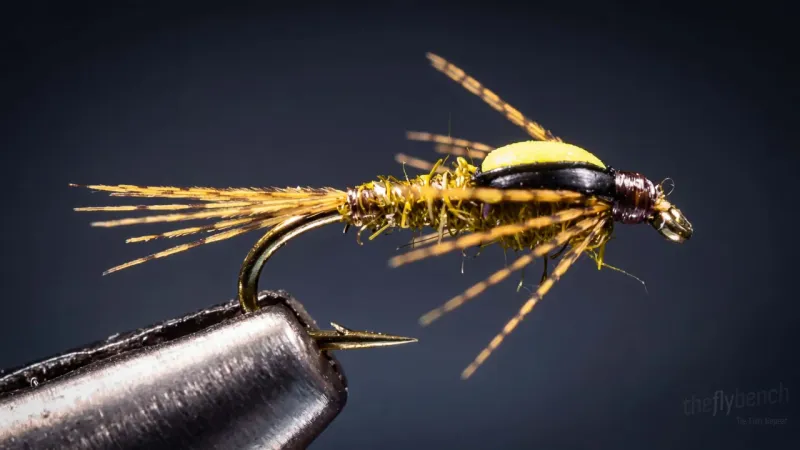
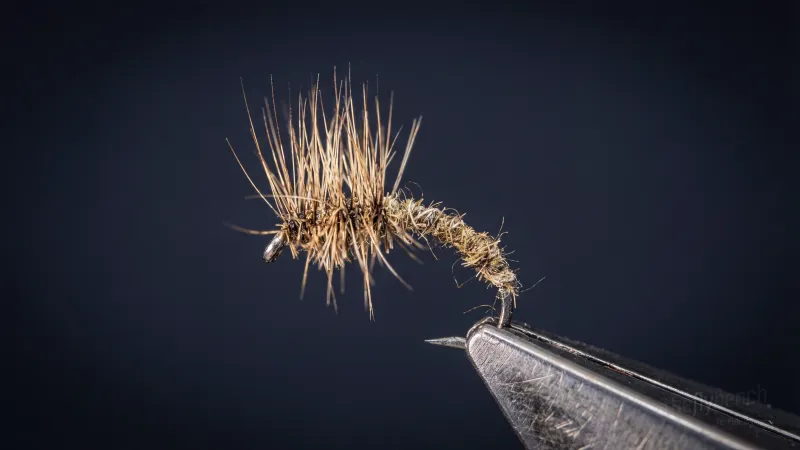
Paul Slaney's Swamp Thing builds a nymph with hen pheasant flight quill segments for claws, dried eel skin shell pads down the back, and a fox squirrel or hare's ear body, finished with brown partridge legs and tail. The heavy, segmented shellback and pincer-like claws suggest a large crawling nymph fished deep rather than a floating adult.
Spring, Summer, Fall
Intermediate
Trout
Feb 2026
Overview
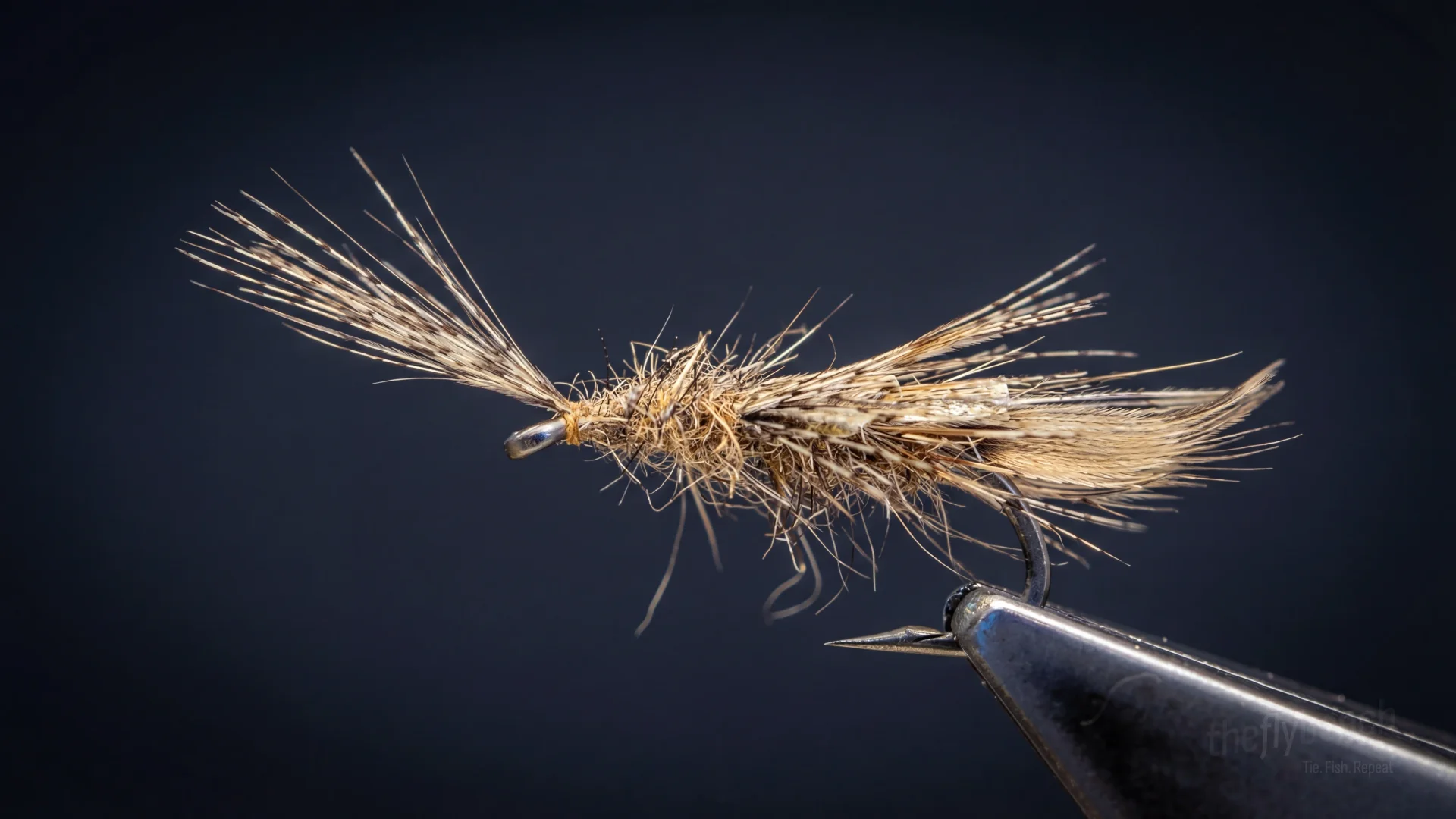
A dubbed fox squirrel or hare's ear body carries segments of dried eel skin tied in as shell pads over the back, with alternates like coated turkey quill or Thin Skin listed for the same effect. Hen pheasant flight quill segments split into claws at the head, and brown partridge barbs form both the legs and tail. Paul Slaney designed it as a heavily weighted nymph meant to be fished on or near the bottom rather than on the surface. The hard shellback segments and quill claws give it the profile of a large crawling nymph, tumbling or crawling along the substrate where trout expect it.
Where to Buy This Fly
We only link to fly shops we trust. Some links are referral links, which may earn us a commission at no extra cost to you.
Materials
- Hook:
- Partridge Stronghold #10
- Thread:
- Benecchi 12/0, tobacco
- Claws:
- Hen pheasant flight quill segments
- Body:
- Fox squirrel (or hare's ear)
- Shell pads:
- Eel skin, dried (alternatives: turkey quill segments, coated, or Thin Skin)
- Legs:
- Brown partridge barbs
- Tail:
- Brown partridge barbs
Behavior & Presentation
Natural Behavior: Emergence dimples in protected water signal vulnerable insects to fish patrolling productive zones. Anglers fish bulky terrestrials near vegetation because the brief hesitation before flight creates feeding windows.
Where Trout Eat It: Fish intercept emerging caddis from the surface in pocket water, turbulent runs, banks, vegetation edges, and near structure breaks.
How to Fish It: Cast near banks and vegetation for dead drift or add occasional twitches simulating struggling terrestrials. The high-floating foam keeps pattern visible through turbulent water.
Best Water: Focus on pocket water, turbulent runs, banks, undercut banks, vegetation edges, and structure breaks where terrestrials and emerging insects concentrate.
Strike Type: Watch for visible rises, aggressive eats, or splashy takes as fish respond to bulky terrestrial and caddis presentations near vegetation.
Fishing Strategy
Rigging Suggestions: Fish on 7.5-9 foot leader with 3X-4X tippet. Heavier tippet supports the bulky pattern and handles aggressive strikes from fish feeding on larger terrestrials.
Seasonal Timing: Most effective during terrestrial season June through September when water temperatures range 55-70°F. Peak activity occurs during mid-day periods when terrestrials dislodge from vegetation along banks and overhanging cover.
Pro Tips: Dark coloration and bulky silhouette remain visible in challenging conditions near vegetation. The foam components create surface disturbance that attracts attention while maintaining flotation through turbulent pocket water.
Entomology
Caddisflies emerging in marshy areas and slow water create dimples on the surface as they break through the film, then hesitate momentarily while their wings unfold. Fish patrol these productive zones, timing their rises to intercept the insects during the critical seconds between emergence and flight.
- Order
- Trichoptera
- Common Name
- Caddisfly
- Organism Type
- insect
- Life Stage
- adult