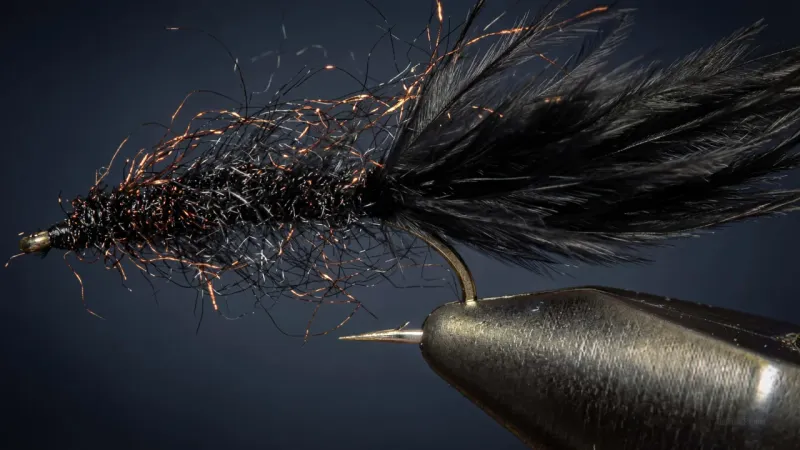
LeechSquirrel Leech
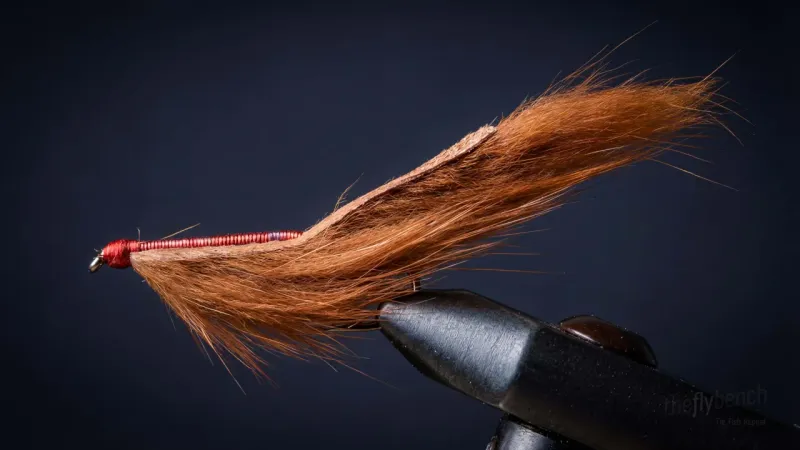
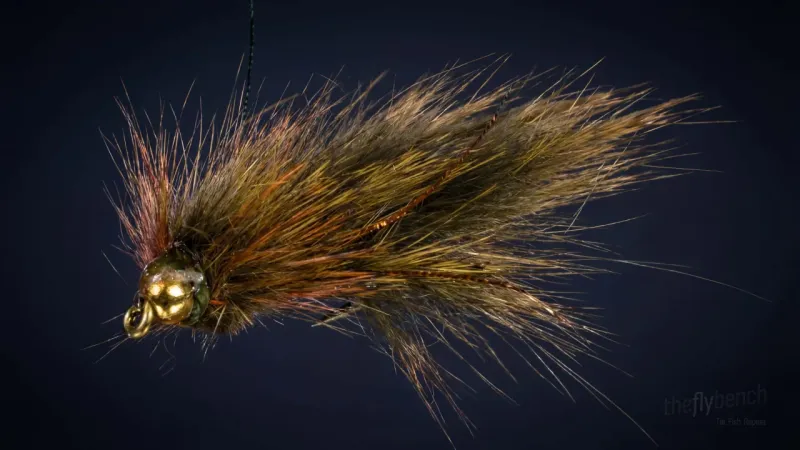
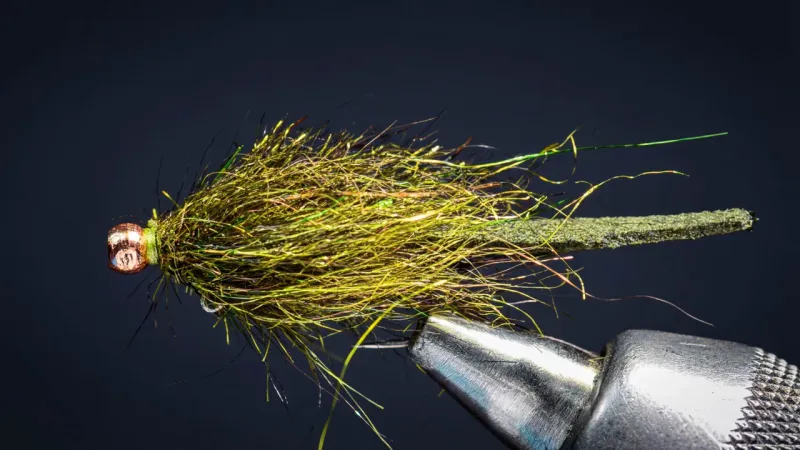
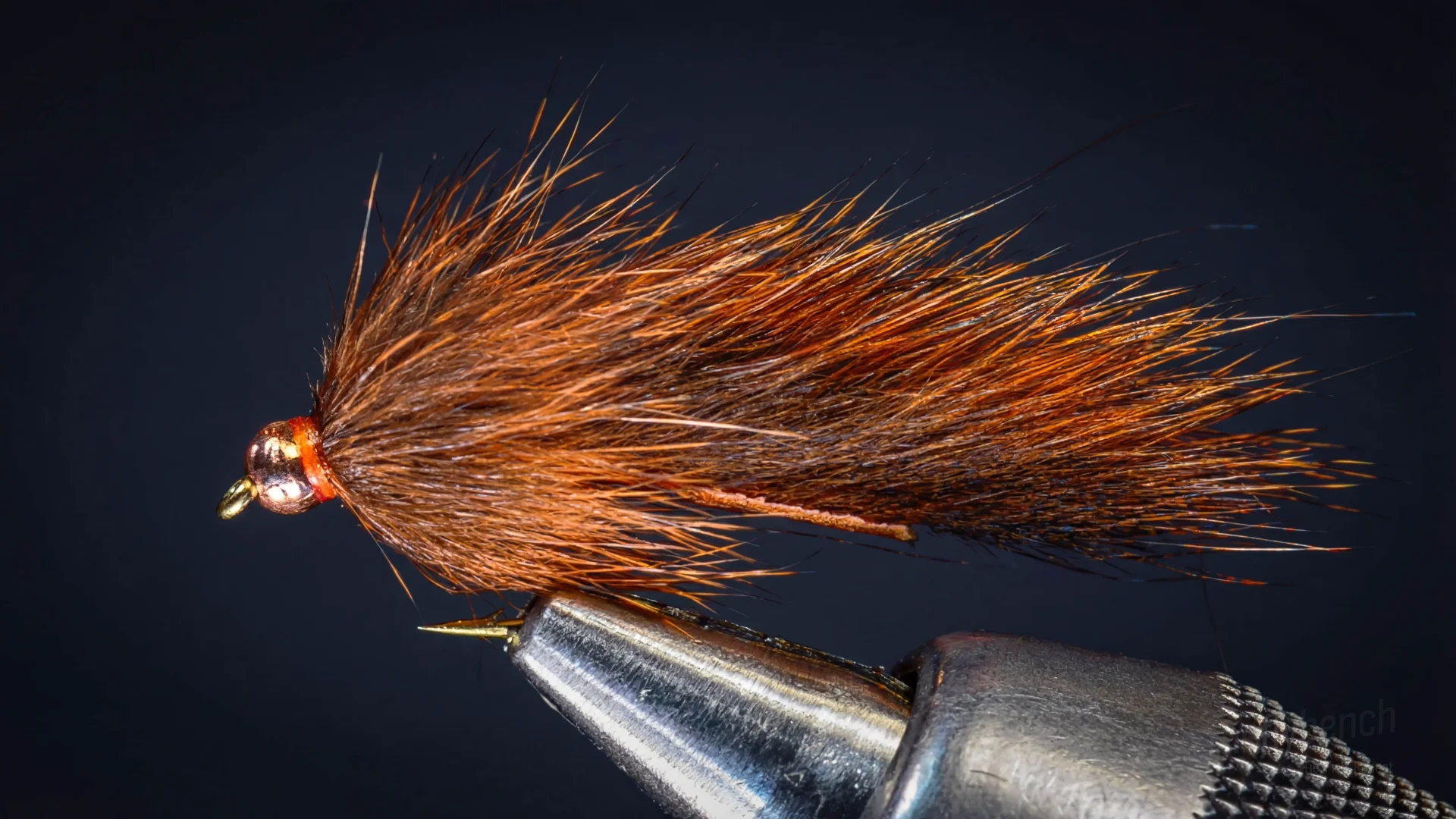
The Squirrel Leech is a Charlie Craven pattern from Charlie's Fly Box that uses pine squirrel zonker strips for exceptional movement and a natural profile. The rusty brown coloration with copper tungsten bead creates an earthy, buggy appearance that matches many natural leeches. The zonker strip serves double duty as both tail and collar, creating undulating movement throughout the entire fly.
Year Round
Intermediate
Trout
Dec 2025
Overview
This Charlie's Fly Box pattern by Charlie Craven demonstrates the versatility of pine squirrel zonker strips for creating lifelike leech patterns. The natural guard hairs and underfur create a buggy profile with excellent movement in the water. The red flashabou provides a subtle hot spot that can trigger strikes without overwhelming the natural presentation. The pattern can be tied in various sizes from 12-16 to match conditions.
Materials
Hook: Tiemco 2457, #12-16
Thread: UNI 6/0, rusty brown
Bead: Tungsten bead, copper, 3/32"
Flash: Flashabou, red
Tail: Pine Squirrel Zonker Strip, rusty brown
Collar: Pine Squirrel Zonker Strip, rusty brown
Behavior & Presentation
Natural Behavior: Leeches undulate rhythmically through lakes and rivers, swimming with wavelike body contractions before pausing to rest. Their sinuous movement is unmistakable.
Where Trout Eat It: Fish hunt leeches throughout the water column in lakes, particularly near weed edges, drop-offs, and shoals. In streams, focus on pool tail-outs.
How to Fish It: Use slow strip-pause retrieves allowing the zonker to pulse during pauses. Dead drift also works in streams, letting materials breathe naturally.
Best Water: Work weed edges where leeches hide, drop-offs at depth transitions, shoals with vegetation, and tail-outs in streams.
Strike Type: Strikes feel like steady pulls or gradual line draws as fish swim away with the fly.
Fishing Strategy
Rigging Suggestions: Fish on 9-12 foot leader with 5X-6X fluorocarbon tippet. The 3/32" tungsten bead provides adequate weight for most presentations. Can be fished as single fly or as dropper behind larger attractor patterns.
Seasonal Timing: effectiveness with peak performance in and . The rusty brown coloration matches natural leeches found in waters with decomposing organic matter.
Pro Tips: The copper tungsten bead provides moderate sink rates while adding a subtle attractor point. The rusty brown pine squirrel creates a natural silhouette that blends with the environment while the red flash provides a subtle trigger point.
Entomology
These bloodsucking annelids glide through stillwater with sinuous contractions, their segmented bodies creating wavelike propulsion as they hunt for host organisms. During seasonal migrations toward shorelines, leeches expose themselves in open water where they're vulnerable to feeding trout. Fish consume leeches opportunistically because they represent substantial caloric value in a single strike, with no defensive mechanisms beyond their slimy coating.
- Organism Type
- leech
- Life Stage
- general