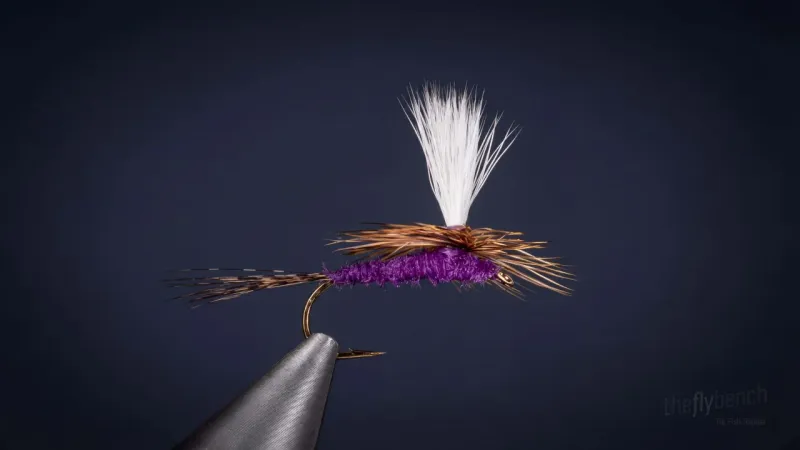
Dry FliesSnowflake Dun
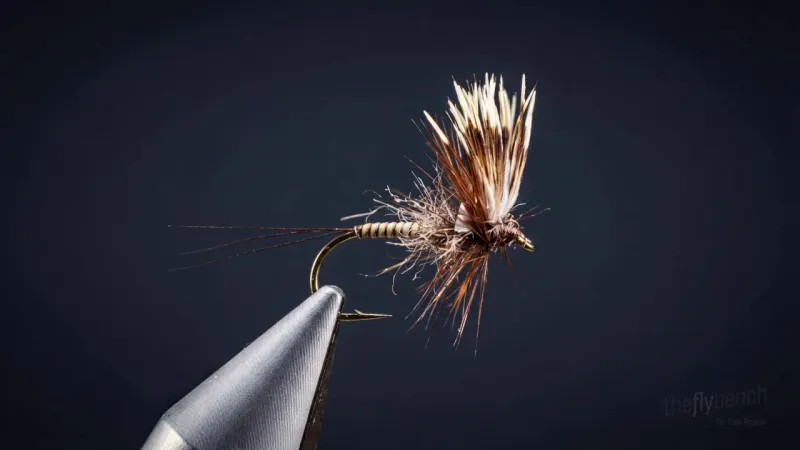
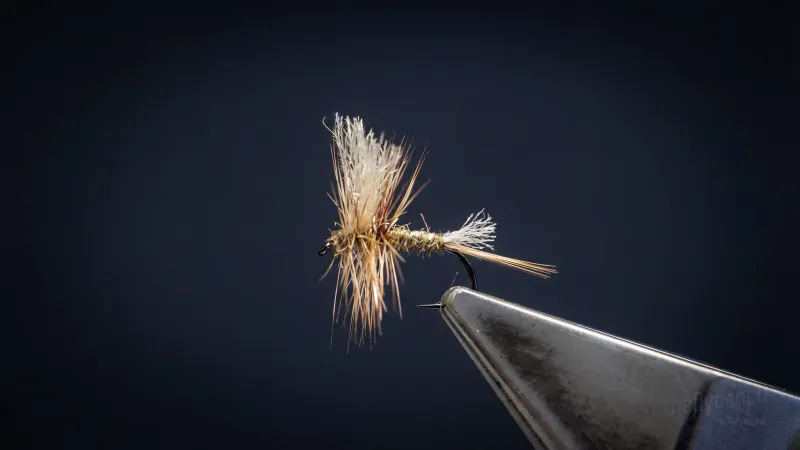
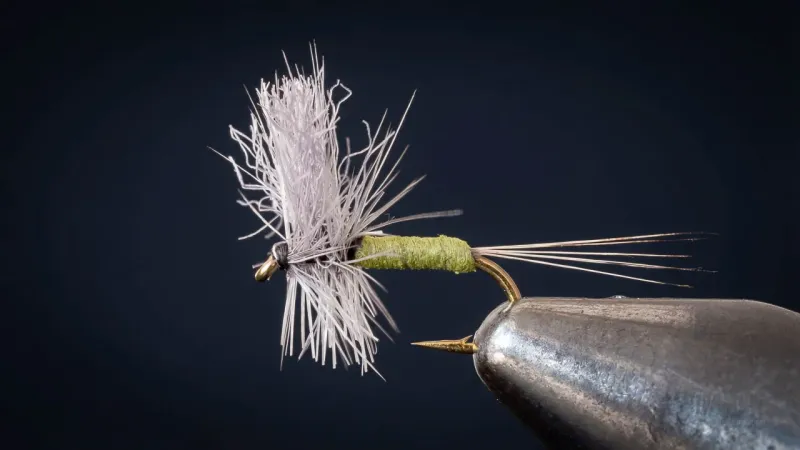
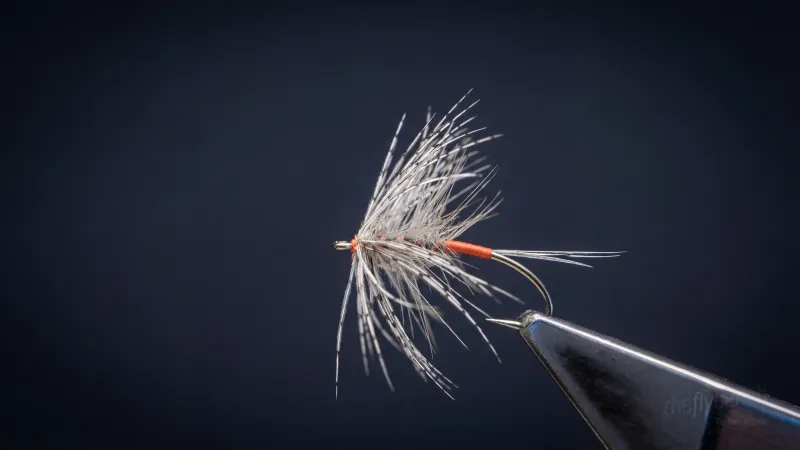
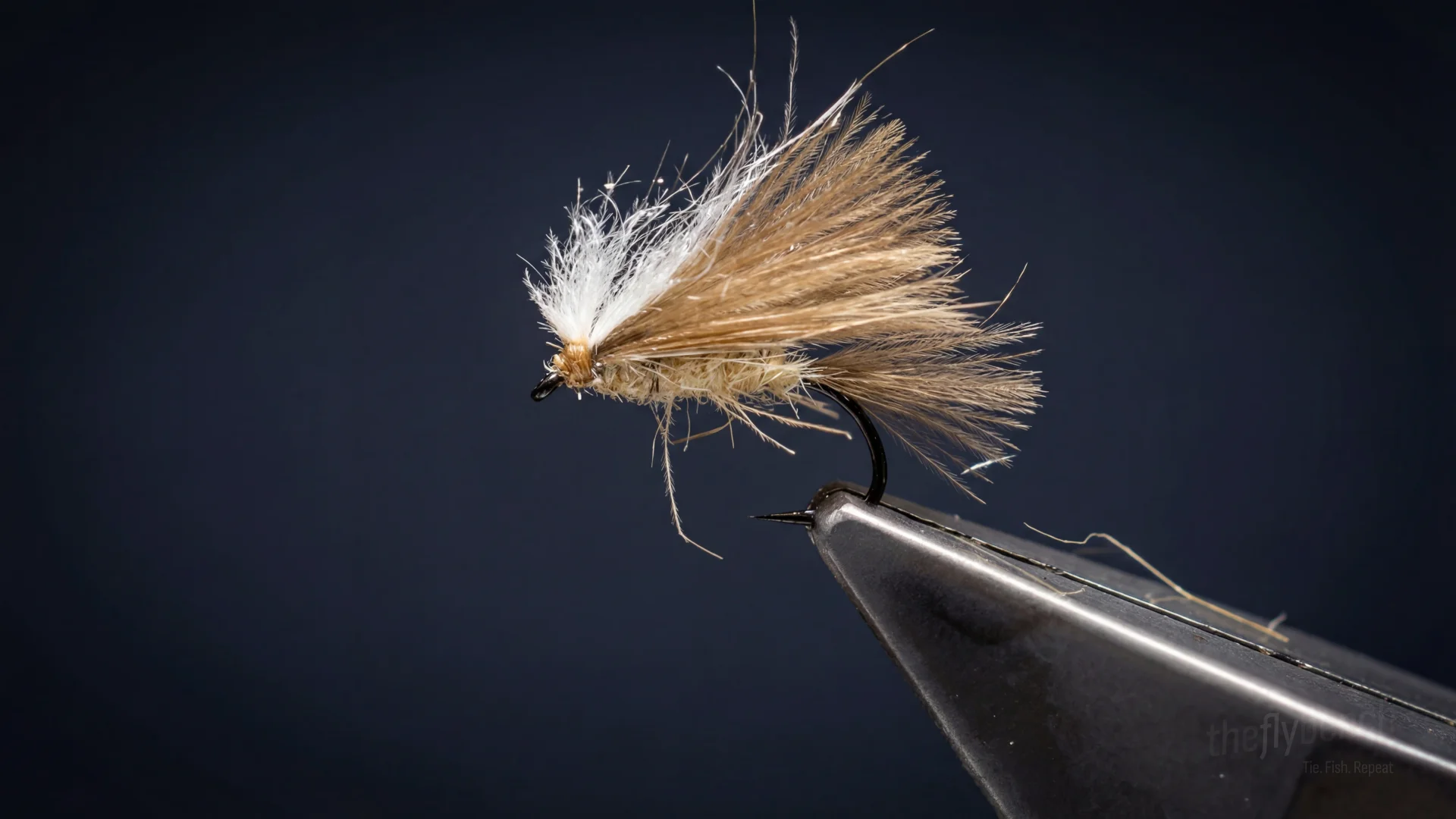
Roman Moser's snowflake dun combines a CDC tail and wing with tan Argentinean hare dubbing for a slim, translucent body that mimics a newly hatched mayfly dun. Cree hackle-barb outriggers steady it on the water while a clear Antron sighter keeps it visible during technical baetis hatches on moving water and stillwaters.
Spring, Summer, Fall
Intermediate
Trout
Feb 2026
Overview
Moser popularized CDC construction, and this dun shows his signature approach: a puffed CDC wing and tail balanced by cree hackle-barb outriggers instead of a parachute post, letting the fly sit flush without dragging in slower currents. The tan Argentinean hare body adds mottled translucency close to natural baetis coloring. Fish it during spring and fall blue-winged olive hatches when trout demand a low, delicate silhouette.
Where to Buy This Fly
We only link to fly shops we trust. Some links are referral links, which may earn us a commission at no extra cost to you.
Materials
- Hook:
- Tiemco 102Y #15
- Thread:
- Benecchi 12/0, tan
- Tail:
- CDC, natural
- Body:
- Argentinean hare, tan
- Outriggers:
- Cock barbs, cree
- Wing:
- CDC, natural
- Sighter:
- Antron, clear
Behavior & Presentation
Natural Behavior: Trout sip pale-bodied adults riding the film with wings up as they dry before takeoff. Anglers match these light-colored hatches because the helpless drift stage triggers confident feeding rhythms in selective fish.
Where Trout Eat It: Fish sip floating duns from the surface film in freestone streams, tailwaters, spring creeks, and near weed beds during calm lake periods.
How to Fish It: Dead drift with drag-free presentation. The light coloration matches pale mayfly duns perfectly during PMD and sulfur hatches in moderate currents.
Best Water: Focus on gravel substrate runs, spring creek flats, moderate current seams, riffle edges, and calm weed bed margins during morning and evening emergences.
Strike Type: Watch for visible rises ranging from subtle sips during selective feeding to splashy eats in faster water.
Fishing Strategy
Rigging Suggestions: Use a 9-12 foot leader tapered to 4X-5X tippet (5-6 pound test). The light materials require quality floatant for extended floatation. Consider 5X or 6X tippet on pressured spring creeks for more natural presentation.
Seasonal Timing: Most productive from April through October with peak effectiveness during mayfly emergences in May through July. This pattern particularly excels during pale morning dun (PMD) and sulfur hatches common in late and early .
Pro Tips: The pale coloration specifically matches light-colored mayfly species that are prevalent on many trout streams. Sizes 14-18 cover most PMD and sulfur hatches. The light materials and colors can be difficult to track in bright conditions, so focus on the drift lane and watch for rises near your fly.
Entomology
Newly emerged adult mayflies ride the current with upright wings, drying their delicate flight apparatus before taking to the air. Fish key in on these freshly hatched duns as they float helplessly downstream, unable to escape the drift.
- Order
- Ephemeroptera
- Common Name
- Mayfly
- Organism Type
- insect
- Life Stage
- adult